
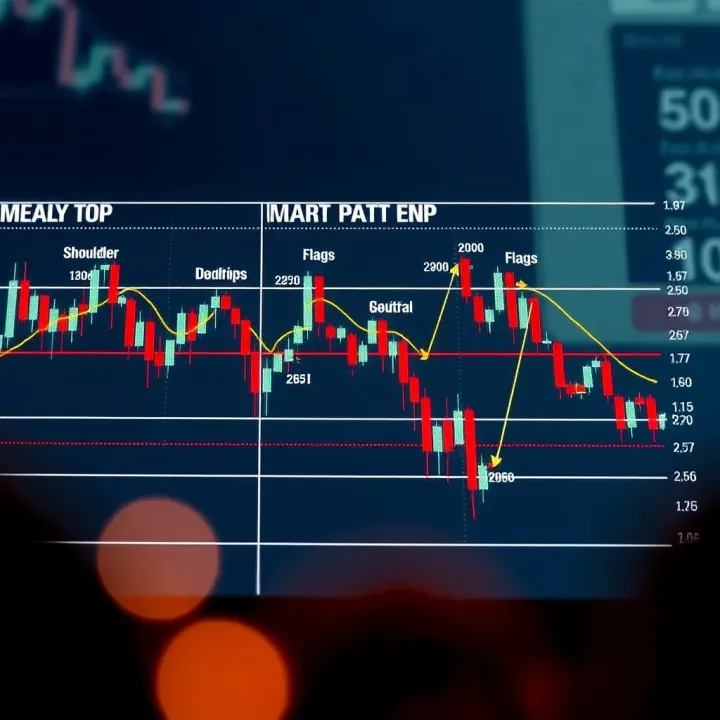
Cheat Sheet for Key Chart Patterns in Trading
📈 Master top chart patterns to spot market trends and price moves! Nigerian traders can sharpen technical skills with clear, practical tips for smarter trading decisions.
Edited By
Henry Cooper
Understanding candlestick patterns is essential for traders aiming to make smarter decisions in the market. These chart formations provide visual clues about price movements and can signal potential trend reversals or continuations. For South African traders, who often face volatile conditions like loadshedding impacts and fluctuating commodity prices, reading these patterns accurately can offer a real edge.
Candlestick charts map price action over a specific timeframe, showing the open, high, low, and close prices in a compact, easy-to-read format. Unlike simple line charts, candlesticks reveal detailed battle scenes between buyers and sellers during the session, helping you see where momentum shifts may be taking place.
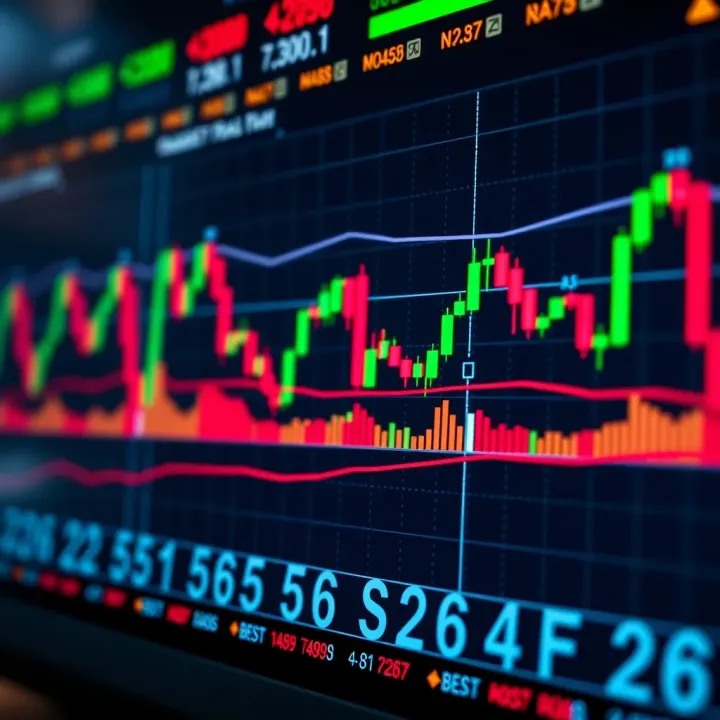
You'll find two main types of candlesticks: bullish, where the close is higher than the open, and bearish, where the close is lower. In addition to the body size, shadows (or wicks) provide insight into intraday price extremes. Patterns emerge when these candlesticks appear in specific sequences, and recognising them can guide entry and exit strategies.
Traders should remember that no single pattern guarantees success. Instead, combining candlestick signals with other tools such as volume analysis or trendlines improves accuracy and reduces risk.
A quick overview of important points:
Candlestick formations reflect market psychology, revealing whether buyers or sellers dominate.
Patterns like the hammer, engulfing, and doji are common but must be interpreted in context.
Timeframes matter—what represents a reversal on a daily chart might differ significantly on a 15-minute chart.
Integrating candlestick patterns with technical indicators or fundamental data strengthens trade signals.
This guide helps you cut through the noise by explaining key candlestick patterns and how to apply them to South African markets. Whether you trade shares on the JSE, local futures, or even forex and cryptos, learning to spot these patterns will help you make informed calls.
In the sections ahead, you'll get concise definitions, real-world examples, and practical tips on using this knowledge to refine your trading approach while managing risks effectively.
Candlestick charts offer a visual way to understand price action over a specific period, which helps traders make better decisions. Unlike plain line charts that only show closing prices, candlestick charts paint a fuller picture by displaying the open, high, low, and close prices for each time frame. This detailed view allows you to see how price moved within that period, providing clues about market sentiment.
For example, when looking at a daily chart of a stock listed on the JSE, a single candlestick instantly shows you whether the price rose or fell during the day, how strong that movement was, and where it met resistance or support. This makes candlesticks particularly useful for quick assessments without digging through numbers.
Each candlestick represents price activity within a specific time frame—like a day, an hour, or even a minute. The chart stacks these candlesticks side by side, allowing you to spot trends and reversals visually. For example, if you see a string of long green candlesticks, it usually signals strong buying pressure, whereas a series of red ones indicates selling.
A candlestick has three main parts: the body, the upper wick (sometimes called the shadow), and the lower wick. The body shows the range between the open and close prices. If the close is higher than the open, the body is typically green or white, signalling bullish sentiment; if the close is lower, it’s red or black, indicating bearishness.
The wicks represent the highest and lowest prices reached during the period. A long upper wick, for instance, might suggest sellers pushed the price down after a high, hinting at resistance. Likewise, a long lower wick could point to buyers stepping in after a dip, indicating support.
Candlestick patterns act as quick visual summaries of how traders feel about an asset right now. They reflect the tug-of-war between buyers and sellers in a way that numbers alone can't capture. For example, a hammer pattern, with its small body and long lower wick, often shows that despite selling pressure earlier in the session, buyers took charge by the close.
Traders don't just want to know where prices have been; they'd like to anticipate where they might head next. Certain candlestick formations hint at possible reversals or continuations. For instance, a bullish engulfing pattern—where a green candle completely covers the prior red candle—may signal a shift from downtrend to uptrend, prompting traders to consider buying.
Understanding these patterns in the context of volume and larger trends can help you avoid false signals and make smarter trading choices.
In practice, candlestick patterns serve as tools rather than guarantees, helping you gauge market mood and plan entries or exits with better timing. Whether you trade stocks, forex, or commodities on South African or global markets, mastering candlestick basics is an essential first step.

Recognising key bullish and bearish candlestick patterns forms the backbone of effective trading decisions. These patterns offer insight into market sentiment shifts that often precede price moves. For South African traders, spotting them can help time entries and exits in markets affected by local factors like Eskom loadshedding or volatile currency swings.
Hammer and Inverted Hammer
The hammer pattern is a single candlestick with a small body at the top and a long lower wick, suggesting buyers pushed prices back up after a significant selloff. It often appears at the bottom of a downtrend, signalling a potential reversal. Picture a share price on the JSE that dropped heavily during the day but closed near its open price; this candle hints buyers are stepping in.
The inverted hammer looks similar but with a long upper wick and a small body at the bottom, still at the bottom of a downtrend. It signals hesitation among sellers and the possibility of a bounce-back, although confirmation from the next candle is essential before trading.
Bullish Engulfing
This two-candle pattern starts with a smaller bearish candle followed by a larger bullish candle that fully engulfs the previous day’s body. It reflects strong buying pressure overtaking sellers. For example, if a South African rand share dips slightly on day one but surges with volume on day two, a bullish engulfing pattern may forecast an upward trend continuation.
Morning Star
A classic three-candle pattern appearing after a downtrend, the morning star begins with a bearish candle, followed by a small indecisive candle (often a doji or spinning top), and then a large bullish candle. This sequence indicates sellers are losing grip while buyers take over. In volatile markets like the FTSE/JSE Africa Index, spotting a morning star near support levels can provide a solid buy signal.
Shooting Star and Hanging Man
The shooting star has a small body near the bottom with a long upper wick, usually forming at the top of an uptrend. It reveals buyers pushed prices higher but sellers regained control, hinting at a potential reversal downwards. Similarly, the hanging man looks like a hammer but appears after an uptrend, warning sellers might be gaining strength.
For example, a mining company share rallying during positive commodity news but then printing a shooting star might warn traders of a pullback.
Bearish Engulfing
Opposite to the bullish engulfing, this pattern shows a smaller bullish candle followed by a larger bearish candle that swallows the entire body of the first. This sudden surge of selling pressure can signal the start of a downward move. In South Africa’s local markets, this pattern often precedes corrections especially when combined with high volumes in a market sensitive to political developments.
Evening Star
The evening star, another three-candle pattern, emerges at the top of an uptrend and consists of a large bullish candle, a small indecisive candle, then a large bearish candle. It suggests a shift from optimistic buying to increased selling pressure.
Spotting these key bullish and bearish patterns can improve your timing and reduce risky entries by confirming sentiment changes rather than assuming trend continuations. Always confirm with other indicators and volume to avoid false signals.
Together, these patterns provide a practical toolkit for reading price action and anticipating moves across South African stocks, futures, and forex markets.
Interpreting candlestick patterns correctly is the backbone of making informed decisions in trading. Simply spotting a pattern isn’t enough; it must be put into context with other market factors to avoid costly mistakes. Recognising the patterns’ reliability through volume and trend confirmation can dramatically improve trade outcomes. Likewise, knowing how to dodge false signals reduces unnecessary losses and builds your confidence over time.
Volume reflects how many shares or contracts change hands during a given period. When a candlestick pattern forms with strong volume behind it, the pattern tends to carry more weight. For example, a bullish engulfing pattern that appears on low volume might hint at weak buying interest and could quickly fizzle out. On the other hand, if volume spikes alongside the pattern, it signals genuine conviction among traders, making the pattern more trustworthy.
Volume also helps highlight market participation levels during price moves. In South African markets, where liquidity can vary between shares on the JSE, volume confirmation is especially important. Watching volume can prevent you from chasing moves that lack solid backing, saving you from unreliable entries.
Trends help provide context for candlestick patterns. A bullish reversal pattern is more credible if it appears after a clear downtrend, suggesting a potential turn upwards. Conversely, a bearish signal is worth more if it comes during an established uptrend, indicating sellers might be gaining ground.
If a bullish hammer materialises during sideways price action, its significance diminishes because market direction is unclear. Similarly, a shooting star in a strong downtrend may have limited impact. Validating candlestick patterns within the bigger picture of trend direction prevents misinterpretation and increases the chance of meaningful trades.
Never rely on a single candlestick pattern alone. Use other technical tools like moving averages or the Relative Strength Index (RSI) to double-check signals. For instance, a morning star pattern combined with an RSI moving out of an oversold zone provides stronger evidence of a rebound.
Adding volume and trend confirmation, along with other indicators, improves your odds. This layered approach filters out half-baked signals and keeps you aligned with solid market moves.
Beginners often mistake patterns forming in noisy markets for reliable signals. One common trap is ignoring the timeframe — a pattern that looks significant on a 5-minute chart might mean little on the daily chart. Also, patterns can appear during low volume periods like after-hours trading, making them less dependable.
Another pitfall is expecting patterns to guarantee future price moves. Patterns indicate probability, not certainty, so trade with stop-losses to protect your capital. Watch for contradictory signals too; if a candlestick pattern suggests a rise but broader market sentiment is bearish, be cautious.
Spotting and properly interpreting candlestick patterns isn’t about being clever; it’s about being disciplined. Confirm with volume, check the trend, seek extra indicators, and be aware of tricky setups. This cautious approach will save you from chasing false hopes and improve your trading edge.
Integrating candlestick patterns into your trading strategy strengthens your decision-making by providing visual cues on market sentiment. These patterns highlight potential turning points or continuation signals, but relying on them alone can be risky. Combining them with other technical tools brings more confidence and precision to your trades.
Using technical indicators like the Relative Strength Index (RSI) or moving averages alongside candlestick patterns can improve the reliability of your signals. For instance, spotting a bullish engulfing pattern at an RSI level below 30—which indicates oversold conditions—can give a stronger buy signal. Similarly, if a hammer forms near a key moving average support, it suggests the price might bounce back.
This combination helps confirm whether the market has momentum behind the pattern or if it might just be a false signal. A trader spotting a bearish shooting star near a 50-day moving average crossover can weigh the chances of price reversal more carefully. That’s particularly useful in South African markets, where local volatility can cause sudden moves.
The benefit of combining candlestick patterns with other indicators lies in reducing the risk of acting on misleading signals. Indicators provide context—whether the broader trend supports your interpretation of patterns, for example. This secondary validation is a smart way to filter trades, helping you avoid costly mistakes and improving overall timing.
A key part of applying candlestick patterns is knowing where to place your stop-loss orders. Generally, for bullish setups like a morning star pattern, you’d place the stop-loss just below the lowest wick of the candlestick formation. This acts as a safety net if the trade doesn’t go your way. In the same way, for bearish patterns such as an evening star, the stop-loss might sit just above the highest wick.
This precise placement protects your capital while giving your trade enough room to breathe amid normal price fluctuations. Traders often overlook this and end up stopped out prematurely or expose themselves to bigger losses.
Timing your trades using candlestick patterns also requires patience. For example, waiting for confirmation of a bullish engulfing candle with a close above the previous candle’s high can increase your odds of success. Jumping in too early based solely on a pattern can expose you to whipsaw moves.
Moreover, combining timing with volume analysis or confirming indicators strengthens the entry signal. So, rather than chasing every pattern that forms, focus on ones that come with supporting evidence. This approach is especially relevant in the jittery conditions of South African stocks or forex pairs, where news events can quickly shift sentiment.
Successful trading using candlestick patterns depends on combining them smartly with other tools, sensible stop-loss placement, and patient timing. This balanced approach turns pattern spotting into practical, profitable decisions on the market floor.
Risk management is vital when trading with candlestick patterns to protect your capital from unexpected market swings. While patterns can offer valuable hints about price direction, they don't guarantee outcomes. You need to combine solid risk controls with your pattern recognition to trade consistently over time.
Position sizing and capital allocation play a key role in limiting losses when a trade doesn’t go your way. Instead of risking a big chunk of your account on one setup, divide your capital into smaller portions. For example, if you have R50,000 in your trading account, risking only 1-2% per trade means you won’t lose more than R500 to R1,000 at a time. This approach helps you stay in the game longer and avoid emotional decisions driven by major drawdowns.
Using stop-loss effectively means placing a clear exit point before entering a trade. Your stop-loss should be placed where the candlestick pattern is invalidated—say, below the low of a bullish hammer or above the high of a bearish shooting star. This freezes your maximum loss on each trade. For instance, if the stop-loss is set at R100 per share for 100 shares, the maximum loss is R10,000. By sticking to that limit, you avoid having a single bad trade wipe out gains from multiple winners.
South African markets are known for their volatility, partly due to economic uncertainties and load-shedding disruptions. This means price swings can be sharp and sudden. When trading local stocks or indices, expect bigger fluctuations compared to more stable global markets. You might want to widen stop-loss levels slightly and ensure your position size accounts for this extra movement to avoid getting stopped out prematurely.
The impact of news and events in South Africa can be quite dramatic on market behaviour. Political developments, Eskom load-shedding announcements, or changes in interest rates from the South African Reserve Bank can create sharp reactions. It’s wise to monitor these news items closely and avoid trading right before major announcements to minimise risk. For example, many traders wait until after the SARB's interest rate decision before taking new positions, as markets often become choppy or trend strongly one way or another.
Effective risk management tailored to South Africa's unique market conditions is as important as spotting the patterns themselves. Without it, even the best setups can turn sour quickly.
Practising these risk controls alongside your candlestick analysis will help you trade more confidently and sustainably in Mzansi’s markets.
📈 Master top chart patterns to spot market trends and price moves! Nigerian traders can sharpen technical skills with clear, practical tips for smarter trading decisions.

📈 Learn how to spot key candlestick patterns Nigerian traders use to make sharper buys and sells in our local market. Step up your trading game today! ₦

📈 South African traders, find forex software that matches your trading style, offers local market access, keeps costs fair, and stays within regulatory rules. 💼💰

🌍 Explore live forex trading in South Africa with practical tips on real-time currency buying, risk management, essential tools, and local regulations for traders.
Based on 15 reviews