

How to Succeed in Forex Trading in South Africa
📈 Master forex trading with practical tips for South African traders! Learn local market steps, risk management, analysis tools & disciplined habits for steady success.
Edited By
Megan Phillips
Forex trading software is more than just a tool for South African traders; it's the backbone of how you analyse market movements, manage trades, and control risk. With so many options on the market, picking the right software can feel like searching for a needle in a haystack. But the choice really boils down to understanding what fits your trading style, what local features you need, and how the software aligns with regulatory standards.
Local market access is a key factor. For instance, platforms like MetaTrader 4 and 5 are popular worldwide, but you need to ensure they connect seamlessly with South African brokers and provide access to the ZAR pairs you want to trade. Also, remember that costs vary widely — many platforms charge monthly fees, while others take a small cut from your trades. This can quickly eat into profits if you’re not careful.
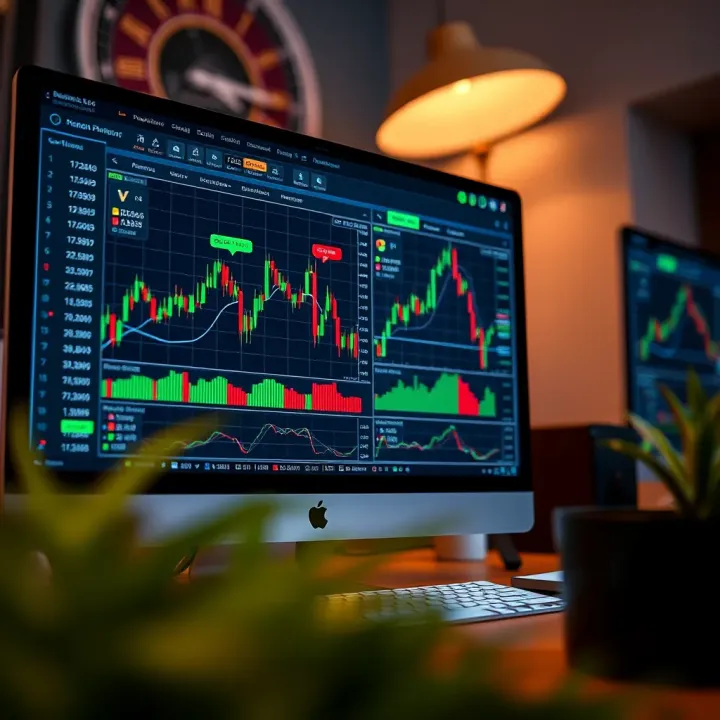
Data quality and speed matter, especially when the rand is volatile due to economic or political events. You want software that updates quickly and offers reliable charts and indicators to make smart moves without delay. Beware software that lags or offers incomplete data — it can cost more than just money.
Security and regulation should never be an afterthought. South African traders must look out for software compliant with local rules, including those set by the Financial Sector Conduct Authority (FSCA). Using regulated software shields you from scams and ensures your data remains protected.
Investing time upfront to choose software that matches your needs can save you headaches and improve trading outcomes in the long run.
When exploring options, keep an eye out for these features:
Customisable interface: Allows you to set up charts and views that suit how you work.
Automated trading capability: Useful if you want to run bots or algorithm-based strategies.
Risk management tools: Includes stop-loss orders and alerts to protect your capital.
Educational resources: Some platforms offer tutorials and webinars, which help sharpen your skills.
In South Africa’s ever-shifting forex environment, having the right software helps you respond smartly, not just quickly. Later sections will break down all you need to know about these tools and how to pick one that fits your goals perfectly.
Understanding how forex trading software operates is key for South African traders aiming to make informed choices. This software connects you to the forex market, delivering live price updates, analytical tools, and order placement options—all in one platform. For instance, when trading the USD/ZAR pair, real-time price changes and swift order execution can make a significant difference in capturing small profit margins.
Real-time price tracking is at the heart of any forex trading software. It provides instant market prices, allowing traders to make timely decisions. If prices lag or update too slowly, you risk missing favourable entry or exit points—especially crucial when dealing with volatile currencies like the rand.
Charting and technical indicators help traders spot patterns and market trends. Software typically offers a variety of charts—line, candlestick, bar—alongside indicators such as moving averages, RSI, or Bollinger Bands. For example, a trader spotting a bullish divergence on an RSI chart might decide to enter a long position on EUR/ZAR.
Order execution and trade management lets traders not only place orders but manage them efficiently. This includes setting stop-loss and take-profit levels, modifying orders, or closing trades quickly. Efficient execution ensures you get prices close to what the platform shows, which is vital since slippage can erode profits.
Expert advisors and bots automate trading strategies by analysing market data and placing trades without manual intervention. In South Africa, where forex markets can change rapidly due to local economic factors, bots can react faster than manual trading.
Automated trade execution means the software can instantly carry out trades based on pre-set criteria, such as entering a position when the price hits a certain level. This helps remove emotional biases and ensures systematic trading.
Backtesting strategies allow traders to test their trading ideas against historical data before risking real money. For example, before applying a moving average crossover strategy on USD/ZAR, backtesting can reveal how it might have performed during the last six months' market conditions.
Using software with solid real-time data and automation features gives South African traders an edge navigating the fast-moving forex environment. But it's essential to understand each tool's function to choose software that matches your approach and goals.
Choosing the right forex trading software means looking beyond just the brand name or shiny promises. Certain features determine how effectively you can read the market, react quickly, and manage your trades — all of which impact your bottom line. These core elements are especially significant for South African traders juggling local banking options, data costs, and reliability amid challenges like loadshedding.
Ease of navigation is more than just convenience. When you’re in the heat of the moment, deciding whether to buy or sell, clunky software can slow you down and cost you dearly. Software that offers a clean, intuitive interface reduces the learning curve and lets you focus on what really matters: analysing market moves. For example, platforms like MetaTrader 4 and 5 streamline trade execution buttons and chart access, so you don't have to hunt through menus.
Customisable dashboards and layouts matter because every trader values different information. Some want quick access to currency pairs, others prioritise news feeds or technical indicators. Being able to tailor your software to display the tools and data you use most ensures you save time and trade with confidence. In practice, cTrader allows for drag-and-drop widgets and multiple chart windows, aiding traders who juggle diverse strategies.
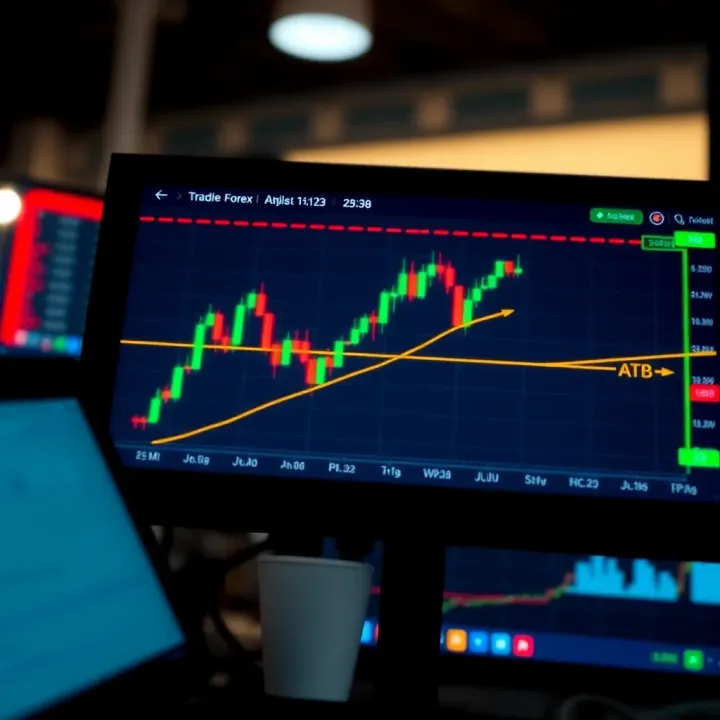
Having a variety of chart types at your disposal—such as line, bar, and candlestick charts—gives you different ways to visualise price movements. Candlesticks, popular in South Africa and worldwide, quickly show open, high, low, and close prices, helping traders spot reversals or trends. Line charts, on the other hand, simplify the picture and can assist in identifying long-term direction without distraction.
Access to multiple timeframes and indicators is essential. Whether you’re a day trader eyeing 5-minute charts or a swing trader examining daily and weekly data, your software should let you cycle through timeframes easily. Equally, a good selection of indicators like Relative Strength Index (RSI), Moving Averages, and Fibonacci retracements aids in sharpening your strategy. Platforms that lack these can leave you flying blind or relying on external tools.
Data encryption and account safety are non-negotiable in today’s digital trading. Strong encryption protocols protect your sensitive details, preventing hackers from accessing your account or trade data. With South Africans increasingly targeted by cybercrime, platforms that use two-factor authentication and secure socket layer (SSL) technologies provide much-needed peace of mind.
The regulatory status of brokers linked to the software affects not only your legal protection but also execution quality. Traders should check that brokers are licensed by bodies such as the Financial Sector Conduct Authority (FSCA) in South Africa. Some forex platforms only connect with regulated brokers, helping traders avoid shady outfits or scams. For instance, using a software that pairs with an FSCA-regulated broker ensures your funds are segregated and protected under local law.
Emphasising features like intuitive design, versatile market data, and robust security equips South African traders to navigate forex markets more skillfully and safely, ultimately improving trading outcomes.
In short, a thoughtfully chosen forex trading software fits your style, ensures timely information, safeguards your data, and complies with South African regulations. This balance makes all the difference between mere participation and consistent success in currency trading.
Understanding the different types of forex trading software helps South African traders pick solutions that suit their needs, devices, and trading style. Whether using a desktop, mobile app, or web-based platform, each type offers unique strengths that affect usability, access, and tools available.
MetaTrader 4 and 5 are among the most popular desktop platforms globally and for good reason. MT4 is known for its straightforward interface, wide range of technical indicators, and support for automated trading through Expert Advisors (EAs). MT5 builds on this by adding more timeframes, an economic calendar, and the ability to trade stocks alongside forex. South African traders often prefer these platforms for detailed chart analysis and strategy testing. The platforms support custom indicators and scripts, which can really help customise the experience.
cTrader offers an alternative desktop option focused on traders who value transparency and advanced order types. Its interface is sleek and modern, with excellent depth of market tools that suit short-term traders. cTrader also supports algorithmic trading through its cAlgo module, enabling custom bot development. For South Africans wanting a professional-grade solution with direct market access, cTrader is worth a look.
When it comes to mobile trading, top apps provide almost all desktop features but in a compact, touch-friendly form. Look out for apps with real-time quotes, quick order execution, and access to charts with multiple indicators. Platforms like MetaTrader Mobile, IG Trading app, and Forex.com’s mobile app offer robust functionality with account management and alerts built in. This lets traders stay on top of the market no matter where they are.
Trading on the move means seizing opportunities without being tied to a computer. For South Africans, this is handy given how many rely on mobile data and may need to trade between commitments or while travelling. Mobile trading apps also support risk management tools like stop-loss orders, making it easier to protect capital even when away from a desk.
Web-based platforms open forex trading to anyone with an internet connection and browser. There’s no need to install software, so setup is quick and hassle-free. This accessibility is ideal for traders who use multiple devices or want to save storage space on their computers or mobiles.
Not needing installation also means web platforms can be updated centrally, so traders always access the latest features and security patches without lifting a finger. Examples like TradingView's web interface or broker-provided platforms enable seamless access to market data and order placement from anywhere. For South African traders balancing data costs or device performance, web platforms offer a practical and flexible choice.
Choose the software type that aligns with how you trade, where you prefer to trade from, and the devices you use most. This makes your forex trading experience more effective and enjoyable.
Choosing forex trading software is about more than just picking a popular platform. The right software has to fit your trading style, budget, and local needs. For South African traders, factors like broker compatibility, payment options, and understanding where you stand with risk are essential. The right choice simplifies decision-making, cuts down on unnecessary costs, and enhances your chances of trading successfully.
Your trading style heavily influences which software suits you best. For instance, day traders who open and close positions within the same session need platforms with lightning-fast order execution, real-time charts, and technical tools. On the other hand, long-term investors might value features like comprehensive historical data and fundamental analysis tools more than split-second execution.
If you’re mostly in for occasional trades or swing trading over days or weeks, you won't require the same rapid alert systems and automated bots that a scalper might. Identifying this early helps narrow down software choices to what truly supports your approach.
Understanding your risk tolerance also plays a big part. Higher-risk traders might want software offering advanced risk management tools like trailing stops, limit orders, and clear visualisation of potential losses. Conversely, conservative traders might prioritise platforms with more straightforward controls and educational features to avoid impulsive moves.
Remember, software that fits your risk profile helps keep emotions in check and enforces disciplined trading.
There’s a choice between free and paid software, each with pros and cons. Free platforms might be a great way to test the waters, especially for beginners. However, expect limited tools, fewer customisation options, or delayed price feeds compared to paid services.
Paid software, often subscription-based, tends to offer better data accuracy, faster execution, and more comprehensive features. For instance, platforms like MetaTrader 5 or cTrader often pair their software with brokers offering premium tools at cost. In South Africa, traders should weigh these costs against their trading volume and expected profits.
Commission structures make a difference too. Some brokers charge spreads only (the difference between buy and sell prices), while others add fixed commissions per trade. Certain software packages include broker fees, so it’s useful to check if the cost is bundled or separate. For example, a platform connected to a South African broker might offer zero commission but slightly wider spreads, which could add up over many trades.
Having software that integrates well with established South African brokers such as IG, HotForex, or EasyEquities ensures faster account management and trade execution tailored to local market conditions. This can also mean better support when navigating regulations or resolving issues.
On top of that, support for local payment options cannot be underestimated. Software accepting payment methods like EFT, SnapScan, or even PayFast can save you hassle and avoid forex conversion fees. Processing deposits and withdrawals smoothly matters when you want to react quickly to market shifts without being stuck waiting for funds.
Ultimately, matching your forex software with brokers and payment gateways rooted in South Africa simplifies your trading routine and cuts transaction barriers, making your trading experience that much smoother.
When you’re new to forex trading software, getting started the right way can save you a lot of headaches down the line. Practical tips help you familiarise yourself with the platform’s quirks and prevent costly mistakes early on. South African traders, especially those juggling local regulations and broker options, will find these steps useful for building a solid foundation.
Opening a demo account is like kicking the tyres before buying a car — you test everything without risking actual money. Most forex platforms offer demo accounts with virtual funds, letting you explore real-time market conditions, practice order execution, and try out tools like charting and automated trading. For instance, you can experiment with a well-known desktop platform like MetaTrader 4 without worrying about losing R1,000 or R10,000 at once.
This safety net is especially valuable if you’re still unsure how your chosen software connects with local brokers or supports South African payment methods. Using a demo account first means you can spot hiccups early, such as delays in order execution or confusing interface elements, instead of losing real money.
Beyond just testing trades, the demo account lets you get comfortable navigating the software. Popular forex platforms pack a lot under the hood — dashboards, indicators, custom views — that might overwhelm at first.
By taking your time with the demo, you learn how to quickly pull up currency pairs like USD/ZAR or EUR/ZAR, switch chart types, and set stop-loss orders. This familiarity reduces stress when you move to live trading, so you’re not fumbling when the market moves fast. For example, learning shortcuts to open and close trades or how to read technical indicators like RSI or moving averages can make a real difference.
When you move to live trading, it’s wise to start small. Even if you’re confident after demo practice, real stakes can affect your decisions. Starting with low capital means you can absorb losses without massive damage, while learning how emotional reactions affect your trades.
For instance, you might limit your first live trades to R500 or R1,000. This way, you test your strategy against South African market volatility and loadshedding-induced gaps without risking more than you’re ready to lose. It’s like dipping your toes into the ocean rather than jumping straight in.
Trading software vendors and local brokers often offer a wealth of educational content tailored for new South African traders. These include webinars, step-by-step guides, and tutorials on reading forex charts or managing risk.
Taking advantage of these resources helps build a strong knowledge base to complement hands-on experience. For example, platforms like IG or FXTM provide tutorials explaining how to interpret currency strength or use economic calendars to anticipate market shifts. Paired with gradual live trading, these materials significantly boost your confidence and trading skill.
Starting effectively involves more than just choosing the right software — it’s about mastering the tools, managing your money smartly, and staying curious through learning.
These practical steps help you avoid common pitfalls, get the most from your trading platform, and prepare you well for the ups and downs of forex trading in South Africa.
📈 Master forex trading with practical tips for South African traders! Learn local market steps, risk management, analysis tools & disciplined habits for steady success.
📈 Master forex trading in Nigeria with this practical guide! Learn market basics, start trading smart, manage risks well, and grab success in ₦ trading.

📚 Discover the top forex trading books every Nigerian trader should read! From beginner tips to advanced strategies, boost your trading skills now. 💹

🤖 Discover how bot forex trading works in Nigeria, its benefits, risks, and how traders can use bots to make smarter trades and manage ₦₦ efficiently.
Based on 10 reviews