

Complete Guide to Candlestick Patterns in Trading
📈 Master all candlestick patterns in trading with our detailed guide. Learn how market moves shape signals for better trading decisions. Suitable for every trader.
Edited By
George Foster
Engulfing candlestick patterns are popular tools in technical analysis, widely used by traders in Nigerian markets to spot potential reversals or continuation of trends. These patterns help make sense of price action by showing when buyers or sellers have gained control in a particular trading period. For professionals like traders, analysts, and brokers, recognising these patterns can improve decision-making significantly.
An engulfing pattern appears when a candlestick fully covers the previous one’s body, signalling a shift in market sentiment. There are two main types:
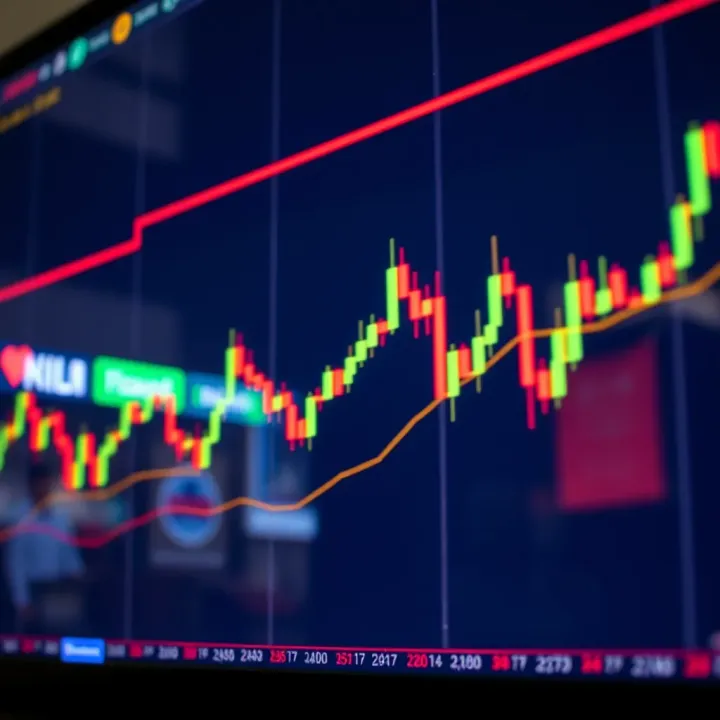
Bullish engulfing: A smaller bearish candle followed by a larger bullish candle that completely covers the first. It suggests buyers are taking over, potentially signalling a price rise.
Bearish engulfing: A smaller bullish candle followed by a larger bearish candle engulfing it, indicating sellers have gained strength and prices might fall.
These patterns are not guarantees but rather powerful clues. Traders must consider the overall market context, including volume, trend strength, and external factors specific to Nigerian markets such as currency volatility, policy changes by the Central Bank of Nigeria (CBN), or geopolitical events.
For example, suppose you observe a bullish engulfing pattern on the share price of a top NSE-listed bank after days of decline. This may suggest a trend reversal to the upside, offering a buying opportunity. However, if the broader market shows heavy selling pressure due to macroeconomic news, that signal might be weaker.
To apply engulfing patterns effectively in your daily trading strategy:
Confirm the pattern with other indicators like moving averages or the Relative Strength Index (RSI).
Look for patterns near support or resistance levels to increase reliability.
Manage risk with stop-loss orders beyond recent lows or highs.
In Nigerian markets, where price movements can be strongly affected by external shocks like fuel subsidy decisions or exchange rate swings, it’s vital to combine candlestick analysis with sound market knowledge.
Understanding these patterns increases your toolkit for spotting valuable entry and exit points. Traders who master them can better anticipate market turns, adapt strategies, and ultimately improve trading results.
Engulfing candlestick patterns hold a special place in the toolkit of Nigerian traders and analysts because they help signal possible shifts in market sentiment. In straightforward terms, these patterns highlight when buyers or sellers have taken control, often marking a potential reversal or continuation in price movement. This is quite useful in Nigeria’s markets, especially when trading equities on the Nigeria Exchange (NGX) or forex pairs involving the naira, where volatility can be sharp and swift.
A single candlestick offers a summary of price action within a set timeframe—be it one day, one hour, or even a minute. It has four main components: open, high, low, and close prices (OHLC). The candlestick body shows the price range between the open and close. If the close is higher than the open, the body is generally white or green, signalling buying pressure; if lower, it’s often black or red, indicating selling pressure. This immediate visual helps traders quickly grasp market sentiment.
Beyond the body, thin vertical lines called wicks or shadows extend above and below. These show the highest and lowest prices during that period. For example, if a stock like MTN Nigeria records an opening price of ₦230, a high of ₦240, a low of ₦225, and closes at ₦238 within a day, the candlestick body will span from ₦230 to ₦238 with wicks reaching up to ₦240 and down to ₦225. This compact graphic packs a lot of price information in one glance, aiding traders in fast-paced Nigerian markets.
Understanding these OHLC values is vital for spotting trends and making decisions. The open price sets the starting point, while the high and low reveal price extremes, showing where traders were willing to pay more or less. The close price is especially significant; it often dictates how patterns form and how traders interpret the session’s overall mood.
In volatile Nigerian equities, the difference between these figures can be quite telling. For instance, a sharp upward movement with a strong close near the day’s high might suggest bullishness, useful when following momentum in fast-moving stocks like Dangote Cement. Traders who grasp these details can better gauge when an engulfing pattern signals a genuine change.
An engulfing candlestick pattern occurs when one candle’s body completely covers or "engulfs" the body of the previous candle. This provides a clear visual clue that the previous price action is being overtaken by renewed strength from buyers or sellers.
In practice, if a bearish candle is followed by a larger bullish candle that envelops it, this often signals a bullish reversal—momentum might be shifting from sellers to buyers. For example, in the Nigerian forex market, if the naira weakens steadily but a big bullish candle emerges engulfing the previous bearish candle, it could hint at upcoming strength and a possible bounce back. The opposite is true for bearish engulfing signals.
The body is the key area traders watch in engulfing patterns; it represents the decisive price range between open and close. The wicks, while they show price volatility beyond the body, don’t count towards the engulfing criteria. This means that for a pattern to qualify as engulfing, the current candle’s body must fully cover the body of the previous candle, regardless of where the wicks go.
This distinction matters because wicks can be long in markets like Nigerian equities, where intraday swings are common due to low liquidity or news-driven trades. For example, a large wick might extend beyond the previous candle’s range, but if the body does not ‘engulf’ the previous body, the pattern doesn’t hold the same weight. Traders focusing on body overlap avoid false signals caused by temporary price spikes.
Engulfing patterns are powerful because they reflect a clear shift in control between buyers and sellers. For Nigerian traders dealing with volatile markets, understanding the role of candlestick bodies versus wicks is essential to interpreting signals correctly and making informed trading decisions.
Understanding the difference between bullish and bearish engulfing patterns is essential for Nigerian traders and analysts. These patterns give clear clues about the market sentiment, helping you anticipate price movements effectively. Recognising them properly can improve your timing for buying or selling, especially in volatile markets like the Nigerian equities and forex spaces.
A bullish engulfing pattern is typically identified by a smaller red candle followed by a larger green candle that completely covers the previous candle’s body. The red candle represents a down day, while the green candle shows that buyers have taken control decisively. This contrast in colour, combined with the size difference, highlights a potential shift from selling pressure to buying enthusiasm.
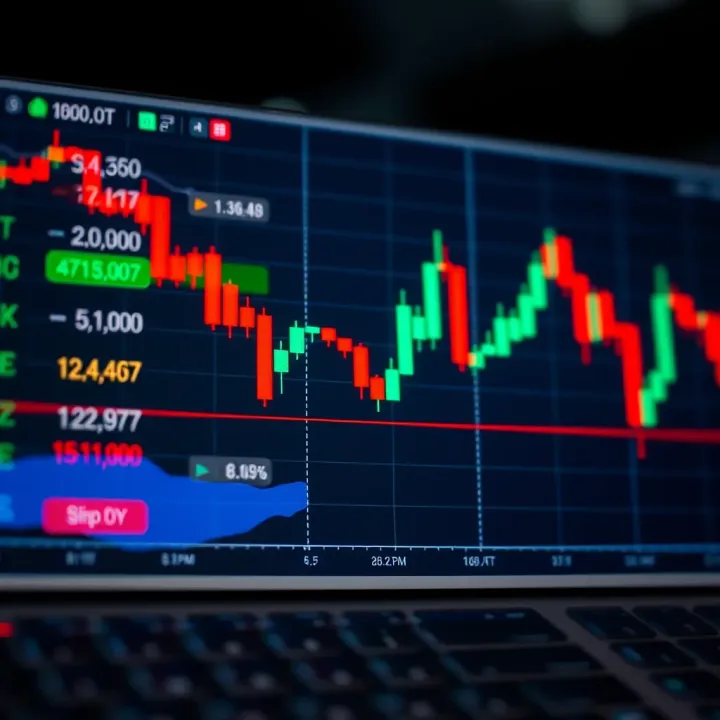
In practical terms, spotting this pattern on Nigerian stocks like MTN or Dangote Cement during a downtrend can signal a near-term reversal. The green candle “engulfs” the red one, suggesting buyers are overpowering sellers. Traders pay attention to this formation to enter long positions or capitalise on a rebound in prices.
This pattern reflects a sudden surge in buyer confidence after a period of weakness. Initially, sellers dominate, pushing prices down (the red candle). But when a larger green candle appears, it means buyers have stepped in strongly, reversing the earlier downtrend. This psychological shift suggests optimism returning among market participants.
For Nigerian traders, this is particularly relevant during seasonal market swings like the ember months, when sentiments can flip quickly due to economic factors such as currency fluctuations or policy changes. Understanding this helps traders recognise when to hold or buy after a brief dip.
The bearish engulfing pattern shows a small green candle followed by a larger red candle that covers the green one’s body entirely. This visual contrast signals a takeover by sellers from buyers. The red candle’s dominance after a small green one indicates growing bearish pressure.
In Nigerian markets, this pattern can often be spotted on oil-related stocks such as Oando or Seplat during a rally, signalling that the price may soon reverse downwards. Paying attention to this setup helps traders avoid being caught off-guard when optimism fades.
When a bearish engulfing emerges, it points to sellers forcing the price down aggressively after a short bullish period. This sharp turn is frequently driven by negative news or profit-taking. For instance, a sudden increase in naira volatility or adverse economic data may trigger selling pressure reflected in this pattern.
Recognising this early is helpful for Nigerian traders to exit positions or consider short selling. It also discourages entering long trades during uncertain conditions, lowering the risk of losses. In essence, bearish engulfing highlights heightened selling interest, often preceding a market downturn.
Correctly recognising bullish versus bearish engulfing patterns equips traders with practical insights to navigate market shifts and manage risks effectively, especially in Nigeria's dynamic trading environment.
Engulfing candlestick patterns serve as a sharp tool to decode market momentum shifts. Their ability to indicate when a trend may either reverse or gain strength makes them invaluable in Nigerian trading circles, especially given local market volatility and occasional news-driven price swings.
Engulfing patterns often signal that an ongoing trend is losing steam. For instance, after a prolonged upward run in a stock like MTN Nigeria, a bearish engulfing candle—where a large red candle fully covers the previous smaller green one—warns that buyers are losing grip and sellers might take over. This shift confirmation helps traders exit early to avoid losses.
Conversely, a bullish engulfing can appear at the tail end of a downtrend, suggesting sellers are tiring and buyers are gaining control. Such patterns alert traders to potential buying opportunities before price rises occur. In practical terms, recognising these signals early is crucial in Nigerian markets where price swings can be fast and sometimes sharp.
Nigerian equities, especially on the Nigerian Exchange (NGX), show regular volatility driven by corporate earnings announcements and macroeconomic news. Engulfing patterns here act as visual cues for traders to anticipate reversals, especially during ember months when firms release reports.
In the forex market, pairs like USD/NGN or EUR/NGN respond to Central Bank of Nigeria (CBN) policy changes and foreign exchange liquidity. A bullish engulfing in USD/NGN, for example, might indicate rising demand for dollars amid naira weakness. Traders who spot these patterns can position accordingly, either hedging or speculating on currency moves.
Though commonly associated with reversals, engulfing patterns can also signal strong trend continuation. For example, in a sustained rally like bullish momentum in Dangote Cement shares, consecutive bullish engulfing candles reinforce that buyers dominate, encouraging traders to hold or add to positions.
This happens as large engulfing candles reflect intensified market participation and renewed confidence in the prevailing direction. Recognising this helps traders avoid premature exits and capture more gains.
In Nigeria, trading agricultural commodities such as cocoa or cash crops like palm oil also benefits from engulfing pattern analysis. A bearish engulfing candle in palm oil futures might warn of a weakening price due to oversupply or export restrictions.
Similarly, bullish engulfing candles can signal rising demand or supply shortages, important flags for traders in local commodity markets. These patterns thus provide timely insights beyond equities and forex, helping traders diversify and manage risks effectively.
Engulfing candlestick patterns are not just signals of potential change but also affirmations of existing momentum. Their application across Nigerian markets—from equities to forex and commodities—makes them vital for informed trading decisions amid our unique market dynamics.
Integrating engulfing candlestick patterns into your trading strategy adds practical depth to technical analysis. These patterns signal potential market shifts, but on their own, they don’t provide the full story. Pairing engulfing patterns with other indicators improves the odds of a correct trade decision, especially in the fluctuating Nigerian markets where external factors like naira volatility and news events strongly affect prices.
Moving averages and volume analysis play important roles in confirming engulfing signals. For example, a bullish engulfing pattern forming near the 50-day moving average on the Nigerian Stock Exchange (NSE) can suggest that the overall trend may be resuming upward. If this pattern is accompanied by increased trading volume, it indicates stronger buying interest rather than a false signal. Conversely, a bearish engulfing pattern near a resistance level with rising volume might confirm genuine selling pressure.
Volume analysis alone can make or break the reliability of engulfing patterns. If volume is low during the formation of the engulfing candle, the pattern’s strength weakens. Nigerian equities such as Dangote Cement or MTN Nigeria often see bursts of volume that traders can track to verify these signals. Understanding how volume interacts with price action enhances your timing and confidence in market entries.
The Relative Strength Index (RSI) provides another layer of confirmation. RSI measures the speed and change of price movements, hinting when a security might be overbought or oversold. For instance, if a bullish engulfing pattern appears while RSI is below 30, this shows the asset was oversold, increasing the chance of a trend reversal. On the other hand, a bearish engulfing pattern alongside an RSI above 70 points to overbought conditions and likely price correction.
Using RSI with engulfing patterns reduces the risk of chasing trades too early or too late. Nigerian forex traders often pair these signals to better judge when to enter or exit positions amid the naira’s frequent swings against the dollar. Always remember that no single tool guarantees a profit, but combining candlestick signals with RSI offers a more balanced view.
Managing risk around engulfing signals is crucial given the inherent volatility of Nigerian markets. Engulfing patterns provide a clue, not a certainty, so placing stop-loss orders below the low of a bullish engulfing candle or above the high of a bearish one helps protect your capital. For example, if you spot a bullish engulfing candlestick in Flour Mills of Nigeria shares, set a tight stop-loss to limit losses if the signal fails.
Risk management also involves sizing your trades properly. Don’t allocate a large portion of your portfolio based on one pattern alone. Spread your risks and use engulfing patterns as part of a broader strategy.
Timing entries and exits in volatile markets requires patience and vigilance. Nigerian market hours and local events such as CBN policy changes or ember months spending affect price action heavily. Although an engulfing pattern signals a move, timing it without confirmation can lead to whipsaw trades — sudden price reversals that catch traders off-guard.
One practical approach is waiting for the close of the engulfing candle before deciding, combined with confirmations like moving averages or RSI. Also, observe how the market responds the next session. For instance, after a bullish engulfing on a NSE-listed banking stock, check if the price sustains upward momentum before buying. Exiting can be timed the same way, looking for bearish signals with accompanying high volume or RSI overbought areas.
Successful trading in Nigerian markets blends technical signals like engulfing patterns with sound risk management and respect for local market dynamics.
Knowing how to combine these tools will give Nigerian traders an edge, helping turn candlestick patterns into reliable entry and exit cues rather than guesswork.
Understanding engulfing candlestick patterns is one thing, but correctly interpreting them in Nigerian markets requires awareness of common pitfalls. Mistakes like misreading candle size or ignoring local market quirks can lead to poor trading decisions. This section highlights these errors and shows how to stay sharp, helping you avoid costly missteps.
Candle size alone doesn't tell the full story. The trading volume behind that candle and the prevailing trend provide crucial context. For instance, a large bullish engulfing candle on low volume might not signal a true reversal. On the Nigerian Stock Exchange (NSE), some stocks show sudden price jumps due to low liquidity rather than genuine market sentiment. So, checking volume alongside price action helps confirm whether the pattern signals a strong move or just noise.
Moreover, understanding the overall trend is key. A bullish engulfing candle appearing during a clear downtrend might be a sign of a reversal. But if it shows up in a choppy or sideways market, it may just be a temporary fluctuation. Combine this with volume data for better accuracy. Nigerian equities like Dangote Cement or MTN Nigeria often have sizeable volumes, making patterns there more reliable compared to thinly traded penny stocks.
Placing too much weight on one engulfing candle can mislead traders. The market moves in waves, so one candle shouldn’t be your only guide. You might see a bullish engulfing candle that looks promising, but if the next few candles fail to confirm that move, entering early could mean losses.
For example, a trader might jump on a bullish engulfing signal in Nigerian forex pairs like USD/NGN without watching subsequent price action. The naira’s frequent fluctuation often means the market reverses again quickly. Waiting for other confirmations or indicators alongside the candle pattern usually prevents premature trades.
The naira's instability directly affects the reliability of candlestick patterns in Nigerian forex and equities markets. Sudden policy changes by the Central Bank of Nigeria (CBN) or fuel scarcity disrupt normal price movements. These shocks can create engulfing-like candles that don’t represent real sentiment but rather temporary panic or speculative moves.
For instance, during periods when the CBN adjusts the official exchange rate, forex pairs show exaggerated candlestick formations. Traders relying solely on engulfing patterns without considering this volatility risk false signals. Understanding such macro factors improves pattern interpretation—don't just look at charts but pay attention to the broader economic context.
Volume on the NSE is uneven across stocks, which affects pattern dependability. Blue-chip stocks like Nestlé Nigeria or Airtel Nigeria have steady trading volumes, so chart patterns there are usually more meaningful. However, many smaller or mid-cap stocks often trade with low volume, and sudden big candles might stem from a single large trade rather than broad market moves.
Traders must adjust their expectations and tailor their strategy to each stock's liquidity. In some cases, a bullish engulfing candle on a thinly traded stock might be misleading. Monitoring volume trends and combining pattern analysis with price action prevents falling for deceptive signals in illiquid stocks.
Avoid rushing into trades based on engulfing patterns alone. Confirm with volume, trend, and Nigeria’s unique market factors before making any move.
With these considerations, your grasp of engulfing candlestick patterns becomes more robust, aligning your strategy better with the realities of Nigerian markets.
📈 Master all candlestick patterns in trading with our detailed guide. Learn how market moves shape signals for better trading decisions. Suitable for every trader.
Master candlestick patterns 📊 with this detailed guide! Learn key signals for price moves and grab a handy PDF to boost your trading skills in Nigeria.

📉 Learn to spot bearish candlestick patterns that signal market dips. Boost your trading skills with clear insights tailored for Nigerian traders! 🇳🇬

Learn how bearish reversal candlestick patterns signal price drops in trading 📉. Gain practical tips to spot trends and trade smarter in Nigeria’s markets.
Based on 9 reviews