
Complete Guide to Candlestick Patterns in Trading
📈 Master all candlestick patterns in trading with our detailed guide. Learn how market moves shape signals for better trading decisions. Suitable for every trader.
Edited By
James Thornton
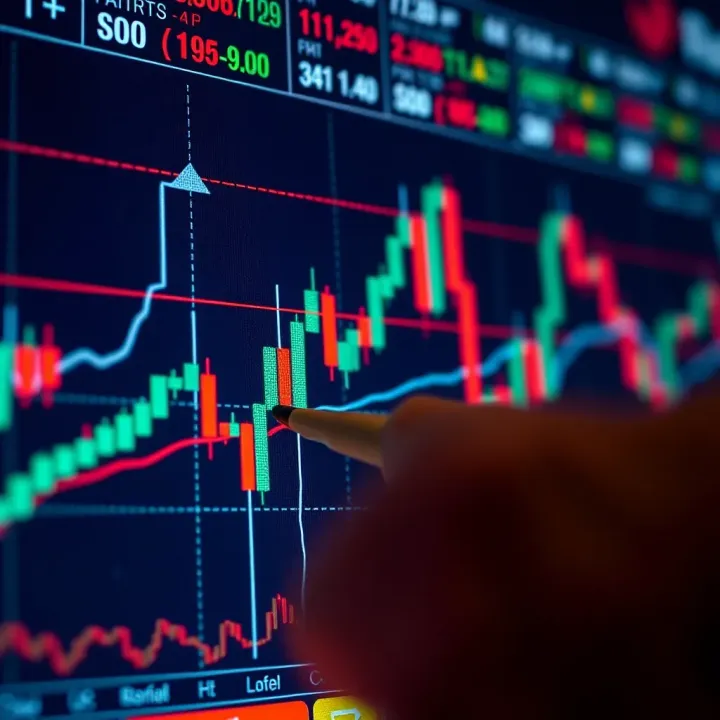
Candlestick patterns offer traders a simple yet powerful way to read market sentiment and forecast price movements. In trading, especially within the Nigerian stock market and global exchanges, recognising these patterns helps investors anticipate whether prices will rise or fall. Unlike traditional charts, candlesticks visually capture the open, close, high, and low prices within a set period, making them highly informative at a glance.
Each candlestick consists of a body and wicks (or shadows). The body represents the range between the opening and closing prices, while the wicks show the extremes reached during the trading period. For example, a long green (or white) body usually signals buying strength, whereas a long red (or black) body indicates selling pressure. These colour cues alone guide traders on market momentum.
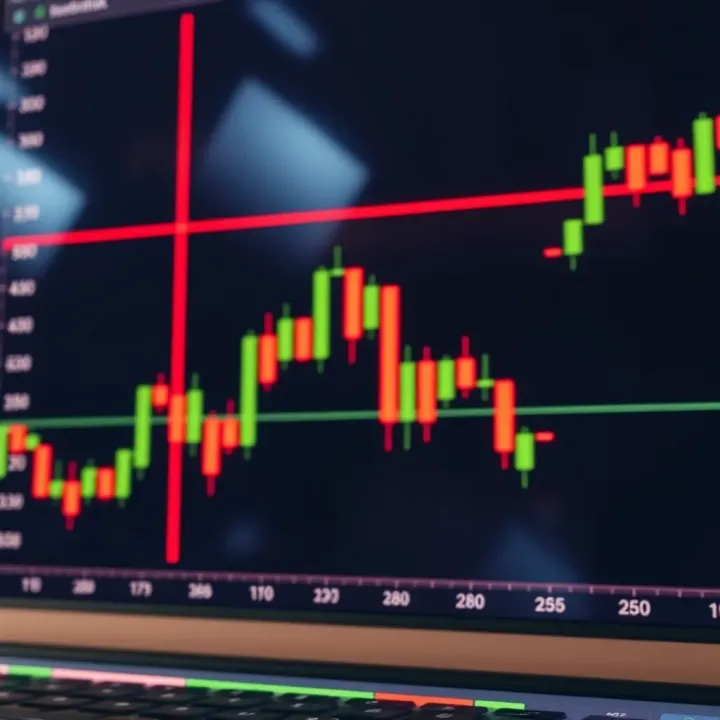
Understanding candlestick patterns involves recognising specific formations that occur over one or more candles. These patterns often signal a trend continuation, reversal, or indecision in the market. For instance, a 'Hammer' pattern appearing at a downtrend's bottom might warn of a potential bullish reversal. Conversely, a 'Shooting Star' near a price peak can hint at a coming bearish turn.
Skilled traders use these patterns not just individually but combined with other technical tools like support/resistance levels, volume, and moving averages to improve decision accuracy.
In Nigeria, with markets such as the Nigerian Exchange Group (NGX), these patterns are crucial due to volatile conditions influenced by local factors like currency fluctuations, political developments, and economic policies. Traders here often mix candlestick analysis with news from sectors such as oil, banking, and agriculture to gauge market direction.
Candlesticks provide clear visual signals of market sentiment and price action.
Recognising common patterns helps spot buying opportunities or exit points.
Combining candlestick signals with other analysis methods improves reliability.
Local market peculiarities like naira volatility often affect how patterns play out.
By getting familiar with candlestick basics and learning to spot high-probability patterns, traders can enhance their market timing and overall strategy effectively.
Candlestick charts form the backbone of many traders’ analysis because they provide a quick snapshot of price movements within a specific timeframe. In markets like the Nigerian Stock Exchange (NSE) or forex pairs involving the naira, understanding candlesticks helps investors grasp market sentiment and price momentum without needing to sift through complex data sets.
Each candlestick summarises four key price points during a trading period: the opening price when the market starts, the closing price when it ends, and the highest and lowest prices reached in between. For instance, if a stock opens at ₦250 and closes at ₦270 but dips as low as ₦240 and peaks at ₦275 within the session, one candlestick captures all this in a glance. This compression of information lets traders spot important price levels quickly.
The body of the candlestick shows the range between the open and close prices. A filled or coloured body typically means the price moved down (closed lower than open), while a hollow or green body indicates a rise (closed higher). The wicks, or shadows, reveal how far price extended beyond the open and close during the session. Long wicks might signal market indecision or potential reversals, especially when prices temporarily stray far from the closing level. For example, a long wick on the top of a candlestick in a rising market might warn traders of a looming sell-off.
Compared to line charts that only connect closing prices, candlesticks vividly display daily battle between buyers and sellers. The coloured bodies instantly tell whether bulls or bears dominated, which helps traders sense market mood without complex reading. In Lagos or Abuja trading rooms, this quick insight supports faster decisions amid volatile naira exchange rate swings.
Bar charts offer more data than lines but can get cluttered and miss the emotional cues candlesticks capture. For example, the presence of long shadows and distinct body sizes make it easier to spot patterns like hammers or engulfing formations, which hint at trend changes. This clarity reduces misinterpretation, a frequent pitfall especially during ember months when market noise spikes due to economic announcements or political events.
Properly reading candlestick charts empowers traders to act faster and more confidently, balancing technical details with the emotional pulse of the market.
In summary, mastering the basics of candlestick charts sets a strong foundation for anyone looking to navigate Nigeria’s dynamic trading scene effectively. Recognising what each candle tells you about price movements is crucial before moving on to more complex pattern analysis and strategy.
Candlestick patterns provide traders with visual cues about what might happen next in price movements. These patterns capture the battle between buyers and sellers, offering insight into potential trend reversals or continuations. For traders working within Nigerian markets, understanding these common patterns is key to making smarter decisions, especially since local stocks and forex can be quite volatile.
The Hammer appears after a decline and signals a potential bullish reversal. It has a small body near the top of the candle with a long lower wick, showing sellers pushed prices down but buyers regained control before the close. For example, if Guaranty Trust Bank (GTBank) shares have been falling steadily and a Hammer forms on the daily chart, this may hint at a buying opportunity.
The Bullish Engulfing pattern forms when a small bearish candle is followed by a larger bullish candle that completely ‘engulfs’ it. This indicates a strong shift from sellers to buyers. Nigerian traders watching the NGX (Nigerian Exchange) could spot this pattern to anticipate upward momentum in stocks like Dangote Cement. However, confirmation on volume or subsequent candles strengthens the signal.
The Morning Star is a three-candle pattern that warns of a reversal after a downtrend. It begins with a long bearish candle, followed by a small candle (could be bullish or bearish) reflecting indecision, and ends with a strong bullish candle. This pattern reflects hesitancy turning to buying pressure—useful when observing price action of forex pairs like USD/NGN.
After an uptrend, a Shooting Star signals potential weakness. It has a small real body near the bottom and a long upper wick, implying buyers pushed price high but sellers brought it down before the close. For instance, when MTN Nigeria shares rally and form a Shooting Star, traders might anticipate a pullback.
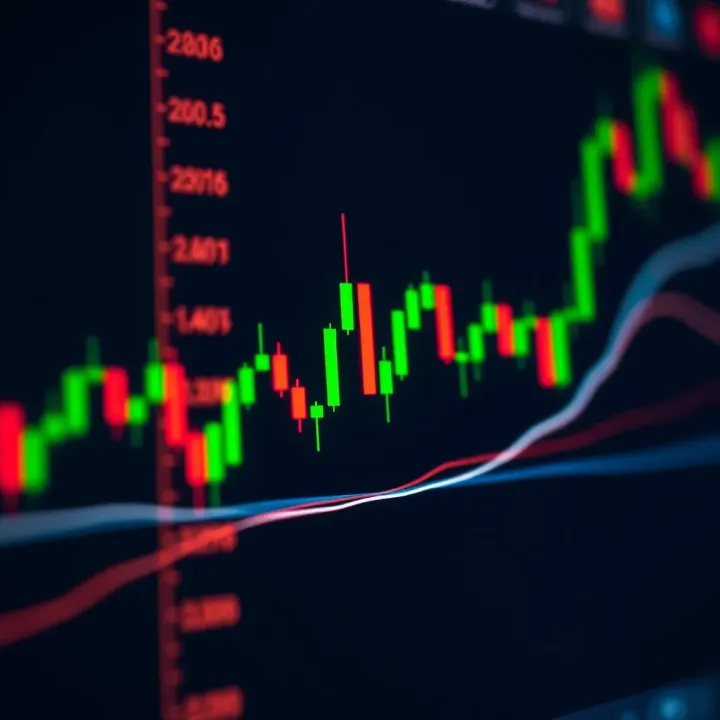
A Bearish Engulfing pattern occurs when a small bullish candle is swamped by a larger bearish candle the next day. This shows sellers have taken over, possibly preceding a decline. Seeing this in major Nigerian blue-chip stocks may warn traders to consider selling or tightening stop-losses.
Similar to the Morning Star but bearish, the Evening Star signals a likely downtrend after an uptrend. It consists of a long bullish candle, a small indecisive candle, then a strong bearish candle. For traders in Nigeria, this pattern on NSE equities could signal exit points to avoid losses.
A Doji forms when opening and closing prices are almost the same, showing market indecision. It can hint at a pause or potential reversal but needs confirmation. In the Nigerian market, spotting a Doji around significant support or resistance levels alerts traders to watch closely.
Spinning Tops have small bodies and long wicks on both sides, reflecting balance between buyers and sellers. This pattern often signals uncertainty but can precede a continuation or reversal depending on context and trend.
This bullish continuation pattern consists of three consecutive long bullish candles with small wicks, showing sustained buying pressure. Spotting this on Nigerian forex pairs or stocks like Zenith Bank suggests a strong upward trend, offering traders confidence to hold or enter long positions.
Mastering these patterns empowers traders to better interpret price action in Nigerian financial markets. Still, combining them with other tools like volume or support/resistance is advisable for more reliable trading decisions.
Candlestick patterns gain their real value when applied within the context of local market conditions, especially those of Nigeria’s financial markets. Understanding how these patterns behave amid unique trading hours, market volatility, and economic factors can improve decision-making for traders and investors. Knowing what to look out for in Nigerian Stock Exchange (NSE) stocks or Forex pairs helps refine strategies, reducing blind spots and boosting confidence.
Nigeria's market hours—usually 10:00 am to 2:30 pm WAT—are shorter than some global markets, which affects liquidity and price movement patterns. For instance, the abbreviated trading window often leads to bursts of activity immediately after market open and close. Candlestick signals at these periods require special attention, as patterns like hammers or engulfing candles can either confirm strong momentum or indicate early reversals.
Volatility is another factor that Nigerian traders must consider. The naira’s exchange rate swings, alongside macroeconomic news such as CBN monetary policy announcements or fuel subsidy changes, can spur abrupt price moves. Traders must factor in these external causes because candlestick patterns alone might mislead during high volatility; a shooting star might form as a temporary spike influenced by sudden news rather than a genuine bearish turn.
Candlestick patterns show different shades when applied to NSE stocks compared to Forex pairs like USD/NGN or EUR/NGN. NSE stocks tend to react sharply around earnings reports or political developments, so patterns emerging near such events demand careful validation. For example, a bullish engulfing pattern forming on a stock like Dangote Cement during a stable economic period may signal a genuine uptrend.
In the Forex market, patterns often reflect broader global influences coupled with local economic status. Nigerian Forex traders must weigh candlestick signals against currency pair-specific factors such as oil price fluctuations, as Nigeria is a major oil exporter. For instance, a doji pattern on USD/NGN chart amid global oil stress might indicate indecision, prompting traders to wait for further confirmation before committing.
Volume provides the weight behind price moves. In Nigerian markets, volume spikes often validate candlestick patterns. If a hammer forms on a NSE-listed stock with above-average trading volume, the chance that it's signalling a reversal is higher. Momentum indicators like the Relative Strength Index (RSI) help spot overbought or oversold conditions, enhancing the reliability of candlestick signals.
For example, imagine a bullish engulfing pattern appearing on Access Bank shares, but with declining volume and bearish momentum in RSI below 40. This discord might caution the trader against jumping in prematurely. Thus, combining volume and momentum with candlestick charts can filter out false alarms.
Support and resistance levels act as natural checkpoints for price action. Candlestick patterns forming near these levels carry more significance. Suppose a spinning top emerges near a well-established support level for MTN Nigeria stock—it might hint at price consolidation before an upward bounce.
Conversely, a bearish engulfing pattern near resistance zones signals stronger selling pressure. Traders on the NSE often watch ₦200-level resistance on stocks like Nestlé Nigeria closely; a clear bearish candle here can confirm profit-taking. Integrating these horizontal price lines with candlestick recognition guides entry and exit points more convincingly.
Applying candlestick analysis without considering local market hours, volume, momentum, and support levels limits trading success. Nigerian traders who combine these tools gain sharper insight and better navigate their markets.
In sum, mastering local nuances and blending candlestick patterns with other technical data equips Nigerian traders for smarter trades that fit their market’s pulse.
Candlestick patterns offer useful insights into market sentiment, but traders should be cautious about their limitations. Relying solely on these patterns without considering broader market context can lead to misinterpretation and costly mistakes. This section highlights the common pitfalls traders face, helping you apply candlestick analysis more effectively in Nigerian financial markets.
Candlestick patterns can sometimes produce false signals, especially in markets characterised by high volatility like Nigeria’s stock exchange or foreign exchange markets. For example, a bullish hammer might appear during sideways price action, but without a subsequent price rise, this pattern alone is unreliable. False signals often happen when traders interpret a single candle or pattern without considering volume or recent market trends.
Traders learn the hard way that acting on one isolated pattern can lead to premature entries or exits. In Nigerian markets, where unexpected news or liquidity issues influence price swings, ignoring this tendency can increase risks.
To reduce the impact of false signals, confirmation with additional candles or other indicators is essential. For instance, after spotting a bullish engulfing pattern, a trader should wait for the next candle to close above the engulfing candle’s high before entering a buy position. This extra step helps ensure that the market truly supports the anticipated move.
Confirmation might also involve checking technical tools like Relative Strength Index (RSI) or moving averages alongside the candlestick pattern. When patterns align with these indicators, traders gain confidence in the trade setup, especially in markets with lots of noise.
Economic data releases such as Nigeria’s inflation figures, CBN monetary policy decisions, or oil production reports can create sudden price movements that override candlestick signals. A pattern forming before a Central Bank interest rate announcement, for example, might become irrelevant once the news hits the market.
Traders must be aware of key economic calendars and avoid taking positions solely based on candlestick patterns during such events. Many Nigerian traders have lost money trading into announcements without waiting for the initial volatility to settle.
Unexpected factors, including fuel subsidy removals or shifts in petrol prices, can disrupt market sentiment dramatically. Such events often cause sharp price swings in equities, commodities, or forex pairs, making candlestick patterns less dependable.
Take the 2022 fuel hike in Nigeria; it triggered widespread market anxiety, with candlestick patterns failing to predict the sudden sell-offs. Here, understanding local socio-economic nuances proves crucial, as external shocks can temporarily override technical signals.
Traders should treat candlestick patterns as one tool among many, always factoring in news and broader market conditions before committing to trade.
By recognising these limitations and pitfalls, traders can avoid being misled by patterns alone. Combining candlestick analysis with volume data, trend context, and awareness of economic factors strengthens decision-making in Nigeria’s dynamic markets.
Mastering candlestick patterns is one thing, but applying them effectively in real trading takes skill and discipline. This section focuses on practical advice that helps traders use these patterns reliably, avoid common traps, and manage risk especially in the sometimes unpredictable Nigerian markets.
Before acting on any candlestick pattern, consider the bigger picture: the current market trend. Patterns tend to work best when they align with existing momentum. For example, a bullish hammer in a clear uptrend can reinforce confidence that prices will continue rising. Conversely, spotting a bullish pattern in a strong downtrend might signal only a temporary retracement, not a full reversal. Nigerian traders dealing with stocks like Dangote Cement or currency pairs such as NGN/USD should view patterns within broader trendlines rather than in isolation.
Context also matters regarding support and resistance. A shooting star near a known resistance level is more meaningful than the same candle forming elsewhere. Ignoring context can lead to premature or misguided trades, costing valuable capital.
Patience pays off. After seeing a candlestick pattern suggestive of a reversal or continuation, wait for a follow-up candle (confirmation candle) before entering a trade. This mitigates false signals that are common due to market noise, especially during volatile periods like ember months or around economic announcements.
Take a bullish engulfing pattern on an NSE stock, for example. You'd want the next candle to close higher, confirming buying interest, before stepping in. This approach helps Nigerian traders avoid being caught in retracements or fakeouts, which are frequent when markets react sharply to fuel price changes or political news.
Stop-loss orders are the lifelines of disciplined trading. When using candlestick patterns to enter a trade, placing a stop-loss limits possible losses if the market moves against you. A common method is to set the stop slightly beyond the wick of the pattern candle, ensuring natural price fluctuations don’t trigger premature exits.
For instance, if you buy based on a morning star pattern on a forex pair like NGN/EUR, your stop-loss should be under the lowest point of that pattern. This reserved risk approach protects your capital in case the signal proves wrong, helping you trade confidently without fear of big losses.
Market volatility, frequent in Nigerian financial markets especially during ember months or fuel scarcity crises, demands careful position sizing. Even strong candlestick patterns can fail when external shocks upset market balance.
Limiting the size of any single trade reduces exposure and preserves capital. If volatility spikes, scaling down trade volume — or sometimes sitting out — is wiser than chasing every signal. For example, when trading NSE equities during uncertain election seasons, trimming position sizes prevents large drawdowns that could wipe out weeks of gains.
Many Nigerian traders now rely on mobile apps for quick access to markets. Apps like GTBank’s app, Trove, or Bamboo provide decent charting tools including real-time candlestick charts. These tools allow you to spot key patterns directly on your phone without a laptop.
Good charting functionality means you can zoom in on candles, apply trendlines, and compare different timeframes to confirm setups. This flexibility helps traders react swiftly to market moves, which is vital for fast-paced stocks or FX markets.
Setting custom alerts based on candlestick patterns or price levels enhances trading efficiency. Apps like Chaka or Risevest allow notifications when a particular candle forms or when price hits a threshold, so traders don’t miss entry points.
This integration is valuable in bustling Nigerian environments, where distractions are plenty and monitoring charts every minute is impractical. Alerts help you stay on top of opportunities and manage trades more effectively, boosting overall performance.
Successful trading using candlestick patterns hinges not just on recognising the right setup but also on disciplined risk controls and smart use of technology tailored to Nigeria’s unique market dynamics.
📈 Master all candlestick patterns in trading with our detailed guide. Learn how market moves shape signals for better trading decisions. Suitable for every trader.
📉 Learn to spot bearish candlestick patterns that signal market dips. Boost your trading skills with clear insights tailored for Nigerian traders! 🇳🇬
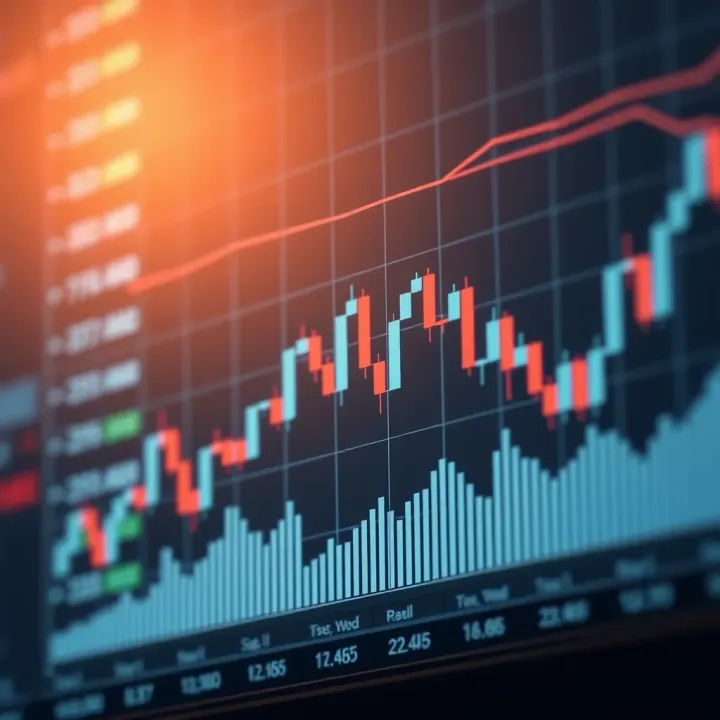
Learn how bearish reversal candlestick patterns signal price drops in trading 📉. Gain practical tips to spot trends and trade smarter in Nigeria’s markets.
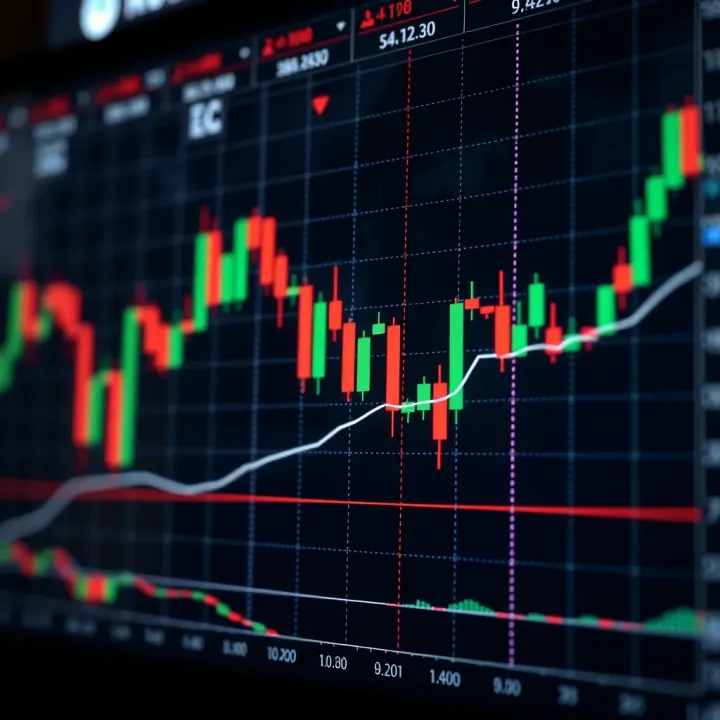
📈 Discover 35 key candlestick patterns for market analysis. Learn their formation, meaning, and how to spot signals to boost your trading skills in Nigeria.
Based on 5 reviews