
Complete Guide to Candlestick Patterns in Trading
📈 Master all candlestick patterns in trading with our detailed guide. Learn how market moves shape signals for better trading decisions. Suitable for every trader.
Edited By
Richard Foster
For anyone stepping into trading—especially in Nigeria’s bustling financial markets—understanding candlestick patterns can be a real game changer. These patterns provide clear visual clues about price movements of stocks, forex pairs, and commodities on the Nigerian Stock Exchange (NGX) or local forex platforms. Unlike plain line charts, candlestick charts show the open, close, high, and low prices for a given period, packed into a single shape.
Grasping these patterns helps traders anticipate market direction and make sharper decisions. For instance, knowing when a bullish pattern forms means you might be ready to buy before prices surge. Conversely, spotting bearish signs can save you from expensive mistakes.
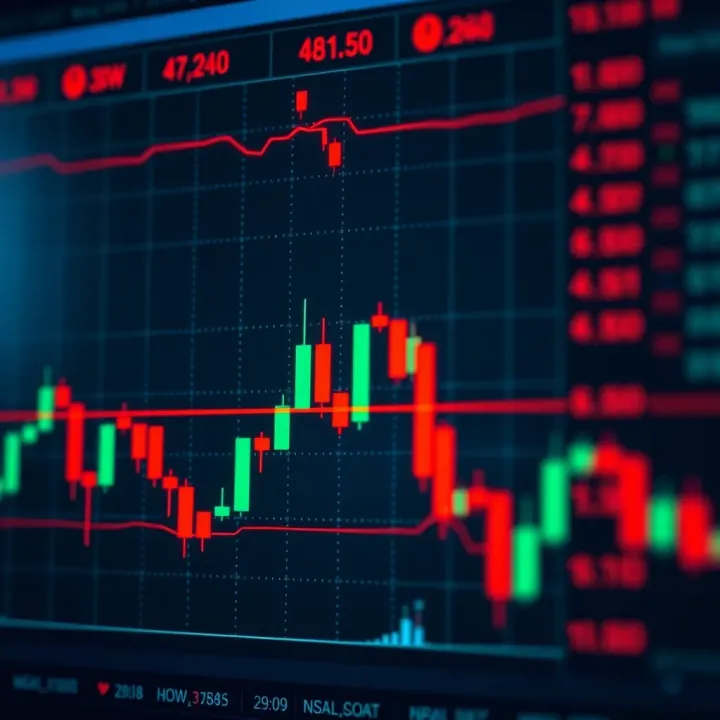
Candlestick charts condense hours of trading action into simple visuals, turning complex market data into easy-to-read signals for entry and exit points.
Here’s what to focus on as a beginner:
Structure of a candlestick: Each candle has a body and wicks (shadows). The body shows the opening and closing prices, while the wicks represent the highest and lowest prices traded.
Bullish vs. bearish candles: When the close is higher than the open, the candle is bullish (price gained value). The opposite is true for bearish candles.
Timeframes matter: Candles can represent minutes, hours, days—choose the timeframe that best suits your trading style.
In Nigeria, where market volatility can be influenced by factors like naira fluctuations, government policies, and global oil prices, mastering these charts gives traders an edge. For example, during ember months, when trading volumes spike, candlestick patterns can highlight strong buying or selling pressure.
This guide will walk you through common and practical candlestick patterns you encounter in daily trading on NGX, forex, or agricultural commodity markets. By reading these signs well, you can improve your timing and reduce guesswork when buying or selling.
Understanding these basics sets the foundation. Next, you’ll learn to recognise specific bullish and bearish formations crucial for Nigerian traders looking to sharpen their market moves.
Candlestick charts are a vital tool for traders wanting to make sense of price action in Nigerian markets. Understanding these charts helps traders quickly read market sentiment and price trends, which is crucial for making timely decisions in the volatile local equities and forex space.
Candlestick charts display price movements over a specific period by plotting 'candlesticks'. Each candlestick has components showing the opening price, closing price, highest price, and lowest price within that period. This visual format provides a snapshot of market activity, making it easier for traders to spot patterns and potential reversals.
Unlike line or bar charts, candlesticks deliver more detailed information at a glance. While line charts track only closing prices and bar charts represent complete highs and lows, candlesticks combine these elements with colour-coded bodies, so you can instantly tell if price closed higher or lower than it opened.
The basic anatomy of a candlestick includes four main parts:
Open: The price when the period starts
Close: The price when the period ends
High: The highest price reached
Low: The lowest price reached
These parts inform traders about buying or selling pressure during a session. For example, a candlestick with a long lower wick and a small body near the top suggests buyers pushed prices up after a dip, a potentially bullish sign.
Candlestick patterns provide a quick visual to interpret complex market data. For Nigerian traders dealing with frequent price swings, being able to gauge market emotions fast can mean the difference between profit and loss. Patterns like the bullish engulfing or shooting star help traders anticipate possible changes rather than react late.
Nigerian markets, especially in forex and equities, tend to be highly volatile due to factors like naira exchange rate fluctuations, policy changes by the Central Bank of Nigeria (CBN), or oil price shocks. Candlestick analysis suits such environments as it captures shifts in momentum and trader sentiment, providing clues to navigate choppy markets responsibly.
Many local trading platforms such as Chaka, Trove, and Bamboo, as well as popular forex apps like Oanda and MetaTrader used by Nigerian traders, support candlestick chart views. These platforms allow easy access to pattern recognition tools and historical data, making it simpler for beginners to practice and apply candlestick reading skills in real-time.
Mastering candlestick charts equips Nigerian traders with a sharper, more immediate understanding of price action, helping them make better decisions in fast-moving markets.
Understanding how to read basic candlestick patterns is essential for Nigerian traders keen on making informed trading decisions. Candlestick charts reveal price movements visually, allowing traders to grasp market dynamics quickly, which is critical in Nigeria’s often volatile equities and forex markets. Mastering these patterns helps you identify potential trend reversals and momentum shifts early, saving you from unnecessary losses and positioning you for better profits.
A bullish candle forms when the closing price is higher than the opening price, signalling buying pressure. Conversely, a bearish candle appears when the closing price is lower than the opening price, reflecting selling pressure. Recognising these shapes helps traders understand whether buyers or sellers controlled that trading period, giving clues about short-term momentum.
For instance, if you spot a long bullish candle on the Nigerian Stock Exchange (NGX) chart with a small wick, it means buyers dominated for that session — a potential signal to consider a buy. The reverse applies for bearish candles, indicating sellers have the upper hand.
The body of a candlestick shows the range between open and close prices. A larger body indicates strong buying or selling intensity, while a small body suggests indecision. The wicks (or shadows) display the highest and lowest prices during that period. Long upper wicks can imply sellers pushed price down after an attempt to rise, while long lower wicks suggest buyers intervened to support price.
In Nigerian markets, spotting a candle with a small body but long lower wick might indicate buyers stepping in despite initial selling pressure — something worth watching during volatile periods, especially in the forex market on platforms like Oanda or MT4.
Single candlesticks reflect immediate market sentiment. For instance, a bullish candle following a series of bearish candles may signal a shift in sentiment—buyers gaining strength. Traders should watch for extreme candle attributes — such as very long bodies or wicks — as these often suggest a battle between bulls and bears is reaching a point of resolution.
For example, after days of price decline on an NGX-listed stock, a hammer candle (a type of single candle with a long lower wick) might hint that buyers are ready to push price back up, providing an entry signal.
An engulfing pattern occurs when a candle’s body completely covers the previous candle’s body. A bullish engulfing happens when a large bullish candle swallows a smaller bearish candle, suggesting buyers are overtaking sellers. This pattern signals a potential reversal upward.
In the Nigerian forex market, you may notice a bullish engulfing pattern appear on the USD/NGN chart after a decline, indicating the naira might strengthen temporarily. Conversely, a bearish engulfing pattern warns of potential downward pressure.
A doji candle has a tiny body and almost equal open and close prices, often resembling a cross or plus sign. It shows market indecision where buyers and sellers are balanced. A doji after a strong trend may warn of a possible reversal or pause.
On NGX or forex charts, spotting a doji just before a price turn can alert Nigerian traders to get ready — either tighten stop losses or prepare to close positions.
Both look similar, with a small body and long lower wick. The hammer appears after downtrends, signalling potential bullish reversal; the hanging man appears after uptrends, warning of bearish reversal.
For instance, a hammer seen on the MTN share price chart after a fall may suggest buyers are stepping in. In contrast, a hanging man on a rising stock suggests caution as sellers may gain control.
These are three-candle patterns signalling strong reversals. A morning star is bullish: a bearish candle, followed by a small candle showing indecision, then a large bullish candle. It signals a market turning from downtrend to uptrend.
The evening star is its bearish counterpart, hinting at a top and subsequent fall. Nigerian traders using platforms like MT4 or investing in commodities like crude oil can rely on these patterns to time entry or exit points wisely.
Practising recognition and interpretation of these basic candlestick formations gives you a heads-up on market shifts, helping you trade smarter across Nigerian markets.
Use these patterns alongside sound analysis and risk management for the best results.
Understanding common bullish candlestick patterns is critical for Nigerian traders aiming to improve timing in buying decisions. These patterns act as visual cues indicating when the market sentiment might be shifting towards optimism, helping traders identify potential upward price movements. By mastering these patterns, beginners can navigate volatile local markets like the Nigerian Stock Exchange (NGX) or forex platforms with greater confidence.
How to spot them on charts: The hammer looks like a candlestick with a short body near the top and a long lower wick, resembling a hammer’s head and handle, while the inverted hammer has a long upper wick with a small body at the bottom. Both indicate buyers stepping in after sellers push prices down. These formations usually occur after a downtrend, signalling that selling pressure might be easing.
Typical market scenarios where they appear: In Nigeria, hammers often appear during price dips caused by market jitters like political uncertainty or economic news. For example, during the fuel subsidy debates, the oil sector stocks might drop sharply, but a hammer pattern at the bottom suggests buyers are ready to defend prices. The inverted hammer typically hints at potential market reversal, but confirmation is needed from following candles.
Example from Nigerian stock market: In early 2023, Dangote Cement showed a hammer pattern after a brief decline linked to global cement price drops. This pattern coincided with increased buying interest that eventually pushed the price upwards again, presenting a clear signal for patient investors who watch out for such patterns.
Pattern structure and indication: The bullish engulfing consists of a smaller red (or black) candle followed by a larger green (or white) candle that completely covers the body of the prior candle. This shows a sudden surge of buying interest overpowering sellers. It's a strong signal that buyers are regaining control.
How it signals potential trend reversals: When the bullish engulfing arises after a downtrend, it suggests a possible trend reversal from bearish to bullish. The large second candle reflects a decisive shift in market psychology, convincing many traders to enter long positions.
Practical use in forex trading platforms popular in Nigeria: Platforms like Oanda or FXTM, favoured by Nigerian forex traders, display these patterns clearly on their charts. Traders often combine the engulfing pattern with support levels to enter trades confidently, especially during volatile naira/dollar fluctuations when timing buy entries is important.
Components of the pattern: This pattern involves three candles: a long bearish candle, a small-bodied candle (which may be a Doji or spinning top), and a long bullish candle. The small middle candle signals indecision, while the third confirms buying strength.
Why it suggests a bullish turn: The morning star indicates exhaustion of selling pressure and fresh buying momentum. It is considered a reliable sign that a price bottom has formed and a new uptrend might start.
Real-life trading example: In 2022, UBA’s shares exhibited a morning star pattern during a general market dip. Traders who recognised the pattern ahead of the price rally were able to benefit as the stock reversed direction, reinforcing how this formation can be vital for Nigerian traders to catch early upward moves.
Mastering these patterns offers Nigerian traders a practical edge in both equities and forex markets, turning chart reading into actionable trading decisions. Look out for these signals on your trading app next tomorrow or during ember months when market action intensifies.
Bearish candlestick patterns are key to recognising potential downturns in the market. For Nigerian traders, knowing these patterns helps you avoid losses or time your exits well in volatile environments like the Nigerian Stock Exchange or forex platforms. These signals show when sellers dominate, often foreshadowing price drops, which can be especially useful given the price swings in commodities like crude oil or agricultural goods.
Visual traits to identify them: Both candles have small bodies near the day's low, with long upper wicks. The shooting star appears after an uptrend with a small real body at the lower end, symbolising a failed attempt to push prices higher. The hanging man looks similar but forms at the top of an uptrend, signalling potential reversal. Spotting these patterns quickly can alert traders about weakening bullish momentum.
Market conditions where they appear: These patterns usually form after a rally or strong upward movement. For instance, when Lagos-based shares surge on positive earnings but the market shows hesitation, these candles may appear. They indicate the buying pressure is fading, often preceding price pullbacks, especially during ember months when traders might be cautious.
Trading strategies based on these signals: When you see a shooting star or hanging man, consider placing a stop-loss just above the candle’s high to limit risk. It’s wise to wait for confirmation, such as a red candle on the next trading day, before acting. Many seasoned Nigerian traders combine these signals with volume drop or RSI divergence to avoid false alarms.
Pattern breakdown: This occurs when a large red (bearish) candle completely engulfs the previous smaller green (bullish) candle. It clearly shows sellers overwhelming buyers and usually marks a shift from uptrend to downtrend. On Nigerian forex charts dealing with USD/NGN, this pattern might mean the naira is about to weaken further.
Warning signs they provide for traders: Bearish engulfing signals caution—holding long positions can be risky. It suggests that selling pressure is increasing, likely to trigger short-term falls. Nigerian traders should pay attention especially during announcements like CBN monetary policy updates, where market sentiment can flip fast.
Examples from Nigeria’s equities or commodities market: For example, MTN Nigeria shares once showed a bearish engulfing pattern after a sustained rally, leading many investors to take profit. Similarly, in the oil sector, NNPCL shares reflected this pattern before a price slump amidst falling global crude prices.
Structure and interpretation: The evening star is a three-candle pattern. It starts with a large bullish candle, followed by a small-bodied candle that gaps up, and finally, a large bearish candle closing below the midpoint of the first candle. This signals a shift from buying to selling dominance and suggests a coming bearish trend.
Confirmation steps for bearish trend: Traders should look for confirmation the next day—such as a continuing downtrend or other indicators like declining volume or breaking support levels. Without this, the pattern might produce a false signal.
How to use this for exit strategies: Nigerian traders can use the evening star as a trigger to lock in profits or reduce exposure. For instance, during guber election months when market liquidity shifts, this pattern can warn against holding risky positions. Setting stop-losses just above the star candle’s high helps protect capital.
Mastering these bearish candlestick patterns equips you to anticipate market turns and protect your investments, especially in unpredictable Nigerian markets. Keeping a sharp eye on these can save you naira and position you ahead of the pack.
Mastering candlestick pattern analysis isn't just about recognising shapes on charts. It involves constant practice, combining these patterns with other technical tools, and managing risks properly, especially within Nigeria's fast-moving markets. These tips focus on realistic steps to help you sharpen your trading skills while dealing with local market quirks.
Begin your learning journey by using charts from Nigerian equities and forex platforms such as NGX, MTN shares, or the ₦/$ forex pairs on platforms like Oanda or IG Markets. These platforms reflect actual market conditions, including the volatility caused by local events like CBN policy shifts or political developments. Familiarity with this environment helps you recognise candlestick patterns in scenarios unique to Nigeria.
Demo accounts offered by platforms like Binance Nigeria or FXTM allow you to trade with virtual funds. This practice is crucial because it lets you spot patterns, test strategies, and make mistakes without risking your capital. Think of it as your trading gym — safe space for practising and building confidence.
Tracking and recording your trades becomes essential once you begin practising. Maintain a trading journal where you log entry and exit points, the patterns identified, profit or loss, and lessons learned. This habit not only improves your understanding of patterns but also highlights mistakes influenced by Nigerian market triggers, such as sudden naira devaluation or market pauses during ember months.
Candlestick patterns gain strength when used with indicators like moving averages (MAs), the Relative Strength Index (RSI), and trading volume. For instance, if a bullish engulfing pattern forms right above the 50-day MA with rising volume and RSI moving out of oversold territory, the buy signal is more credible.
In Nigeria, volume swings can be erratic due to irregular participation during festive seasons or market closures. Still, combining volume trends with candlestick patterns helps filter noise. Also, RSI can indicate overbought or oversold conditions amidst the unpredictability of local news that often impacts markets sharply.
False signals are common when the market moves wildly, such as during naira depreciation or fuel subsidy adjustments. To avoid being misled, avoid trading based on candlestick patterns alone. Confirm signals with multiple indicators and wait for clear confirmation before jumping in.
Remember: One reliable signal is better than several misleading ones when local market factors can cause sudden swings.
Set stop-loss orders strategically using the structure of candlestick patterns. For example, if you enter a trade after spotting a morning star, place your stop-loss just below the lowest point of the pattern. This approach limits loss while respecting the pattern’s significance.
Given the naira’s frequent volatility and inflation pressures, managing the size of your trades matters as much as spotting patterns. Never allocate more than a small fraction of your capital per trade to cope with unexpected market moves and costs, especially those related to transaction fees and forex spreads.
Lastly, train yourself to stay calm even when the market turns against you. Nigerian markets can be stressful, especially with unexpected political or economic news. Don't let emotions push you into chasing losses or overtrading; disciplined adherence to your strategy is key for long-term success.
With steady practice, smart use of tools, and strong risk control, you can harness candlestick analysis effectively in Nigeria’s unique trading space.
📈 Master all candlestick patterns in trading with our detailed guide. Learn how market moves shape signals for better trading decisions. Suitable for every trader.
Master candlestick patterns 📊 with this detailed guide! Learn key signals for price moves and grab a handy PDF to boost your trading skills in Nigeria.
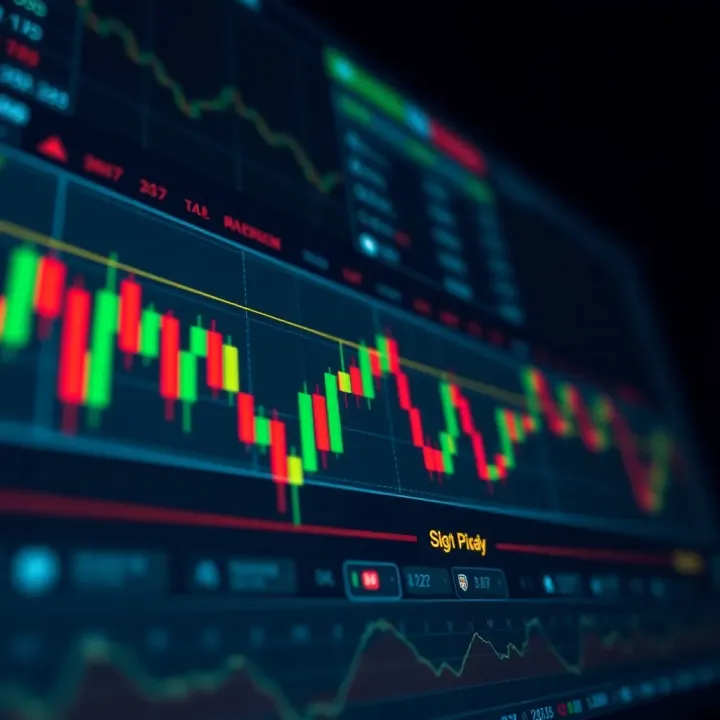
Learn essential candlestick patterns for smarter trading 📈. Access a detailed PDF guide with 35 key patterns to refine your market strategies today!
🤖 Explore how binary bots work in Nigeria’s trading scene, their pros and cons, key strategies, and tips for safe, smart automated trading choices.
Based on 7 reviews