

Understanding Forex Trading Robots in South Africa
🤖 Curious about forex trading robots? Learn how they operate, what risks to watch for, and tips for choosing reliable tools tailored to South African traders. 💹
Edited By
Oliver Bennett
In forex trading, the term swap refers to the interest paid or earned for holding a currency position overnight. When you keep a forex trade open past the daily cut-off time (usually 17:00 New York time), your broker either credits or debits your account depending on the interest rate differences of the two currencies involved.
To put it simply, a swap is the cost or gain from holding a position beyond one trading day. This comes from the fact that every currency has an interest rate set by its central bank, and these rates aren't usually equal across different countries. For example, if you’re trading the South African rand (ZAR) against the US dollar (USD), you’re exposed to interest rate differences between the South African Reserve Bank (SARB) and the US Federal Reserve.
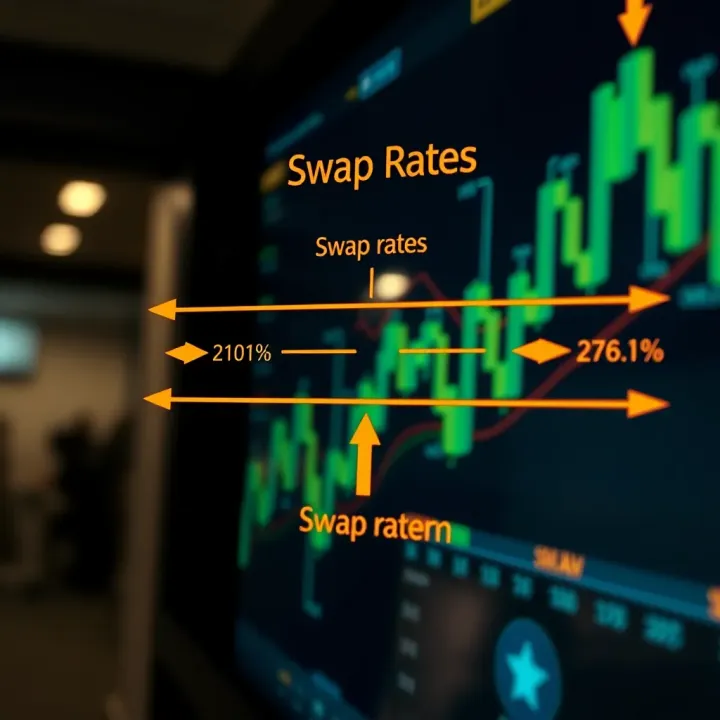
Swaps can work for you or against you — the amount paid or received may be small per trade, but it adds up over time and can influence your overall profit or loss.
Positive swap: You earn interest when the currency you bought has a higher interest rate than the currency you sold.
Negative swap: You pay interest when it’s the other way round.
This means if you hold currencies with higher rates in your portfolio overnight, you could effectively get paid for holding them. But if you hold currencies with lower rates, you might find the swap fees eating into your profits.
Say you buy USD/ZAR, meaning you’re buying USD and selling ZAR. If the SARB's interest rate is higher than the US rate, holding this trade overnight could result in paying swap fees. Conversely, selling USD/ZAR (selling USD and buying ZAR) might earn you positive swaps.
Most brokers show these swap rates clearly on their platforms, and they change daily based on global interest rates. South African traders should especially watch swaps due to SARB’s policy changes and their impact relative to major currencies.
Understanding swaps and how they impact your positions helps you better manage costs and returns, especially in volatile markets or when holding trades over longer periods. It’s a detail that can differentiate a savvy trader from a novice one.
Understanding swap is vital for forex traders as it directly affects the cost and potential profit of holding currency positions overnight. Swap represents the interest earned or paid for keeping a forex trade open past the daily cut-off time, reflecting the difference in interest rates between the two currencies involved in the trade. This makes swaps not just a fee but also an opportunity to manage trading expenses or income.
In the forex market, a swap is essentially the rollover interest applied to currency pairs when positions remain open overnight. Because every currency has its own interest rate set by respective central banks—like the South African Reserve Bank (SARB) for the rand—traders either pay or earn interest depending on the direction of the trade and the relative interest rates. For example, if you’re buying USD/ZAR, and the US interest rate is higher than SARB’s, you may earn a positive swap; the reverse could lead to a negative swap.
Swaps are calculated based on the notional value of the trade, the interest rate differential, and the number of days the position is held. Brokers add or subtract this as a swap rate, impacting overall trade costs and returns. It's common for brokers to adjust swap rates during weekends due to market closure, which traders need to account for.
Swaps play a fundamental role in forex transactions by bridging the gap between the interest rate policies of the two currencies involved. When you open a position, the broker records the trade’s overnight exposure. If the interest on the currency you have bought exceeds that of the one you sold, the broker credits your account; if not, it debits you.
This mechanism explains why some traders prefer to hold positions in high-yielding currencies against low-yielding ones to generate positive swap income—also known as carry trading. For instance, holding ZAR against a currency with lower interest might earn a positive swap payment. That said, swap rates can fluctuate with central bank changes or broker policies, so they shouldn’t be overlooked when planning longer-term trades.
Swap charges or credits can significantly influence the profitability of a trade, especially if held over extended periods. By understanding swaps, traders in South Africa can better position themselves to manage costs optimally and avoid surprises linked to overnight fees.
In summary, knowing what swaps are and how they connect to interest rates helps traders anticipate additional costs or gains linked to their forex positions. This understanding forms the bedrock for sound trading decisions and strategy formulation.
Understanding how swap is calculated and applied is key for any forex trader looking to manage costs effectively. The swap comes down to the interest rate differences between the two currencies in a currency pair. Traders either pay or receive swap charges based on whether they hold a long or short position overnight.
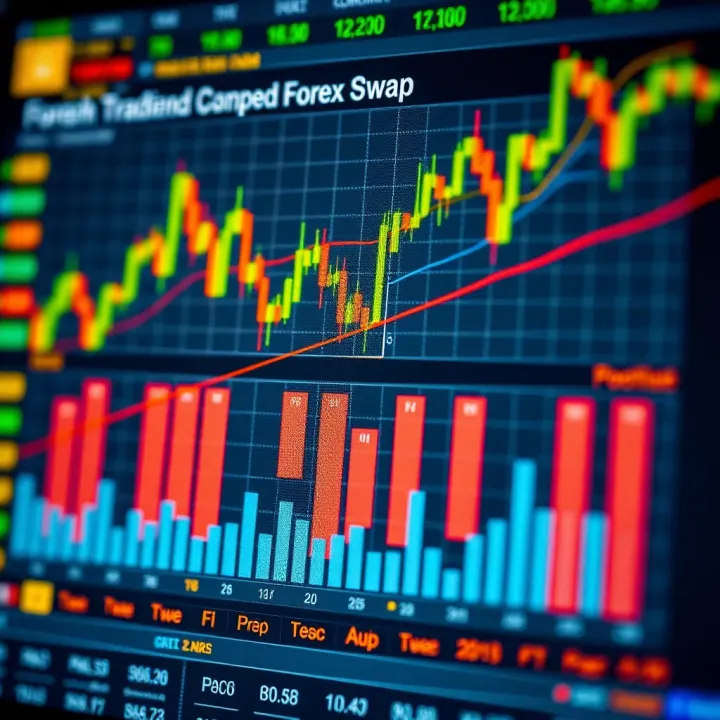
At the heart of swap calculations lies the interest rate differential between the two currencies involved. For example, if you are trading the USD/ZAR pair, and the US Federal Reserve interest rate is 5.5% while the South African Reserve Bank (SARB) rate is 7%, the difference drives the swap rate.
If you buy USD/ZAR (going long on USD), you’re essentially borrowing ZAR to buy USD. Since SARB’s rate is higher, you may pay swap fees because you’re borrowing at a higher interest rate. Conversely, if you sell USD/ZAR (going short on USD), you might receive swap credits due to the positive interest differential. Keep in mind brokers often adjust these rates slightly to cover costs and profits.
Interest rate changes in either country can cause swap rates to shift frequently. For South African traders, local cash rates and monetary policy announcements from SARB significantly impact swap pricing.
Swaps are typically applied each day at the close of forex trading — often just after midnight server time. Traders holding open positions beyond this point will either pay a swap charge or receive a swap credit depending on the interest differential and position type.
Here’s a quick breakdown:
Swap Debit: You pay interest when borrowing the higher-yielding currency.
Swap Credit: You earn interest when holding the higher-yielding currency.
For instance, if you open a long position on ZAR/JPY and SARB’s rate is 7% while Japan’s rate is near zero, you can earn a swap credit daily for holding the higher-yielding ZAR.
Certain brokers also apply triple swap rates on Wednesdays to account for the coming weekend’s interest. This means if you hold a position from Wednesday into Thursday, the swap cost or credit might be three times the usual daily rate.
Swap rates affect not only the cost of holding positions overnight but also the profitability of longer-term trades. In some cases, traders intentionally target positive swaps as a source of income, while others need to monitor negative swaps closely to avoid unexpected losses.
By keeping an eye on interest rate changes, swap schedules, and broker policies, South African traders can manage their forex positions in ways that reduce costs and enhance returns over time.
Swaps can significantly influence your overall costs and profits in forex trading, especially if you keep positions open overnight. Essentially, the swap is an interest fee or credit resulting from the interest rate difference between the two currencies in a pair. Understanding how swaps impact your trades helps you plan better and manage your expenses effectively.
A positive swap means you earn interest on your position, while a negative swap means you pay interest. This depends on whether you are buying or selling a currency pair and the difference between the interest rates of those currencies. For example, if you buy the USD/ZAR pair, and the US interest rate is higher than South Africa's rate, you might receive a positive swap. Conversely, if it’s the other way around, you’ll likely face a negative swap charge.
Swaps aren’t just theoretical numbers—they affect your real bottom line. Suppose you hold a long position in EUR/ZAR with a negative swap of -0.5 points daily. Keeping this position open for a week could cost you around R3, depending on your trade size, which adds up over time.
Remember, not all brokers calculate swaps the same way. Always check the swap rates on your trading platform to avoid surprises.
For traders holding positions longer than a day—like swing traders or position traders—swaps can make or break a trade. Negative swaps accumulate daily and can erode profits or deepen losses if not factored in. Some traders deliberately choose pairs with positive swaps to supplement their earnings or offset trading costs.
For example, a trader who holds AUD/USD might receive a positive swap if Australia’s interest rate exceeds the US rate, potentially enhancing overall returns over weeks. However, during times when interest rates shift, especially given recent monetary policy changes by SARB and the US Federal Reserve, swap values can fluctuate, impacting profitability.
Long-term strategies must thus include monitoring interest rate trends and broker swap policies. Ignoring swap costs can lead to unexpected reductions in gains or amplified losses, especially in volatile markets or when trading large volumes.
In brief, swaps play a fundamental part in the real cost of forex trading. Whether adding to profits with positive swaps or chipping away with negative ones, traders in South Africa need to understand and manage these charges carefully—especially given how local interest rates and broker terms can differ.
Swaps reflect the interest rate differences of currencies in your trade.
Positive swaps add to your returns; negative swaps cost you.
Swaps matter most to traders with open positions overnight—this is common in the South African trading community.
Regularly check swap rates with your broker as these can vary.
Factor swaps into cost and profit calculations, particularly for long-term trades.
Armed with this knowledge, you’ll trade forex with a clearer view of your risk and chance for reward.
South African forex traders need to grasp how swap rates affect their trading to manage costs effectively and optimise profit potential. Swap rates, the interest paid or earned on overnight currency positions, can either add to or subtract from a trade’s outcome. Understanding local economic factors and broker conditions helps traders make smarter decisions, especially in a market influenced by unique local interest rates and regulations.
Swap costs hinge largely on the interest rate differential between the two currencies in a forex pair. South Africa’s repo rate, determined by the South African Reserve Bank (SARB), plays a central role here. For instance, if the SARB repo rate is relatively high compared to the US Federal Reserve rate, holding positions in pairs like USD/ZAR could earn positive swap credits when long ZAR positions are held. Conversely, if SARB lowers rates, those swap credits shrink or turn negative.
To illustrate, when SARB repo rate was around 7%, traders holding a long ZAR position against a currency with a lower interest rate might have collected swap credits daily, effectively reducing their overall trading costs. However, with recent rate cuts aimed at stimulating growth, those perks may diminish, meaning traders might pay swap fees instead. This makes it crucial for South African traders to keep an eye on SARB’s monetary policy announcements as they directly sway swap outcomes.
Monitoring local rate shifts isn't just trivia—it's a practical necessity to anticipate swap charges and benefits.
Not all brokers offer the same swap rates or policies, so South African traders should carefully compare broker offerings. Some brokers use industry-standard swap rates linked directly to interbank rates, while others add a markup or spread affecting the final cost. Also, remember the swap-free accounts some brokers offer for religious reasons (e.g., Islamic accounts); these accounts typically remove swaps but might impose other fees.
When selecting a broker, consider:
Transparency: Look for clear disclosure on swap rates and when they apply.
Competitive rates: Compare typical swap charges or credits for frequently traded pairs, especially those involving ZAR.
Market accessibility: Assess how well the broker supports trading during South African hours and whether their platforms integrate well with local payment methods and R wallets.
A Johannesburg-based trader once switched brokers after finding their previous provider’s swap costs for USD/ZAR overnight positions were over double those of an alternative broker offering fairer conditions. This saved them hundreds of rands over several months—a tangible difference for active traders.
Smartly navigating swap conditions by considering both local interest rates and broker policies helps South African forex traders avoid surprise charges and capitalise on positive swap scenarios where possible, giving them a better shot at trading success.
Managing swap charges can save you money and improve your trading outcomes, especially if you hold positions overnight. Since swaps can eat into profits or even create a loss over time, understanding how to navigate these costs is a must for serious forex traders.
One effective way to reduce swap fees is to trade currency pairs that have favourable interest rate differentials. For instance, if the South African Reserve Bank's repo rate is higher than the US Federal Reserve’s rate, buying ZAR/USD might result in a positive swap, meaning you earn interest instead of paying it. However, this position carries risks if the exchange rate moves unfavourably.
Another strategy is to close your trades before the daily swap rollover time, which often falls around 10 pm SAST on most platforms. If you avoid holding positions past this cut-off, you sidestep incurring swap costs altogether. This tactic might not fit every trader’s style, especially for those running long-term trades, but it’s worth considering for short-term strategies.
Many brokers offer swap-free accounts aimed at traders whose religious beliefs forbid receiving or paying interest. South African traders sometimes use these accounts to eliminate swap fees, especially if holding positions long term. While swap-free accounts come with their own rules and sometimes higher spreads, they can be a good option where swaps would otherwise accumulate high costs.
Swaps might seem like a small fee at first, but over weeks or months, they can add up significantly. For example, a trader holding a short position on EUR/ZAR with a sizeable negative swap can see their profits dwindle or flip to losses purely due to overnight charges. Keeping an eye on the swap rate tables your broker provides helps you estimate these effects before entering trades.
It’s also essential to understand the
🤖 Curious about forex trading robots? Learn how they operate, what risks to watch for, and tips for choosing reliable tools tailored to South African traders. 💹
Learn how pips guide your forex trades 📉 in Nigeria 🇳🇬. Understand pip calculation, spot profit/loss, and make sharper trading choices with local market insights.

Discover how forex trading robots work in Nigeria 🇳🇬, their benefits, risks, and local regulations. Navigate automated currency trading smartly with real advice 📈💰.
📈 Learn how forex trading quotes work, their types, and what shapes exchange rates to trade smarter in Nigeria's market. Get practical tips for ₦ success! 🇳🇬
Based on 5 reviews