
Effective Forex Trading Tips for Nigerian Traders
📈 Explore practical forex strategies tailored for Nigerian traders. Master market analysis, manage risks, and boost trading success with proven tips!
Edited By
George Foster
Understanding forex trading quotes is essential for anyone looking to trade currencies in Nigeria’s dynamic market. These quotes tell you the price of one currency against another, and grasping their structure lets you make informed decisions.
A forex quote typically shows two currencies. For example, USD/NGN = 810 means one US dollar costs ₦810 Nigerian Naira. The first currency (USD) is the base currency while the second (NGN) is the quote currency. You buy or sell the base currency using the quote currency.
Quotes appear in two types: direct and indirect. In Nigeria, forex quotes like USD/NGN are direct because the price is shown in Naira. In contrast, EUR/USD is indirect for Nigerians, as it shows euros priced in US dollars.
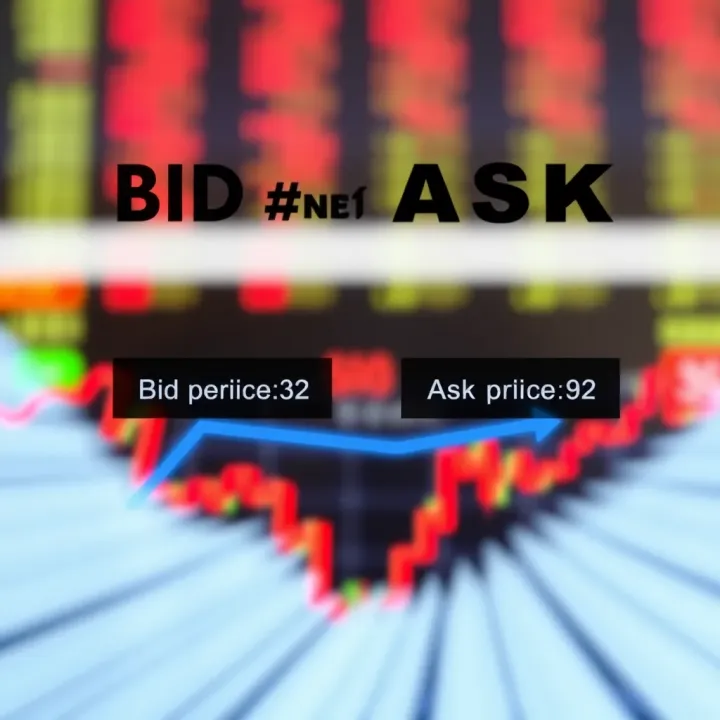
The quote consists of two prices: the bid and the ask. The bid is what brokers will pay for the base currency; the ask is the price at which they sell it. The small difference between these two is the spread, often a source of cost for traders.
"Knowing how to read forex quotes can save you from bad trades and fees that eat into your profits."
Several factors move exchange rates, including:
Central Bank policies, like CBN interest rates
Oil price fluctuations impacting Nigeria’s economy
Political events and election cycles
Supply and demand dynamics in local and global markets
For Nigerian traders, understanding these influences helps anticipate market moves. For instance, during fuel subsidy removals, the Naira often weakens against the dollar, affecting forex quotes.
To trade smarter, use live forex charts and tools from platforms like OANDA or MTN’s fintech apps. Track bid-ask spreads and watch for volatile news events before placing trades.
In summary, a solid grasp of forex trading quotes equips you to better navigate Nigeria’s foreign currency market, potentially leading to more profitable trading outcomes.
Understanding forex trading quotes is the foundation for anyone looking to trade currencies, especially for Nigerian traders dealing with the naira alongside major global currencies. These quotes convey the price of one currency against another, which directly affects trading decisions, profit margins, and risk management. Without grasping the basics, it's easy to misread the market or fall into costly errors.
A forex quote shows the value of one currency in terms of another. It's the price at which you can buy or sell a currency pair at a given moment. For instance, if the USD/NGN quote is 460, this means one US dollar costs ₦460. This single figure guides traders on whether to buy or sell, as it reflects the current market value.
Forex quotes are essential for currency trading because they connect two currencies in a pair, illustrating how much of the quote currency you need to get one unit of the base currency. Traders constantly monitor these quotes to react to market shifts caused by factors like Central Bank policies or economic news.
Forex trading always involves currency pairs. The first currency listed is the base currency, and the second is the quote currency. The quote reflects how much one unit of the base currency costs in the quote currency.
In the case of GBP/USD 1.38, it means one British pound costs $1.38. For Nigerian traders, the USD/NGN pair is most relevant, showing how many naira it takes to buy one US dollar. This means if the rate changes from 460 to 470, it now costs more naira to buy a dollar, which might influence importers, exporters, and investors differently.
The base currency is always the first currency in the pair and represents one unit you’re buying or selling. The quote currency, the second one, indicates how much of that currency you need to exchange for one unit of the base. For example, in EUR/USD 1.06, 1 euro costs $1.06. This structure helps traders understand the cost and exposure in international markets.
Knowing this is crucial when trading in Nigeria because the naira often appears as the quote currency. When you trade USD/NGN at 460, ₦460 buys one dollar. If the rate drops to 450, the naira has strengthened, making imports cheaper.

The bid price is what buyers are willing to pay for the base currency, while the ask price is what sellers want to receive. For example, if the USD/NGN bid is 459.8 and the ask is 460.2, buyers want to pay ₦459.8 per dollar, sellers want ₦460.2.
Understanding this difference helps traders know at which price they can sell or buy immediately. For Nigerian forex traders, these prices can change fast during market hours, especially when the Central Bank announces policy updates.
The spread is the difference between the bid and ask prices. Traders pay this cost when they enter a trade. A smaller spread means less cost and more efficiency, which is critical for frequent traders or those with tight margins.
In local terms, if the spread on USD/NGN is ₦0.4, that cost cuts into your potential profit. Choosing brokers with tight spreads can save you thousands of naira over time. Always be mindful of spreads, especially during times of high naira volatility or low liquidity, such as ember months when demand fluctuates.
Mastering the basics of forex trading quotes — understanding currency pairs, bid-ask prices, and spreads — equips Nigerian traders to make smarter decisions and navigate the forex market confidently.
Understanding the types of forex quotes is vital for any trader, especially in Nigeria where the Naira's position in the global market influences trading strategies significantly. Different quote types offer varied perspectives on currency values, allowing traders to assess opportunities, manage risks, and better time their trades.
A direct quote expresses the value of a foreign currency in terms of the local currency—in Nigeria’s case, the Naira (₦). For instance, if the USD/NGN rate is ₦750, that means one US dollar is worth ₦750. This format is straightforward for Nigerian traders because it shows clearly how much Naira they need to buy foreign currency.
On the other hand, an indirect quote shows the amount of foreign currency needed to buy one unit of the local currency. For example, an NGN/USD quote of 0.00133 means one Naira equals about 0.00133 US dollars. While less intuitive for local traders, indirect quotes are common in markets outside Nigeria and help traders understand currency strength from an outside perspective.
Since most Nigerian traders focus on direct quotes, understanding indirect quotes can still provide insight when dealing with global platforms or brokers based abroad.
A common direct quote is USD/NGN, showing how many Naira it takes to buy one US dollar. This is crucial as traders and importers track this rate closely because of Nigeria’s heavy reliance on the dollar for imports and foreign transactions. Similarly, the EUR/NGN rate represents how many Naira are needed per Euro.
An indirect quote related to the Naira may appear when looking at pairs like NGN/GBP (Naira to British Pound), which might be quoted as the amount of Pounds for one Naira. This can be confusing but gains relevance when Nigerian traders participate in platforms quoting currencies from the overseas angle.
Cross currency quotes refer to exchange rates between two foreign currencies that do not involve the Naira directly. These pairs are significant when Nigerian traders want exposure to other markets without converting through the Naira. For example, EUR/USD or GBP/JPY are popular cross pairs. Understanding these helps traders diversify beyond direct Naira pairs and spot wider market trends in foreign exchange.
Cross rates influence the Naira indirectly because large moves in major currencies affect demand and supply for the Naira itself. For example, if USD weakens against the Euro significantly (EUR/USD rises), it might affect the USD/NGN rate downstream, especially since the Naira is closely tied to the dollar’s movements.
Traders monitoring cross rates can anticipate changes in how the Naira performs against other currencies. This enables smarter hedging and better entry or exit points in the market. For instance, a sharp move in GBP/USD often signals upcoming volatility in GBP/NGN, so paying attention to cross currencies improves trade timing and risk management.
Knowing these quote types equips Nigerian traders with a versatile toolkit to navigate forex markets confidently, whether they're trading direct pairs or watching the global currency tides influencing the Naira.
Understanding what shapes forex trading quotes helps Nigerian traders make smarter decisions. Exchange rates don’t change randomly; they respond to economic indicators, government policies, political shifts, and global market movements. Knowing these factors lets traders anticipate potential changes and adjust their strategies confidently.
Inflation, interest rates, and GDP growth heavily influence exchange rates. For instance, when Nigeria’s inflation rate rises faster than those of trading partners, the naira usually weakens. That’s because higher inflation erodes purchasing power, making Nigerian goods less competitive abroad. Interest rates set by the Central Bank of Nigeria (CBN) also attract or repel foreign investment. If CBN raises its base rate, it can encourage capital inflow, strengthening the naira. Conversely, slower GDP growth may signal economic trouble, decreasing foreign investor confidence and hurting the currency.
CBN policies and naira stability have a direct impact on forex quotes, especially for traders focusing on naira pairs. The CBN controls foreign reserves, peg rates, and implements foreign exchange guidelines to stabilise the market. For example, periodic interventions to support the naira during volatility or setting limits on access to foreign exchange for imports curtail sudden currency swings. Knowing these policies allows traders to anticipate periods of artificial stability or sharp adjustments.
Elections, government changes, and civil unrest create uncertainty that affects exchange rates. Nigerian traders will recall how election seasons often come with naira volatility as investors adopt a wait-and-see stance. Sudden policy shifts or leadership changes may spark currency depreciation if markets doubt the new administration's economic direction. Similarly, unrest—whether in the north-east or key economic hubs like Lagos—can disrupt trade and scare off investors, weakening the naira.
Global crises and shifts in commodity prices also influence forex quotes significantly. Nigeria depends heavily on oil exports, so fluctuations in crude oil prices directly impact foreign exchange earnings. A slide in global oil prices usually leads to a weaker naira because it means less forex inflow. Additionally, external shocks like pandemics or wars affect global risk appetite and liquidity, pushing traders to either seek safe havens or dump risky currencies. Thus, Nigerian forex traders should track international news alongside domestic updates.
To trade forex successfully, Nigerian traders must pay attention not just to numbers on the screen but to real-world events shaping those numbers. Economic reports, CBN announcements, political developments, and global market trends form the backdrop for forex price movements.
Understanding how to read and use forex quotes is fundamental for any trader operating in the Nigerian market. These quotes provide the exact price at which currencies can be bought or sold, influencing the success of trading decisions. Mastering this helps traders spot profitable opportunities, manage risks effectively, and avoid losses caused by misreading market data.
Selecting a trustworthy broker is vital. Nigerian traders should prioritise brokers regulated by recognised authorities such as the Securities and Exchange Commission (SEC) Nigeria or international bodies. A reliable broker ensures fair trading practices, timely execution of orders, and transparent pricing. Platforms like MT4 or MT5 are popular because they provide real-time quotes, charting tools, and flexibility. Avoid brokers that offer unbelievably low spreads but have poor customer reviews, as this usually signals hidden charges or unreliable services.
Forex operates 24 hours, but trading activity shifts with market sessions. The London and New York sessions are the most active and offer higher liquidity, which tends to tighten spreads and improve price movement clarity. For Nigerian traders (WAT timezone), the US market opens late afternoon. Timing trades during these overlap periods can enhance profitability. On the other hand, trading in low-activity hours increases risks of erratic price swings and wider spreads.
The naira faces frequent fluctuations due to factors like CBN policies, global oil prices, and foreign exchange reserves. Nigerian traders should always calculate their position sizes carefully to avoid devastating losses when volatility spikes. Using stop-loss orders helps limit downside risks during sudden naira depreciations. Also, diversifying trades across currency pairs beyond the naira, like EUR/USD or GBP/USD, can reduce exposure to naira-specific shocks.
Confusing bid and ask prices can lead to poor trade entries. Remember, the bid price is where you sell, and the ask price is where you buy. The difference between these—the spread—is effectively a cost. Nigerian traders must factor spreads into trade planning; high spreads eat into profits, especially during volatile periods like ember months when naira liquidity tightens.
It’s tempting to trade frequently when prices jump wildly. However, overtrading often results from emotional reactions and can quickly wipe out capital. During times of economic uncertainty such as elections or CBN policy changes, it’s wiser to trade cautiously or step back altogether. Instead, focus on trades with clear setups and manageable risk, preserving capital for favourable conditions.
Being able to read forex quotes accurately and use them wisely separates experienced Nigerian traders from novices prone to costly mistakes.
📈 Explore practical forex strategies tailored for Nigerian traders. Master market analysis, manage risks, and boost trading success with proven tips!
🇳🇬 Discover smart forex trading tips & strategies tailored for Nigerian traders! Learn to pick brokers, manage risks, and trade confidently with ease. 📈
Explore proven forex trading strategies for Nigerians 🇳🇬, covering technical skills, risk management, and market psychology to boost your success 📈💡
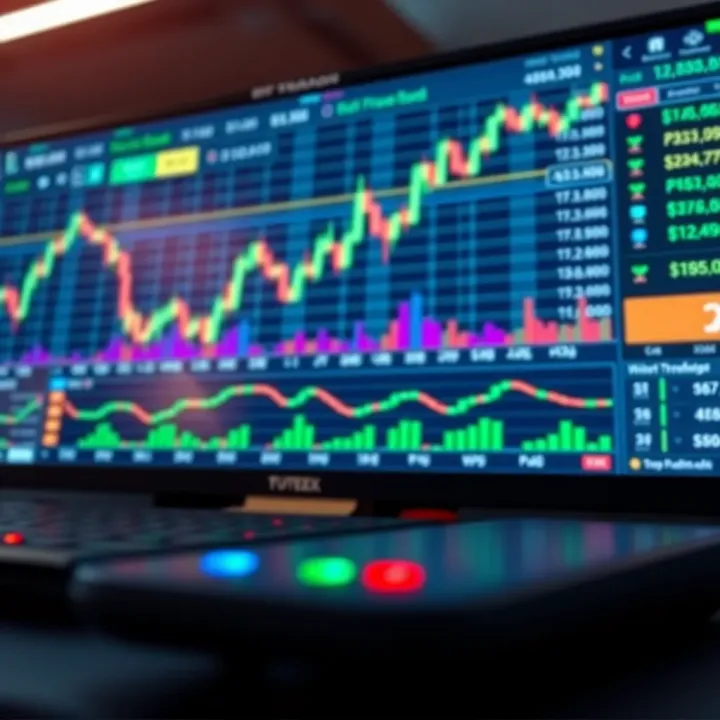
Looking for the best forex trading site in Nigeria? Discover how to pick secure platforms with low fees, great currency options, and reliable support 📈💰
Based on 9 reviews