
Effective Forex Trading Tips for Nigerian Traders
📈 Explore practical forex strategies tailored for Nigerian traders. Master market analysis, manage risks, and boost trading success with proven tips!
Edited By
Sophie Turner
Forex trading has attracted many Nigerians seeking to grow their savings or start making income beyond traditional businesses. The appeal lies in the promise of profiting from currency price movements. Yet trading manually requires deep knowledge, constant market monitoring, and quick decision-making. This is where forex trading robots come into the picture.
A forex trading robot, often called an Expert Advisor (EA), is software programmed to automatically execute trades based on set rules or algorithms. Instead of spending hours glued to charts, traders can rely on these robots to analyse data and place trades 24/7 without human fatigue or emotion.
For Nigerian traders, these robots offer practical convenience. With frequent power outages and unreliable internet that disrupt manual trading, an automated system running on a reliable server may keep your strategy active even when you cannot watch the market. That said, these tools don’t guarantee profit—they only follow programmed instructions and can still lead to losses if market conditions turn unfavourable.
Understanding how forex trading robots function and their limitations helps you make smarter decisions rather than blindly trusting automation.
Here are key points about forex trading robots relevant to Nigerian investors:
Algorithm-driven: Robots scan price charts and indicators, applying pre-set logic to decide when to buy or sell.
Emotion-free trading: They avoid impulsive moves driven by fear or greed common among humans.
Customisable strategies: Traders can input their own rules or use pre-built ones suited for various market conditions.
Market monitoring: Robots can watch multiple currency pairs simultaneously and execute orders instantly.
Vulnerability to market spikes: Sudden economic or geopolitical events, common in Nigeria’s volatile environment, may cause erratic moves that robots might not handle well.
In sum, forex trading robots can supplement your trading toolkit, especially if you want systematised, continuous market engagement. However, they are no substitute for understanding the forex market basics and keeping an eye on performance. Later sections will discuss benefits, risks, and advice on selecting and using forex robots in the Nigerian context.
Understanding what a forex trading robot is and how it operates is essential for Nigerians interested in automated forex trading. These robots are software programs designed to manage trades without manual intervention, which helps traders save time and reduce emotional decisions. In the Nigerian context, where internet reliability and power issues sometimes pose challenges, forex robots can keep trading active even when you are offline.
A forex trading robot automates the process of buying and selling currencies by following a programmed set of rules. Instead of the trader staring at charts all day, the robot scans market data, analyses price movements, and executes trades automatically. For example, a trader in Lagos can set a robot to buy USD/NGN when certain conditions match, allowing continuous market participation without constant supervision.
The core of forex robots lies in algorithms that use technical indicators like Moving Averages, RSI (Relative Strength Index), and MACD (Moving Average Convergence Divergence). These indicators help the robot interpret market trends and decide trade entries or exits. For instance, if the RSI signals that a currency pair is oversold, the robot might trigger a buy action. These algorithms rely on historical data, which means understanding the limits of past trends influencing current decisions is crucial.
Fully automated robots manage every stage of the trade from analysis to execution without trader input. This suits those who cannot dedicate time daily but want to benefit from forex trading. Semi-automated robots, however, require trader approval before confirming trades, offering more control but also needing more attention. In Nigeria, given erratic internet and power, some traders prefer semi-automated options to avoid unexpected losses when connectivity drops.
MetaTrader 4 (MT4) and MetaTrader 5 (MT5) are among the most popular platforms supporting forex robots, widely used in Nigeria. These platforms offer user-friendly interfaces, allowing traders to deploy robots easily. Other software, such as NinjaTrader and cTrader, provide advanced features but may require more technical know-how. Choosing the right platform depends on your trading style, technical comfort, and local broker compatibility.
Knowing how forex robots work and the types available helps Nigerian traders make informed choices, balancing automation benefits with local market realities and personal preferences.
Forex trading robots come with key benefits that appeal to many Nigerian traders, especially given our unique market conditions. Their ability to operate without emotional interference and trade continuously offers practical advantages that manual trading often lacks. This section explains why these tools have become popular and what Nigerians should expect from using them.
How automation reduces trader errors: One major challenge for many Nigerian traders is making decisions based on emotions rather than analysis. Fear of losses or greed during volatile market swings often leads to costly mistakes. Forex robots follow strict algorithms without getting shaken by market noise or news hype. This means trades execute exactly as programmed, avoiding impulsive actions triggered by stress or overconfidence.
Consistency in executing trades: Emotional ups and downs cause manual traders to deviate from their strategies, risking inconsistent results. A robot, on the other hand, consistently applies its rules every time. Such uniformity helps investors develop a disciplined approach vital for long-term success. For example, a trader in Abuja using a forex robot will find it easier to stick to a tested strategy than constantly second-guess trades based on market rumours or personal feelings.
Access to global forex markets anytime: Forex markets never sleep; they operate 24 hours across different countries. Nigerian traders can potentially earn profits outside typical working hours by using trading robots. Whether markets in London, New York or Tokyo are active, robots can monitor and execute trades uninterrupted, ensuring no opportunity is missed.
Benefit amid Nigeria’s power and internet challenges: Regular power cuts and unstable internet are realities here. Forex robots hosted on cloud-based platforms or servers elsewhere can trade autonomously without depending on constant local power supply or internet connection. For instance, while a trader's laptop remains off during a blackout in Lagos, the robot can keep working remotely, making trades and monitoring positions until power and connectivity are restored.
Automated trading reduces human error and keeps trades going regardless of local disruptions, offering a pragmatic solution Nigerian traders can appreciate amidst everyday challenges.
In summary, while forex trading robots aren’t a magic wand, their ability to eliminate emotional bias and trade nonstop offers practical benefits for Nigerian traders. Understanding these advantages helps set realistic expectations and guides effective utilisation of this technology in our market.
Forex trading robots offer convenience, but it’s essential to understand their risks and limitations. Many Nigerian traders dive into automation expecting guaranteed profits, but the reality requires caution and realistic expectations. Knowing where these robots fall short helps you avoid costly mistakes.
Automated trading systems depend heavily on programmed algorithms. However, unusual market swings can throw them off balance. When sudden events—such as geopolitical tensions or unexpected Central Bank announcements—cause sharp price movements, robots may trigger inappropriate trades or fail to react swiftly. For example, during the 2020 oil price crash, many automated systems suffered losses because their strategies weren’t built to handle such extreme volatility.
Moreover, many forex robots base their decisions on historical price data. They analyse past trends to predict future movements, assuming that patterns tend to repeat. This reliance on historical data means they can struggle when markets behave differently due to new economic policies or crises. The 2023 Nigerian naira volatility, partly driven by currency restrictions and external shocks, presented challenges that some robots failed to adapt to promptly.
Not all forex robots available in Nigeria are trustworthy. Identifying unreliable providers helps protect your investment and time. Some providers promise high, quick returns with little effort, which should raise suspicion. Beware of platforms lacking transparent trading histories, unclear ownership, or those pushing aggressive marketing without verifiable performance.
Common red flags in Nigeria’s forex market include exorbitant upfront fees, limited customer support, and lack of proper licensing from regulatory bodies such as the Securities and Exchange Commission (SEC). Scam operators often rely on social media hype and testimonials that could be fake or exaggerated. Nigerian traders have shared stories of losing ₦500,000 or more to such schemes during ember months, often driven by the temptation of fast gains.
Before committing funds, always perform due diligence. Check performance verifications, test robots on demo accounts, and stick to reputable brokers.
Understanding these risks and limitations equips you to navigate forex trading robots better. Automation can help, but it is no replacement for informed decision-making and vigilance in the Nigerian market.
Understanding the regulatory and legal environment is vital for anyone involved in forex trading in Nigeria, especially when using forex trading robots. These rules shape how traders and service providers operate and protect investors from fraud and malpractice. Without a clear grasp of these considerations, traders risk falling into traps that not only threaten their funds but also violate local laws.
The Central Bank of Nigeria (CBN) sets essential guidelines regulating forex trading activities in the country. Importantly, these rules often focus on how forex transactions are conducted, mandating the use of authorised dealers or brokers and limiting unlicensed foreign exchange dealings. For instance, the CBN requires all forex transactions to run through approved platforms or banks to ensure traceability and reduce illicit fund flows.
This regulatory framework directly impacts traders using forex robots because these automated systems must connect with brokers licensed by the CBN or recognized authorities. Platforms that do not comply with CBN rules may face sanction, meaning trades could be blocked or accounts frozen, posing real risks to traders’ capital and earnings.
Forex trading robots depend heavily on smooth and legal integration with broker platforms. If the broker lacks proper licensing from CBN or the Securities and Exchange Commission (SEC), the robot’s trades might not execute as expected or could even be reversed. Consequently, Nigerians using such robots face the risk of legal repercussions or loss of funds due to unregulated practices.
Moreover, the CBN’s evolving stance on cryptocurrencies and speculative forex instruments also affects robot users. Since some robots trade crypto or leveraged forex pairs, traders must stay updated on current CBN policies to avoid penalties. Being aware of these regulatory constraints helps traders choose compliant robots and brokers, reducing chances of sudden disruptions or legal troubles.
Working with brokers licensed by the CBN or other regulatory bodies like SEC is non-negotiable for security and legality. Licensed brokers are subject to oversight and must meet standards on capital adequacy, transparency, and customer protection. For example, they are required to segregate clients' funds and report suspicious transactions to relevant authorities.
Choosing a licensed broker not only ensures that your forex robot’s trades are properly executed but also provides recourse if disputes or fraud arise. In contrast, unlicensed brokers in Nigeria's forex space tend to operate in grey areas, increasing the likelihood of scams and fund losses. Always verify broker registration status through official CBN or SEC sources before committing funds.
Security of personal and financial data is a significant concern in the digital trading space. Forex robots often require access to your trading account, meaning they handle sensitive information. Trusted brokers and platforms implement robust encryption measures and comply with data protection regulations to safeguard traders’ details.
Nigerian traders should never share login credentials or sensitive data with unknown third parties. Additionally, using brokers and robots with secure authentication processes—like two-factor authentication—helps prevent unauthorised access. Staying vigilant about data protection protects you from identity theft, fraud, and unwanted financial exposure.
Only engage forex robots and platforms that are transparent about their regulatory status and data security measures. This practice safeguards your investment and reduces your risk in Nigeria’s rapidly growing but complex forex market.
Forex trading robots can ease the complexities of currency trading in Nigeria, but they also carry risks. These tips aim to guide you in selecting and using forex robots wisely, helping you avoid pitfalls common in the Nigerian market while maximising benefits. Practical advice on reliability, risk management, and expectations can help you protect your funds and make better trading choices.
Before committing money, it’s essential to check the track record of any forex robot. Reliable robots should have transparent performance data, showing returns over diverse market conditions. For example, a robot that only shows profits during calm markets may struggle during the naira’s volatile phases or global shocks. Look for evidence of consistency, not just occasional big wins.
Nigerian traders often share experiences on platforms like Nairaland or forex forums. While some reviews may be biased, patterns of user feedback can help identify dependable robots versus those promising unrealistic returns. Check for verification from trusted third-party sites that test trading software.
Demo accounts simulate real forex trading without risking your capital. Testing a robot on demo platforms like MT4 or MT5 lets you observe its behaviour in real market conditions. It helps expose flaws, such as overtrading or failure to adapt when currencies like USD/NGN shift unexpectedly.
For instance, a trader might run a robot on a demo account for several weeks to measure drawdowns and profitability during ember months, when market volatility increases. This trial phase is crucial as it permits adjustments or complete rejection of underperforming robots before committing real naira.
Trading robots do not guarantee quick riches. In Nigeria’s forex scene, where economic and market factors change rapidly, expecting daily huge profits is unrealistic. Setting moderate aims—say 5% monthly return—helps avoid reckless behaviour and conserves capital during hard times.
Being patient means understanding that periods of loss or smaller gains are normal. Appreciating this helps you keep emotions in check and prevents you from switching robots or strategies impulsively, which many Nigerian traders get tempted to do after seeing a few bad days.
While automation saves time and limits emotion-driven mistakes, it is unwise to leave robots running unchecked. Regular manual reviews help catch unusual market conditions poorly handled by the software.
For example, during CBN policy announcements or sudden naira devaluations, manual intervention can pause trading to avoid losses. Combining robot use with your own analysis lets you balance technology with human judgement, offering more control over your investments and reducing exposure to risks associated with blind trust in automation.
Using forex trading robots smartly requires a balance of research, testing, and control. Well-informed decisions protect your money and maximise the chances of success in Nigeria’s challenging forex market.
📈 Explore practical forex strategies tailored for Nigerian traders. Master market analysis, manage risks, and boost trading success with proven tips!
🇳🇬 Discover smart forex trading tips & strategies tailored for Nigerian traders! Learn to pick brokers, manage risks, and trade confidently with ease. 📈
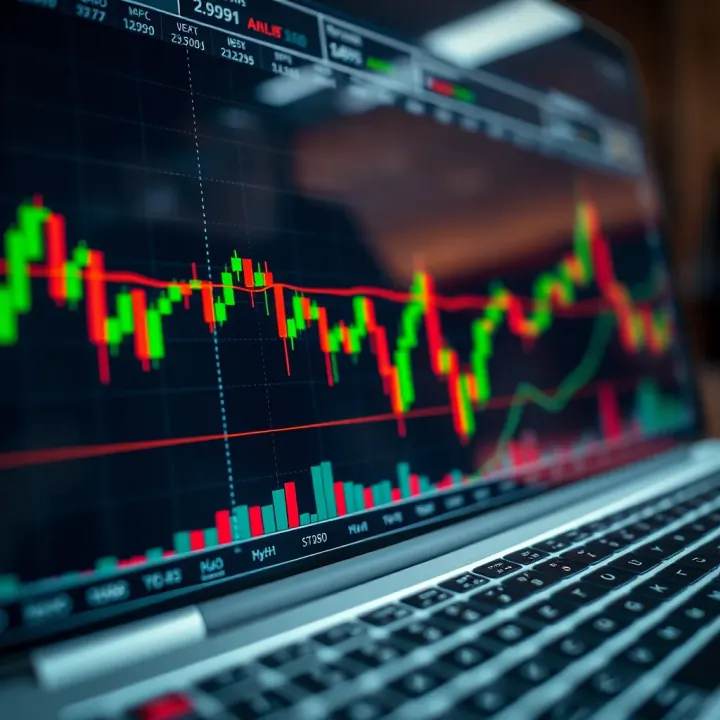
Explore proven forex trading strategies for Nigerians 🇳🇬, covering technical skills, risk management, and market psychology to boost your success 📈💡
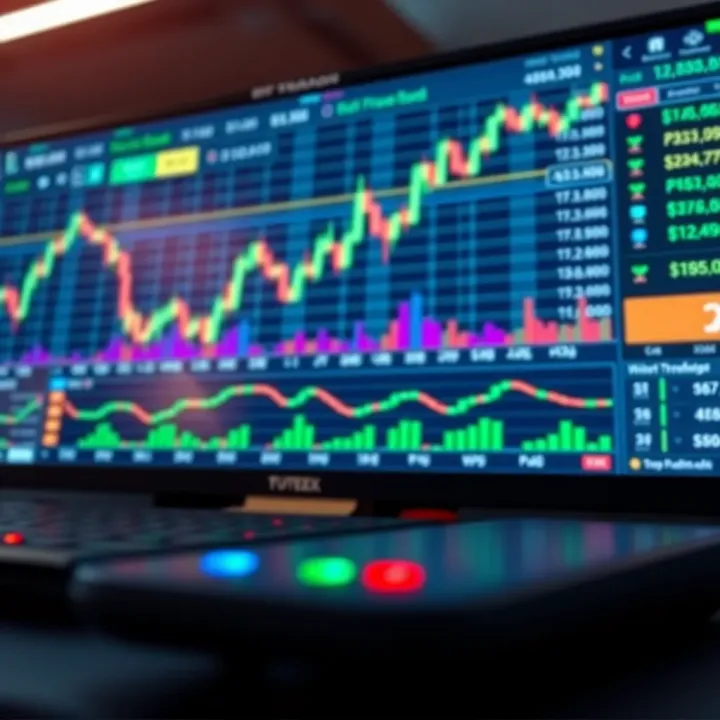
Looking for the best forex trading site in Nigeria? Discover how to pick secure platforms with low fees, great currency options, and reliable support 📈💰
Based on 7 reviews