
How to Succeed in Forex Trading in South Africa
📈 Master forex trading with practical tips for South African traders! Learn local market steps, risk management, analysis tools & disciplined habits for steady success.
Edited By
Emily Clarke
Forex trading, at its core, is buying one currency while simultaneously selling another. Traders aim to profit from fluctuations in exchange rates between these currencies. For South Africans, forex trading offers a way to engage with the global economy beyond just the rand (ZAR).
Forex operates through pairs, for example, EUR/ZAR or USD/ZAR, where the first currency is bought and the second sold. Understanding these pairs is essential — if you believe the euro will strengthen against the rand, you buy EUR/ZAR.
The market runs 24 hours on weekdays because currency trading happens worldwide. South African investors can tap into this through brokers who offer access to international forex platforms. Many brokers also provide tools that help analyse market trends and manage risk.
Be aware that forex is highly volatile and can amplify both profits and losses. With markets shifting quickly, especially during global events or economic announcements, it’s crucial to have a clear strategy and strong risk controls.
Central banks, such as the South African Reserve Bank (SARB), which influence currency values via monetary policy.
Commercial banks and financial institutions executing large orders.
Retail traders like you, operating through regulated brokers.
Local regulation means South African traders should choose brokers authorised by the Financial Sector Conduct Authority (FSCA). This helps ensure safer trading conditions and adherence to market standards.
When starting out, focus on understanding basic concepts like pips (price changes), leverage (borrowed funds to increase market exposure), and spreads (difference between buy and sell prices). South African traders should also consider forex trading’s impact on tax reporting and ensure compliance with the South African Revenue Service (SARS).
Overall, forex trading isn’t a quick scheme—it requires knowledge, patience, and ongoing learning. But with the right approach, it can be a practical addition to an investor’s portfolio, providing exposure to global economic shifts beyond local markets.
Forex trading, at its core, is about swapping one currency for another, with an eye on making a profit as exchange rates shift. Imagine a local retailer in Johannesburg needing to buy goods from China – they’ll convert rand to yuan. This is practical currency exchange. But forex trading takes it a step further: traders try to anticipate whether a currency’s value will rise or fall against another, aiming to buy low, sell high, or sell high, buy low. This understanding is crucial for any South African considering dipping toes in forex, as it explains both the everyday usefulness and speculative potential of the market.
At base level, forex trading involves buying one currency while simultaneously selling another. These currencies are always quoted in pairs – for example, ZAR/USD. If the rand strengthens against the dollar, the pair’s value rises, and traders with the right positions benefit. This mechanism is more than just a transactional process; it reflects the flow of capital between nations, businesses, and individuals.
Forex traders seek to profit from price changes between currency pairs. For instance, if you believe the euro will gain strength against the dollar, you buy the EUR/USD pair. Later, when the euro does rise, you sell the pair at a higher price. The difference is your profit, minus any fees or spreads. However, forex prices can swing rapidly, and leverage (borrowing to trade larger amounts) can multiply both gains and losses. Therefore, understanding these price movements and managing risks is essential.
Forex is the largest and most liquid market worldwide, with an average daily turnover exceeding $6 trillion. It operates 24 hours a day, five days a week, spanning time zones from Wellington to New York. This nonstop activity means traders can respond quickly to news or events anywhere. For South African investors, this also means greater access and flexibility, especially when local markets close.
Central banks, like the South African Reserve Bank (SARB), and other national authorities play a big role in forex markets. They intervene to stabilise or influence their currency’s value by buying or selling reserves, affecting supply and demand. For example, SARB might step in to support the rand during times of extreme volatility, making it crucial for traders to follow these moves closely as they can trigger sharp price swings.
Big commercial banks act as intermediaries in forex trading, providing liquidity and facilitating transactions. They match buyers with sellers, often trading large volumes for themselves and clients like corporations or hedge funds. These institutions set the tone for price trends, so understanding their behaviour helps traders anticipate market direction.
Individual traders make up the retail segment of forex. Though smaller in scale compared to banks, they are an active force. Retail traders often use online platforms to trade currency pairs, aiming for profit from short-term moves. While potential gains exist, the forex market’s high leverage means retail traders face significant risk, especially without a clear strategy or risk controls.
In South Africa, a mix of investors participates in forex. Institutional investors include asset managers and multinational companies conducting currency hedging or investment. Retail traders rely on brokers regulated by the Financial Sector Conduct Authority (FSCA), which protects clients and promotes fair play. Additionally, local economic factors — like interest rate decisions or political developments — colour trading behaviour. Knowing these dynamics helps South Africans make more informed trading decisions.
Forex trading is not just about speculation; it’s a complex ecosystem involving diverse players whose actions influence currency movements. For South African traders, understanding who these participants are and their motivations matters as much as mastering the technical aspects.
To navigate the forex market effectively, understanding its core components is non-negotiable. These basic building blocks — currency pairs and quotes, and the factors influencing rate movements — shape every trade you make and tell you when to enter or exit the market.
In forex, currencies are always traded in pairs. The majors involve the US dollar paired with the most traded currencies worldwide, such as the Euro (EUR/USD), British pound (GBP/USD), and Japanese yen (USD/JPY). These pairs are popular because they offer high liquidity and tight spreads, which means lower trading costs. Minors are pairs that don’t include the US dollar but involve significant currencies like the euro against the British pound (EUR/GBP). Exotics are pairs that pair a major currency with a currency from smaller or emerging markets, like the South African rand paired with the US dollar (USD/ZAR) or the Japanese yen paired with the South African rand (JPY/ZAR). Exotic pairs tend to have wider spreads and greater volatility, which can be opportunity or risk depending on your strategy.
Every currency pair lists two currencies: the base currency and the quote currency. The base currency is the first one appearing in the pair, and the quote currency is second. For example, in USD/ZAR, USD is the base and ZAR the quote. The price you see is how much of the quote currency you need to buy one unit of the base currency. This helps you understand the cost to buy or sell currencies directly. If USD/ZAR is trading at 18.50, it means one US dollar costs 18.50 South African rand.
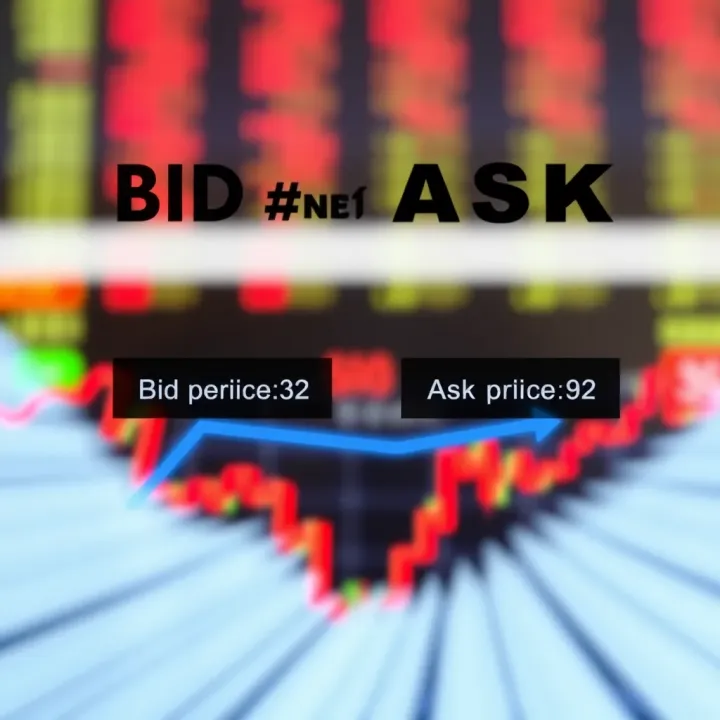
In forex quotes, the bid price is what buyers are willing to pay for a currency pair, while the ask price is what sellers want to receive. The difference between these two prices is the spread, a key cost to keep an eye on. For South African traders, especially those working with volatile pairs like USD/ZAR, spreads can widen significantly during economic announcements or overnight, increasing trading costs. Knowing bid and ask helps you time your trades and manage expenses better.
Forex prices primarily reflect supply and demand for each currency. If more traders want to buy the rand, its value rises against other currencies. Conversely, if investors lose faith in the rand because of political uncertainty, they might sell it off, pushing its value down. Think of it like a stock market for currencies — what people want to buy more of becomes pricier.
Keep a close eye on economic indicators like South Africa’s inflation rate, interest rate decisions by the South African Reserve Bank (SARB), and GDP growth figures. These reports can cause sharp swings in forex rates. For example, higher inflation might lead SARB to hike interest rates, often boosting the rand as investors seek better returns. Unexpected news — such as sudden changes in trade policy or employment data — can also trigger volatility, so setting up news alerts is a smart move.
Events such as elections, protests, or even global incidents like trade disputes or conflict zones can send forex markets into a spin. For South Africans, internal political developments or regional issues in Southern Africa can affect the rand’s strength. On the global stage, anything from US-China trade talks to OPEC oil decisions influences currency values. These events often cause rapid shifts, making it vital to stay informed and avoid trading blindly during uncertain times.
Understanding these core components isn’t just theory — it’s the foundation for making smart decisions and managing risks when trading forex locally or internationally.
By grasping how currency pairs work and what moves their prices, South African traders can better navigate this fast-moving market and spot opportunities suited to their risk tolerance and goals.
Understanding the methods and tools available for trading forex is vital for any South African investor aiming to enter this market. These tools shape how you interact with currency pairs, manage your trades, and navigate the risks involved. From spot forex trading to derivative products like futures and options, each method offers distinct advantages and requires a clear grasp of their mechanics to use them effectively.
Spot forex trading involves the immediate exchange of currencies at current market rates. This method suits traders looking for quick transactions, as settlement usually happens within two business days. For example, a Johannesburg-based trader might buy US dollars against the rand today, expecting to sell later at a profit if the exchange rate moves favourably.
On the other hand, futures contracts allow traders to agree on an exchange rate today for a currency trade that happens on a future date. These contracts are standardised and traded on regulated exchanges, helping investors hedge currency risk or speculate with predetermined terms. Unlike spot trading, futures offer a level of certainty in pricing, which can be useful in volatile markets.
Options and contracts for difference (CFDs) are common derivatives in forex markets. Options give the right, but not the obligation, to buy or sell currency pairs at a predetermined price before expiry. This flexibility lets traders limit potential losses while participating in market movements. CFDs, popular among retail traders, allow speculation without owning the underlying currency. A South African trader can open a CFD position on the EUR/USD pair using platforms that offer leverage and tight spreads, but should be mindful of the increased risk leverage brings.
South African traders typically access forex through brokers regulated by the Financial Sector Conduct Authority (FSCA), ensuring adherence to local laws and protection against fraud. Brokers like IG, Plus500, and HotForex are popular due to their compliance and strong reputations. Choosing a regulated broker also means better access to localised support and currency deposit options, reducing hassle.
When selecting a broker, consider factors such as trading fees, platform usability, account minimums, and customer service. For instance, a broker offering the MetaTrader 4 platform could be advantageous for technical traders familiar with advanced charting and automated systems. It’s also wise to check reviews from other South African traders to gauge reliability and responsiveness.
Spreads and commissions directly impact your trade costs. Brokers often advertise ‘zero commission’ but compensate through wider spreads—the difference between buy (ask) and sell (bid) prices. Narrow spreads mean lower costs, especially for high-frequency traders. For example, trading the USD/ZAR pair might have spreads ranging from 30 to 100 pips across brokers, affecting profitability. Always compare these costs and factor them into your trading strategy.
Successful forex trading in South Africa combines understanding your trading methods with selecting the right broker and tools tailored to your needs and financial goals.
Forex trading carries notable risks that South African investors must understand before committing their capital. While the market offers chances for profit, the same forces can lead to significant losses, especially when dealing with leverage and volatile currencies. A clear grasp of these risks helps traders make informed decisions, manage their exposure, and avoid pitfalls common in unregulated or speculative trading.
Leverage lets traders control larger positions than their invested capital, amplifying both gains and losses. For example, with 1:100 leverage, a R1,000 deposit controls R100,000 worth of currency. If the exchange rate moves in favour, the profit can be substantial. However, if the market shifts against you by just one percent, your entire deposit can vanish quickly. This magnification means that without cautious risk management, even small market swings may wipe out your account.
Managing risk with stop-loss orders is essential to protect against sudden losses. A stop-loss automatically closes your trade when the price hits a level you decide beforehand, limiting how much you can lose. For instance, if you enter a EUR/USD trade at 1.1300 and set a stop-loss at 1.1250, the position closes once the price drops to that point. While this tool doesn’t guarantee against gaps or slippage, it helps maintain discipline and prevents emotions from dictating decisions.
In South Africa, typical leverage limits are set by local regulators and brokers, generally ranging from 1:10 to 1:200. FSCA-regulated brokers usually impose stricter caps to protect traders from extreme exposure. For many retail traders, a leverage ratio around 1:50 is common, offering a balance between growth potential and manageable risk. It’s wise for newcomers not to exceed these limits and to understand how leverage affects margin requirements and margin calls.
Global economic events impact forex markets regularly, affecting currency values and trading conditions. Shifts in commodity prices, interest rate decisions by the South African Reserve Bank (SARB), or political changes abroad can trigger sudden volatility. For example, a surprise change in U.S. Federal Reserve policy often leads to sharp moves in the US dollar, influencing emerging market currencies like the rand. Staying informed about such fundamentals is critical to anticipate risks and adjust strategies accordingly.
Ensuring compliance with the Financial Sector Conduct Authority (FSCA) is vital for safe trading in South Africa. The FSCA regulates brokers to promote fair practices, transparency, and client protection. Trading through FSCA-licensed brokers reduces the chance of falling prey to fraudulent activities or unregulated platforms. Before opening an account, check that your broker complies with FSCA rules and offers clear terms regarding client funds, leverage, and execution.
Recognising scams is another key consideration. The forex world attracts fraudsters enticing traders with promises of guaranteed returns or insider tips. Some unlicensed operators may withhold withdrawals or manipulate software. Signs to watch for include unrealistic profit claims, pressure to deposit quickly, and lack of verifiable licensing information. Always do thorough due diligence, rely on reputable sources, and use community feedback before committing funds.
"Forex offers exciting opportunities but demands respect for risks. Understanding volatility, leverage, regulatory requirements, and market influences helps you trade smarter, not just harder."
By keeping these risks and considerations in mind, South African investors can approach forex trading with clearer expectations and stronger safeguards.
Getting started in forex trading requires more than just opening an account and clicking away. For South African investors, understanding the local landscape and practical steps is vital for building a solid footing. Whether you're a beginner or moving from another type of investing, knowing how to set up, fund, and practise trading can save you from costly mistakes down the line.
Setting up a trading account
Choosing a trustworthy broker regulated by the Financial Sector Conduct Authority (FSCA) is key. Setting up your account usually involves submitting ID documents for verification—this is part of the FICA (Financial Intelligence Centre Act) compliance—which South African brokers strictly enforce to prevent fraud. Once your account is approved, you’ll link a local bank account or e-wallet to fund your trading activities. For example, many traders use FNB or Standard Bank for easy transfers, keeping transactions secure and swift.
Understanding initial capital requirements
You don’t need a fortune to start trading forex but expect to deposit at least R1,000 to R5,000 initially, depending on your broker’s minimum. Keep in mind that while leverage can increase your buying power, it also amplifies potential losses. Avoid the temptation to start with big amounts before understanding the market dynamics, especially with the currency market’s volatility.
Practising on demo accounts
Demo accounts offer risk-free practice with virtual money and are essential for getting a feel of the trading platform and testing strategies. Many South African brokers provide demo accounts that simulate real market conditions. It’s common for new traders to spend weeks or months practising to avoid jumping into live trading unprepared. For instance, using a demo account on a platform like MetaTrader helps you test how news events or economic data affect currency pairs without risking Rand.
Managing costs and spreads in the local context
Forex trading costs can quickly eat into your profits, especially if you trade frequently. South African traders should pay attention to spreads—the difference between bid and ask prices—and commissions charged by brokers. Some brokers offer zero-commission trading but make up for it with higher spreads. It’s wise to compare costs and factor in how these fees affect your potential returns.
Using data and internet effectively despite loadshedding
Loadshedding poses a real challenge for online traders. Having backup power solutions like inverters or UPS devices can keep your devices running during outages. Also, consider using mobile data or multiple providers (Vodacom, MTN) as alternatives when your home connection drops. Planning trades around the load-shedding schedule and using alerts on your mobile can help you stay on top of market moves despite interruptions.
Learning from local forex communities
Connecting with South African forex communities is invaluable. Forums, social media groups, and local webinars offer insights tailored to local market conditions and regulations. They also provide a space to share experiences, strategies, and warnings about scams. For many traders, joining a local group helped them navigate the market more confidently than going it alone.
Starting with the right setup and mindset is half the battle won in South African forex trading. Being aware of the local rules, costs, and unique challenges like loadshedding can make a real difference to your success.
📈 Master forex trading with practical tips for South African traders! Learn local market steps, risk management, analysis tools & disciplined habits for steady success.
Learn how pips guide your forex trades 📉 in Nigeria 🇳🇬. Understand pip calculation, spot profit/loss, and make sharper trading choices with local market insights.

Discover how forex trading robots work in Nigeria 🇳🇬, their benefits, risks, and local regulations. Navigate automated currency trading smartly with real advice 📈💰.
📈 Learn how forex trading quotes work, their types, and what shapes exchange rates to trade smarter in Nigeria's market. Get practical tips for ₦ success! 🇳🇬
Based on 10 reviews