
Effective Forex Trading Tips for Nigerian Traders
📈 Explore practical forex strategies tailored for Nigerian traders. Master market analysis, manage risks, and boost trading success with proven tips!
Edited By
Emily Clarke
Forex trading has gained significant traction across Nigeria, especially among young investors seeking alternative income streams beyond the conventional 9-to-5 grind. With the ease of internet access and the rise of reliable fintech platforms, trading currencies on the foreign exchange market has become more accessible. However, starting forex trading without a solid understanding is like hopping on an okada without knowing the route — risky and prone to losses.
This section lays the foundation for you to step into forex trading with clarity. It covers what forex trading means, the currency pairs traders commonly focus on, and sets expectations for navigating the volatile market environment in Nigeria.
Forex trading involves buying and selling currencies in pairs, aiming to profit from the exchange rate fluctuations. For example, if you expect the US dollar (USD) to strengthen against the Nigerian naira (₦), you buy USD/NGN, hoping to sell later at a higher rate. Unlike stock trading, the forex market operates 24 hours a day on weekdays, offering flexibility but also requiring vigilance.
Major pairs: USD/EUR, USD/GBP, USD/JPY — these have high liquidity and tight spreads.
Cross pairs: Currency pairs without the US dollar, such as EUR/GBP or GBP/JPY.
Exotic pairs: Pairs involving currencies like the Nigerian naira (₦), South African rand (ZAR), or Turkish lira (TRY), which are less liquid and typically more volatile.
Considering your location and risks, focusing on major and some exotic pairs can balance opportunity and manageability.
Forex markets can swing violently, affected by global economic news, political developments, or monetary policies. For Nigerian traders, sudden naira depreciation, CBN policy shifts, or even fuel scarcity impacting market sentiment can create unexpected moves. Recognising these influences sharpens your trading discipline and helps decide when to trade or hold back.
Starting small, educating yourself continuously, and practising on demo accounts before investing real funds help mitigate the harsh lessons that many novices face.
This groundwork will help you approach forex trading in Nigeria with the right mindset and practical knowledge you need to grow your trading journey confidently.
Grasping forex trading basics is essential before diving into the market. Without a solid understanding, new traders can easily lose capital or fall for scams. Knowing how forex works helps in making informed decisions, especially given Nigeria’s unique economic landscape and currency challenges.
Defining forex and currency pairs: Forex trading involves buying one currency and selling another simultaneously, forming currency pairs. For example, trading the USD/NGN pair means speculating on the exchange rate between the US dollar and the Nigerian naira. This is practical because every international trade or investment deals with currency conversions.
How forex market operates globally: The forex market is a decentralized global market open 24 hours from Monday to Friday. Trading happens over different time zones, shifting from London to New York, to Tokyo, and Sydney sessions. For a Nigerian trader, understanding these hours means you can trade when liquidity is high, improving the chances for better spreads and fast trade executions.
Major currencies traded: The most traded currencies include the US dollar (USD), euro (EUR), Japanese yen (JPY), British pound (GBP), and Swiss franc (CHF). Nigerian traders mostly focus on pairs involving the naira (NGN), dollar, and euro because these reflect real import-export and remittance flows impacting the local economy.
Local participation and market hours: Nigerian traders join the global forex market mainly through online brokers. Though the forex market never really sleeps globally, active trading for Nigerians is usually from 8 am to 5 pm WAT, aligning with London and New York sessions. This timing matches regular business hours, making it easier to keep watch on trades alongside daily routines.
Impact of naira exchange rates: The naira’s exchange rate has a big influence on forex trading decisions. Frequent naira depreciation against key currencies like the dollar can create opportunities for profit, but also risks. For instance, sudden CBN policy changes affecting naira liquidity quickly change market direction, so staying updated with local news is crucial.
Role of Central Bank of Nigeria (CBN): The CBN controls policies that influence forex trading, including currency controls and intervention in the interbank market. While the official forex market operates, there is also the parallel black market affecting supply and demand for the naira. Traders must understand these dynamics to navigate price gaps and maintain realistic expectations.
Knowing the forex basics equips you to trade confidently, avoid pitfalls, and spot genuine trading opportunities especially within Nigeria's ever-changing financial environment.
Understand currency pairs before entering trades
Align trading hours with global market activity
Watch naira trends closely as they shape market movements
Monitor CBN announcements and policies daily
This foundational knowledge reduces guesswork and sharpens your trading edge on platforms like MetaTrader or local brokers servicing Nigerian traders.
Choosing a reliable forex broker is a critical step for Nigerian traders looking to succeed in forex trading. A trusted broker ensures your funds are safe, transactions are smooth, and trading conditions are fair. Without the right broker, you could face delays in withdrawals, unreliable platforms, or even fall victim to scams, which are unfortunately common in Nigeria’s online trading scene.
One of the most important factors to check is whether the broker is properly regulated. Regulation by recognised authorities like the Financial Conduct Authority (FCA) in the UK or ASIC in Australia gives you some assurance the broker follows strict rules and standards. Although Nigeria’s Securities and Exchange Commission (SEC) has limited oversight on international brokers, choosing a firm with international licences helps reduce the risk of fraud.
Traders should avoid brokers that promise unrealistic returns but lack any regulatory backing. For instance, brokers regulated by top-tier agencies are required to keep client funds in segregated accounts, protecting your money even if the company faces financial troubles.
Trading costs come mainly from spreads and commissions. The spread is the difference between the buying and selling price of currency pairs. A tighter spread means lower costs each time you open or close a trade. For Nigerian traders, who may trade in smaller volumes, high spreads can quickly eat into profits.
Different brokers offer different pricing models. Some charge fixed spreads, which stay the same regardless of market conditions, while others use variable spreads that can widen during volatility. For example, if you trade the popular EUR/USD pair, a spread of 1-2 pips is standard for most reliable brokers.
Check also for any hidden fees like withdrawal charges or inactivity fees, which many Nigerian traders encounter when dealing with less transparent brokers.
A practical consideration is how easily you can deposit and withdraw your funds in naira. Many international brokers allow bank transfers, credit cards, or e-wallets, but delays or high currency conversion fees can be a real headache.
Look for brokers that support local payment methods popular in Nigeria, such as Quickteller or Paystack, and allow naira deposits. Some brokers also accept transfers via Nigerian banks like GTBank or Zenith Bank, speeding up the process and reducing extra charges.
Reliable withdrawal options are equally vital. Timely withdrawals without multiple follow-ups make trading less stressful and more professional.
International brokers like XM, IC Markets, and Pepperstone have earned solid reputations among Nigerian traders due to their regulation, platform reliability, and competitive pricing. They offer well-known trading platforms like MetaTrader 4 (MT4) and MetaTrader 5 (MT5), which are familiar to many beginners and pros alike.
These brokers also provide educational resources and customer support tailored to Nigerian customers, sometimes including local phone lines or WhatsApp support.
Some fintech startups and local companies have developed forex trading platforms specifically targeting Nigerian traders. While these platforms might offer more naira integration and localised customer service, it’s crucial to vet their reliability and regulation status carefully.
For example, platforms that partner with local banks and comply with Nigerian financial regulations can smooth transactions. However, always double-check reviews and avoid those that lack transparency or pressure you to deposit large sums quickly.
When deciding, compare factors like minimum deposit requirements, leverage offered, customer service quality, and platform usability. For instance, some brokers require at least $100 to start, while others allow as low as $10, which might suit beginner traders.
Look at the available currency pairs, as some brokers specialise in exotic pairs or cryptocurrencies. Also, consider whether they offer demo accounts so you can practise without risking real money.
Choosing the right broker impacts how fast you can grow your trading skills and profits. Don’t rush—take time to research before committing your funds.
In sum, picking a reliable forex broker means checking licences, costs, ease of funding, and service quality. This way, Nigerian traders can trade with confidence in a challenging but rewarding forex market.
Opening a forex trading account is the gateway to participating in the currency markets actively. This step is crucial for Nigerian traders because it allows you to operate on trading platforms, manage your funds securely, and execute trades with confidence. Without a properly set-up account, you cannot access real trading opportunities or apply strategies effectively.
Nigerian traders need to provide specific documents during account registration. The National Identification Number (NIN) and Bank Verification Number (BVN) are essential for confirming your identity and reducing fraud risks. Brokers require these to comply with Nigerian laws and ensure secure transactions. Having these documents ready speeds up account approval and funding.
Forex brokers offer various account types tailored to different experience levels and investment capacities. Typical options include standard, mini, and micro accounts. For instance, a micro account may allow you to trade with as little as $10, ideal if you want to start small and learn the ropes without risking too much. Standard accounts usually require larger deposits and offer tighter spreads, suitable when you’re ready for serious trading.
Once registered, verifying your account involves submitting your documents and sometimes a proof of address. This step confirms you are a genuine trader and enables withdrawals. Funding the account can be done through bank transfer, card payments, or local payment gateways that support Naira deposits. Some brokers accept Paystack or Flutterwave integration, making it easier to fund your account instantly without dealing with currency conversion hurdles.
MetaTrader 4 (MT4) and MetaTrader 5 (MT5) are the most popular trading platforms globally and widely supported by brokers catering to Nigerian traders. Installing these on your computer or phone is straightforward. MT4 suits beginners due to its simplicity, while MT5 includes more advanced features like additional time frames and indicators. Both platforms offer real-time quotes, charts, and technical analysis tools.
Mobile trading is a big plus in Nigeria, where many traders rely on smartphones. Both MT4 and MT5 offer mobile apps that let you trade on the go, check price movements, and receive alerts. Desktop versions, on the other hand, provide a more comprehensive trading experience with easier charting and multitasking. Choosing between mobile or desktop depends on your needs; many traders use both to stay flexible.
Before risking real money, practising on a demo account helps you understand market behaviour and platform navigation. Demo accounts simulate live trading with virtual funds but without financial risks. Nigerian brokers often offer these free of charge, allowing you to test strategies or experiment with trades for as long as you like. This step builds confidence and ensures you're well-prepared to trade live.
Opening and setting up your forex trading account carefully is the foundation of successful trading. It secures your funds, ensures compliance with Nigerian regulations, and gives you access to powerful tools for making informed decisions. Take your time with each step to avoid setbacks and build trading habits that last.
Developing a sound forex trading strategy is essential for Nigerian traders aiming to succeed amid the unpredictability of the forex market. Without a clear game plan, you risk making impulsive decisions that can wipe out your capital quickly. A well-crafted strategy helps organise your trades, manage risks, and improve your chances of making consistent profits.
Reading charts and price patterns is a key part of technical analysis. Traders watch candlestick charts, line charts, or bar charts to spot trends, reversals, or continuations. For example, recognising a "double top" pattern on the USD/NGN chart could signal a price drop ahead, giving you a chance to exit before losses. These visual cues help predict future price movements based on historical data.
Following news and economic indicators relevant to Nigeria is vital for fundamental analysis. Key reports like Nigeria’s inflation rate, CBN policy announcements, or crude oil production figures influence the naira's value. For instance, a spike in inflation often puts pressure on the naira, affecting currency pairs involving NGN. Keeping abreast of such news allows you to anticipate market reactions and trade accordingly.
Using indicators and tools for trading decisions helps supplement your analysis. Popular indicators include the Relative Strength Index (RSI), Moving Averages, and MACD. Suppose the RSI shows an overbought condition on EUR/USD; you might plan to sell. These tools provide objective signals to enter or exit trades, reducing reliance on guesses.
Setting stop-loss and take-profit points is the backbone of controlling losses and locking in gains. A stop-loss protects your account by automatically closing a losing trade at a pre-set level, avoiding catastrophic losses. Meanwhile, a take-profit order locks in profits once a target price is hit. For example, if you buy GBP/USD at 1.3000, you could set a stop-loss at 1.2950 and take-profit at 1.3100 to manage emotions and stick to your plan.
Managing your trade size and leverage carefully is also critical. The forex market allows high leverage, sometimes up to 1:500, but this amplifies both profits and losses. A prudent Nigerian trader might risk no more than 1-2% of their capital on a single trade, using modest leverage. For instance, trading ₦50,000 at 1:10 leverage is safer than risking ₦50,000 at 1:100, which can drain your funds in moments.
Avoiding emotional trading mistakes separates successful traders from amateurs. Fear and greed often push traders to deviate from their strategy, chasing losses or holding onto losers hoping for a turnaround. Stick to your rules, log every trade outcome, and take breaks if the market feels overwhelming. Discipline reduces impulsive decisions and builds consistency.
A clear strategy paired with risk controls is your best defence against the forex market’s volatility. It’s not about never losing but managing your losses well and letting your winners run.
Developing and practising your trading strategy will grow your confidence and improve your chances of success in Nigeria’s forex market. Remember, patient learning beats ill-prepared haste any day.
Navigating the legal and regulatory landscape is essential for anyone serious about forex trading in Nigeria. Without knowing the rules and safeguards, traders expose themselves to unnecessary risks, from illegal platforms to tax complications. Understanding the key regulations helps protect your capital and ensures compliance with Nigerian law.
The SEC Nigeria oversees and regulates non-banking capital markets, which includes certain types of forex activities. While forex trading itself is primarily under CBN’s purview, SEC plays a significant role when brokers offer investment services or collective investment schemes related to forex. Traders must ensure their broker or platform is registered or licensed by SEC to avoid falling prey to unregulated operators masquerading as legitimate. A licensed broker typically complies with transparency and reporting standards, reducing chances of fraud.
The Central Bank of Nigeria (CBN) strictly regulates foreign exchange to control naira volatility and protect the economy. Though Nigerians can trade forex freely on international markets, CBN restrictions mean that converting naira to foreign currencies beyond official channels can sometimes be tricky. Traders must use authorised dealers and approved platforms for deposits and withdrawals to comply with currency control policies. Failure to do so might lead to funds being frozen or transactions being reversed by banks.
Profits from forex trading are taxable under Nigerian tax laws. Traders should declare any earnings to the Federal Inland Revenue Service (FIRS) to avoid penalties. Keeping accurate records of trades, deposits, withdrawals, and expenses is crucial for smooth tax filing. While forex is not a separate tax category, gains fall under personal or business income and will be subject to the relevant tax rates. Consulting a tax professional for appropriate reporting is advisable to meet compliance standards.
Forex scams are widespread in Nigeria and often involve promises of guaranteed returns or secret trading algorithms. Ponzi schemes, fake brokers with no registration, and platforms that delay withdrawals are common red flags. Many victims lose thousands of naira simply because they did not verify the platform’s authenticity or fell for too-good-to-be-true offers. Understanding how these scams function can help you spot suspicious behaviour early and steer clear.
Confirming the legitimacy of a forex broker starts with checking licenses from regulatory bodies like SEC or international regulators such as FCA or CySEC. Look for clear company information, valid contact details, and easy access to terms and conditions. Reading reviews from verified users on forums or financial websites adds an extra layer of safety. A trustworthy broker will also offer transparent trading conditions and fair spreads.
When funding your trading account or withdrawing funds, always choose secure and traceable payment options. Bank transfers through Nigerian banks, verified USSD services, or known payment gateways like Paystack and Flutterwave are safer than unregulated e-wallets or crypto-only platforms. Secure payment methods minimise the risk of losing funds to fraud and enhance compliance with Nigerian financial regulations.
Staying alert to Nigeria’s forex regulations and potential scams helps investors trade confidently and avoid costly mistakes. Always prioritise safety over speed when dealing with brokers and money transfers.
📈 Explore practical forex strategies tailored for Nigerian traders. Master market analysis, manage risks, and boost trading success with proven tips!
🇳🇬 Discover smart forex trading tips & strategies tailored for Nigerian traders! Learn to pick brokers, manage risks, and trade confidently with ease. 📈
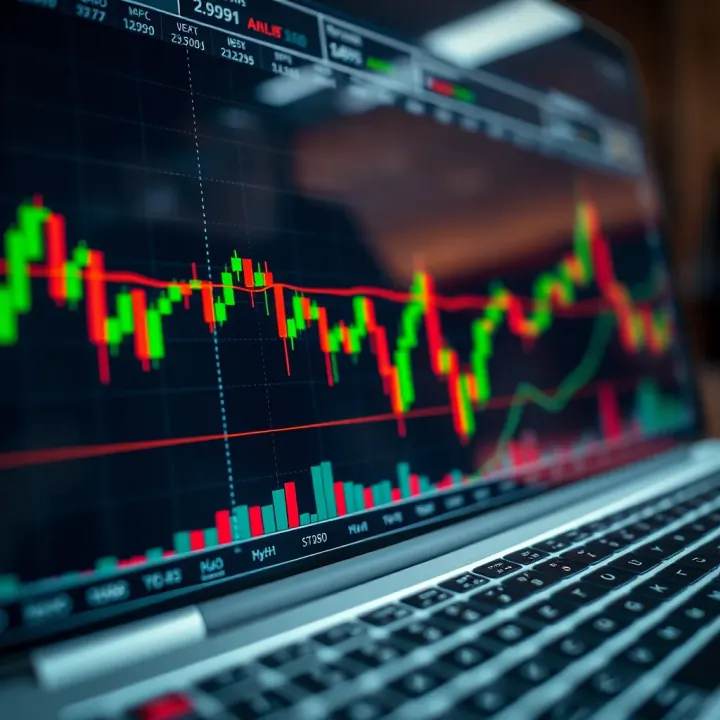
Explore proven forex trading strategies for Nigerians 🇳🇬, covering technical skills, risk management, and market psychology to boost your success 📈💡
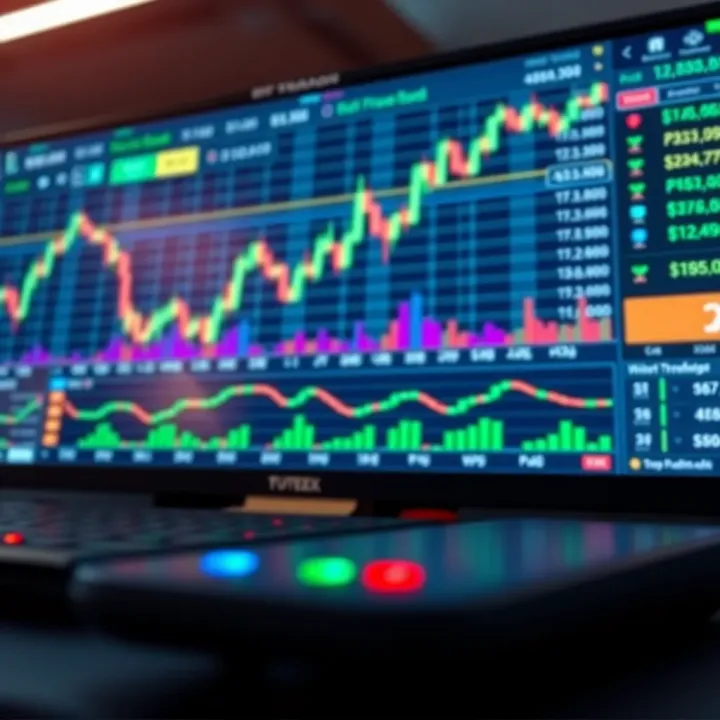
Looking for the best forex trading site in Nigeria? Discover how to pick secure platforms with low fees, great currency options, and reliable support 📈💰
Based on 14 reviews