
Understanding Forex Trading in South Africa
💱 Learn forex trading basics, key players, risks, strategies & South African market tips. Get practical advice to navigate currency exchange confidently.
Edited By
James Hewitt
Forex trading, the buying and selling of foreign currencies, holds a lot of appeal for South African traders chasing quick profits or portfolio diversification. But the question many ask is: Is forex trading legit here? The answer isn’t a simple yes or no — it depends on how you approach it and whether you understand the environment.
South Africa’s forex market operates under clear regulations. The Financial Sector Conduct Authority (FSCA) keeps watch over forex brokers and platforms to make sure they abide by the rules and offer transparent terms. Licensed brokers must stick to prescribed standards, such as segregated client accounts and fair trading practices. However, not every operator you find online is licensed, and the unregulated realm harbours risks.
Remember: Trading forex itself is legal in South Africa, provided you use authorised brokers and follow local laws.
Many South Africans start trading through brokers like IG, Plus500, or local entities registered with the FSCA. These platforms show live rates, offer tools, and provide access to the global forex market. Using licensed brokers gives you recourse if problems arise, unlike shady outfits promising guaranteed returns or insider tips — those are often scams.
Still, trading forex is risky and volatile by nature. Exchange rates swing fast due to economic news, geopolitical events, and market sentiment. Traders who fail to manage risk properly often lose money. Using leverage to magnify positions can increase both gains and losses. For example, a small move in the rand/dollar rate can wipe out your invested capital if you’re not careful.
To sum up:
Forex trading is legal in South Africa but only through licenced brokers.
The FSCA regulates the market to protect traders’ interests.
Beware of unregulated platforms promising quick profits—many are scams.
Understand forex risks carefully and use risk management tools (stop losses, position sizing).
This article aims to give you a balanced, no-nonsense view on trading forex locally. You’ll find insights on regulations, risk pitfalls, and how to spot scams, helping you decide if forex trading is right for you and how to stay safe while navigating this fast-paced market.
Grasping the basics of forex trading is vital for anyone considering dipping their toes into South Africa’s foreign exchange scene. It’s not just about buying and selling currencies; understanding what forex trading entails helps you make informed choices and avoid pitfalls common in the market.
Forex trading is the act of exchanging one currency for another with the aim of making a profit from changes in exchange rates. Unlike buying rands and euros for travel, forex trading happens on a much shorter timescale and often involves speculating on price movements. For example, if a trader believes the US dollar will strengthen against the rand, they might buy USD/ZAR currency pairs. When the dollar rises, the trader can sell for a profit. It’s important to note that forex markets operate 24 hours a day but involve complex factors like economic data, interest rates, and geopolitical events that can influence currency values quite quickly.
On a global scale, forex trading is dominated by major financial centres such as London, New York, and Tokyo, where banks, corporations, and institutional investors transact trillions daily. These markets set the tone and liquidity that smaller players, including South African retail traders, tap into. Locally, South African traders usually access the forex market through brokers who connect them to global platforms.
South Africa’s forex market operates within the bounds of regulatory oversight from bodies like the Financial Sector Conduct Authority (FSCA), which ensures brokers comply with rules designed to protect traders. Unlike the stock market, forex trading does not have a central exchange. Instead, it runs over-the-counter (OTC) through electronic networks and telephone transactions. This means spreads and prices can vary between brokers.
Understanding these mechanics can help you grasp why price differences exist and why trading conditions might change throughout the day — knowledge critical to managing risk.
South African traders should also be aware of the rand’s unique behaviour. It is more volatile than major currencies and influenced heavily by local factors like commodity prices, political developments, and Eskom load-shedding schedules. This adds an extra layer of risk — and opportunity — when trading pairs involving the rand.
Breaking into forex without this foundation would be like navigating a complex robot system without traffic rules. With a solid understanding, you can better interpret price charts, news events, and broker offers. This sets a firm base before exploring legality, risks, and trusted trading practices covered later in this article.
South Africa's legal framework plays a vital role in ensuring that forex trading operates within safe and transparent boundaries. Given the high risks linked to forex markets, regulation offers traders a way to avoid scams and shady operators. Importantly, a well-defined legal environment helps protect your investments by holding brokers accountable and establishing clear rules for fair dealing.
The Financial Sector Conduct Authority (FSCA) is South Africa’s main watchdog overseeing forex trading activities. Its job is to regulate and supervise financial institutions—brokers included—to ensure they operate honestly and responsibly. By setting rules around transparency, client fund protection, and market conduct, the FSCA aims to curb fraudulent behaviour that can plague the forex industry.
For example, the FSCA requires brokers to keep client funds separate from their own, reducing the risk of misuse. Traders dealing with an FSCA-licensed broker can also lodge complaints with the authority if problems arise. So, the FSCA essentially acts as a consumer protector and enforcement body in the local forex trading scene.
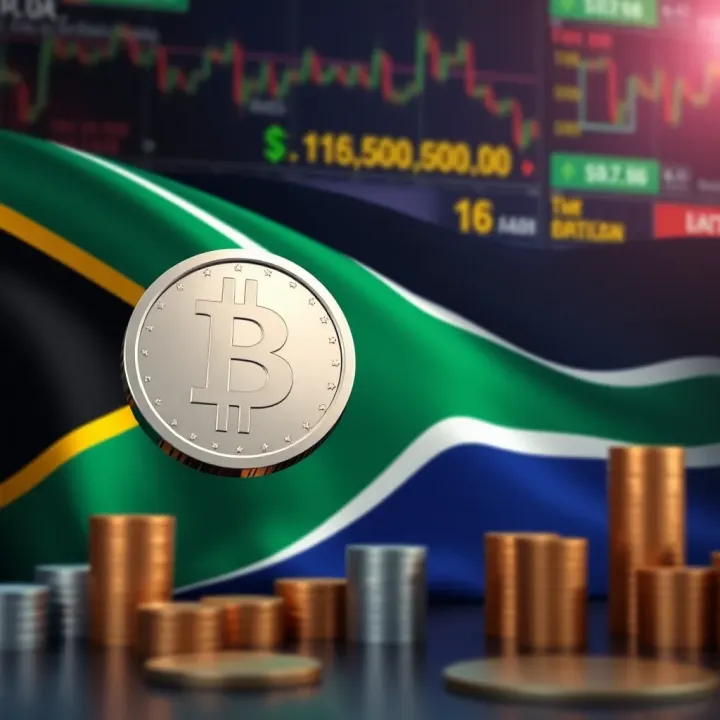
Working with an FSCA-licensed broker is one of the clearest ways to ensure legitimacy when trading forex. This licence means the broker meets local standards around financial stability, transparency, and ethical conduct. Without this licence, a broker operates outside legal boundaries, leaving you exposed to potentially serious fraud or mismanagement.
To illustrate, some offshore brokers market aggressively but aren't registered with the FSCA or any credible regulator. This leaves South African traders without official recourse should issues arise. Choosing a locally regulated broker reduces these risks and adds a level of trust.
Before signing up, verify your broker through a simple checklist:
Confirm the broker’s name appears on the FSCA’s official list of authorised financial service providers.
Check the physical business address and contact details to ensure they are legitimate and responsive.
Review user feedback and complaints on forums or financial watchdog sites.
Understand the broker’s trading platform, fee structure, and withdrawal policies clearly.
Make sure the broker provides clear disclosure on risks and doesn’t promise unrealistic returns.
Taking the time for such due diligence protects you from falling prey to scams and ensures you trade within South Africa's legal framework.
In forex trading, regulation is not just bureaucratic red tape—it’s your safety net. Dealing only with FSCA-licensed brokers helps South African traders minimise risk and navigate the market with confidence.
Forex trading is not for the faint-hearted. Understanding the risks and challenges involved helps South African traders avoid unexpected losses and make more informed decisions. While the promise of high returns can attract many, the reality is that the forex market is complex and often unforgiving.
The forex market moves fast and can be highly volatile. Exchange rates can swing dramatically within minutes due to economic news, geopolitical events, or even sudden shifts in investor sentiment. For example, during the COVID-19 pandemic, the rand experienced sharp fluctuations against the US dollar, leaving unprepared traders exposed to rapid losses.
Traders need to grasp that volatility means prices don’t always follow a predictable path. While volatility creates opportunities to profit from price changes, it also increases the chance of losing more than expected. Managing this requires constant vigilance and quick decision-making.
Leverage lets traders control a larger position than their initial investment, amplifying both gains and losses. Many South African brokers offer leverage levels up to 1:200 or more. While this sounds tempting, it can quickly wipe out your capital if trades move against you.
Using margin means putting down a fraction of the total trade size as collateral. If the market moves against your bet, you may receive a margin call requiring additional funds or automatic liquidation of your position. A common scenario is a trader using high leverage on the rand-dollar pair during turbulent periods who ends up losing far more than initially invested because they underestimated the downside risk.
Scammers frequently target forex traders with schemes promising guaranteed profits or insider tips. Common ploys include unregistered brokers offering unbelievable returns, robots or algorithms claiming to do the trading for you, and fake testimonials designed to lure victims.
These scammers often use social media ads or persuasive cold calls to hook potential traders. For example, some promise returns of 20% per month, which realistically no legitimate forex broker can guarantee. This type of fraud not only costs South Africans millions but also taints the reputation of the entire forex landscape.
Being alert to warning signs can help you steer clear of fraudulent offers. Red flags include brokers without FSCA licencing, demands for upfront fees or deposits before trading, lack of clear contact details, and pressure tactics urging you to invest quickly.
Credible brokers won’t hide in the shadows or rush your decisions. Also, be wary of platforms that guarantee profits or discourage withdrawals—these are classic signs of scams. Always take the time to verify regulatory status and read independent reviews before parting with your money.
Staying informed and cautious is the best defence a South African trader has against the pitfalls of forex trading, whether related to market risks or unscrupulous scams.
Understanding these challenges equips you to protect your investment and trade smarter in a market that’s as rewarding as it is risky.
When stepping into the forex market in South Africa, recognising genuine trading opportunities is essential. It helps you avoid scams and protects your hard-earned cash. Besides regulation, assessing broker and platform reputation offers practical ways to verify legitimacy. Another safe step involves trying demo accounts before risking real money.
A trustworthy broker typically holds a licence from the Financial Sector Conduct Authority (FSCA). This licence indicates compliance with local financial law and offers some protection for traders. Always check the FSCA’s public register to confirm a broker’s status. For instance, a popular broker like IG Markets is FSCA-licensed and well-known in the region.
Look beyond licensing too. Research client reviews on independent forums and sites like MyBroadband. Pay attention to how any complaints were handled. Additionally, a reputable platform will have transparent fees, straightforward terms and conditions, and customer support reachable during South African business hours. Platforms with clunky or poorly translated websites may signal trouble.
Making use of demo accounts is a practical way to test brokers and trading strategies without risking real money. Most major brokers, including Standard Bank’s FX platform and local fintech startups, offer free demo accounts with live market data.
Trial trading helps you gauge platform speed, reliability, and the user interface. It also lets you try out leverage and diverse trading tools under real market conditions but without financial risk. Try simulating typical trades based on South African economic events or currency pairs involving the rand (ZAR) to gain relevant experience.
It’s wise to treat demo trading seriously. Use it to refine your strategy and understand how margin calls or stop-loss orders work. Once confident, move gradually into live trading, starting with small sums. Avoid jumping in with large deposits immediately, as the dynamics of real money trading can be quite different.
Remember: Identifying legitimate forex opportunities depends heavily on due diligence. Use FSCA licencing checks, customer feedback, and demo platforms as your first line of defence against scams.
By focusing on these elements — a verified broker, a reliable platform, and solid practice using demo accounts — South African traders can weed out many false opportunities. That way, you’re setting yourself up for a better chance at success in forex trading, rather than falling prey to risky or fraudulent offerings.
For South Africans considering forex trading, practical advice is essential to navigate both the opportunities and pitfalls in this market. With forex's high-speed nature and notable risks, understanding how to approach trading thoughtfully helps protect your capital and increase your chances of success. Whether you are a beginner or have some experience, focusing on realistic goals, managing risks well, and staying informed about local and global events makes a big difference.
Many new traders enter the forex market expecting quick, large profits. Unfortunately, this mindset often leads to disappointment. Forex trading requires patience and discipline. For example, chasing after every market movement or aiming for unrealistic returns can drain your investment rapidly, especially when leverage is involved. Setting achievable goals—such as modest monthly returns or focusing on learning rather than immediate profit—prepares you for sustainable trading. Remember, the market is unpredictable; accepting losses as part of the process keeps your approach level-headed and reduces emotional trading.
Stop-loss orders are a fundamental tool to protect your investment from significant losses. By setting a stop-loss, you instruct your trading platform to automatically close a position once it hits a certain loss level. In volatile markets such as forex, this can prevent emotional decisions during sudden swings. For example, if you buy USD/ZAR at 18.00 and set a stop-loss at 17.80, your position will automatically close if the rate drops to 17.80, capping your loss. This disciplined approach helps safeguard your capital and is especially useful for traders who can’t constantly watch the market.
Diversifying your trades and carefully allocating capital are important for managing risk. Instead of putting all your funds into a single currency pair—such as only trading EUR/USD—spread your investment across several pairs or other financial instruments. This reduces the impact should one market move against you. Also, only use a small portion of your trading capital per trade (commonly 1–2%) to avoid big losses from a single bad bet. Proper capital allocation means you can stay in the game longer and handle market fluctuations without panic or rash decisions.
Forex prices react to a wide range of events, including economic data releases, geopolitical developments, and even local issues affecting currency values. Staying updated with relevant news can give you an edge. For South Africans, this means following not just global financial news but also local reports affecting the rand, such as SARB announcements, Eskom loadshedding schedules, and political updates. Using reliable sources like BusinessTech, MyBroadband, or financial coverage from News24 can help you stay informed. Scheduling regular check-ins on news and calendar events prevents surprises and keeps your trading decisions grounded in current realities.
No trading strategy works without staying informed and disciplined. Combining realistic goals, risk management, and market awareness is the foundation of successful forex trading in South Africa.
By applying these practical steps, South African traders can approach forex trading with more confidence and better protection against common pitfalls.
💱 Learn forex trading basics, key players, risks, strategies & South African market tips. Get practical advice to navigate currency exchange confidently.
Ready to start forex trading? 🇿🇦 Learn key steps for South Africans: market basics, picking brokers, and managing risks confidently in global currency markets.
📈 Master forex trading with practical tips for South African traders! Learn local market steps, risk management, analysis tools & disciplined habits for steady success.
📈 Learn how to trade forex online with tips tailored for South Africans. Master basics, spot reliable resources, use demo accounts, and manage your risks effectively.
Based on 13 reviews