
How to Start Forex Trading in South Africa
Ready to start forex trading? 🇿🇦 Learn key steps for South Africans: market basics, picking brokers, and managing risks confidently in global currency markets.
Edited By
George Foster
Jumping into forex trading can feel overwhelming, especially with so much jargon and conflicting advice online. But for South Africans, learning the ropes of forex (foreign exchange) trading online is not only doable, it's flexible and accessible — fitting around your schedule whether you have a day job or run a small business.
Forex involves buying and selling currencies, trying to make a profit from the price changes on the global market. Unlike the JSE where you trade shares, in forex you're dealing with pairs such as the US dollar against the South African rand (USD/ZAR).
Online learning invites you to grasp the basics at your own pace, take advantage of real-time market data, and practise trading through simulated accounts without risking cash upfront. But it’s vital to cut through the noise and pin down trustworthy sources to avoid scams or poor tips.
To thrive in forex trading, build a solid foundation: understand how markets move, recognise different currency pairs, and master key terms like pips, spreads, and leverage.
You'll find plenty of tools online—educational videos, webinars, forums, and demo platforms offered by brokers like IG, Plus500, or MT4. A good starting point is choosing brokers regulated by bodies like the FSCA (Financial Sector Conduct Authority), ensuring your funds are safer.
Alongside practice and studying, managing risks is non-negotiable. Using stop-loss orders in trades and never risking too much capital on one bet protects your wallet from the rollercoaster nature of forex.
This guide strips away unnecessary theory and focuses on practical, South African-tailored advice. Whether you want to understand the basics, find reliable online courses, or learn how to try your hand with demo accounts, you'll find clear pointers here.
If you're serious about mastering forex from home or on the move, the right approach saves you time and effort while helping you avoid common mistakes. Stick around for the step-by-step journey ahead.
Diving into forex trading starts with grasping what it truly involves and why so many South Africans find it an attractive option. This section lays down the foundation, explaining essential concepts that help make sense of the market’s inner workings and what makes it appealing.
Forex trading is essentially the exchange of one currency for another, typically involving currency pairs like USD/ZAR (US Dollar vs South African Rand). The price you see for a pair reflects how much of the second currency you need to buy one unit of the first. For example, if the USD/ZAR pair is at 18.50, it means R18.50 buys one US Dollar. Understanding this helps you know when to buy or sell based on currency value shifts.
Brokers act as middlemen, providing traders access to the global currency market. They offer platforms where you can place trades, set stop-loss orders, and monitor the market live. In South Africa, choosing a broker regulated by entities like the Financial Sector Conduct Authority (FSCA) is crucial. It offers some security that your funds and trades are handled properly.
Unlike the JSE which closes after hours, forex operates 24/5, spanning major centres in London, New York, Tokyo, and Sydney. This around-the-clock activity suits traders who might want to fit trading around a day job or study. South Africans often trade during the London and New York sessions, when the market tends to be most active, offering better price movement and trading opportunities.
Forex trading permits starting with relatively low capital, and the market’s liquidity means it's easy to enter or exit positions. Plus, it suits South Africans looking for flexibility—whether part-time while juggling other commitments or aiming for full-time income. For instance, someone can trade early mornings before heading to work or late evenings, without missing out.
Many assume forex is an easy money-maker, but it carries significant risk due to leverage and volatile currency swings. One bad decision can wipe out capital quickly. Also, scams and unregulated brokers are a threat, so it's vital to stay informed and cautious. Understanding these realities helps traders avoid costly traps and manage their expectations.
Forex’s flexibility means it can fit different lifestyles. A full-time trader in Johannesburg could spend hours analysing charts, while a Cape Town student might trade sporadically using their phone between classes. Nonetheless, consistent learning and strategy are needed either way. Trading casually without a plan often leads to losses, so disciplined approaches benefit all.
Keep in mind, building a sound understanding here sets you up for smarter decisions as you get stuck into learning forex online. It’s not just about knowing terms but seeing how they affect your trading day.
Before diving into the world of forex trading, setting up properly to learn online is a must. This means choosing the right platforms, finding good learning tools, and making sure you’re not stepping into anything risky. For South Africans, who face unique market and economic conditions, starting on a solid footing can save confusion and money down the line.
Trusting your forex broker is non-negotiable. In South Africa, look out for brokers regulated by the Financial Sector Conduct Authority (FSCA). The FSCA licence means a broker complies with certain rules designed to protect your investment and personal details. If you spot a broker without any regulation, or with a licence from unknown authorities, it’s a red flag. Ask questions and do some digging — a quick search on the FSCA website can confirm the broker’s status.
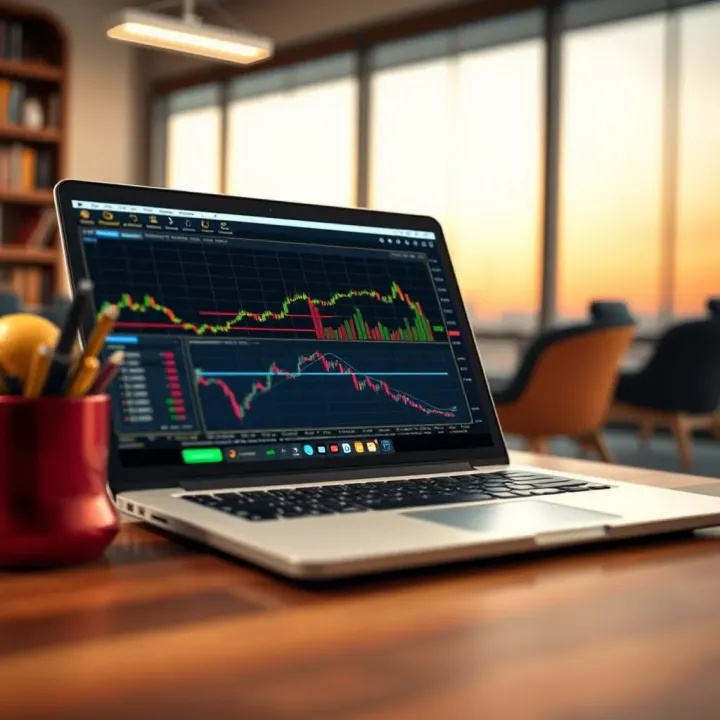
Platforms like MetaTrader 4 and 5 (MT4/MT5) are widely used here for a reason: they’re reliable, user-friendly, and packed with useful tools. Local brokers such as IG, HotForex, and Easy Equities often provide access to these platforms. Besides MT4/MT5, some brokers offer web-based platforms which are beginner-friendly and useful if you don’t want to install software. Choosing a platform with good support, clear interfaces, and easy deposit methods makes your trading journey smoother.
Trading costs can quietly eat your profits if you’re not careful. Compare the spreads (the difference between buying and selling prices) and transaction fees among brokers available to South Africans. Some brokers offer tight spreads but charge commission, others include fees in wider spreads. Also, consider the extra tools offered—economic calendars, charting options, and news feeds can help you make smarter trades. For example, a broker providing access to local news and Rand-US Dollar (ZAR/USD) updates can be a plus.
There’s no shortage of free forex courses online, but they vary in quality. Free courses from trusted sources like Babypips or broker education centres give solid foundations without costing a cent. However, paid courses sometimes deliver deeper insights, personalised feedback, and structured learning paths which can speed up progress. Decide on your budget and learning style; some South African traders start with free resources before investing in paid classes.
Websites such as Forex Factory and Investopedia offer a wealth of daily market updates, tutorials, and forums that help you stay sharp. South African traders often frequent forums like MyBroadband’s trading section for local insights or practical tips. YouTube channels such as Rayner Teo or The Trading Channel break down concepts with visuals, making tricky ideas easier.
Joining a local community can make trading feel less isolating. Groups on platforms like Telegram or Facebook for South African forex traders often share trade ideas and warnings about scams. Mentorship programmes, although rare, can offer personalised advice tailored to the South African market. These connections help keep you accountable and up to date with local market behaviour.
Starting your learning journey well equipped with reliable platforms and solid resources gives you the best shot at navigating the tricky waters of forex trading.
The best way to pick up forex trading is by rolling up your sleeves and practising consistently. Theory only gets you so far – you need hands-on experience to understand market behaviour, test strategies, and manage emotions. In South Africa, where forex remains a niche but growing interest, practising before risking real money is especially important, given local market nuances and the varying spread and fee structures among brokers.
Demo accounts act like a sandbox where you trade real market prices, but with virtual rand. This means you can try out trades without the stress of losing actual cash, which helps avoid costly beginner mistakes. On top of that, it enables you to gauge how market news affects currency prices in a zero-risk environment.
Setting up a demo account is usually straightforward. Most brokers operating in South Africa, from global names to local platforms like FXTM or HotForex, offer free demo access. After signing up, you get a virtual balance you can use to place trades just like in real life. The key is to treat this demo account seriously – trade as if you're using real money, which builds discipline needed for live trading.
Tracking your progress in a demo account is a step too many skip. Note down why you entered each trade and what happened – whether profits or losses. Over time, patterns in your decisions emerge, highlighting what works and what doesn’t. For instance, if you find yourself rushing into trades during volatile times without clear setups, you can adjust your approach before going live.
Trend following is one popular strategy where you essentially “go with the flow.” If the rand is strengthening consistently against the euro, you might buy while the trend lasts. Breakout methods focus on spotting moments when the price moves beyond a support or resistance level, suggesting bigger moves ahead. Both strategies rely on recognising patterns and timing entries carefully.
Technical analysis lies at the heart of these strategies, using charts and indicators like moving averages or the Relative Strength Index (RSI). While it might seem complex at first, learning the basics can help you spot momentum shifts or overbought conditions in currency pairs. For example, the RSI can warn when a pair like USD/ZAR is due for a pullback after a sharp rise.
Risk management is the glue holding all this together. Simple techniques include setting stop-loss orders to limit your downside or deciding beforehand not to risk more than 1-2% of your trading capital on any single trade. This prevents bad runs from wiping you out and keeps your portfolio steady through rough patches.
Practice is where your strategy meets reality. Use demo accounts like a shortcut to experience, study your trades, understand market rhythms and cement ideas in a safe space before risking real money.
Managing risk effectively and setting realistic expectations form the backbone of successful forex trading. Without a solid grasp of these elements, even the best strategies can fall flat. South African traders, in particular, need to be mindful of market volatility, the nuances of leverage, and the psychological challenges that come with trading in a highly dynamic environment.
The forex market can move sharply and unpredictably, sometimes triggered by global events, economic reports, or local political shifts. This volatility offers opportunities but can also cause big swings in your account balance. Leverage, which allows you to control larger positions with a smaller amount of capital, magnifies both gains and losses. For instance, using 100:1 leverage means a 1% market move against your position could wipe out your investment. South African brokers often offer leverage up to this level, but it’s wise to start small and understand how exposure multiplies risk.
Trading isn't just about charts and numbers; it's a mental game. Fear and greed can drive impulsive trades or hesitation to cut losses. For example, after a losing streak, a trader might chase recovery with rash decisions, leading to more losses. Conversely, a winning streak can create overconfidence, prompting larger, riskier trades. Recognising these emotional influences means you can build discipline—setting stop-losses in advance or sticking to a trading plan helps curb the sway of mood swings.
The forex space attracts unscrupulous operators alongside legit brokers. In South Africa, unregulated brokers or those lacking Financial Sector Conduct Authority (FSCA) approval pose significant danger. Some offer unrealistic promises like guaranteed returns or pressure you into quick deposits. Spotting these scams early protects your capital. Always verify a broker’s FSCA status, avoid unsolicited offers on social media or WhatsApp, and be wary of platforms lacking transparency on fees or trading terms.
A clear trading plan anchors your daily routines. Define what you want to achieve—be it steady income, skill-building, or long-term growth—and set limits on losses and position sizes accordingly. For example, limit monthly loss to 5% of your account to avoid catastrophic drawdowns. Goals that are too ambitious, like doubling your capital within weeks, often lead to reckless decisions. Achievable goals keep you grounded and prevent chasing unrealistic profits.
Keeping a trade journal—a record of each trade’s setup, outcome, and why you entered or exited—lets you spot patterns in success and failure. This habit helps identify recurring errors, such as poor timing or ignoring stop-losses, and informs adjustments to your approach. Local traders who share journals in online forums find it easier to get feedback and stay accountable, which hastens growth.
Recognising when the market conditions or your mindset aren’t favourable is crucial. If you experience a losing streak, fatigue, or emotional stress, it’s wise to step back temporarily. Pausing prevents poor choices made under pressure, and many successful traders schedule regular breaks, much like athletes resting muscles. Setting these pause points within your plan means you’ll avoid throwing good money after bad.
Managing risk isn't about eliminating losses but controlling them to survive and thrive in the market over the long haul. Realistic expectations and disciplined planning help keep your trading journey steady, especially when markets get choppy.
By grasping these principles, you build resilience and maintain clarity, both essential to becoming a competent forex trader in South Africa's unique economic setting.
Taking the leap from practising with demo accounts to trading live is where the rubber meets the road. This phase is about applying what you’ve learned in a real environment where actual money is at stake. For many South African traders, this step brings both excitement and a cautious mindset, as it demands careful planning and steady discipline.
South African brokers usually require a minimum deposit ranging from R500 to R5,000, depending on the platform and account type. It's worth considering how you fund your account—options typically include EFT from local banks, card payments, or even e-wallets like Skrill. Choosing a payment method affects the speed of fund clearance and transaction fees, which can eat into your starting capital if not managed carefully.
When funding your first live account, start with an amount you can afford to lose without affecting your daily life. For instance, setting aside R1,000 to R2,000 for your first trades allows you to learn without undue stress. Avoid the temptation to deposit too much at once; Forex trading takes time and patience to master.
Begin by placing small trades to get used to how the live market moves and how your emotions respond to winning and losing money. For example, if your preferred lot size is 0.01 (a micro lot), stick with that initially before gradually increasing as your skills and confidence grow.
Scaling up your trades should be based on consistent profits and you feeling comfortable with your trading plan. Jumping too quickly into larger trades can lead to unnecessary losses, especially in a market as volatile as Forex. Always link your position sizes to the amount of capital you have, keeping your risk exposure low in the early days.
When you start live trading, keep a trading journal detailing each trade’s reason, outcome, and your emotional state. This helps spot patterns and improve decision-making. Also, stick to your pre-established risk management rules, like never risking more than 1-2% of your account on a single trade.
Resist the urge to chase losses. For instance, if you lose a trade, take a break and review your strategy rather than immediately jumping back in. Patience counts for a lot here; preserving your capital is just as important as making profits.
Stay informed about global events affecting currencies, especially those related to South Africa, such as SARB announcements or exchange rate trends for the rand. Websites like MyBroadband and financial news services provide up-to-date information that can influence your trading decisions.
Being aware of news events helps you avoid sudden market moves that could catch you off guard. For example, knowing about Eskom loadshedding schedules can prepare you for potential internet disruptions or distractions during trading hours.
Leverage platforms like TradingView or MetaTrader where you can apply technical indicators, custom alerts, and backtest strategies. These tools help you analyse past market behaviour and develop more refined trading approaches.
South African traders often customise these tools to suit local market conditions and currency dynamics involving ZAR pairs. Consistent use of analytics fosters more confident, data-driven decisions instead of impulsive trades.
Participate in South African forex communities on platforms like Facebook groups or WhatsApp. Engaging with fellow traders allows you to share insights, ask questions, and learn about real experiences in the local trading scene.
Webinars hosted by brokers or independent educators offer convenient ways to deepen your knowledge and stay current with new strategies or regulatory updates. These interactive sessions can answer specific questions you might have and build your confidence step-by-step.
Moving from learning to live trading is a step that must be handled with care, patience, and ongoing education. By preparing your account thoughtfully, starting small, and staying engaged with resources and community, you set a strong foundation for lasting success in Forex trading.
Ready to start forex trading? 🇿🇦 Learn key steps for South Africans: market basics, picking brokers, and managing risks confidently in global currency markets.

📈 Master forex trading with practical tips for South African traders! Learn local market steps, risk management, analysis tools & disciplined habits for steady success.
📈 Learn forex trading online with practical tips for Nigerians! Get insights on local strategies, risk management, and trusted platforms to trade confidently from home.

📈 Master forex & crypto trading in South Africa with practical tips, local regulations, risk insights & market tools for smarter investing decisions. 💰
Based on 7 reviews