
Understanding Forex Demo Accounts in South Africa
📈 Discover how forex demo accounts help South African traders practise risk-free, build confidence, and pick the right broker before investing real Rs. 💡
Edited By
George Foster
Forex trading can seem like a steep climb when you’re just starting out, especially in South Africa’s unique financial landscape. A demo forex trading account offers a no-risk way to get your hands dirty before putting real Rand on the line. It’s like a flight simulator for pilots, letting you practise trades in a realistic environment without facing actual financial consequences.
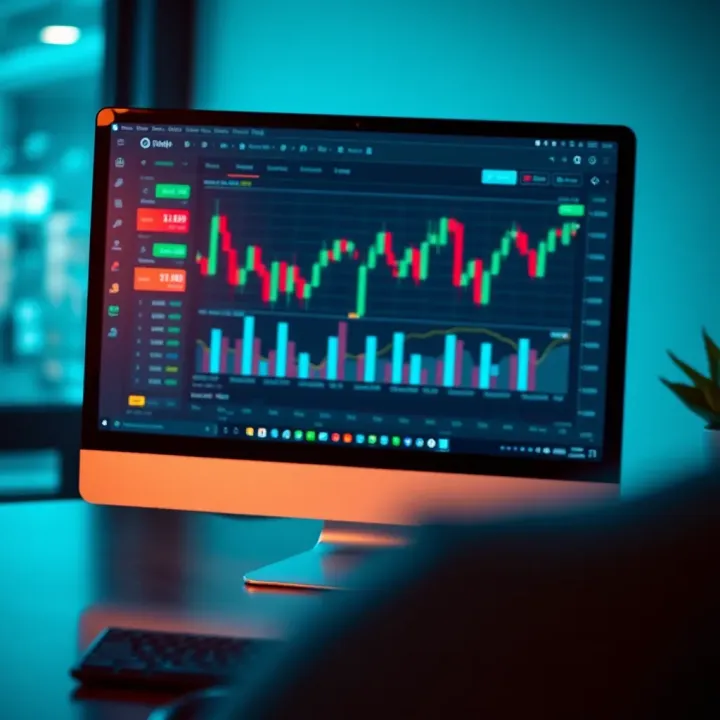
With a demo account, you get access to live price feeds, virtual funds, and the full suite of trading tools offered by brokers. That means you can experiment with currency pairs like USD/ZAR or EUR/ZAR, familiarise yourself with trading platforms such as MetaTrader 4 or 5, and develop strategies based on real market conditions. It’s a practical step for anyone hoping to trade currencies seriously.
But a demo account isn’t just about trial and error. It’s also a space to test your emotional reactions. Trading isn’t just numbers; it’s about controlling impulses when markets shift unexpectedly. For example, you might notice how easy it is to get excited chasing a winning streak, or how tempting it is to hold onto losing trades hoping they’ll reverse. Navigating these feelings before you trade live can save you from costly mistakes.
Remember, the goal isn’t just to see profit on a virtual screen, but to build solid habits and understand market mechanics under pressure.
Setting up a demo account with South African brokers like IG, Plus500, or HotForex usually takes only minutes and no deposit. Most platforms provide a set amount of virtual money, often around R1,000,000, to get started. You can reset your balance or open multiple accounts for different strategies.
Still, keep in mind, demo accounts have limitations. They don’t entirely mimic the psychological stress of risking real money, and slippage or liquidity issues common in live markets might be absent. That said, for beginner traders and even intermediates looking to sharpen skills, demo accounts remain an indispensable tool.
Next up, we’ll explore how to set up your demo account effectively and tips to make your practice productive in the South African market context.
A demo forex trading account serves as a hands-on learning space where South African traders can practise currency trading without risking real money. This tool plays a key role for beginners wanting to familiarise themselves with the forex market or for experienced traders to test strategies before committing capital.
Demo accounts provide a simulated platform that mirrors real forex markets. Traders interact with live charts, currency pairs, and trading tools, but all trades are executed using software that doesn’t affect actual market positions. This setup allows you to learn the trade mechanics in a realistic but controlled setting. For instance, a Gauteng-based novice using a demo account can experiment with buying and selling USD/ZAR pairs without worrying about losing Rands.
Since demo accounts use play money, you get to practice without financial pressure. This is particularly useful for testing how different strategies work under various market conditions, such as during volatile sessions caused by events like SARB interest rate announcements. Without the fear of losing money, traders can gain confidence and understand trading psychology before moving to live accounts.
Instead of real cash, demo accounts provide you with virtual funds, usually a set amount such as R10,000 or R100,000 in simulated currency. You place trades using these funds exactly as you would with real money, allowing you to experience position sizing, risk management, and order execution firsthand. This setup means no real losses, but your decision-making has genuine consequences on your demo balance.
To ensure an authentic feel, demo accounts offer live market data feeds. Prices update in real time, reflecting the same currency fluctuations you’d see in live trading — whether it's the EUR/USD or GBP/ZAR. This accuracy helps you understand how market volatility affects your open positions, helping you build intuition for timing entries and exits effectively.
The main gap between demo and live trading often lies in emotions. Trading with virtual money lacks the real stress of risking actual capital; this can lead to overconfidence or careless mistakes that would be costly in live markets. For example, a trader might repeatedly test high-risk strategies on a demo without feeling the sting of loss, which rarely translates well once real money is involved.
While demo accounts often reflect live price movements, execution can differ. In live accounts, orders might face slippage or delays—especially during volatile times or low liquidity—as brokers and liquidity providers process trades. Demo platforms might not simulate these conditions fully, giving an unrealistic impression of instant fills or perfect execution.
Understanding these core aspects of demo accounts helps South African traders set realistic expectations and make the most of their practice before stepping into live forex trading.
Opening a demo forex trading account is a vital stepping stone for South African traders looking to gain hands-on experience without the risk of losing real money. Setting up this account correctly lays the foundation for developing valuable skills, understanding market dynamics, and testing strategies in an environment that closely reflects live conditions. Important considerations like choosing the right broker and knowing the technical requirements can save you from unnecessary headaches further down the line.
South African traders should prioritise brokers that offer competitive spreads and low fees, especially considering the volatile rand exchange rates. Also, many brokers cater specifically to South African clients by providing Rand-denominated accounts, which helps manage currency conversion costs. Choosing a broker with clear, localised customer support can also make a huge difference when questions pop up – nobody wants to be left waiting for help in a different time zone.
Be mindful that brokers based offshore may have lower regulatory scrutiny, increasing risks for traders. It’s often safer to select brokers with a strong track record and positive reviews from local trading communities.
Regulation is crucial for protecting your funds. Brokers regulated by well-known authorities such as the Financial Sector Conduct Authority (FSCA) in South Africa or international bodies like the FCA (UK) tend to enforce stricter controls. This reduces risks related to fraud, mismanagement of client funds, or unfair trading practices.
South African traders should also verify whether the broker complies with anti-money laundering laws, including the Financial Intelligence Centre Act (FICA) requirements. Registered brokers typically implement these procedures during account verification, giving you peace of mind that your trading is above board.
Creating a demo account usually requires only basic information: a valid email address, phone number, and sometimes residential details. South African traders can expect to submit their ID or passport number especially if upgrading to live accounts later.
Always check that your broker allows seamless switch-over from demo to live trading within the same platform – this makes preserving your progress easier and keeps your learning curve smooth.
Though demo accounts often have minimal verification, verified user status can unlock additional features or higher virtual funds to test. Live account upgrades certainly involve more rigorous checks such as proof of address and identity documents, aligning with FICA regulations.
Verification procedures might feel tedious, but they are necessary for your protection and to avoid issues when you eventually deposit real funds.
Many South African brokers provide well-known platforms like MetaTrader 4 (MT4) and MetaTrader 5 (MT5), which are standards in forex trading worldwide. These platforms offer a wealth of charting tools, expert advisors, and community plugins that help refine your trading skills.
Some brokers also supply their own proprietary platforms with user-friendly interfaces tailored for beginner traders. For example, a local broker might integrate features like automated market news in South African rand or economy indicators relevant to Mzansi's markets.
Having both desktop and mobile access means you can trade or practise anywhere. MT4 and MT5 support both Windows/macOS desktops and Android/iOS mobiles – handy for testing trades during a commute on a taxi or in a coffee shop stoep.
Mobile platforms often have more limited tools but are great for managing open positions and tracking market movements. Desktop versions suit in-depth analysis and strategy testing with multiple charts.
Reliable access to trading platforms and tools ensures that your demo account experience closely mimics live conditions, which is key to building effective forex trading skills.
In summary, carefully choosing your broker, understanding verification steps, and familiarising yourself with trading platforms will set you off on the right foot for demo forex trading in South Africa. This approach minimises surprises and readies you to move confidently from demo to live markets.
A demo forex account serves as a vital rehearsal space for South African traders looking to sharpen their skills without risking real money. It's more than just clicking buy and sell—it allows you to practise crucial elements such as trade execution, risk management, and psychological readiness. Using it effectively can bridge the gap between theoretical knowledge and practical experience, setting you up for a smoother transition into live trading.
Entering and exiting trades form the bread and butter of forex trading. With a demo account, you can get familiar with the timing and mechanics involved. For example, you can simulate buying the EUR/ZAR at an opportune moment and then practise closing that position when the market moves favourably. This helps you understand platform features like market orders, limit orders, and stop orders, plus you'll get to grips with response times — important for markets like forex where seconds can make a difference.
Testing different strategies in a risk-free setting lets you see what actually works. Whether you want to try scalp trading during times when the rand is volatile, or test a swing strategy on GBP/USD, the demo account lets you experiment without stress. For instance, you might test a momentum strategy during Johannesburg trading hours and check if it holds up overnight, noting the outcomes before deciding if it suits your style.
Setting stop-loss and take-profit levels on your trades is a fundamental part of protecting your capital. A demo account lets you practise placing these limits consistently. This is especially useful for beginners who tend to hesitate or move stops too often. Say you spot a potential drop in USD/ZAR; placing a sensible stop-loss early guards against sudden swings, while a realistic take-profit can lock in gains — seeing these in action on the demo builds good habits.
Position sizing is another critical skill. Too big a position on a single trade can wipe out your account quickly, so practising sizing according to your virtual balance helps with discipline. For example, if your demo account holds R200,000, learning to trade no more than 2% of your balance per position teaches you how to stay within limits and survive inevitable losing streaks.
Even in a demo setting, handling simulated losses is key. The main difference is you don’t lose real cash, but the emotional response counts just the same. Developing a way to stay calm through a string of losing trades builds resilience. For South African traders facing unpredictable rand moves, maintaining cool heads in demo losses prepares you mentally for live markets.
Lastly, developing a consistent approach is often the differentiator between hobbyists and professional traders. Practice sticking to your trading plan on the demo — whether it’s following certain technical indicators or only trading during peak hours like the London/New York overlap. This breeds discipline and helps avoid the temptation to chase losses or jump into trades impulsively.
Using a demo forex account wisely isn’t just practice; it’s building a solid foundation of skills and habits essential for thriving in the real forex arena. For South African traders, it offers a no-risk chance to familiarise themselves with local and international market rhythms, hone strategies, and get comfortable with the quirks of trading platforms.
This hands-on rehearsal will make the step to live trading much less daunting, helping you avoid early mistakes that cost dearly. Remember, the market waits for no one, but smart traders take their time to prepare well in advance.
Demo forex trading accounts offer South African traders a low-risk platform to sharpen their skills before committing real money. Understanding both the advantages and drawbacks keeps traders realistic about what these accounts can provide. While demo accounts allow hands-on experience with market conditions and trading tools, they don’t capture all aspects of live trading. Recognising this balance prepares you to use demo trading effectively, without overestimating its accuracy.
No financial risk
One of the biggest draws of a demo forex account is the absence of financial risk. You trade with virtual money, so even if a trade goes south, your Rand stays untouched. For example, imagine testing a new strategy during volatile times like South Africa’s election season or amid Eskom loadshedding uncertainty—your losses are just numbers on the screen, not painful hits to your wallet.
This safety net encourages experimentation. You can try out different currency pairs like USD/ZAR or EUR/USD without worrying about early blunders costing you. It’s a practical way to build confidence without the stress of losing real capital.
Familiarisation with market conditions
Demo accounts use live or near-live market data, allowing you to get comfortable with price movements, spreads, and overall market behaviour. For a South African trader, this means seeing how Rand pairs react during events like SARB interest rate announcements or global economic shocks firsthand.
This exposure helps you understand trading hours, volatility patterns, and how economic news can influence prices—without putting cash on the line. Over time, this familiarity can improve your timing and decision-making abilities when you move onto live trading.
Lack of real emotions
Trading a demo account removes the emotional aspect that makes live trading tough. Since there’s no real money at stake, fear, greed, or anxiety don’t hit you the same way. This difference means traders might take bigger risks on demo accounts or ignore sound money management principles.
For example, you may ignore stop-loss rules because losing no real money feels harmless. But in a real account, these emotions can prompt hasty decisions or hesitation, which demo trading won’t prepare you for fully.
Potential overconfidence
Because trades in a demo account don’t cost you, it’s easy to develop false confidence. Success with virtual funds might tempt you to jump into real trading too soon, thinking the market is “easy.”
A South African trader might feel ready after a streak of wins on USD/ZAR, but real trading often involves slippage, emotional pressure, and unexpected events. Overconfidence can lead to larger trades than your capital can handle or ignoring proper risk controls.
Execution delays and slippage differences
Demo accounts generally provide idealised trade executions. But in live markets, especially volatile ones, orders might fill slower or at different prices due to slippage, requotes, or broker outages.
South African traders dealing with less liquid pairs or trading during major news events might notice these gaps more sharply. Demo trading won’t prepare you for the frustration or quick adjustments needed when your limit order doesn’t trigger at the expected price.
Psychological factors
The psychological pressure of trading with real money is hard to mimic in a demo account. Factors such as fear of losing your savings or the urge to recover losses quickly influence live decisions strongly.
While demo trading builds technical skills, it doesn’t train your mind to handle stress, the rollercoaster of emotions during big losses, or managing mental discipline during a drawdown. This limits how fully demo trading prepares you for the realities of live markets.
A demo forex account is a valuable training ground but should be seen as an introduction rather than a full rehearsal for live trading.
Understanding these benefits and drawbacks helps South African traders make the most of demo accounts while being aware of where they must adapt when real money comes into play.
Transitioning from a demo forex account to live trading is a big step. While demo accounts provide a safe space to build skills, live trading introduces real money and emotional pressure. South African traders need to be prepared for these changes to avoid common pitfalls and make the most of their trading journey.
Setting realistic expectations is crucial before trading live. Many traders expect to jump straight into winning trades, but the reality often involves learning from losses and adjusting strategies. Think of it like starting a new job—there's a learning curve before you hit your stride. For example, a trader in Johannesburg might find initial losses frustrating but should see them as part of gaining experience rather than a reason to quit.
Understanding capital requirements helps you avoid risking more than you can afford. Demo accounts often provide large virtual balances, which isn't the case in live trading. South African traders must decide on an amount they can afford to lose without affecting daily living. For instance, starting with R5,000 rather than R50,000 allows one to test the waters while staying financially cautious.
Managing fear and greed is arguably the toughest part of live trading. When real money is at stake, fear can cause hesitation, and greed can lead to reckless decisions. Imagine missing out on a profitable move because fear held you back or overcommitting because of greed. Recognising these emotions and learning to control them keeps trading consistent and rational.
Sticking to your strategy is essential to avoid chasing losses or abandoning well-planned moves. While demo trading lets you experiment freely, live trading demands discipline. Suppose you planned to close trades at a 2% loss but end up holding out hoping for a turnaround—this often results in bigger losses. Keeping to your rules prevents emotional decisions that can drain your capital.
Using analysis tools like moving averages, RSI, or Fibonacci retracements helps traders make informed decisions. South African platforms such as MetaTrader 4 or 5 offer these features. Staying adept with these tools keeps you sharp, especially as market conditions change.
Following relevant economic news affects currency values, especially with events like SARB policy announcements or political developments. For example, when the South African Reserve Bank changes interest rates, the rand can fluctuate noticeably. Keeping up with such news equips traders to adapt strategies timely, rather than trading blindly.
Transitioning from demo to live trading involves more than just technical skills—it requires emotional readiness and ongoing learning to navigate real market challenges. Being prepared in these areas can greatly improve your chances of success as a South African forex trader.
📈 Discover how forex demo accounts help South African traders practise risk-free, build confidence, and pick the right broker before investing real Rs. 💡

📈 Master forex trading with practical tips for South African traders! Learn local market steps, risk management, analysis tools & disciplined habits for steady success.

💱 Get a clear view of forex trading in South Africa - learn how the market works, who takes part, risks involved, and key tips for beginners ready to trade currencies.
📉 Curious about forex trading? Learn how South Africans can trade currencies, spot risks, find trusted brokers, and make informed decisions in the local and global market. 💹
Based on 7 reviews