
Understanding Live Forex Trading for South Africans
🌍 Explore live forex trading in South Africa with practical tips on real-time currency buying, risk management, essential tools, and local regulations for traders.
Edited By
James Harwood
Forex trading, or foreign exchange trading, is the process of buying and selling currencies with the aim of making a profit from changes in their exchange rates. Unlike buying shares or property, forex is all about trading currencies like the US dollar, euro, or South African rand against each other. It’s the world’s largest financial market, handling more than $6 trillion every day.
Each trade involves two currencies, known as a currency pair. For example, the USD/ZAR pair reflects how many South African rand one US dollar can buy. If you believe the rand will weaken against the dollar, you’d buy USD/ZAR, hoping to sell it later at a higher price. The reverse applies if you think the rand will strengthen.
South African traders often use online platforms provided by brokers like IG, EasyEquities Forex, or local offerings from FNB and Standard Bank to access the market. These platforms display live prices, let you place trades, and offer tools to help manage risks.
The market is a mix of banks, hedge funds, corporations, governments, and retail traders. Banks and corporations often trade large sums to handle international business, while retail traders—individuals like you—speculate on price movements for profit.
Forex is known for volatility. Prices can swing sharply within minutes due to economic events, geopolitical news, or central bank decisions like those from the South African Reserve Bank (SARB). This creates opportunities but also risks.
Important: Because of leverage, you can control large positions with a small deposit, but this also means losses can exceed your initial investment if not managed carefully.
To begin, educate yourself on currency pairs, how news affects the markets, and risk management strategies such as stop-loss orders. Choosing a regulated broker registered with the Financial Sector Conduct Authority (FSCA) is crucial to safeguard your funds.
Fund your trading account responsibly, considering transaction costs and the impact of currency conversion if depositing in foreign currency. Starting small and practising on demo accounts before trading live can help build confidence.
With steady learning and disciplined strategies, forex trading can offer South Africans an accessible way to participate in global finance and currency movements. Just remember, there’s no shortcut—experience and care matter most.
Grasping the fundamentals of forex trading is the first step to effectively navigating this vast financial market. For South African traders, understanding the core concepts isn't just academic — it shapes how you approach trading decisions, manage risks, and ultimately find opportunities. Without a solid foundation, it’s easy to get lost in jargon or react poorly to market moves. For instance, knowing how currency pairs move can help you spot when the rand might strengthen or weaken, which can influence your trades.
Definition of forex trading: Forex trading involves buying one currency while simultaneously selling another, aiming to profit from fluctuations in their exchange rates. It's essentially a global marketplace where currencies are swapped, making it the largest financial market worldwide. For example, trading the EUR/USD pair means you're exchanging euros for US dollars, anticipating the euro will either rise or fall in value relative to the dollar.
How currency pairs work: Currencies are always quoted in pairs, like ZAR/USD or GBP/JPY. The first currency is the base, and the second the quote or counter currency. If the pair ZAR/USD moves from 0.068 to 0.07, the rand has strengthened because you now get 0.07 USD for every rand instead of 0.068. Understanding this helps traders make sense of market moves and decide when to buy or sell a pair based on economic news or market sentiment.
24-hour market cycle: The forex market runs 24 hours a day across different time zones, closing only on weekends. Trading starts early Monday in Asia and moves westward with major financial hubs opening and closing. South African traders can actively engage during their daytime, interacting with Asian and European markets, which adds liquidity and opportunity. This continuous cycle means price changes can come at any time, requiring traders to stay alert or plan their strategies to avoid unexpected gaps.
Major trading centres globally: The biggest forex hubs are London, New York, Tokyo, and Sydney. London's market dominates with around 30% of daily forex turnover, offering tight spreads and high liquidity. For South Africans, the overlap of European and US market hours is vital because that’s when the rand tends to see more movement, influenced by news from these centres.
Liquidity and market size: Forex trading boasts immense liquidity; daily turnover exceeds US$6 trillion globally. This means trades can be executed quickly with minimal price disruption. For traders here, it means entering and exiting positions is generally smooth, even with large orders. The sheer size also allows traders to access diverse currency pairs beyond just the rand, offering more avenues to diversify risk or capitalise on global trends.
Understanding these basics grounds you in how forex works in practice, especially tailored to South African trading realities and market times. It’s like knowing the road network before driving in a new city — without it, you’re just guessing your way around.
Understanding who actually moves money around in the forex market helps paint a realistic picture of how currency trading works. Each player has different motives and scale, which can shape market trends and impact traders’ decisions. This section breaks down the primary participants and their roles, alongside how brokers and trading platforms facilitate access for everyday South African traders and investors.
Central banks, like the South African Reserve Bank (SARB), sit at the heart of forex markets worldwide. They intervene to stabilise or influence their national currencies by buying or selling large amounts of currency or adjusting interest rates. For instance, SARB’s repo rate changes can affect the rand’s strength against the US dollar or euro. When a central bank decides to defend its currency during times of volatility, this can lead to sharp swings forex traders need to watch closely.
Commercial banks account for the majority of forex trading volume globally. Big players like Standard Bank, Absa, or FNB operate huge desks handling interbank transactions and client orders. These institutions provide liquidity, meaning they make it smoother for other participants to buy and sell currencies without drastic price gaps. Their large-scale trading often sets price trends that ripple through to smaller players.
At the retail level, individual traders participate via brokers who provide platforms and access to the broader market. This group has expanded dramatically in South Africa thanks to technology and regulation improving transparency and security. Retail traders typically trade smaller volumes but influence market sentiment. Selecting the right broker—preferably one regulated by the Financial Sector Conduct Authority (FSCA)—is a key practical step to safeguard your trading experience.
South African traders usually encounter two primary broker types: market makers and ECN/STP (Electronic Communication Network/Straight Through Processing). Market makers take the opposite side of your trade and sometimes control spreads. ECN/STP brokers pass trades directly to liquidity providers (like banks) offering tighter spreads but charging commission fees. Understanding this difference helps you select a broker aligning with your trading style and risk comfort.
Forex trading platforms like MetaTrader 4 and 5 or proprietary software from brokers act as the bridge between traders and the forex market. These platforms provide real-time pricing, charts, news, and order execution tools. For South African users, reliable internet and platform stability are crucial due to factors like occasional loadshedding disruptions. Many platforms also allow demo accounts, which help beginners practise without risking real money before moving to live trading.
Brokers and platforms are your gateway to the forex world—choosing well can make or break your trading journey.
In essence, knowing who the key players are helps South African traders understand market behaviour and make more informed choices about their strategies and partners in forex trading.
Understanding what moves currency prices is key for any forex trader, especially in the South African context. Currency values fluctuate partly because of real-world economic shifts, political decisions, and shifting trader moods. Grasping these factors helps you make smarter trading moves and avoid nasty surprises.
Central banks, like the South African Reserve Bank (SARB), affect forex markets by setting interest rates. When the SARB raises rates, it often means the rand offers better returns, attracting foreign investors. This can push the rand up because more money flows into South Africa. Conversely, cutting rates might weaken the rand since returns look less attractive. For example, during high inflation periods, SARB might hike interest rates to curb spending, which could boost the rand temporarily.
Inflation shows how fast prices rise in the economy. High inflation erodes a currency’s purchasing power, making it less valuable internationally. Traders watch inflation numbers closely to guess whether interest rates might change. For instance, if South Africa reports inflation higher than the SARB’s target, the market might expect rate hikes, strengthening the rand. On the flip side, stable inflation tends to support steady currency movements.
Employment stats reflect economic health and help traders anticipate policy moves. A declining unemployment rate usually signals economic growth, which can attract investment and strengthen the currency. For South Africa, if quarterly labour market surveys show job creation picking up, the rand might respond positively. Meanwhile, rising unemployment could indicate economic trouble, weakening the currency as investors look elsewhere.
Changes in government policy—like new tax laws, trade agreements, or budget announcements—have a direct impact on currency values. If the South African government introduces policies encouraging foreign investment or improving fiscal discipline, the rand stands to benefit. But uncertainty or unpopular decisions can spook markets and cause the rand to dip quickly.
Events like elections, protests, or regional conflicts influence market confidence. For example, political unrest in the townships or shifts in international relations with trading partners cause volatility in the rand. In 2021, for example, unrest in KwaZulu-Natal and Gauteng shook investor confidence, causing a dip in the rand's value. Traders watching these developments adjust their positions to manage risk.
Currency markets aren’t just numbers; they’re driven by how traders feel — fear, greed, confidence. This sentiment can push prices beyond fundamental values. For instance, if traders expect the rand to weaken after a negative report, they might sell early, causing the currency to drop. Understanding this helps you spot when markets might be overreacting based on emotion rather than facts.
Forex traders mix both technical (charts, patterns, indicators) and fundamental analysis (economic data, news). Technical tools help identify trends and entry points, while fundamentals provide context. For South African traders, combining both gives a fuller picture. For example, a positive inflation print coupled with a bullish chart pattern for ZAR/USD could signal a good buy opportunity. Ignoring one in favour of the other can lead to missed chances or unexpected losses.
Stay sharp by watching economic releases, keeping an eye on political news, and reading the market mood. These elements shape currency movement day-to-day and help you plan your trades better.
By tuning into these factors, South African traders can better navigate the forex market’s twists and turns, boosting their chances of success.
Understanding the risks and rewards of forex trading is vital before jumping in. Forex offers exciting opportunities to earn profits, but it also carries significant risks that South African traders must carefully weigh. Being clear on this balance helps you manage expectations and safeguard your investment.
Forex trading can offer potential profits thanks to the constant shifts in currency exchange rates. For example, if you buy US dollars (USD) when it’s weak compared to the rand (ZAR) and sell when it strengthens, you stand to make a gain. Traders often exploit such movements, even if small, but frequent, over short time frames.
This market's global nature means price movements occur around the clock, allowing you to respond quickly to economic news or events. That said, making a consistent profit requires understanding market trends, timely decision-making, and discipline.
The forex market is by far the most liquid financial market worldwide, with daily trading volume exceeding US$6 trillion. This means you can buy or sell large amounts of currency without drastically affecting prices. For South African traders, high liquidity ensures you can enter or exit positions smoothly without waiting for a buyer or seller.
Liquidity also means tighter spreads — the difference between buy and sell prices — which lowers trading costs. Imagine trying to sell your foreign currency just before travelling abroad; in a liquid market, you won’t be stuck with unfavourable rates or delays.
Forex trading has become accessible to individuals thanks to online brokers and trading platforms. Unlike the JSE, you don’t need large sums or complex procedures to start. A modest deposit with a recommended broker can get you going.
Plus, South Africans can try demo accounts that mimic live conditions but use virtual money. This allows you to learn and test strategies without risking real cash. Accessibility levels the playing field but requires serious learning and caution.
Forex prices can swing wildly due to economic data releases, political changes, or global events. Such volatility offers profit chances, but it also means losses can stack up fast. For instance, unexpected news about interest rate hikes or protests in a country might cause the rand to tumble sharply.
Without solid risk controls, traders can suffer steep losses, especially if they hold positions during unpredictable events. Volatility demands vigilance and a well-practised exit plan.
Leverage lets you control a large trade with a small deposit, amplifying both gains and losses. Suppose you use 100:1 leverage to buy $10,000 worth of currency with only R1,000 deposit. A 1% market move against you wipes out your deposit.
While tempting, leveraging can lead to rapid liquidation of your account if the market turns against you. South African regulators, through the FSCA, advise cautious leverage limits and stress risk management.
Unfortunately, forex is a magnet for scams, especially online. Some fraudulent brokers or signal providers promise guaranteed profits but end up siphoning investors' money. Common red flags include unsolicited offers, unrealistic returns, and pressure tactics.
It’s crucial to trade only with FSCA-registered brokers and verify their credentials. Being sceptical and doing your homework protects you from falling victim to scams that plague the trading community.
Always balance profit prospects against the risks. Learning, patience, and trusted partners make forex trading a more manageable endeavour for South African traders.
Starting forex trading in South Africa means understanding local conditions as much as the market itself. The regulatory environment, choosing the right broker, setting up an account correctly, and knowing how to manage risks and trading psychology all shape your chances of success. Unlike just jumping in without preparation, taking these practical steps can help protect your capital and build confidence in your trading.
The Financial Sector Conduct Authority (FSCA) is South Africa’s watchdog for financial services, including forex trading. Its role is to regulate and oversee the behaviour of brokers and trading service providers to ensure fair treatment of traders. If your broker is FSCA-registered, it means they comply with South African laws designed to protect clients from unscrupulous practices.
Choosing a registered broker also comes with practical benefits. For instance, FSCA-regulated brokers must hold client funds separately from company accounts, which means your money isn’t mingled with theirs and has added security. Plus, if disputes arise, you have a local body to turn to rather than chasing foreign regulators far away.
Most brokers in South Africa offer various account types catering to different trading styles and budgets. Beginners might start with a micro or mini account, which require less capital and allow smaller trade sizes. More experienced traders often opt for standard accounts with better spreads and more features. It’s crucial to pick an account type that suits your goals and risk appetite.
The Financial Intelligence Centre Act (FICA) verification process is mandatory in South Africa. This means you need to submit proof of identity, like your South African ID or passport, plus a proof of address such as a utility bill. While it might feel like an extra step, FICA compliance helps curb financial crimes and ensures you’re trading legally.
Risk management is your safety net in forex trading. Using stop-loss orders limits potential losses on each trade. For example, if you open a position on USD/ZAR today, setting a stop-loss 100 pips away means your loss won’t spiral beyond what you can handle financially. Never risk more than 1–2% of your trading capital per trade.
Demo accounts let you practise trading with virtual money without risking your savings. It’s a safe space to understand the trading platform, test strategies, and get used to market moves without pressure. Think of it like learning to drive in a quiet suburb before hitting highway traffic.
Trading psychology is often overlooked but can make or break your success. Staying disciplined, avoiding chasing losses, and not letting emotions dictate decisions are vital. Many beginners feel the sting of fear or greed but learning to recognise these feelings helps you maintain clear judgement.
Starting forex trading in South Africa with the right footing means respecting the rules, managing your risks, and teaching yourself to trade with a cool head. It’s a marathon, not a sprint.
🌍 Explore live forex trading in South Africa with practical tips on real-time currency buying, risk management, essential tools, and local regulations for traders.
📈 South African traders, find forex software that matches your trading style, offers local market access, keeps costs fair, and stays within regulatory rules. 💼💰
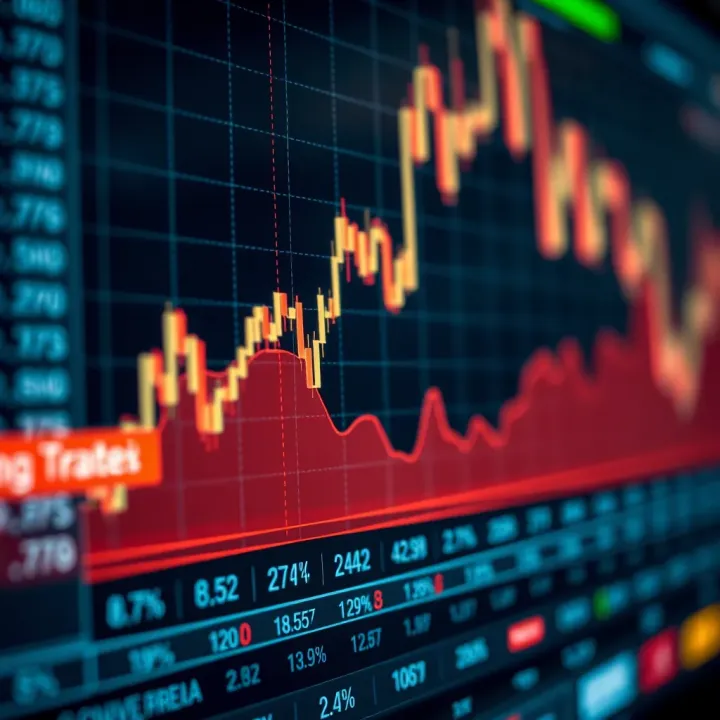
📈 Master forex trading in Nigeria with this practical guide! Learn market basics, start trading smart, manage risks well, and grab success in ₦ trading.
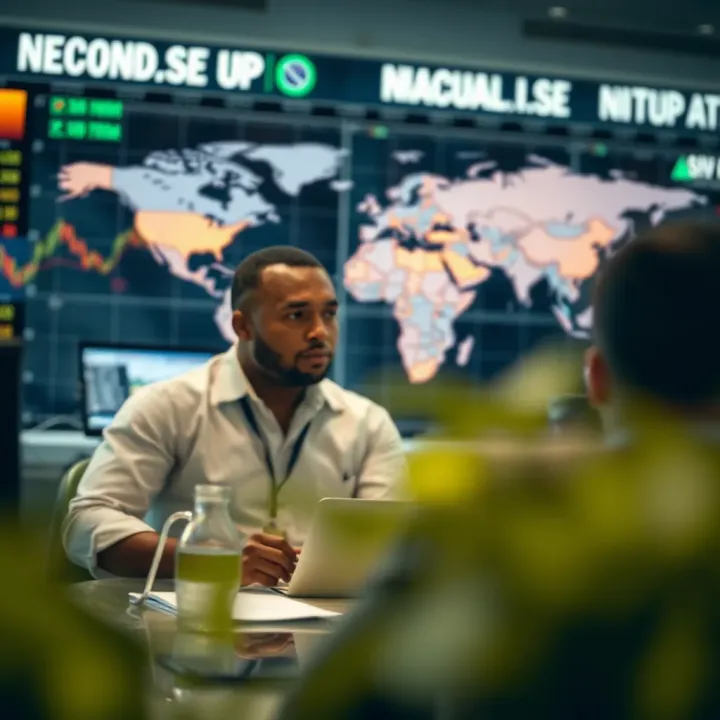
📉 Curious about forex trading? Learn how South Africans can trade currencies, spot risks, find trusted brokers, and make informed decisions in the local and global market. 💹
Based on 6 reviews