

Candlestick Patterns Cheat Sheet for SA Traders
📈 Master key candlestick patterns to read charts like a pro. Learn how to combine signals, manage risks, and build trading strategies tailored for South African traders.
Edited By
Charlotte Williams
Understanding candlestick patterns is key to reading financial charts and making smarter trading moves. These patterns reveal the battle between buyers and sellers, highlighting moments when the market may reverse direction or keep heading the same way. For South African traders, grasping these signals can sharpen decisions in markets ranging from the JSE to forex and commodities.
Candlestick charts display price movement within a specific period through shapes called 'candlesticks'. Each candle shows the opening, closing, high, and low prices. Unlike simple line charts, candlesticks provide rich visual cues about market sentiment. For example, a long green candle indicates strong buying pressure, while a red candle with a long upper wick suggests selling pressure.

Recognising reliable candlestick patterns helps traders anticipate potential price moves and manage risks better.
There are two broad categories to keep in mind:
Bullish patterns signal the potential for upward price movement, often occurring after a downtrend.
Bearish patterns hint at a possible price decline, typically showing up after an uptrend.
A few well-known patterns appear regularly, such as the hammer, shooting star, engulfing patterns, and doji candles. These may indicate reversals or continuations depending on their formation and context in the chart.
Mastering candlestick patterns requires practice. Reading them alongside volume data, support and resistance levels, and broader market trends will improve their effectiveness.
This guide distils the essentials: from understanding basic candlesticks to spotting key reversal and continuation signals. You’ll learn practical tips to identify valid patterns and avoid common pitfalls. Whether trading blue-chip JSE shares or volatile forex pairs, this cheat sheet aims to make candlestick reading more straightforward and actionable.
In short, getting to grips with candlestick patterns is not just about memorising shapes. It’s about interpreting what the market's telling you right now—not tomorrow. That approach helps you make decisions with greater confidence and less second-guessing.
Candlestick charts provide a rich visual representation of price movements, making them one of the most popular tools among traders. Grasping their basics lays a solid foundation for spotting market trends and making informed decisions. When you understand what each candle tells you about price action, you avoid guesswork and trade with clearer intent.
Each candlestick summarises four key price points within a chosen timeframe: the opening price, the highest price, the lowest price, and the closing price. For example, in a 1-hour chart of a JSE-listed stock like Sasol, the candle's body stretches between the open and close, while the wicks (or shadows) mark the high and low during that hour. These points capture the battle between buyers and sellers over that span.
Knowing these values helps traders identify not just where price started and ended, but also the volatility and intensity of moves within the period.
Candlesticks do more than show price—they carry clues about market psychology. A long-bodied green (or white) candle suggests strong buying pressure, typically seen as optimism among traders, while a long-bodied red (or black) candle indicates selling pressure and possible pessimism. On the other hand, small-bodied candles with long wicks often signal indecision—buyers and sellers are at odds, usually before a shift.
For instance, if the Sasol share price forms several green candles with small wicks, it shows buyers are comfortably steering prices higher, which might indicate potential for continued gains.
The body of the candle is the solid portion between the open and close prices. The thin lines sticking out—called wicks or shadows—represent price extremes beyond the open or close within the timeframe. These parts show areas where buyers and sellers tested price but didn't hold control.
A candle with a long upper wick and short body hints sellers pushed the price down after a rally attempt. Such details aid traders in reading short-term market ‘mood swings’ and timing entries or exits.
Colours quickly tell traders the general direction of price movement during the candle’s timeframe. Typically, green or white candles indicate bullish movement (closing price higher than opening), while red or black candles show bearish movement (closing price lower than opening).
Choosing colours that stand out clearly on your chart helps to scan for momentum shifts. In South African trading platforms like EasyEquities or ThinkMarkets, users often customise colours for better personal readability during fast-moving sessions.
Candlesticks work differently depending on the timeframe. A 5-minute candle captures just a snippet of market action and tends to be noisy and sensitive to small fluctuations. Meanwhile, a daily candle smooths out intraday wiggles to show broader trends.
For example, a Doji candle that looks like indecision on a 15-minute chart might mean little in a monthly chart, which instead signals long-term stability or reversal cues.
Picking the right timeframe aligns your trading style with market context. Scalpers and day traders might focus on 1-minute to 15-minute charts for quick moves, while swing traders usually prefer daily or 4-hour charts for bigger trends.
Choosing timeframes linked to your strategy and risk appetite prevents misreading signals. For instance, a JSE trader aiming for weekly gains shouldn't react hastily to 5-minute candle patterns triggered by momentary market noise.
Understanding candle basics with context and timeframe awareness is key to making clearer, more confident trades without chasing false signals.

Bullish candlestick patterns highlight moments when buyers start to gain control, signalling potential upward movements in price. For traders keeping an eye on the JSE or commodity markets like gold and platinum, recognising these patterns can help time entries more effectively. Knowing when a market shows strength lets you position early before prices climb, which is valuable whether you trade shares like Naspers or mining counters like Sibanye-Stillwater.
Identifying key features: The hammer candle shows a small body near the top of the range with a long lower wick, while the inverted hammer has a small body near the bottom with a long upper wick. Both typically appear after a downtrend or pullback. Their shape reflects rejection of lower prices—for example, a share might dip sharply during the day but closes near the open, suggesting buyers resisted further falls.
What they signal about price direction: These candles indicate that sellers tried to push prices down but couldn’t maintain control. The hammer’s long lower wick suggests buying interest stepping in, possibly foreshadowing a reversal or at least a pause in the downtrend. On the other hand, the inverted hammer hints at buying pressure but needs confirmation from the next candles since selling pressure still shows strength. In practice, seeing a hammer on the Sasol chart after a dip could suggest buyers are ready to rally.
How to recognise these formations: A bullish engulfing pattern occurs when a small bearish candle is followed by a larger bullish candle that completely ‘engulfs’ the previous body. This suggests a strong shift from sellers to buyers. The piercing line pattern is a two-candle reversal where the second bullish candle opens below the first candle’s low but closes above its midpoint, signalling growing buyer control.
Practical examples from South African markets: For instance, during a recent pullback in MTN shares, a bullish engulfing pattern appeared on the daily chart followed by a steady price rise. Similarly, in the platinum market, piercing lines have coincided with recoveries after dips, aligning with global demand boosts. Traders who spot these signals early can catch profitable upward swings before mainstream market moves.
Structure and components: The morning star is a three-candle pattern marking a strong reversal. It starts with a long bearish candle, followed by a small-bodied candle reflecting indecision (could be a doji or spinning top), and finally a large bullish candle closing well into the first candle’s body. This sequence shows a shift from selling pressure, hesitation, then buying confidence.
When it indicates a trend reversal: This pattern typically appears at the end of downtrends and signals a potential upturn. For example, if the Shareholder Weekly Index shows a morning star pattern, it might hint at a rally starting soon. Confirmation often comes with increased volume or positive macro news supporting the shift. Recognising this can give traders an edge, avoiding catch-the-falling-knife mistakes.
Spotting these bullish patterns helps South African traders anticipate changes before price jumps, especially in markets with volatile swings like mining shares or currency pairs involving the rand.
By focusing on these patterns and combining them with volume or trendline support, you gain practical insight that could improve your trading accuracy and timing in the local market.
Recognising bearish candlestick patterns is essential for traders aiming to time their exits or anticipate downward price movements. In the South African market, where commodities and shares often experience sudden pullbacks due to local and global factors, spotting these signals can prevent unnecessary losses or open short-selling opportunities. Bearish candles highlight moments when sellers overpower buyers, hinting at a potential drop.
Visual characteristics: The shooting star has a small body near its low end with a long upper wick at least twice the length of the body. It usually appears after a price rally, indicating buyers pushed prices higher but failed to hold them there. The hanging man looks similar to a hammer but appears after an uptrend, featuring a small body atop a notably long lower wick.
Market indications they provide: Both patterns signal weakness after an advance. The shooting star suggests buyers lost steam amid selling pressure, pointing to a possible reversal or pullback. Meanwhile, the hanging man warns that sellers challenged the rise, even if the candle closes near its open price. Traders in the JSE, for instance, might spot a hanging man forming on a share like Sasol after a strong climb, suggesting caution.
Pattern mechanics: A bearish engulfing pattern occurs when a large red candle completely covers the prior smaller green candle’s body, signalling a shift from buying to selling pressure. Dark cloud cover involves a red candle opening above the previous green candle’s close but closing below its midpoint, showing sellers pushing prices down after an initial gap up.
How to confirm bearish reversals: Confirming these patterns involves observing volume spikes and checking if the subsequent candle maintains downward momentum. For example, a big volume surge during a bearish engulfing in a volatile gold mining stock can reinforce the reversal signal. Traders should also look for bearish breakouts below support levels or bearish divergences on RSI to back this signal.
Identifying the pattern: An evening star forms over three candles: a large green candle, followed by a small-bodied candle (star) that gaps above the prior close, and a large red candle closing well into the first candle’s body. This pattern flags a topping out in price after an uptrend.
Its significance in signalling downturns: The evening star is a powerful bearish reversal sign, indicating buyers have lost control to sellers decisively. For local traders, spotting this on charts of heavyweights like Naspers or in commodity prices can signal a trend shift. Combining this with other indicators like moving averages crossovers enhances reliability.
Keep in mind that no single pattern guarantees a reversal. Always trade with confirmation and be mindful of broader market conditions to avoid false signals in the sometimes choppy South African markets.
Recognising candlestick patterns that indicate trend continuation is key for traders wanting to hold their positions confidently during market moves. These patterns suggest that the current trend—whether up or down—is likely to keep going, rather than reversing. This is especially practical in volatile South African markets, such as the JSE or commodity trading, where premature exits can mean missed opportunities or losses.
A Doji candle forms when the open and close prices are nearly equal, creating a cross or plus shape. There are several types, including the Standard Doji, Long-Legged Doji, Dragonfly Doji, and Gravestone Doji. Each points to a subtle but important difference in market uncertainty or potential shifts. For instance, a Dragonfly Doji with a long lower shadow shows buyers stepped in strongly after a dip, suggesting support.
Doji candles usually signal indecision, where buyers and sellers match each other closely. In a clear uptrend, a Doji can mean a brief pause before the price continues higher rather than a full reversal. So, spotting a Doji during an upward or downward trend calls for caution but also offers a chance to confirm if momentum will persist once the next candle forms.
The "Three White Soldiers" pattern shows three consecutive long bullish candles, each opening within the previous candle’s body and closing near the high. It reflects a strong, steady buying wave. Conversely, "Three Black Crows" are three long bearish candles opening within the preceding candle’s body but closing near the lows, signalling consistent selling pressure.
These patterns are reliable signs of continued momentum. For example, after a pullback on a stock listed on the JSE, spotting Three White Soldiers suggests buyers have regained control, hinting at further upside. Meanwhile, Three Black Crows after a rally warn that sellers might push prices lower. Traders usually look for volume support alongside these patterns to confirm the trend’s strength.
The Rising Three Methods pattern consists of a strong bullish candle followed by several smaller bearish or neutral candles contained within the first candle’s range, then a final bullish candle that breaks higher. It illustrates a brief pause where sellers try but fail to push prices down, affirming buyers’ dominance. The Falling Three Methods is the bearish equivalent, with a big bearish candle, small bullish or neutral candles inside it, then a further bearish close.
These patterns help traders time entries during trends. If you spot a Rising Three Methods on a resource stock responding well to local demand, it signals a chance to buy at the pullback before heading higher. The pattern’s final confirming candle usually signals the best moment to jump in. On the flip side, the Falling Three Methods warns to either short or exit long positions as downward pressure builds.
Understanding continuation patterns is a practical way to avoid jumping the gun on trades. Instead of reacting to every wobble, these candlesticks guide you to ride the trend with better confidence.
By combining these patterns with volume and general market context, South African traders can sharpen their strategies, especially in markets where volatility and sudden moves are common. Keep an eye on the patterns, but always double-check with other tools to confirm your trades.
Using candlestick patterns can sharpen your trading decisions, but understanding how to apply them practically is key. These patterns offer snapshots of price action and market sentiment, yet pairing them with other tools enhances reliability. Also, avoiding common pitfalls helps you interpret signals more accurately, especially in South Africa’s unique market environment.
Candlestick patterns on their own can mislead. For instance, a bullish engulfing candle might suggest a trend reversal, but confirming it with indicators like the Relative Strength Index (RSI) or Moving Averages (MA) strengthens the signal. If the RSI shows oversold conditions alongside the pattern, it boosts confidence to enter a buy position.
Indicators help filter out noise. For example, in volatile JSE shares, combining candlestick signals with a 50-day MA cross can avoid false alarms caused by erratic price swings. Always check multiple signals before committing.
Volume offers insights into the strength behind a price move. A hammer candlestick with increasing volume shows genuine buying interest and not just a brief uptick. On the flip side, low volume might hint at a fakeout.
Trendlines are another handy tool. If a candlestick pattern forms near a well-established trendline, it adds weight to its meaning. For example, spotting a bullish reversal close to an upward sloping trendline in gold futures can suggest a good entry point.
Candlestick patterns don’t operate in a vacuum. Taking a shooting star pattern as bearish without considering broader market news can lead to losses. Similarly, a pattern during heavy Eskom loadshedding might behave differently because markets react to energy costs and business interruptions.
Check overall trends, earnings announcements, or economic data that could impact price movements. For example, SABMiller’s share price can move on new product launches or regulatory changes, not just candle formations.
A single candlestick pattern rarely tells the full story. Traders who jump in based on one candle risk getting caught in false signals. Patience pays off by waiting for follow-up patterns or combining signals.
Take the evening star pattern — wait to see if the following candles confirm the reversal before entering a trade. Looking for supporting evidence limits silly mistakes.
The JSE and local commodity markets can be choppy, especially in small-cap stocks where liquidity is thin. Candlestick patterns might appear more often but with less reliability. Knowing when volume is too low helps avoid traps.
Also, South African markets experience bouts of volatility linked to political developments or currency swings. In such times, patterns may produce more false signals than usual.
Take the platinum sector, for example. A clear bullish engulfing pattern on Anglo American Platinum shares during a global supply squeeze backed by rising volume indicates strong buying interest.
Conversely, in agricultural commodity futures like maize, a morning star combined with positive rainfall reports can hint at price recoveries. Always tie your candlestick reading with local fundamental factors for a sharper edge.
Remember, candlestick patterns should be tools in your kit, not the entire toolbox. Context, confirmation, and market specifics matter a lot more than spotting a shape on a chart alone.
📈 Master key candlestick patterns to read charts like a pro. Learn how to combine signals, manage risks, and build trading strategies tailored for South African traders.
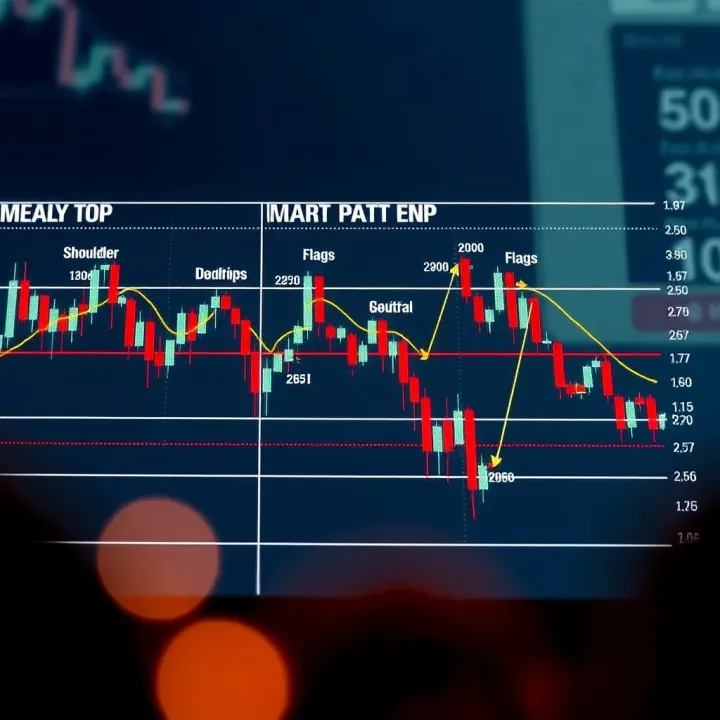
📈 Master top chart patterns to spot market trends and price moves! Nigerian traders can sharpen technical skills with clear, practical tips for smarter trading decisions.

📈 Learn how to spot key candlestick patterns Nigerian traders use to make sharper buys and sells in our local market. Step up your trading game today! ₦

📈 Discover how candlestick patterns reveal price moves in trading markets. Learn key bullish and bearish signals to spot trends and reversals in Nigeria and beyond.
Based on 11 reviews