

Benefits of Risk Management in Business and Life
Discover how risk management shields assets, boosts efficiency, and drives growth in business and personal life. Build confidence and stay prepared! 🔒📈
Edited By
Jessica Clarke
Risk management courses give professionals a solid foundation to spot, analyse, and manage risks within their workplaces. These courses focus on practical skills that apply across a range of South African industries—from finance and mining to manufacturing and public services.
Participants learn how to identify potential threats before they become costly problems, assess their impact, and implement measures to keep risks within acceptable limits. For example, an investment analyst might use risk assessment tools to avoid portfolio losses during volatile market periods, while a project manager in construction could anticipate delays due to material shortages or labour strikes.

Most courses cover core topics such as risk identification techniques, risk analysis methods (both qualitative and quantitative), risk control strategies, and compliance requirements under local regulations like the South African Companies Act and King IV Report on Corporate Governance.
Training formats vary, including face-to-face workshops, online modules, and blended sessions to suit busy professionals. Many offer case studies drawn from the South African context, helping learners understand how to navigate risks associated with loadshedding interruptions, labour unrest, or exchange rate fluctuations.
Solid risk management enhances strategic decision-making and ensures organisations meet legal and regulatory standards—a must in today’s complex business environment.
Key takeaways from these courses include:
Understanding how to develop risk registers specific to company operations
Gaining skills to perform risk assessments aligned with international standards like ISO 31000
Learning to communicate risk findings to stakeholders clearly and effectively
Integrating risk management into everyday business practices to boost resilience
By investing in risk management training, professionals become better equipped to protect assets, improve organisational performance, and support sustainable growth. This expertise is especially valuable amid South Africa’s economic uncertainties and evolving regulatory landscape.
Whether you’re a broker, analyst, or educator, these courses sharpen your ability to manage risk wisely—helping you make sound decisions in fast-moving environments.
Risk management courses provide a solid foundation in recognising potential threats to an organisation and handling them effectively. They are designed to equip professionals with practical skills to spot, evaluate, and respond to risks, with content tailored to everyday challenges businesses face.
Understanding risk and its types is the starting block in any risk management course. This involves grasping what risk really means—essentially the chance of something going wrong that could impact objectives. Risks span various types, such as financial, operational, reputational, strategic, and compliance-related. Knowing the distinctions helps professionals apply the right tactics. For instance, a compliance risk like failing to meet POPIA (Protection of Personal Information Act) regulations demands different treatment than an operational risk like loadshedding disrupting production.
Risk identification methods cover how to spot potential risks before they turn into problems. Courses train participants to use tools like SWOT analysis (strengths, weaknesses, opportunities, threats), risk registers, and brainstorming sessions. Techniques also include interviews and workshops, which encourage input from all levels of an organisation. Early identification improves chances of managing risks proactively, not just reacting when issues arise. For example, a retail chain might discover supply chain risks by engaging suppliers and transport partners early on.
Risk assessment and evaluation focus on determining the impact and likelihood of identified risks. Courses teach how to measure these factors—often using qualitative scales like high, medium, low or quantitative models with numbers. This step helps prioritise which risks deserve immediate attention versus those that can be monitored. Practical applications include scoring risks in a financial institution to decide which fraud threats require urgent policy updates.
Developing risk treatment plans guides learners on creating strategies to reduce or eliminate risks. This includes deciding on risk acceptance, avoidance, reduction, or transfer (such as insurance). The emphasis is on actionable plans with clear responsibilities and timelines. For instance, a mining company might draw up plans for emergency response during underground incidents.
Implementation of controls covers putting those plans into practice. Controls can be administrative, technical, or physical. Courses highlight the importance of embedding these controls into daily operations and ensuring staff understand their roles. For example, installing biometric access controls in a data centre is a physical measure to limit unauthorised entry.
Monitoring and reviewing risk management processes ensure that risk controls stay effective over time. Courses teach how to establish key risk indicators (KRIs) and conduct regular audits or reviews. This ongoing oversight catches new or evolving risks and checks if current controls still hold up. A financial services firm, for example, might regularly review its cyber-security controls to keep pace with new threats.
Risk management is not a one-off exercise; it demands continuous attention and adjustment alongside an evolving business environment.
By covering these foundational and practical elements, risk management courses equip professionals to manage uncertainties thoughtfully and with confidence.
Risk management skills are valuable across many sectors, especially in South Africa's dynamic economic environment. Knowing who can benefit helps tailor course choices and gain practical advantages from the training.
Managers and team leaders play a critical role in shaping how risks are tackled within teams. They need to spot potential pitfalls early—be it project delays, budget overruns, or personnel shortages—and guide their teams through mitigation steps. For example, a project manager at a construction site might use risk management training to plan around load-shedding schedules and keep the project on track despite power interruptions.
Health and safety officers must ensure workplaces comply with laws like the Occupational Health and Safety Act. Their risk management knowledge helps them identify hazards before incidents occur, set up controls, and monitor ongoing compliance. This practical focus is crucial in factories or mining sites where the environment is potentially dangerous and non-compliance can have serious consequences.
Financial and compliance personnel use risk management courses to sharpen their understanding of financial risks like credit and market exposure, alongside regulatory demands such as the Protection of Personal Information Act (POPIA). For instance, compliance officers in banks ensure data security and reduce the chance of fines or reputational damage by proactively managing these risks.

Improving decision-making skills is one of the tangible benefits from risk management training. When you can better weigh risks and benefits, your choices become more informed and resilient. A retail manager might decide to delay stock orders during periods of supply chain uncertainty to avoid overstocking, applying risk principles learned in training.
Enhancing job prospects is another strong motivator. Employers increasingly expect staff to be capable of managing risks as part of daily responsibilities. Having formal risk management qualifications sets candidates apart in sectors like finance, manufacturing, or health services, which are all sensitive to unexpected disruptions.
Meeting industry or regulatory requirements is often mandatory in South Africa. Many industries require risk management frameworks to comply with laws or standards. Professionals equipped with up-to-date knowledge not only help their organisations meet these expectations but also add value by streamlining processes and reducing penalties.
Risk management courses equip a wide range of professionals with practical skills that increase organisational resilience while boosting individual career development.
Understanding where your role fits helps you pick the training that delivers practical value and meets your professional needs.
How risk management training is delivered can make a significant difference in how effectively professionals absorb and apply the skills. Choosing a format that matches your schedule, learning style, and career needs is crucial. South African workplaces often juggle tight deadlines and variable shifts, so training options need to offer both quality and convenience.
In-person training offers immediate interaction with facilitators and peers, fostering richer discussions and quicker clarification of complex topics. For instance, a health and safety officer attending a workshop could role-play risk scenarios on site, gaining practical insights not always captured online. This real-time feedback loop helps learners absorb subtle cues, body language, and ask spontaneous questions, which can be priceless when grappling with nuanced risk concepts.
Face-to-face settings also encourage networking with professionals from diverse industries, expanding your understanding of how risk management applies beyond your usual sector. These connections often prove handy later for advice or collaboration.
Most in-person courses run from one-day intensive workshops to several days, depending on depth. For example, a two-day seminar on financial risk might be scheduled over consecutive weekdays to minimise disruption, with mid-mornings and afternoons allocated for lectures, case studies, and group work. Some providers hold evening sessions, recognising that many working South Africans cannot take time off during the day.
Understanding the time commitment upfront helps you plan better around work and personal responsibilities—especially handy during busy times like financial year-end or matric exam season when many juggling multiple priorities.
Online courses offer flexibility that suits South Africans balancing work, family, and commuting challenges. For example, a compliance officer could progress through modules after hours at their own pace, without losing daily income or needing travel. This format supports diverse schedules—whether early risers or night owls—and caters to those in remote areas outside Gauteng or Cape Town who might otherwise miss out.
Blended learning, combining online lessons with occasional face-to-face sessions, strikes a balance by allowing practical exercises and direct engagement while maximising convenience. It also suits learners who need to revisit materials multiple times before fully grasping difficult risk assessment processes.
Quality online courses tailored to the South African environment offer case studies that resonate locally. For example, lessons may include managing risks related to Eskom loadshedding or adhering to the Protection of Personal Information Act (POPIA). These realistic examples help learners directly relate theory to challenges they face, improving retention and practical application.
Such content also covers risks unique to various industries, like supply chain disruptions in mining or risks linked to volatile commodity prices. Bringing local context into online training makes it more than just generic theory—it becomes a tool for immediate improvement and compliance.
Choosing the right delivery format boils down to how you learn best, when you can fit study into your life, and what local relevance the course offers. Whether face-to-face or online, the goal is to equip you with risk skills that stick and deliver.
Risk management in South Africa needs to reflect local realities and regulations to be effective. Skilled professionals must understand how legal requirements, economic factors, and infrastructure challenges shape the risk landscape. Applying risk management concepts with South Africa’s unique conditions in mind helps businesses and institutions reduce losses, improve compliance, and maintain operational stability.
The Occupational Health and Safety Act (OHSA) requires employers to create safe and healthy work environments. This act mandates identifying potential hazards and putting measures in place to mitigate accidents and illnesses. For example, mining companies in Gauteng need robust risk assessments to manage dangers related to underground operations, while manufacturing plants must control exposure to harmful substances.
Understanding OHSA through risk management courses equips professionals to develop and monitor safety plans that meet these standards. This ensures legal compliance and reduces costly workplace incidents that can halt production or attract penalties.
With rising digitalisation, POPIA demands organisations take responsibility for protecting personal data. Risk management training teaches how to identify and assess data privacy risks, implement controls, and respond to breaches. For instance, financial services firms handling sensitive client information must regularly assess systems to prevent leaks or unauthorised access.
Professionals skilled in POPIA compliance benefit companies by avoiding hefty fines and maintaining customer trust. They can navigate the balance between data use and privacy obligations effectively.
Eskom’s scheduled power cuts, or loadshedding, disrupt business operations across sectors. Proper risk management prepares companies to maintain continuity during outages – for example, by investing in generators, solar solutions, or adjusting production schedules.
A clothing manufacturer in Durban, for instance, might face halted machinery during stage 4 loadshedding. Applying risk mitigation strategies ensures alternative power supply or timely rescheduling to meet orders.
Due to lockdowns, transport strikes, or international delays, supply chains frequently stumble. Risk management teaches anticipating such disruptions, diversifying suppliers, and building buffer stocks.
Retailers like Pick n Pay need contingency plans for key product shortages. Risk-aware managers can avoid stockouts during peak seasons by mapping out alternate supply routes or local suppliers.
Poor risk management can quickly lead to financial losses and damaged reputation, especially in competitive industries. For example, a tech startup might suffer cash flow issues from unpaid invoices or a public data breach under POPIA, shaking customer confidence.
Courses highlight practical steps such as scenario planning, regular audits, and crisis response drills to guard against these risks. South African professionals can safeguard their organisations by staying vigilant and proactive.
Strong risk management skills adapted to South Africa’s legal and operational environment are key to building resilient businesses and safeguarding careers in times of uncertainty.
Choosing the right risk management course is key to gaining practical skills that align with both your professional goals and South Africa’s regulatory environment. Whether you’re a trader, analyst, or broker, the course you pick should be credible, relevant, and provide real-world insight into managing risks effectively. A good course equips you with tools to handle challenges like market volatility, compliance demands, or operational disruptions specific to local industries.
Courses accredited by recognised South African institutions such as the South African Qualifications Authority (SAQA) or the Financial Sector Conduct Authority (FSCA) offer credentials that carry weight in the job market. For example, a course endorsed by SAQA means your qualification fits into the National Qualifications Framework (NQF), making it easier to use for career advancement or further studies. Employers tend to favour candidates with accredited qualifications since this confirms that training meets national standards.
Look for courses that come with endorsements from industry bodies or professional associations specific to your field. For instance, a risk course supported by the Institute of Risk Management South Africa (IRMSA) signals that it’s designed with practical industry needs in mind. Such endorsements can also open doors to networking opportunities, mentorship, and continuing professional development support. This makes your learning experience more relevant and connected to current South African market realities.
A course that uses South African case studies offers direct insight into how risks are managed here. For example, examining how a Johannesburg-based financial firm navigates compliance under POPIA or how a manufacturing plant handles Eskom loadshedding gives you tangible scenarios to learn from. This local context makes theory easier to apply on the job and ensures you’re not left guessing how to handle country-specific challenges.
Check how courses measure your understanding. Some programmes offer continuous assessment with practical tasks like risk assessments or control planning, which simulate workplace duties. Others culminate in a final exam or project. Clear certification at the end confirms your competence and can be added to your CV or LinkedIn profile. This formal evidence of skills is useful when negotiating salary or aiming for promotions, especially in regulated sectors where proof of ability matters.
Choosing a risk management course with recognised accreditation, practical content, and relevant assessments sets you up for real impact in South Africa’s diverse professional landscape.
By focusing on these elements, you ensure your investment in training is worthwhile both for immediate skills development and long-term career growth.
Discover how risk management shields assets, boosts efficiency, and drives growth in business and personal life. Build confidence and stay prepared! 🔒📈
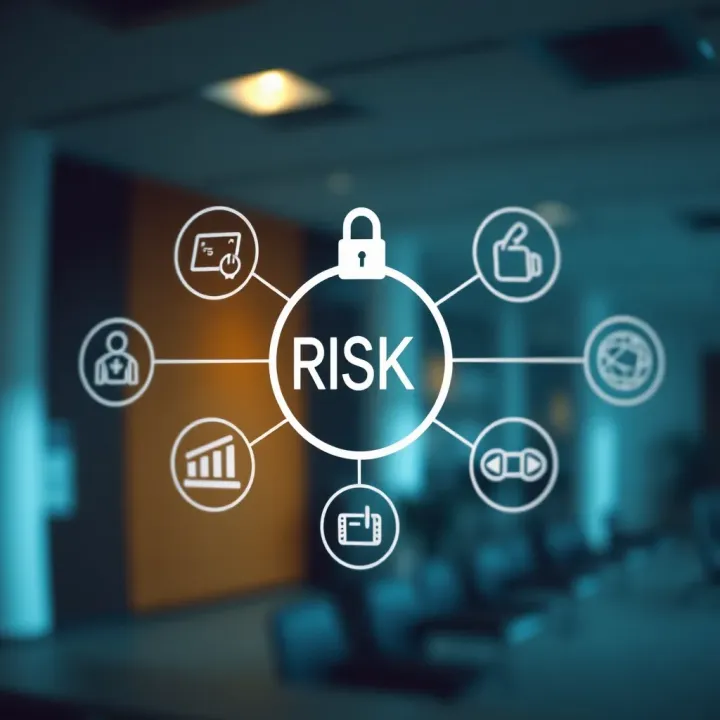
Discover how risk management certification boosts Nigerian professionals' ability to tackle business challenges, secure careers, and protect organisations amid uncertainties 📊🇳🇬

💱 Learn forex trading basics, key players, risks, strategies & South African market tips. Get practical advice to navigate currency exchange confidently.

Ready to start forex trading? 🇿🇦 Learn key steps for South Africans: market basics, picking brokers, and managing risks confidently in global currency markets.
Based on 14 reviews