

Benefits of Risk Management in Business and Life
Discover how risk management shields assets, boosts efficiency, and drives growth in business and personal life. Build confidence and stay prepared! 🔒📈
Edited By
Sophia Mitchell
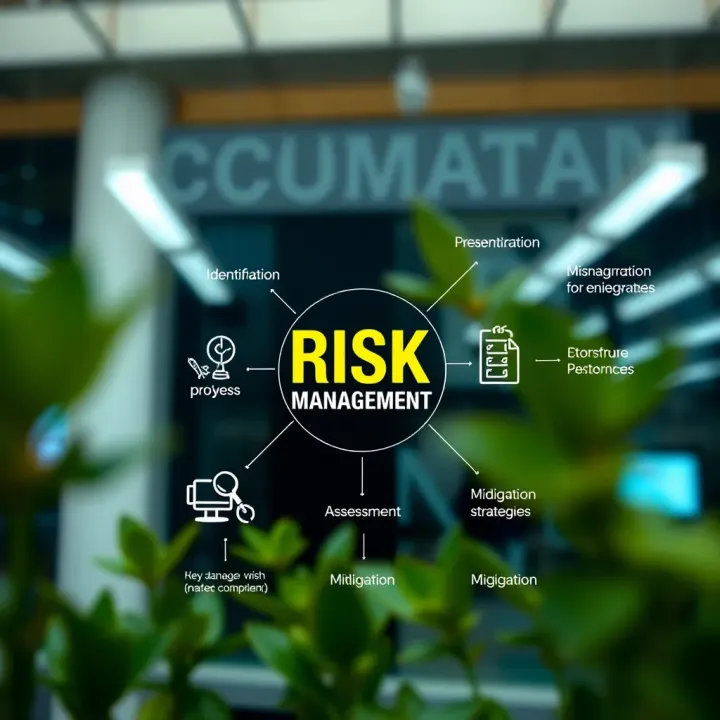
Risk management in Nigerian businesses means identifying, assessing, and tackling potential threats that could disrupt operations or cause financial loss. This is especially pressing here, where economic swings, regulatory uncertainties, and infrastructural challenges can put enterprises at risk.
The process starts with recognising what could go wrong — from currency fluctuations and supply chain hiccups to power outages and even sudden policy changes by bodies like the Central Bank of Nigeria (CBN). After spotting these risks, businesses assess how likely they are and how severe their impact might be.
For instance, a food processing company relying on electricity must plan for prolonged power outages, common in many states, by investing in generators or alternative energy sources. Similarly, a fintech startup processing payments must secure its systems against cyber-attacks, which are rising in Nigeria alongside digital adoption.
A solid risk management approach doesn’t stop at spotting problems but actively plans how to minimise or avoid them. This keeps operations stable and protects profits.
Common types of risks Nigerian businesses face include:
Financial risks: exchange rate volatility, inflation, liquidity issues.
Operational risks: disruptions due to power failures, poor logistics, or equipment breakdown.
Compliance risks: failure to meet tax (FIRS), labour, or regulatory requirements (SEC, NCC).
Market risks: shifts in consumer preferences or competition from both local and international players.
Environmental risks: flooding during rainy seasons affecting supply chains or facilities.
To manage these, firms typically:
Develop risk registers listing threats and potential effects.
Prioritise risks based on likelihood and severity.
Set controls such as insurance, diversified suppliers, or contingency funds.
Train staff to identify and report risks promptly.
Regularly review and update the risk framework to adapt to new challenges.
By putting these steps in place, Nigerian businesses position themselves to weather economic storms and regulatory changes, safeguarding growth and stability in a demanding environment.
Risk management isn't just a fancy term for businesses; it’s a practical shield against uncertainty. At its core, risk management means identifying, assessing, and managing potential events that could disrupt a business’s objectives. In Nigeria's business scene, where factors like currency fluctuations, power instability, and regulatory changes feature prominently, understanding risk management helps companies stay afloat and grow steadily.
By actively managing risks, businesses can avoid sudden shocks to their operations. For example, a Lagos-based retail outfit that anticipates power cuts might invest in a generator or negotiate flexible delivery schedules with suppliers. This readiness can prevent losses and keep customer trust intact.
Risk refers to any uncertainty that could impact an organisation’s goals, whether positively or negatively. For Nigerian businesses, this means facing challenges like fluctuating naira values, sudden policy shifts from government agencies, or even unexpected supply chain delays due to border closures. Seeing risk as ‘uncertainty’ helps companies realise that while not all events can be predicted, they can prepare and respond effectively.
Managing risk ensures businesses don’t get caught off-guard. It’s about steering the enterprise through murky waters, reducing exposure to losses, and seizing opportunities with confidence. For instance, a fintech startup relying on digital payments must take steps against cyber threats—not just protecting their system but assuring users of secure transactions. By managing risks, organisations safeguard their reputation and ensure long-term survival in competitive markets.
One of the main goals of risk management is to shield the company's physical and intangible assets. This includes cash, inventory, intellectual property, and personnel. For Nigerian SMEs, physical assets like equipment or stock held in locations prone to theft must be secured. Protecting these resources means less downtime and fewer unplanned expenses, which is critical when budgets are tight.
Adhering to regulations from bodies like the Federal Inland Revenue Service (FIRS) or the Nigerian Communications Commission (NCC) is essential. Non-compliance can lead to hefty fines and legal troubles. Businesses that integrate compliance into their risk framework avoid disruptions caused by audits or sanctions, allowing continual operation without avoidable interruptions to cash flow or reputation.
Risk management offers insight that guides better decisions. When business leaders understand potential threats and opportunities, they can weigh choices with clarity. Take an agribusiness considering expansion during the ember months—it will assess weather risks, market demand, and supply chain constraints before moving forward. Such strategic use of risk insight prevents costly mistakes and builds resilience.
Effective risk management aligns with core business aims, ensuring companies not only survive but thrive amid Nigeria’s unique challenges.
This section aims to clarify the practical meaning and value of risk management in the Nigerian business context, setting the stage for exploring how organisations can implement these principles effectively.
Nigerian businesses operate within a complex environment filled with diverse risks that can directly affect profitability and sustainability. Understanding the common risks—from financial unpredictability to security threats—helps businesses design strong plans to reduce potential setbacks. This awareness is vital because inadequately managed risks can translate into heavy losses or even business closure.

Exchange rate fluctuations and naira volatility pose significant challenges. The naira’s value against major currencies like the US dollar or euro changes frequently due to market pressures and government policy shifts. For example, an importer paying in dollars may suddenly face a much higher cost if the naira weakens, squeezing profit margins. Businesses dealing in exports may also struggle to predict earnings, complicating budgeting and investment decisions.
Cash flow challenges in informal economies affect many small and medium enterprises (SMEs), which often lack formal credit access or reliable payment systems. Traders at markets or mama put operators may face delays in receiving payments or fluctuating demand. Without steady cash flow, these businesses find it hard to restock goods, pay staff, or cover daily expenses, increasing the chances of shutting down during tough periods.
Power supply interruptions and generator dependence are everyday realities. Frequent NEPA (now DISCO) outages push businesses to rely heavily on generators, raising operational costs due to fuel expenses. This unpredictability hurts manufacturers who need consistent power to run machinery or cold storage for perishables. For instance, a brewery may lose raw materials or spoil products if power fails during production or storage.
Supply chain disruptions and import delays also hamper operations. Many Nigerian firms depend on imported raw materials or components from Asia or Europe. Shipping delays, customs bottlenecks, or port congestion can slow delivery times, forcing businesses to halt production or sell incomplete goods. The ripple effect affects customer satisfaction and overall revenues.
FIRS tax compliance and policy changes represent a constant challenge. Tax laws can shift unexpectedly, and non-compliance risks penalties or audits. Many businesses struggle with accurately filing taxes or understanding new levies, especially during periods of reform. For example, a company might suddenly face higher VAT rates or new digital tax charges without prior preparation.
Industry-specific regulations and licensing add additional layers of complexity. Sectors such as oil and gas, telecom, or food production require adherence to strict standards and renewal of multiple licences. Delays or failures to comply can result in fines or suspension of operations. A food processing company, for instance, must regularly get certification from NAFDAC to confirm safety standards.
Protecting against cybercrime in fintech and e-commerce has become critical as digital payments surge. Fraudsters increasingly target platforms like Paystack, Flutterwave, or e-commerce websites using phishing, identity theft, or transaction hacking. A fintech startup may lose customer trust and face financial damage due to security breaches.
Physical security for retail and logistics remains a concern due to risks like theft, vandalism, or armed robbery. Retail shops in busy markets or delivery trucks transporting goods across states face threats that could disrupt sales or lead to losses. Companies often invest in guards, CCTV, and secure transportation to safeguard their assets.
Businesses need to assess these varied risks carefully, adapting their strategies to local realities. Prioritising risk management ensures continuity and resilience in Nigeria’s challenging business context.
Managing risks effectively begins with following clear steps that help businesses identify, assess, and respond to risks before they escalate. For Nigerian businesses facing an often unpredictable environment, having a structured process reduces surprises and sharpens decisions. This section outlines practical approaches for each key phase, combining strategy with local reality.
The first step is spotting risks early. Tools like risk checklists, SWOT analysis (assessing strengths, weaknesses, opportunities, threats), and scenario planning help highlight what could go wrong. For example, a Lagos-based retailer might use a checklist to identify risks such as power outages, theft, or delivery delays from port congestion.
Involving staff and stakeholders in this process is vital. Employees on the ground often see risks that management misses. Engaging shop supervisors, drivers, and suppliers through interviews or workshops provides a fuller picture. This collaborative approach encourages open discussion, making it easier to capture practical risks specific to the business’s everyday operations.
After identifying potential risks, businesses evaluate how likely these risks are and what impact they would have if they occur. Assigning likelihood scores (such as low, medium, high) alongside impact ratings (minor, moderate, severe) offers clear insight. For instance, the risk of theft may be frequent but cause only minor losses, while currency devaluation might be less likely on short notice but have severe financial effects.
The next crucial step is prioritising which risks to address immediately. Resources are usually limited, so focusing on high-likelihood, high-impact risks maximises protection. Smaller or remote risks may be accepted or monitored with lesser intensity. This prioritisation helps Nigerian businesses avoid spreading themselves too thin and focus on hazards that affect their bottom line most.
Businesses can manage risks in various ways: transfer, avoidance, reduction, or acceptance. Transferring risk might mean buying insurance against fire or theft. Avoidance could involve not expanding into a volatile region. Reduction means improving security or backup power to lower risk severity. Acceptance is recognising some risks are unavoidable and preparing contingency plans.
Concrete examples in Nigeria include retailers investing in backup generators to reduce power supply risks, fintech companies using secure payment gateways to transfer cyber risk, and manufacturers avoiding reliance on single import suppliers to reduce supply chain risk.
The risk landscape changes fast, especially in Nigeria’s dynamic economy. Continuous tracking of risk factors, such as new government policies or currency fluctuations, keeps risk management current. Tools like dashboards or regular meetings aid in observing these shifts.
Adjusting plans when conditions change is essential. For instance, if inflation spikes, a business might need to revise cash flow forecasts or renegotiate supplier terms. Without flexible review and adjustment, risk strategies quickly become outdated and ineffective.
Effective risk management requires a cycle of spotting, assessing, acting, and reviewing. Nigerian businesses that master these steps position themselves to thrive amid uncertainty rather than just survive it.
Implementing risk management is not just a checkbox exercise for Nigerian organisations; it directly supports stronger business performance and resilience. Amid Nigeria’s unique challenges—from power fluctuations to complex regulations—having a solid risk management framework helps companies spot trouble early and respond decisively. This protects assets, keeps operations smooth, and builds confidence among investors and partners.
Leadership sets the tone for how seriously risk management is taken. When top executives actively support risk programmes and invest in staff training, the whole organisation buys in. For example, a Lagos-based fintech that regularly trains its teams on cybersecurity awareness creates fewer vulnerabilities than one that treats training as an afterthought. Leadership should also integrate risk management into everyday decision-making, turning it from a formal policy into a practical tool.
Open dialogue about risks ensures problems are flagged early. Nigerian workplaces that encourage employees at all levels to speak freely about potential threats—whether operational hiccups or market shifts—can act promptly. This attitude also builds trust internally, reduces blame culture, and helps uncover hidden issues like compliance gaps or supplier weaknesses. Managers should reward transparency and set up clear channels for reporting concerns.
The rise of affordable digital solutions means Nigerian businesses can now monitor risks in real time. Tools like cloud-based dashboards, mobile reporting apps, and AI-driven analytics make it easier to gather and analyse data on cash flow, supply disruptions, or customer behaviour. For example, a manufacturer tracking deliveries using GPS-enabled systems can spot supply chain bottlenecks before they grow serious. These tools reduce guesswork and support smarter, faster decisions.
Given Nigeria’s vibrant fintech scene, many businesses now rely on platforms like Paystack, Flutterwave, or OPay for receiving payments. These services offer fraud detection, encryption, and real-time transaction tracking, mitigating financial and cyber risks. Using verified fintech services protects against scams and reduces cash handling—a common source of theft or error in informal sectors.
Power outages remain a daily reality for many Nigerian businesses. Effective risk management means planning for such disruptions—like investing in efficient generators or renewable energy sources—and factoring the associated costs into budgets. A food processing company, for example, cannot afford spoilage due to inconsistent power, so having backup plans is not optional but necessary.
Frequent shifts in government regulations, taxation rules, or trade policies require businesses to stay alert. Risk management includes continuously monitoring policy announcements and adapting business practices quickly. For instance, when the Federal Inland Revenue Service (FIRS) updates tax compliance requirements, savvy companies adjust without delays to avoid penalties and maintain smooth operations.
Building risk management into the fabric of Nigerian businesses means turning unique challenges into manageable risks. This approach supports stability and opens doors to growth even in a demanding environment.
Effective risk management brings solid advantages to Nigerian businesses, especially given the unique challenges from economic instability and regulatory changes. It helps firms dodge costly surprises and build sturdier operations that can weather disruptions common in Nigeria's market.
Controlling costs related to unforeseen events involves identifying potential financial threats before they hit hard. For example, a Lagos-based manufacturer may face sudden power outages forcing heavy generator use, inflating operational costs beyond budget. By anticipating such risks, businesses can set aside contingency funds or invest in alternative energy solutions, thus limiting unexpected expenses.
Protecting investment and capital means safeguarding resources against market fluctuations and operational hiccups. Consider a small trader dependent on imported goods; currency volatility may spike costs unexpectedly. Risk management techniques—like forward contracts or diversified sourcing—help protect capital, ensuring investments remain intact and cash flow predictable even amid naira slide.
Staying operational during disruptions is key in Nigeria's frequently unstable environment. Businesses with risk plans can smoothly manage challenges such as supply chain delays caused by customs bottlenecks or road closures. For instance, a food distribution company with multiple supplier options minimizes downtime when one link fails, keeping goods moving.
Recovery plans and continuity focus on how swiftly a company bounces back after shocks. A bank, for example, with tested disaster recovery protocols can quickly restore services after cyberattacks or power failures. Such foresight limits downtime and preserves customer confidence, which is especially vital in Nigeria’s competitive fintech sector.
Demonstrating professionalism to clients and partners means Nigerian businesses that manage risks well show they can be trusted with responsibility. This professionalism attracts partnerships and loyal customers who prefer predictable service. For example, a logistics firm that consistently delivers despite traffic and infrastructure issues earns a solid reputation.
Compliance with regulatory expectations underscores how following industry rules shields businesses from fines and sanctions. Since Nigerian agencies like FIRS and NCC frequently update policies, strong risk management ensures timely adherence. This not only avoids penalties but also opens doors for government contracts or easier access to finance.
A proactive approach to risk doesn't just protect—it builds a business’s strength, reputation, and ability to thrive in Nigeria’s complex market.
By focusing on these benefits, Nigerian businesses can see risk management as an investment, not just an expense, strengthening their foundations for long-term success.
Discover how risk management shields assets, boosts efficiency, and drives growth in business and personal life. Build confidence and stay prepared! 🔒📈

📈 Ready to start forex trading in Nigeria? Learn how currency markets work, discover top strategies, and get essential tips for beginners to trade smarter.

📱 Discover the best trading apps in Nigeria! Learn features, safety tips, and how to trade smartly with mobile platforms made for Nigerian investors. 🇳🇬

📊 Discover how binary options work, their risks & rewards, and smart trading tips for Nigerian traders. Stay informed & trade responsibly in today's market!
Based on 11 reviews