

Benefits of Risk Management in Business and Life
Discover how risk management shields assets, boosts efficiency, and drives growth in business and personal life. Build confidence and stay prepared! 🔒📈
Edited By
Thomas Green
Every day, Nigerian professionals across sectors face risks — from fluctuating naira exchange rates to supply chain disruptions and regulatory changes. Managing these risks effectively requires more than intuition; it demands specialised knowledge and skills. This is where risk management certification plays a vital role.
Risk management certification formally recognises an individual's expertise in identifying, assessing, and controlling risks in business and organisational contexts. For traders, investors, analysts, brokers, and educators in Nigeria, earning such certification acts as a valuable endorsement of their capability to navigate uncertainties and safeguard assets.
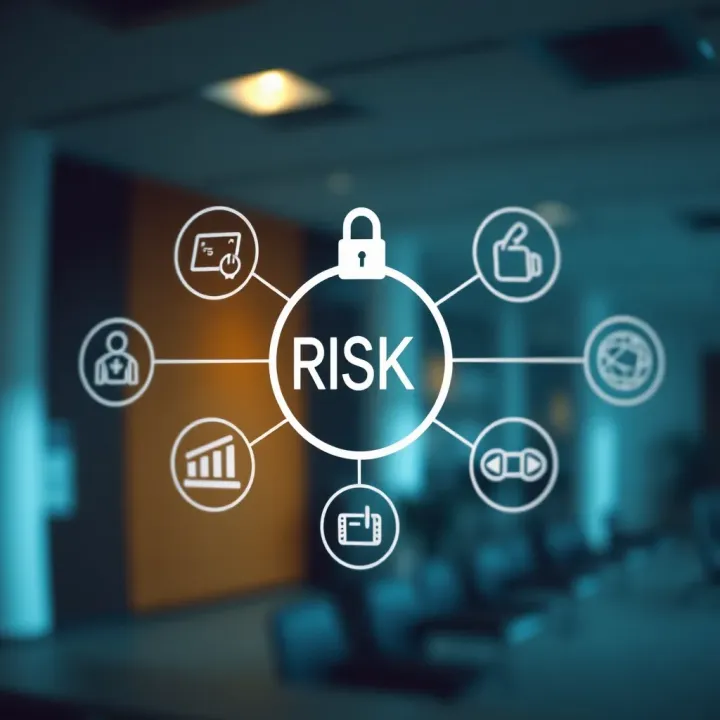
Certification equips professionals to apply practical tools and frameworks, enhancing decision-making quality even in complex environments like Nigeria's fast-changing financial markets.
Certified professionals learn to:
Identify various risk types including market, credit, operational, and geopolitical risks
Use quantitative and qualitative methods to assess risk impacts
Implement mitigation strategies such as diversification, insurance, and hedging
Understand legal and compliance requirements relevant in Nigeria
These skills reflect global risk standards, but course content often highlights Nigerian business realities — for example, managing currency volatility or power supply risks.
Several recognised options cater to different levels and areas of interest:
Certified Risk Manager (CRM): Focuses on enterprise-wide risk strategies
Financial Risk Manager (FRM): Geared towards those in investment and banking sectors
Project Management Professional (PMP) with risk specialisation: Useful in construction, oil & gas, and tech projects
ISO 31000 Risk Management certification: Provides a framework used by businesses across Nigeria to standardise risk controls
Holding a risk management certificate:
Improves career prospects, giving candidates an edge in recruitment and promotion
Helps organisations reduce unexpected losses by strengthening internal controls
Builds confidence in engaging with stakeholders, including investors and regulators
Facilitates better compliance with Nigerian and international regulations
In the Nigerian context, certified risk managers help businesses withstand price shocks, regulatory shifts, and operational hazards common across sectors like banking, telecom, and manufacturing.
Certification is not merely an academic exercise. It is a tool to sharpen your ability to read Nigeria's unique risk signals and respond decisively. For anyone serious about advancing in finance or management, investing in this credential makes solid business sense.
Risk management certification confirms that a professional possesses the knowledge and skills to identify, assess, and control risks effectively. In Nigeria's business environment, where economic fluctuations, infrastructural challenges, and regulatory changes frequently occur, such expertise is vital. Certified risk managers help organisations minimise losses, better handle uncertainty, and improve decision-making.
Risk management involves recognising potential threats to a business and taking steps to mitigate them before they escalate. This can include financial risks, operational setbacks, regulatory breaches, or external shocks like political instability. For example, a Nigerian bank facing loan default risks uses risk management tools to decide on lending criteria, ensuring they protect their capital while growing their portfolio. It’s a continuous process that requires analytical skills and practical know-how.
Certification aims to standardise risk management competency across professionals, ensuring they meet recognised industry standards. It formally acknowledges that an individual can apply risk assessment frameworks, use risk mitigation strategies, and communicate findings effectively. In Nigeria, certifications also adapt to local realities—such as exchange rate volatility and power supply issues—helping professionals provide contextually relevant solutions.

Besides enhancing personal credibility, certification often opens doors to advanced roles in banks, insurance firms, oil companies, and government agencies. It covers diverse topics, including risk identification, evaluation methods, control measures, and compliance with regulatory requirements. By earning this certification, professionals show employers their commitment and readiness to manage risk in Nigeria’s complex business climate.
Becoming certified in risk management equips you with a practical toolkit to face uncertainties head-on, increasing your value in sectors critical to Nigeria’s economy.
In summary, risk management certification in Nigeria is not just about theoretical knowledge—it is a mark of practical expertise tailored to local business challenges, giving certified professionals an edge in career progression and organisational impact.
Risk management certification confirms your ability to handle risks systematically, which is vital in Nigeria’s dynamic business environment. These certifications enhance your credibility and open doors to new opportunities across sectors like banking, oil and gas, telecoms, and government agencies. Understanding the widely recognised certifications helps you pick the right path based on your career goals and industry needs.
The Certified Risk Manager (CRM) is one of the most respected certifications globally and is gaining ground in Nigeria. It covers risk identification, analysis, control, financing, and administration. Holding a CRM demonstrates your command over managing financial, operational, and strategic risks, especially useful for professionals in financial institutions and insurance companies here. For example, a CRM-certified analyst in a Nigerian bank can design risk controls that reduce loan default by 15%, directly impacting the bank’s bottom line.
The Risk Management Professional (RMP) certification, offered by organisations like the Project Management Institute, focuses heavily on enterprise-level risk management. It equips holders to assess risk in projects, helping firms avoid costly delays or losses in sectors like construction, oil exploration, and tech startups common in Nigeria. For instance, RMP certification has helped project managers in Lagos-based tech firms foresee and mitigate supply chain disruptions, saving millions of naira.
Besides CRM and RMP, several other certifications offer value in Nigeria’s market. The Financial Risk Manager (FRM) certification is prized in banking and investment circles for its focus on market, credit, and operational risk. IT professionals often go for Certified Information Systems Risk Manager (CISRM) to handle cybersecurity risks, especially critical with rising hacker attacks in Nigeria’s fintech space. Additionally, the ISO 31000 training provides a good foundation on risk management principles relevant across industries.
Having certification tailored to your career path can sharpen your skills and position you well in Nigeria’s competitive job market.
Choosing the right certification should consider your sector, the certification’s global recognition, and how it integrates with Nigerian regulatory frameworks. These qualifications not only boost your expertise but also help Nigerian businesses manage risks better amid volatile economic and security challenges.
Earning a risk management certification is a significant step for Nigerian professionals aiming to sharpen their expertise and stand out in sectors prone to uncertainty. Understanding the pathway to certification helps you plan effectively, avoid unnecessary delays, and maximise your chances of success.
Most recognised risk management certifications require candidates to have a minimum educational qualification, typically a bachelor’s degree in a related field such as business administration, finance, or engineering. However, some institutions accept professional experience in place of formal education. For instance, candidates with at least three to five years of relevant work experience in risk assessment, compliance, or insurance can often qualify to sit for exams. This practical knowledge is particularly valuable in Nigeria, where hands-on problem-solving is essential due to the dynamic business environment.
Preparing for certification involves both studying theoretical concepts and mastering application-based scenarios. Training programmes can vary, from online courses offered by platforms like the Global Association of Risk Professionals (GARP) to in-person workshops organised by local training centres in Lagos or Abuja. Some Nigerian professionals benefit from group study sessions or hiring tutors familiar with the exam syllabus. Additionally, complementing study with real-world case studies relevant to Nigerian industries, such as banking, oil and gas, or telecoms, enhances understanding and examination readiness.
After meeting educational and experience criteria and preparing adequately, candidates must register for the certification exam, often conducted annually or biannually. In Nigeria, scheduling exam dates well ahead is crucial due to limited testing centres and high demand. Once certified, maintaining the credential typically requires continuous professional development (CPD), including attending seminars, publishing research, or participating in professional gatherings. These activities ensure that certified risk managers stay updated on evolving risks, regulatory changes, and best practices within Nigeria's unique market conditions.
Consistent engagement beyond certification is key; it sustains your professional edge and credibility in the ever-changing landscape of risk management.
In summary, obtaining risk management certification involves clear steps: meeting entry requirements, preparing with relevant training, successfully completing exams, and committing to continuous learning. This approach equips Nigerian professionals with solid expertise that is both respected locally and recognised internationally.
Obtaining certification in risk management offers Nigerian professionals tangible advantages that go beyond a mere certificate. It signals mastery of critical skills that are increasingly valued in Nigeria’s complex business environment, where uncertainties like currency volatility, power supply issues, and regulatory shifts regularly affect operations. Having a recognised certification equips you with proven techniques to handle these challenges efficiently, boosting both your career prospects and your organisation’s resilience.
Certification often opens doors to better job opportunities and salary increments in sectors such as banking, oil and gas, telecoms, and manufacturing—industries that face significant risks daily. For instance, a certified risk manager in a Lagos-based bank is more likely to be entrusted with strategic decision-making roles that directly impact the bank’s exposure to credit risks or market fluctuations. Employers view certified professionals as more qualified to foresee potential pitfalls and minimise losses, making these individuals valuable assets.
Moreover, risk management certification distinguishes you from peers. It is a clear marker of commitment to best practices and continuous learning, qualities Nigerian companies increasingly seek amid stiff competition and growing demands from regulatory bodies like the Securities and Exchange Commission (SEC) and the Central Bank of Nigeria (CBN). Professionals with certifications tend to find it easier to build networks and gain invitations to participate in high-profile projects, seminars, or industry associations, such as the Risk Management Association of Nigeria.
Certified risk managers bring methodical approaches to identifying, evaluating, and responding to risks that Nigerian firms frequently encounter. Their expertise can reduce the impact of disruptions such as abrupt policy changes, supply chain bottlenecks, or foreign exchange instability. For example, a certified manager at an energy firm might develop risk mitigation plans involving local content compliance and community engagement, cutting down on costly disputes and project delays.
Such professionals help shape a risk-aware culture within organisations, ensuring that employees at various levels understand potential risks and respond appropriately. This culture reduces reactive decision-making and costly errors. Certified experts also contribute to crafting business continuity plans that accommodate the frequent power outages common in Nigeria, thereby maintaining operations even during crises.
Certification in risk management is not just personal growth; it drives organisational strength and sustainability in Nigeria’s challenging business environment.
In summary, risk management certification benefits Nigerian professionals with career growth and prestige, while simultaneously supporting their organisations to navigate risks proactively and confidently. This dual benefit makes certification an investment worth considering seriously.
Nigeria’s business environment comes with its own set of risks that demand specialised skills for effective management. Applying risk management certification in this context equips professionals with practical tools to tackle these challenges head-on, directly impacting organisational resilience and growth.
Certified risk managers understand how to navigate Nigeria’s economic volatility, currency fluctuations, regulatory changes, and infrastructural shortcomings. For example, when supply chain disruptions hit during fuel scarcity or border closures, certified professionals are better positioned to assess exposure and implement mitigation strategies. With these skills, businesses can avoid panic decisions and instead rely on data-driven risk assessments to safeguard operations.
More so, the certification process teaches not just theory but real-world application tailored to Nigeria’s unique context. Professionals become adept at evaluating risks linked to corruption, political instability, and security concerns—factors often downplayed yet critical in Nigerian markets. This helps firms maintain compliance with laws while anticipating market shifts caused by political developments or local unrest.
Beyond risk identification, certified practitioners excel in creating effective communication channels within organisations. They help executives understand risk exposure in plain language, which is vital where decision-making often involves multiple stakeholders with varying expertise.
Several Nigerian sectors stand out as prime beneficiaries of certified risk skills. The banking and finance sector, given its exposure to credit, market, and operational risks, relies heavily on certified experts to navigate central bank policies and currency devaluation effects.
In oil and gas, fluctuating global prices and operational hazards push companies to build robust risk frameworks. Certified professionals here help prepare for regulatory compliance by authorities like NNPC and manage site safety and environmental risks.
Agriculture, pivotal for Nigeria’s food security, faces climate unpredictability and infrastructure gaps. Certified risk managers assist local agribusinesses in adopting insurance schemes and diversification strategies to protect farmers from crop failure or market price swings.
Manufacturing and telecommunications also benefit significantly. For instance, firms like MTN and Airtel navigate cyber-risk and service continuity using risk assessment tools honed through certification. Meanwhile, manufacturers handle supply chain risks linked to import dependence and power reliability.
Certified risk management skills translate to resilience and strategic advantage in Nigeria’s complex market, turning uncertainties into manageable challenges.
In all, risk management certification offers Nigerian professionals more than credentials – it delivers actionable expertise to secure businesses, optimise performance, and adapt to Nigeria’s distinct risks with confidence.
Discover how risk management shields assets, boosts efficiency, and drives growth in business and personal life. Build confidence and stay prepared! 🔒📈

Looking for the best trading app in Nigeria? 📱 Discover essential tips, safety advice, and app features to boost your earnings and trade smartly today! 💰

📱 Discover the best trading apps in Nigeria! Learn features, safety tips, and how to trade smartly with mobile platforms made for Nigerian investors. 🇳🇬

📊 Discover how binary options work, their risks & rewards, and smart trading tips for Nigerian traders. Stay informed & trade responsibly in today's market!
Based on 9 reviews