
How to Start Forex Trading in South Africa
Ready to start forex trading? 🇿🇦 Learn key steps for South Africans: market basics, picking brokers, and managing risks confidently in global currency markets.
Edited By
George Edwards
Forex trading, also known as foreign exchange trading, involves the buying and selling of currencies. The market operates 24 hours a day across different time zones, making it highly liquid and accessible. For South African traders, forex offers an opportunity to engage with global markets, but success requires more than luck — it takes clear strategies and careful risk management.
To make money from forex trading, you need to understand how currency pairs work, the factors that influence their values, and how to spot opportunities for profit. Currency prices often respond to economic releases, geopolitical events, interest rate changes from central banks like the South African Reserve Bank (SARB), and global market sentiment. For instance, unexpected changes to the repo rate by SARB can move the rand (ZAR) sharply.
Traders typically use leverage to magnify their exposure, but this increases risk too. A practical approach involves setting stop-loss orders to limit losses and taking profits at predetermined levels to lock in gains. A beginner might start with a demo account offered by brokers such as IG, EasyEquities, or local platforms to practice without risking real money.
Managing risk is key—even the most experienced traders lose trades regularly. Effective risk control means risking no more than 1-2% of your trading capital on a single trade. This discipline helps protect your account during rough patches.
Choosing a reliable broker is another crucial step. South African traders should select brokers regulated by bodies like the Financial Sector Conduct Authority (FSCA) or internationally recognised authorities. A trusted broker ensures transparent pricing, fast order execution, and proper client fund segregation.
Remember, there’s no guaranteed method to make money quickly in forex trading. It’s about consistent learning, disciplined execution, and managing emotions.
In the sections ahead, we will cover practical trading strategies, how to assess market trends, and ways to protect your capital. Whether you aim to trade part-time or develop full-time skills, this guide sets the foundation for responsible and realistic participation in the forex market.
Understanding the basics of forex trading is fundamental for anyone looking to make money in this market. It helps you gauge how currency pairs work, what influences their prices, and how trades get executed. Without a clear grip on these basics, decisions can be guesswork, leading to unnecessary risks.
In forex, trading always involves currency pairs, where you buy one currency and sell another simultaneously. For example, the USD/ZAR pair tells you how many South African rand (ZAR) one US dollar (USD) can buy. This directly matters for South African traders because movements in the rand against other currencies affect the profitability of trades. Choosing the right pairs ensures you're trading in markets you understand and that align with your trading style.
Trades happen over a network of banks, brokers, and platforms rather than a central exchange. You enter a trade by placing a buy or sell order through your broker’s platform. The price you see reflects the current bid (selling price) and ask (buying price) rates. For traders in South Africa, factors like internet speed and platform reliability are crucial to ensure timely order execution and to avoid slippage – which can eat into your profits.
The major pairs include currency combos like EUR/USD, USD/JPY and GBP/USD. For South Africans, the USD/ZAR pair is significant because the rand's volatility impacts trade outcomes heavily. Minor pairs involving the rand, such as EUR/ZAR and GBP/ZAR, also attract attention. These pairs generally have wider spreads and lower liquidity than majors, so being aware of their characteristics can help you manage risk better.
Currency prices often react to economic indicators like GDP growth, employment numbers, and inflation rates. For instance, if Stats SA releases stronger-than-expected employment figures, it may boost rand strength. Monitoring scheduled releases helps traders anticipate potential price moves rather than reacting too late.
Central banks like the South African Reserve Bank (SARB) influence currency value through interest rates and monetary policies. A hike in SARB's repo rate often bolsters the rand, attracting foreign capital looking for higher returns. As a trader, keeping track of SARB statements and rate decisions is critical to predicting short- and medium-term currency trends.
Political developments, both local and international, can trigger sharp moves. For example, election results, changes in government policies, or international tensions often impact investor sentiment. Recently, Eskom’s load-shedding scheduling affected economic forecasts and, indirectly, the rand’s performance. Staying informed about such factors helps you avoid sudden surprises and adjust your positions accordingly.
Remember, understanding these fundamentals is your first defence against unpredictable market changes. It equips you with the insight to make smarter, more confident trading moves.
To make consistent profits in forex trading, crafting and sticking to well-defined strategies is essential. Without them, you might as well be shooting in the dark. Strategies help manage risk, maximise potential returns, and navigate the shifting currency markets. For South African traders, combining practical trading styles with technical and fundamental insights offers a balanced approach.
Trading styles vary mainly by how long a trader holds positions. Day trading involves opening and closing trades within the same day. This style demands close monitoring of the market and quick decision-making. It suits those who can dedicate hours at their computer and prefer immediate results. On the other hand, swing trading holds positions for a few days to a couple of weeks. It strikes a middle ground, letting traders capture medium-term trends without the daily screen time intensity. Finally, position trading is the long game, holding trades from weeks to months, which might appeal to those who want less day-to-day hassle and rely on broader economic shifts.
South African traders should consider factors like internet stability, time availability, and market hours. For example, local forex market activity peaks when both European and New York markets overlap, typically late afternoon SAST. If your connectivity isn’t reliable during these hours, day trading might be challenging. Swing or position trading might suit well under such conditions, allowing more flexibility. Also, consider how much time you can spend analysing charts—longer-term styles often require less constant monitoring.
Using charts and indicators is a cornerstone of technical analysis in forex. Traders often rely on tools like moving averages, Relative Strength Index (RSI), and Bollinger Bands to spot trends and potential entry or exit points. For instance, if the EMA (Exponential Moving Average) crosses above the SMA (Simple Moving Average), it might signal a buying opportunity. Technical tools translate past price data into signals that help predict future movements, offering practical guidance even in volatile markets.
Meanwhile, reading economic reports and news represents the fundamental angle. Major economic releases—such as South Africa’s inflation rate, interest rate decisions by the South African Reserve Bank (SARB), or US non-farm payroll data—can trigger sharp currency moves. For forex traders, keeping an eye on the economic calendar and news headlines is non-negotiable. If the SARB unexpectedly raises interest rates, the rand might strengthen, and savvy traders will want to adjust their positions accordingly. Equally, geopolitical events or load shedding schedules can impact market sentiment and timing.
Successful forex trading blends personal style with solid technical and fundamental insight. It’s about picking your battles smartly and being prepared to adapt as markets shift.
In practice, you might combine swing trading with a reliance on economic news, adjusting your trades around SARB announcements. Or pair position trading with long-term chart patterns. Whatever mix you choose, understanding these strategies boosts your chances of trading profitably.
In forex trading, managing risk is your lifeline. Without it, even the best strategies can lead to significant losses. Protecting your capital means you can stay in the game longer, gaining experience and refining your approach. It’s not about avoiding risk altogether—that’s impossible—but about keeping your losses manageable and your potential gains realistic.
Stop-loss and take-profit orders are practical tools that help you lock in profits and limit losses automatically. A stop-loss order closes your trade once it hits a certain loss level, so you don’t lose more than you can afford. For example, if you buy EUR/USD at 1.1500, you might set a stop-loss at 1.1450. That means if the price falls to 1.1450, your position closes to protect your capital.
Take-profit orders work the opposite way—they close your trade once a target price is reached. This helps you avoid greed-driven decisions and ensures you secure profits before the market potentially reverses. Setting realistic levels based on your strategy and market analysis is key.
Leverage lets you control a large position with a smaller upfront deposit called margin. While it can amplify profits, it equally magnifies losses. For South African traders, many brokers offer leverage up to 1:100 or more. That means with R1,000 in your account, you could control a R100,000 position. Sounds tempting, but just one small adverse move can wipe out your margin quickly.
Understanding how much margin you need and how leverage multiplies risk is vital. Always calculate how much you’re risking per trade relative to your account size. For example, risking 2% of your R10,000 account means a maximum loss of R200 per trade. Overleveraging can lead to margin calls, forcing you to close positions at a loss.
Overexposure happens when you have too much capital tied up in one or several trades simultaneously. Imagine investing half your trading account in a single currency pair during a volatile period—it’s a recipe for disaster. Diversifying your trades and limiting exposure to a fraction of your total capital helps prevent heavy losses from sudden market swings.
Beware of a common pitfall: revenge trading after a loss. Doubling down to recover quickly often increases overexposure, risking your entire capital. Instead, stick to your predetermined position sizes and risk limits. This discipline is crucial for long-term success.
Letting emotions like fear, greed, or impatience drive your trades leads to poor decisions. For instance, holding onto a losing trade hoping it’ll turn around because you “just know it will” often results in bigger losses. Likewise, chasing a rally out of greed can push you into bad entry points.
Recognising emotional triggers and having a clear trading plan with rules helps keep a cool head. Use stop-loss orders religiously and accept losses as part of the learning curve.
Markets are dynamic and influenced by economic events, news, and technical signals. Ignoring these factors is like driving blind. For example, trading during major economic announcements without awareness can cause unexpected jumps against your position.
Stay informed about upcoming events and adjust your trades or sit out during highly volatile periods. Understanding current market sentiment and technical trends helps you make better-informed decisions, reducing the chances of surprise losses.
Effective risk management isn't just a tool—it's what keeps you in the market to trade another day. Guard your capital carefully, stay disciplined, and respect the forces that move currency prices.
Choosing the right forex broker and trading platform is essential for anyone aiming to make money from forex trading in South Africa. Your broker acts as the middleman between you and the global currency markets, while the trading platform is your primary tool for analysing markets and placing trades. A poor choice in either can eat into your profits or lead to bigger risks than necessary.
South African traders should prioritise brokers regulated by the Financial Sector Conduct Authority (FSCA). Regulation offers a layer of protection by ensuring brokers follow strict rules around client funds, fair trading practices, and transparency. Without FSCA oversight, you risk dealing with untrustworthy brokers who might manipulate prices or delay withdrawals. Regulation also means your broker must keep client funds in segregated accounts, reducing the chance of losing money if the broker runs into trouble.
Understanding what it costs to trade is vital. Brokers earn through spreads—the difference between the buy and sell price—or by charging commissions per trade. Some brokers offer ‘no commission’ accounts but compensate with wider spreads. Compare these costs carefully because even a small difference can add up over many trades. Look beyond advertised spreads too; check for hidden fees like withdrawal charges or inactivity penalties that can quietly erode your returns.
Different brokers offer various account types with minimum deposit requirements, leverage options, and available currencies. For South African traders, it matters if you can deposit and withdraw using local methods like EFT or credit cards without massive delays or fees. Some brokers allow accounts denominated in ZAR, which saves you from currency conversion costs. Also, smaller or demo accounts help beginners practice without risking much, so having flexible options suiting your trading level is a plus.
MetaTrader 4 (MT4) and MetaTrader 5 (MT5) remain some of the most popular platforms due to their user-friendly interfaces and powerful charting tools. MT5 offers a few more timeframes and indicators than MT4, plus support for more asset types, but both support automated trading via expert advisors (EAs). Many South African brokers offer these platforms, making it easier to switch or find community support. Alternatively, web-based platforms some brokers provide eliminate the need to download software but might lack advanced features.
Being able to trade on your mobile is increasingly important with our on-the-go lifestyle. Both MT4 and MT5 have mobile apps that retain core functionality, allowing you to check charts, place trades, and set alerts wherever you are. Look for brokers whose mobile apps are stable and update regularly, as poor app performance can cost you in fast-moving markets. Plus, some apps offer extra tools like push notifications for economic news—handy for traders needing real-time updates.
Selecting the right broker and platform lays the foundation for successful forex trading. Don’t rush this step; spend time comparing regulation, costs, account features, and trading tools to match your needs and level of experience.
When stepping into the world of forex trading, setting realistic expectations plays a vital role in maintaining a steady course. Many traders in South Africa get drawn in by stories of quick riches, but the truth is that consistent profits generally require time, patience, and discipline. Understanding what returns are typical and the risks involved helps traders avoid costly mistakes from overtrading or excessive risk-taking.
Forex trading offers opportunities to earn profits, but the returns typically vary widely depending on market conditions, strategies, and personal risk tolerance. Most successful traders aim for steady, modest gains rather than chasing large, erratic wins. For example, achieving a 5% to 10% return per month is considered a good outcome, while expecting double-digit profits regularly is unrealistic and risky.
The risks can be significant—leverage magnifies both gains and losses, and the forex market can move quickly against you. Proper risk management techniques, such as setting stop-loss orders, are essential to protect your capital. Knowing you might experience losing periods keeps expectations grounded and reduces the temptation to make impulsive decisions.
Avoiding get-rich-quick mindsets is crucial. Many beginners fall prey to schemes promising overnight fortune, leading them to invest more than they can afford or follow reckless tips. Forex is not a lottery; it demands learning, analysis, and emotional control. One minute you can be up, the next down, and without a solid plan, you’ll likely lose more than you gain.
By accepting that success takes time and effort, South African traders can approach forex more responsibly and with better results. This mindset reduces frustration and encourages continuous improvement.
Using demo accounts is an excellent way to build experience without risking real money. Demo platforms offered by brokers let you simulate live market conditions, test strategies, and familiarise yourself with trading platforms. For instance, practising trade execution on MetaTrader 4 or 5 demo accounts helps you understand spreads, slippage, and order types before committing actual funds.
Consistent practice in a risk-free environment builds confidence and highlights areas for improvement. It’s common for novices to start with demo trading for several weeks or even months to solidify their skills.
Beyond demo accounts, tapping into educational resources strengthens your foundation. Courses tailored to forex trading, whether online or classroom-based, provide structured learning on technical analysis, fundamentals, and risk management. Books like Forex For Beginners or Currency Trading for Dummies break down complex concepts in simple language.
Engaging with online communities and forums can also help you stay updated on market trends and exchange ideas with fellow traders, including those in South Africa. Platforms like MyBroadband’s forex discussion threads or Telegram groups offer real-time insights and peer support.
Continuous learning and realistic goals form the backbone of sustainable forex trading. Without these, it’s easy to become overwhelmed or discouraged in fast-moving markets.
Approach forex trading as a long-term skill-building exercise rather than a quick money scheme — this attitude alone will save you from many pitfalls and improve your chances to make consistent profits.
Ready to start forex trading? 🇿🇦 Learn key steps for South Africans: market basics, picking brokers, and managing risks confidently in global currency markets.

📈 Master forex trading with practical tips for South African traders! Learn local market steps, risk management, analysis tools & disciplined habits for steady success.
📈 Master forex & crypto trading in South Africa with practical tips, local regulations, risk insights & market tools for smarter investing decisions. 💰
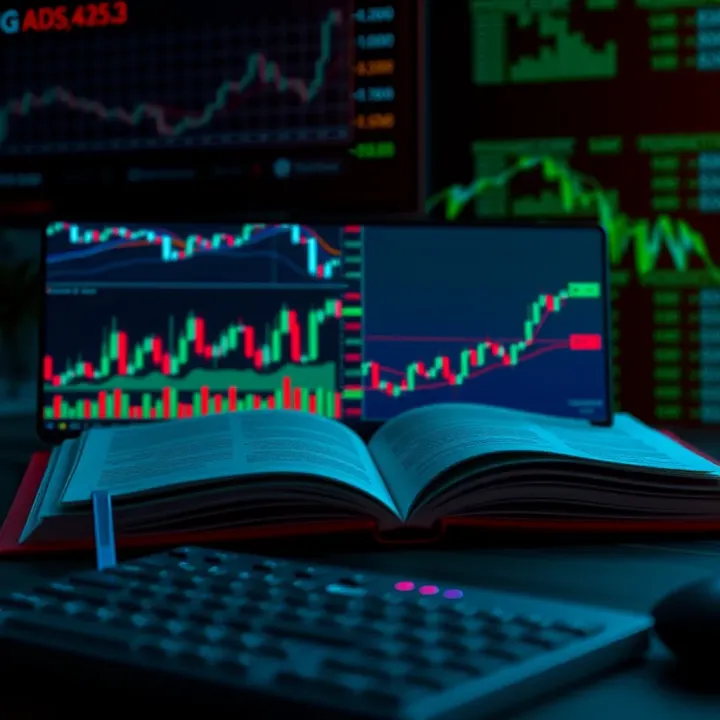
📚 Discover top PDF books for South African forex traders covering markets, strategies, and risk management to improve your trading skills and results effectively.
Based on 6 reviews