
How Forex Trading Works: A Guide for South Africans
📉 Learn how forex trading works in South Africa — from currency pairs and market structure to risks and practical tips for starting your journey confidently in Rands.
Edited By
Amelia Wright
South African traders eyeing the US forex market face a mix of exciting chances and tricky hurdles. Forex trading across borders means more than just knowing the market — it's about navigating laws, taxes, and broker rules that differ from what you're used to in Mzansi.
The US forex scene is no walk in the park. It’s tightly regulated by bodies like the Commodity Futures Trading Commission (CFTC) and the National Futures Association (NFA). These watchdogs enforce strict standards on brokers, aiming to protect traders from fraud and unsafe practices. For South African traders, this means only dealing with brokers registered under these rules if they want the peace of mind that comes with oversight.
Forgetting regulation can lead to serious trouble, from frozen accounts to legal penalties — so choose your US forex broker carefully.
Tax-wise, trading forex linked to the US brings its own challenges. The US imposes specific tax treatments such as Section 988 and Section 1256 contracts, and South Africans must understand how these affect their tax filings at home and abroad. The double taxation agreement between South Africa and the US can help avoid paying tax twice, but only if you get your paperwork right.
When it comes to brokers, South Africans often lean toward platforms that accept international clients but comply with US regulation for security. Many prefer brokers offering US dollar accounts and resources tailored to the US market, like easy access to brokers registered with the NFA.
Some practical tips:
Use brokers authorised by the NFA to avoid unwanted risks.
Keep detailed trading records to help with SARS tax declarations.
Understand differences between margin requirements in South Africa and the US.
Stay updated on Eskom loadshedding which can mess with your trading schedule if you depend on unstable power.
Whether you're a new trader or aiming to diversify, this guide will clarify how to play by the rules and take advantage of US forex opportunities without falling foul of regulations or tax laws.
Grasping the basics of forex trading is your first step before trading US markets. It’s not just about buying and selling currency pairs; knowing how forex operates globally helps you manage risk and spot opportunities.
Forex trading means exchanging one currency for another with the goal of making a profit. For instance, if you think the US dollar will strengthen against the South African rand, you might buy USD/ZAR. When the dollar rises, selling back at a higher price nets a gain. This market doesn’t sleep — it works 24 hours due to the global nature of business and finance, letting traders respond immediately to news and events.
The forex market is driven by supply and demand influenced by politics, economics, and even natural events. Say the US Federal Reserve raises interest rates; this can attract foreign investors seeking better returns, pushing the dollar higher against other currencies including the rand. On the flip side, economic uncertainty in the US may weaken the dollar.
Trading happens via brokers connecting traders to larger banks and financial institutions. They set ask and bid prices for currency pairs, with the difference — the spread — being a key cost. Globally, forex is over $6 trillion in daily turnover, making it the largest market by far.
Understanding these basics isn’t just academic; it shapes how you plan trades, interpret news, and choose brokers. For South Africans, familiarising yourself with how US forex markets function helps you avoid pitfalls and aligns your strategy with real-world factors.
In short, before dipping into complex US regulations or broker comparisons, ensure you’re comfortable with forex’s fundamental concepts to trade confidently from Mzansi.
Navigating forex trading regulations in the US is essential for South African traders aiming to access this market safely and legally. These rules shape how brokers operate, the products offered, and the protections available to traders. Getting a clear grasp on these aspects helps prevent surprises, such as blocked accounts or sudden restrictions.
The CFTC and NFA play central roles in overseeing the US forex market. The CFTC is a government agency that enforces laws to reduce fraud and abuse in futures and options markets, including forex. Meanwhile, the NFA serves as a self-regulatory body responsible for ensuring that its members, like brokers, comply with the CFTC’s rules.
For example, any forex broker operating legitimately in the US must be registered with both the CFTC and the NFA. This registration gives traders a level of comfort: these brokers must maintain specified capital requirements and adhere to strict reporting and compliance standards. For South African traders, choosing a CFTC/NFA-regulated broker means being better protected against shady practices.
One of the main US regulations affecting forex trading is the strict limit on leverage. The CFTC caps leverage at 1:50 for major currency pairs and 1:20 for minors and exotics. This is much lower than many offshore brokers offer, where leverage can go up to 1:500 or higher. While lower leverage means smaller potential gains, it also reduces risk significantly and aligns with responsible trading principles enforced in the US market.
Additionally, US brokers undergo rigorous oversight. They must hold client funds in segregated accounts, provide transparent risk disclosures, and submit to regular audits. This level of oversight isn’t always present among offshore providers that South African traders might encounter.
South African traders targeting the US forex market should be aware that many offshore brokers—often offering high leverage or bonuses—are not allowed to operate legally in the US. Trading through unregulated offshore brokers exposes traders to risks like sudden platform shutdowns, blocked withdrawals, or poor execution.
Moreover, US regulations prohibit brokers from offering certain incentives, such as deposit bonuses, to avoid conflicts of interest. This differs starkly from offers common in other markets. Traders should prioritise broker reliability and regulation over tempting promotions.
South African traders should always verify if a broker is registered with the CFTC and NFA before trading US forex pairs. Regulatory compliance offers peace of mind and keeps trading activities above board.
Understanding these rules helps South Africans plan their trading strategies better and avoid pitfalls. It ensures their forex activities align with the legal framework governing the US markets, preventing issues down the line.
Picking the right forex broker is key for South African traders who want access to US markets. The choice impacts everything from trading costs to regulatory protection and the range of instruments available. A good broker acts as your gateway to global currency markets but also ensures your funds and trades stay secure amid US regulatory demands.
US-regulated brokers operate under the watchful eyes of bodies like the Commodity Futures Trading Commission (CFTC) and the National Futures Association (NFA). These brokers must adhere to strict rules on leverage limits, capital requirements, and reporting. For example, leverage usually caps at 1:50 for major currency pairs, shielding traders from excessive risk.
Offshore brokers tend to offer higher leverage—sometimes as high as 1:500—and fewer restrictions. While this might look attractive, it risks exposing traders to unreliable practices or fraud. South Africans trading through offshore brokers may also face legal complexities if disputes arise. That said, some offshore platforms cater well to international clients by providing diverse account types and innovative platforms not always available with US-regulated firms.
Reputation is a big deal. Look for brokers with a solid track record, transparent business history, and positive user feedback. Costs matter too: check spreads, commissions, and inactivity fees closely. Some brokers might lure you in with low spread but charge hidden commissions or bind you with costly withdrawal rules.
Security of funds is non-negotiable. US-regulated brokers typically keep client money in segregated accounts with top-tier banks. This safeguards your deposits even if the broker hits financial trouble. Also, confirm if the broker has compensation schemes or insurance in place. This safety net might not be standard with offshore brokers.
A variety of account types—standard, mini, ECN, or managed accounts—gives traders flexibility. For instance, an ECN account might appeal to active traders wanting direct market access and tighter spreads, while beginners may prefer standard or micro accounts with simpler requirements.
As for platforms, MetaTrader 4 and 5 remain popular choices, but some brokers also offer proprietary platforms with custom features suited for different strategies. Mobile app availability is important for traders on the move, especially given South Africa’s high mobile usage.
Always demo-test a broker’s platform to ensure it fits your trading style and is reliable before committing real money.
Choosing your broker carefully means weighing regulatory status, costs, platform features, and customer service. These factors combine to shape how effectively you can trade US forex markets from South Africa, hopefully keeping your experience smooth and secure.
South Africans trading forex in the US market need to be clear about their tax duties and legal responsibilities. These aspects aren't just red tape; they serve to keep your trading clean and compliant, avoiding costly penalties. Understanding how South African Revenue Service (SARS) views forex profits, plus the legalities around trading platforms and brokers, will save you headaches down the line.
SARS requires residents to disclose all income earned worldwide, including forex trading profits from US markets. Whether your trades bring in a small gain or a sizeable amount, it must be declared in your annual tax return. SARS treats forex trading either as a hobby or business, depending on your trading frequency and intent. For instance, if you trade regularly and rely on this income, it usually counts as business income subject to normal tax rates plus provisional tax payments.
Capital gains tax (CGT) can also come into play if you hold positions over time and dispose of forex as an asset. The exact tax treatment can depend on your trading style and timeframe. Using detailed records will help when it’s time to submit your SARS returns — keep track of trades, platform statements, and forex broker fees.
When it’s time to declare forex earnings, honesty is non-negotiable. SARS expects clear declarations, whether profits are reinvested or withdrawn. If you're trading via a US-regulated broker, the statement you get will assist in reporting earnings accurately.
Practical tip: many South Africans operating from home use tax software suited to local requirements or consult with SARS-registered tax practitioners. They can help classify income correctly, distinguishing between speculative gains and capital profits. Incorrect filing could bring audits, fines, or even back taxes owed with interest.
Trading forex via US brokers means you’re also subject to US regulations, like those set by the Commodity Futures Trading Commission (CFTC) and the National Futures Association (NFA). While these rules protect traders, they also limit leverage and require brokers to maintain capital reserves.
South African traders must avoid illegal brokers — those not registered with relevant US or South African authorities. Using an unregulated broker may expose you to fraud or sudden trading restrictions. Always verify broker licences and consider local laws, including the Financial Sector Conduct Authority (FSCA) guidelines.
Staying compliant with tax laws and trading regulations isn’t just cautious — it’s essential for long-term success and peace of mind in the forex market.
Being clear on these tax and legal matters gives South African traders a solid footing in the US forex market and helps avoid complications that could hurt your financial goals.
Trading forex in the US market demands careful planning and practical know-how, especially for South African traders navigating different time zones, regulations, and currency risks. By focusing on actionable advice, traders can better manage risks and improve their chances of success. Practical strategies cover vital areas such as managing currency volatility, choosing the right tools, and steering clear of common mistakes – all critical when stepping into a market tightly regulated like the US.
The US dollar’s strength can fluctuate sharply, influencing trade outcomes significantly for South African traders. Managing currency risk means constantly monitoring exchange rate movements between the Rand (ZAR) and the US dollar (USD). For example, if you opened a position when the USD was strong but the Rand improves later, your profits can shrink or turn to losses once converted back. Using stop-loss orders limits downside risk, while hedging strategies, such as options contracts, can protect against sudden swings. It helps to follow economic updates impacting both currencies—like Fed interest rate changes or South African Reserve Bank announcements—as these events often trigger volatility.
Knowing when to pause trading during turbulent market phases can preserve capital and prevent rash decisions.
Equipping yourself with reliable tools can make all the difference. Platforms like MetaTrader 4 or 5 are popular for their analytical features and ease of use. Access to real-time charts, news feeds (including local South African and US economic releases), and automated alerts keeps you ahead of market moves. Websites like Investing.com or local services such as MyBroadband’s market updates provide timely data to inform decisions. Beyond software, consider joining forums or groups where South African traders share live market insights, helping you grasp nuances that algorithms might miss.
Several traps catch traders new to the US forex stage. Overtrading driven by excitement or chasing losses is common and quickly drains capital. High leverage, though tempting, can magnify losses just as much as profits and is tightly capped for US brokers under NFA and CFTC rules. Ignoring tax compliance is another risk; all forex income must be properly declared to SARS to avoid penalties. Additionally, falling prey to offshore brokers that lack proper US or South African regulatory oversight can expose traders to fraud or poor execution. Choosing regulated, reputable brokers suited for South African traders is non-negotiable.
By combining solid risk management, proper tools, and awareness of common pitfalls, South African traders can approach the US forex market with greater confidence and control. Remember, forex isn’t a quick win scheme but a skill that improves with disciplined learning and realistic expectations.
📉 Learn how forex trading works in South Africa — from currency pairs and market structure to risks and practical tips for starting your journey confidently in Rands.
💱 Learn how forex trading works for South African traders: understand currency pairs, manage risks, spot opportunities, and start trading confidently with local tips.
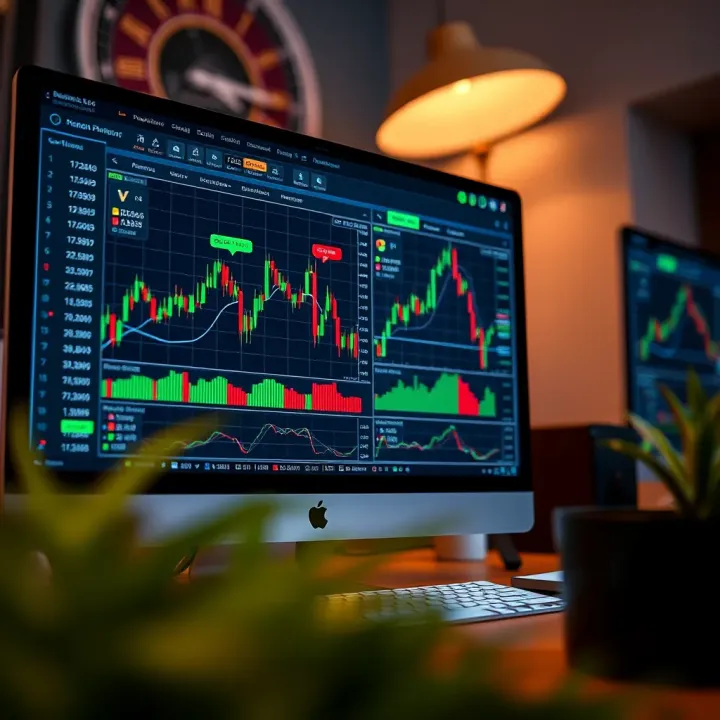
📈 South African traders, find forex software that matches your trading style, offers local market access, keeps costs fair, and stays within regulatory rules. 💼💰
🌍 Explore live forex trading in South Africa with practical tips on real-time currency buying, risk management, essential tools, and local regulations for traders.
Based on 12 reviews