

Understanding Forex Trading for South African Investors
📉 Curious about forex trading? Learn how South Africans can trade currencies, spot risks, find trusted brokers, and make informed decisions in the local and global market. 💹
Edited By
Megan Davies
Cryptocurrency trading offers South African investors a unique chance to grow funds beyond traditional markets. But the crypto world moves fast, and local factors like exchange options, transaction fees, and regulations can affect your outcomes. Understanding the basics and how to navigate South Africa’s crypto space is essential before committing your R.
Unlike stocks or bonds, crypto markets operate 24/7 — meaning prices can swing while you’re asleep or at work. This makes strategies that suit your schedule, risk appetite, and goals crucial. For instance, some traders prefer quick gains from daily price shifts (day trading), while others hold coins for months or years, hoping for long-term appreciation.

Several South African exchanges facilitate crypto trades, including Luno, VALR, and Binance South Africa. Each platform has different fee structures, payment methods (such as EFT or card), and supported cryptocurrencies. Being sharp about these details can save you money and time, especially since fees eat into profits and some platforms impose withdrawal limits or require registration compliant with the Financial Intelligence Centre Act (FICA).
South African investors should keep a close eye on regulatory updates from the South African Reserve Bank (SARB) and the Financial Sector Conduct Authority (FSCA) to stay compliant and avoid surprises.
Another critical matter is security. With rising scams and hacking incidents worldwide, adopting solid safety measures—like enabling two-factor authentication, using hardware wallets, and avoiding suspicious links—is a no-brainer.
Finally, managing risk is non-negotiable. The crypto market’s notorious volatility means no one should put all eggs in one basket. Diversify across coins and trading styles, decide your maximum loss per trade, and consider using stop-loss orders to protect your capital.
This article will guide you through practical strategies tailored for South African investors. From setting up accounts on local exchanges, understanding fees in Rand, managing tax obligations with SARS, to selecting appropriate trading approaches, it covers what you need to trade crypto knowingly and confidently in Mzansi.
Understanding cryptocurrencies and the basics of trading is the foundation for any South African investor stepping into the crypto space. Whether you’re planning to trade actively or hold assets for longer periods, knowing what you’re dealing with helps you avoid common pitfalls and spot worthwhile opportunities. These basics give you a realistic view of the market’s mechanics and prepare you to navigate volatile conditions often seen in crypto trading.
Crypto trading involves buying and selling digital currencies on an exchange to make a profit. Unlike traditional investments, crypto markets operate 24/7, which means prices can fluctuate at any time. For example, Bitcoin (BTC) might rise one day while Ethereum (ETH) dips, opening chances for traders to buy low and sell high within short periods. In practical terms, trading is about capitalising on these price movements rather than simply holding.
It’s important to distinguish crypto trading from investing. Trading usually happens over a shorter timeframe—minutes, hours, or days—with a focus on technical analysis and quick decision-making. Investing, on the other hand, means purchasing cryptocurrencies with the intention of holding them months or years, banking on long-term growth. A South African who buys Bitcoin now expecting it to appreciate over several years is investing, while another who buys and sells within the same week to catch price swings is trading.
Bitcoin is the first and most well-known cryptocurrency, often called digital gold due to its limited supply and widespread acceptance. South African investors often start with Bitcoin since it’s the most liquid and widely understood. Beyond Bitcoin, there are major altcoins like Ethereum, which powers smart contracts, and Ripple (XRP), which targets fast cross-border payments. These large altcoins offer different use cases and risks but still maintain reasonable liquidity on local and international exchanges.
Stablecoins and tokens play another role in trading. Stablecoins, like USDT or USDC, are pegged to stable assets such as the US dollar—providing a safe spot when the market gets rocky. For traders, this means you can quickly move profits into stablecoins to avoid volatility without fully cashing out into Rand. Tokens, meanwhile, represent varied projects within the blockchain ecosystem and can be utility tokens, governance tokens, or even NFTs. Although less stable, they provide diverse opportunities but require more research before trading.
Getting familiar with the types of crypto assets helps you understand what suits your trading style and risk appetite. It’s the first step to trading with confidence rather than chasing hype or rumours.
By grasping these basics, South African traders can better navigate exchanges like Luno, VALR, or international platforms such as Binance while managing risks smartly in a market known for its fast changes and often dramatic swings.
Choosing the right trading strategy depends a lot on your goals, risk tolerance, and how much time you can dedicate to the markets. Understanding popular approaches helps South African investors make informed decisions tailored to their circumstances, whether it's managing a busy schedule or coping with market volatility.
Trading on short-term price movements involves buying and selling cryptocurrencies within minutes or hours to profit from small price changes. This approach suits traders who keep a close eye on the markets and can act quickly. For example, a day trader might capitalise on Bitcoin’s price spikes during active South African market hours when volatility tends to be higher.
Tools and indicators commonly used include moving averages, Relative Strength Index (RSI), and Bollinger Bands. These help identify entry and exit signals based on price momentum and volatility. For instance, an RSI below 30 could indicate an oversold asset – a possible buy signal for a scalper looking for quick gains. Reliable charting platforms like TradingView are popular among local traders for their versatility.

Capturing trends over days to weeks allows traders to hold positions longer than day traders, aiming to ride the upward or downward momentum. This method suits investors who can’t monitor the market constantly but want to benefit from sustained moves. An example is holding Ethereum through a two-week rally prompted by a network upgrade.
Trend analysis basics centre on recognising patterns like higher highs and higher lows for uptrends, or lower lows and lower highs for downtrends. Traders often use tools such as trendlines or the moving average convergence divergence (MACD) indicator to confirm these trends, helping avoid false signals that can wipe out gains.
Holding based on fundamental analysis focuses on the long-term potential of a cryptocurrency rather than short-term price swings. South African investors might choose to hold Bitcoin or Ripple based on their adoption prospects or partnerships with established financial institutions.
Benefits of reduced trading frequency include lower transaction costs and less exposure to market noise. By avoiding constant buying and selling, investors can sidestep emotional decisions and concentrate on the bigger picture. This strategy fits well with local investors dealing with loadshedding disruptions, where longer-term holding is simpler to manage.
Popular trading strategies each serve different types of investors. Matching your approach to your lifestyle and market conditions helps you stay in control while aiming for steady gains.
By understanding these strategies, South African traders can better align their tactics with personal goals and local market realities. Whether you prefer to jump in and out throughout the day or hold steady for months, a disciplined approach pays off.
Managing risks is a foundational skill for anyone venturing into crypto trading, especially in South Africa's dynamic market. The unpredictable nature of cryptocurrencies means losses can accumulate fast if risks aren't controlled. Practical risk management techniques help you protect your investment, sustain gains, and trade with confidence instead of emotions.
Stop-loss orders are a lifesaver in volatile markets. They automatically sell your crypto when the price drops to a certain level, cutting losses short before they get out of hand. For instance, if you buy Bitcoin at R500,000, setting a stop-loss at R470,000 means your trade exits automatically if the price dips to that point. This prevents emotional hesitation, which can often lead to deeper losses during sudden market dips, something quite common in crypto.
On the flip side, take-profit orders lock in gains by selling once a target price is reached. Suppose you bought Ethereum at R20,000 and expect it to climb to R25,000; you set a take-profit there. When the price hits R25,000, your trade closes, ensuring you don't give back profits in a price swing. This is useful for capturing gains during upward trends without having to watch the charts all day.
Putting all your eggs in one basket is risky under normal circumstances, but crypto markets can be wild. For example, holding only Bitcoin may feel safe to some, but if you miss opportunities in altcoins like Cardano or Solana, you lose potential gains. Also, if Bitcoin tanks hard, your entire portfolio suffers. Spreading investments across different crypto assets, including stablecoins like USDT, cushions against shocks and reduces reliance on a single coin’s performance.
Diversification also means mixing assets with different risk profiles. You might have a chunk in established coins like Bitcoin and Ethereum, mixed with smaller amounts in newer projects that could shoot up or flop. Including a stablecoin portion helps guard against volatility, letting you seize buying chances during dips. The key is balancing your appetite for risk and your financial goals, adapting as market conditions evolve.
Crypto prices often change rapidly within minutes or hours, driven by news, social buzz, or market sentiment. Expecting this volatility helps you avoid panic selling or FOMO (fear of missing out) buying. For example, a sudden Eskom loadshedding announcement may rattle the Rand and impact exchange volumes, causing price jumps or drops. Knowing volatility is part of the game encourages measured responses rather than rash moves.
Trading while emotions run high often leads to mistakes—selling in fear or buying in greed. Keeping a clear mind, relying on pre-set stop-loss/take-profit orders, and reviewing trades objectively are key. Also, stepping away from screens when emotions flare can help. It’s about discipline: a successful trader treats crypto as a business, not a rollercoaster ride.
Managing risks doesn’t guarantee profits but gives you tools to survive and grow in crypto trading’s choppy waters. Use stop-losses, diversify smartly, and stay calm amid volatility to protect your investments.
Navigating the South African crypto market demands a clear understanding of local nuances. From choosing the right exchange to handling taxes and securing your assets, practical steps matter. This section offers insights tailored for South African traders to help optimise decisions and protect investments in a market shaped by unique regulatory, cost, and security concerns.
Local exchanges such as Luno and VALR offer the benefit of rand (ZAR) trading pairs, making deposits and withdrawals straightforward. These platforms often comply with South African regulations, giving traders peace of mind about legal protections and ease of dispute resolution. On the other hand, international exchanges like Binance or Kraken provide access to a wider range of cryptocurrencies and sometimes lower trading fees. However, these platforms usually require crypto-to-crypto transactions for ZAR withdrawals, which can add extra steps and risks due to fluctuating rates.
Choosing between the two depends on your priorities: ease of use with local support versus a broader selection and sometimes more competitive fees from international exchanges. For example, a new trader might prefer Luno for its simple interface and local banking options, while a seasoned trader chasing diverse altcoins might lean towards Binance.
Fees can eat into profits quickly, especially for active traders. Local exchanges might charge higher deposit or withdrawal fees but often have lower trading fees. International platforms sometimes offer fee discounts for using their native tokens or VIP tiers but may charge more for fiat currency movements.
Security is paramount. Local exchanges are generally under South African financial regulations and often implement standard security measures such as two-factor authentication (2FA) and cold storage. Still, some traders prefer the extensive security infrastructure of larger international platforms. Regardless, users must enable all available security features and regularly update passwords and devices.
Every trade involves transaction costs, from exchange fees to network fees for moving crypto across wallets. South African traders should calculate these costs upfront, as frequent trading with high fees can turn potential profits into losses. For instance, high Ethereum gas fees can drastically affect small trades on certain days, making some altcoin trades uneconomical.
Balancing trading frequency with fee costs is essential. Swing traders might pay less in fees due to lower trade volume, whereas day traders need to choose exchanges with affordable fees to maintain profitability.
The South African Revenue Service (SARS) treats cryptocurrency gains as taxable income or capital gains, depending on trading frequency and intent. You are required to report profits or losses from crypto trading in your annual tax return. Missing out on declarations can lead to penalties.
To stay compliant, keep accurate records of all transactions, including dates, amounts, trading pairs, and the rand value at the time. SARS does not yet provide detailed guidelines on crypto, so consulting a tax professional familiar with digital assets is wise. Some local tax software now includes crypto transaction tracking to ease this process.
Securing your crypto wallets is non-negotiable. Use hardware wallets like Ledger or Trezor for long-term holdings, as these keep private keys offline and safe from hacking. For active trading, enable strong passwords, 2FA, and withdrawal whitelists on your exchange accounts.
Backing up wallet seed phrases is crucial; losing this means losing access to your crypto forever. Store backups offline in secure places, such as a safe or lockbox. Remember, even the best platforms can't protect you if account access info falls into the wrong hands.
Scams are rife in the crypto space, with phishing, fake investment schemes, and impersonation tactics common in South Africa. Always verify communications directly through official exchange channels and avoid clicking on suspicious links.
Never share your private keys or passwords with anyone claiming to be “support”. Be wary of unsolicited investment offers promising high returns, often a red flag. Joining South African trader communities on Telegram or WhatsApp can help you stay informed about scam alerts and share trustworthy practices.
Stay vigilant and make security a habit; crypto's decentralised nature means your safety depends largely on your own actions.
By following these tailored practical tips, South African investors can navigate the crypto market more confidently and reduce risks tied to fees, regulations, and security.
📉 Curious about forex trading? Learn how South Africans can trade currencies, spot risks, find trusted brokers, and make informed decisions in the local and global market. 💹
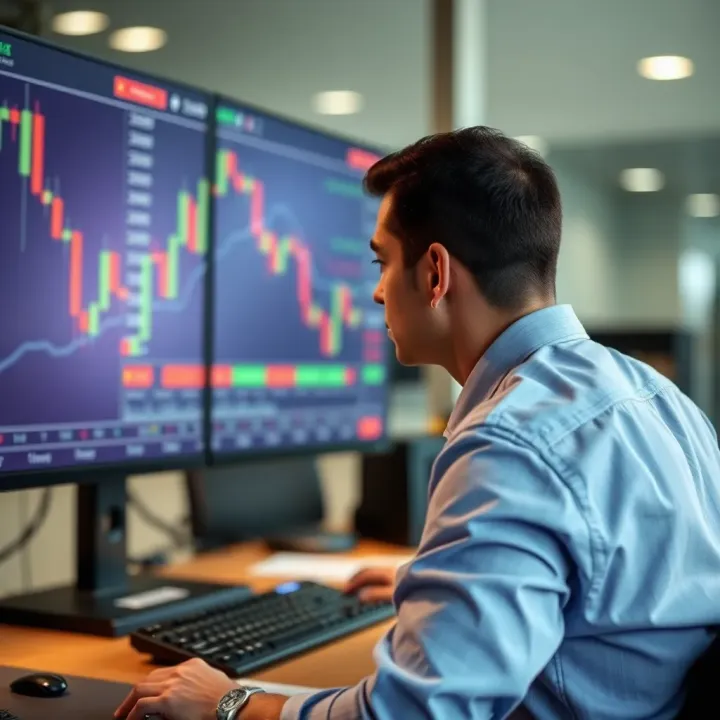
📉 Learn how forex trading works in South Africa — from currency pairs and market structure to risks and practical tips for starting your journey confidently in Rands.

📈 Master forex & crypto trading in South Africa with practical tips, local regulations, risk insights & market tools for smarter investing decisions. 💰

💱 Learn how forex trading works for South African traders: understand currency pairs, manage risks, spot opportunities, and start trading confidently with local tips.
Based on 8 reviews