
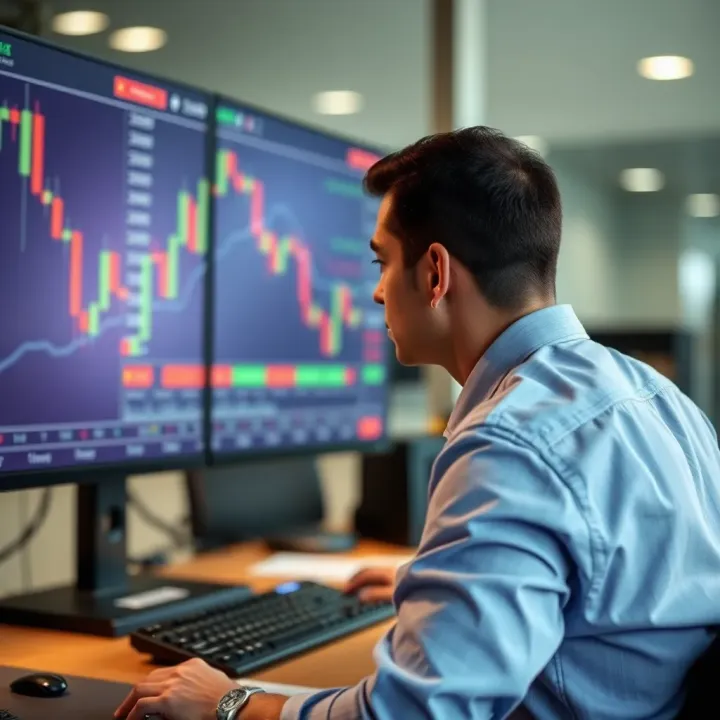
How Forex Trading Works: A Guide for South Africans
📉 Learn how forex trading works in South Africa — from currency pairs and market structure to risks and practical tips for starting your journey confidently in Rands.
Edited By
Sophia Mitchell
Choosing the right forex trading app is a key step for anyone serious about trading currencies in South Africa. With countless apps flooding the market, it’s easy to get overwhelmed. The main challenge isn’t just finding an app that lets you trade but picking one that fits your unique needs, from costs and security to access to both local and global markets.
South African traders need apps that respect local regulations and offer support tailored to the market here. For example, an app regulated by the Financial Sector Conduct Authority (FSCA) often provides better peace of mind than an unregulated alternative. Plus, strong security features such as two-factor authentication and data encryption are non-negotiable, especially when dealing with your hard-earned Rands.
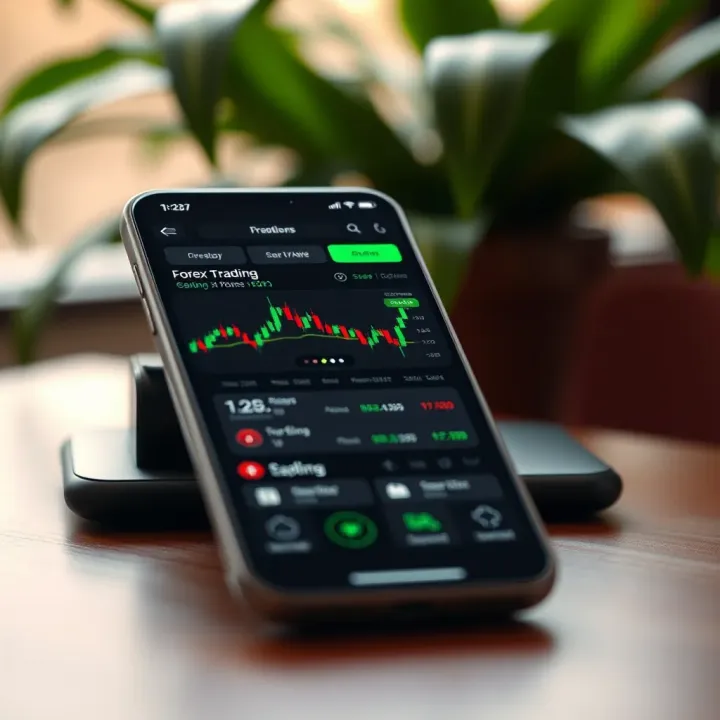
Costs are another big factor. Some platforms might lure you with zero commission but hide fees in spreads or withdrawal charges. It pays off to look closely at the cost structure and work out what you’ll pay for, especially if you plan on frequent trading. Popular apps like IG, Plus500, and XM each have different pricing models that can impact your bottom line.
Usability is just as important. A complicated interface can cause you to miss chances or make costly errors. Apps that offer clear charts, easy order placement, and real-time price updates will make trading less stressful. Also, mobile apps that run smoothly on modest smartphones (common among many South African users) save hassle and data costs.
Tip: Test-drive a few apps using demo accounts before committing real money. That’s the best way to see how they work in practice without risking your capital.
In this article, we’ll break down how to assess forex trading apps from a local perspective, considering:
Regulatory compliance and security
Fee structures and hidden costs
Accessibility of South African and major global forex pairs
Platform features and user experience
Customer support responsiveness in South Africa
By the end, you’ll know how to avoid the common traps and find an app that matches your trading style, budget, and comfort level. Let’s get into what matters most for South African forex traders.
A solid forex trading app needs more than just bells and whistles; it has to offer practical features that make trading smooth, secure, and efficient. For South African traders, this means apps should deliver fast trade execution, reliable charting tools, and options that suit different trading styles, all while handling local currency nuances like ZAR pairs and payment methods. Let's break down the main features that really count.
A clean, uncluttered interface helps traders jump on opportunities without faffing about. Imagine spotting a sudden shift in the rand-dollar pair—if the app’s too clunky or cluttered, you might miss the trade. Apps like MetaTrader 4 and Plus500 keep things straightforward, letting you place trades with a couple of taps or clicks, which matters when seconds can decide your profit or loss.
Traders want control over what they see and get notified about. Being able to tweak your dashboard to highlight favourite currency pairs or set price alerts prevents information overload. For instance, if GBP/ZAR crosses a certain level, the right alert pushes through immediately, so you don’t have to stare at the screen all day. This makes managing trades alongside other daily tasks less stressful.
Trading on the go is typical nowadays, especially for busy professionals or those commuting via taxi or bakkie. Apps that adapt well across different smartphones and tablets, regardless of screen size, are essential. The app should load quickly, handle touch gestures fluidly, and not drain your battery—so you can stay connected to the market anytime, anywhere.
Robust charting is a must-have. The ability to add indicators like Moving Averages, RSI, or Bollinger Bands helps traders make informed decisions. Those overlays reveal potential entry and exit points in the market, which can be the difference between walking away with a gain or a loss. An example is the IG trading app, known for flexible technical tools tailored to different strategies.
Markets move fast, and so does information. Real-time price updates and live news from credible sources allow traders to react promptly to local and global events affecting currency values. For South African traders, news about SARB interest rate changes or political developments can influence the rand significantly, so timely feeds keep you in the loop.
Sometimes you nail a trade setup or spot a pattern worth revisiting later. The option to save your chart analyses or share them with fellow traders or mentors helps refine your strategy and get feedback. Sharing insights via screenshots or direct app collaboration tools fosters a community feel, which can benefit both beginner and experienced traders.
Having varied order types helps manage risk better. Market orders execute immediately at the current price, suitable for quick trades. Limit orders let you set a price at which to enter or exit, handy when you’re patient or expect pullbacks. Stop orders protect against losses by closing trades if prices move unfavourably. Apps like Interactive Brokers support comprehensive order types essential for precise trading.
Fast execution with minimal slippage means your orders fill near the price you choose, avoiding nasty surprises. For example, during volatile sessions, if an app’s servers are slow or unreliable, orders might execute at less favourable prices. This can eat into profits or worsen losses. Therefore, checking an app’s track record for execution quality is key.
Automated trading (or algorithmic trading) lets you run pre-set strategies on autopilot, which can cut down emotional decision-making. Some forex apps allow integration with Expert Advisors (EAs) or proprietary bots. For South African traders with limited time but decent technical skills, this can multiply opportunities while keeping the hands-free feel.
Finding the right blend of these features helps you trade confidently and efficiently, turning your forex app into a reliable partner rather than a hurdle. Choose with care and focus on what truly supports your trading style and needs.

When choosing a forex trading app, security and regulation aren't just checkboxes—they're the backbone of your trading experience. In South Africa, the Financial Sector Conduct Authority (FSCA) plays a key role in ensuring that brokers and platforms operate fairly and transparently. Trading through a platform regulated by the FSCA means you’re dealing with someone who meets minimum standards designed to protect your funds and data.
The FSCA oversees financial markets in South Africa, including forex broker activities and trading platforms. This watchdog ensures that brokers play by the rules, maintain proper conduct, and protect clients’ interests. For instance, if a broker wrongly withholds your funds or offers misleading information, the FSCA has the authority to investigate and act. Knowing that your trading app is licensed by the FSCA offers peace of mind, especially amidst scams popping up in online trading.
Trading with FSCA-regulated brokers reduces the risk of fraud and malpractice. Such brokers must adhere to strict capital requirements and report regularly, which screens out less reliable operators. Moreover, regulated brokers usually offer transparent trade execution, fair spreads, and clear client terms. This is the kind of environment that lets traders focus on strategies, knowing their funds are safer and the platform is accountable.
Before trusting an app with your money, it’s smart to verify its licence status through the FSCA’s public register. This easy step helps avoid rogue brokers pretending to be legitimate. Look out for brokers whose names match exactly to what’s on the official register; even slight name changes could hint at dodgy operators. Besides the FSCA, you can check international licences — but South African regulation offers specific protections for local traders.
Good forex apps protect your data using encryption, which means your login details and personal info travel securely between your device and the broker’s servers. Two-factor authentication (2FA) adds another layer, requiring a code from your mobile or email in addition to your password. Without these, your account is vulnerable to hacking. For example, brokers like IG and Plus500 provide 2FA as standard, keeping unauthorised access at bay.
One of the most important safeguards is keeping client money separate from a broker’s operating funds. This segregation means that even if the broker faces financial trouble, your funds aren’t swallowed up in company debts. It’s a practice legally required for regulated brokers and something every serious trader should check. Unfortunately, unregulated platforms often mix funds, putting traders at major risk.
While South Africa doesn’t have a government-backed compensation fund specifically for forex traders, some brokers offer insurance or participate in compensation schemes. These may cover losses from broker insolvency or fraud. For instance, international firms regulated in Europe often provide negative balance protection or insurance, which South African traders can benefit from when using those platforms. It’s worth asking your broker about these protections before signing up.
Always prioritise apps that are transparent about their security and regulation. When your funds and data are safeguarded, you’re free to focus on what matters most: smart trading.
In summary, verifying FSCA licensing, ensuring strong data protection practices, and confirming client fund segregation form the foundation of a trustworthy forex app. These elements help South African traders trade with confidence and reduce exposure to unnecessary risks.
Understanding the costs and fees involved in forex trading apps is vital for South African traders. These charges directly influence your net profits and overall trading strategy. By being informed about common costs like spreads, commissions, and overnight fees, you can choose an app that suits your trading style without unpleasant surprises.
Typical forex spreads on popular apps tend to differ depending on the broker and currency pair. The spread is the difference between the bid and ask price, essentially the primary cost of trading forex. For example, major pairs like EUR/USD often have tight spreads as low as 0.8 pips on leading platforms, while exotic pairs involving ZAR might have wider spreads, closer to 3 to 5 pips. For South African traders, tight spreads on popular pairs can save significant costs, especially when trading frequently or in large volumes.
When commissions apply, some apps charge a flat fee per trade instead of or alongside spreads. These commissions usually occur with brokers offering ultra-low spreads as a trade-off. For instance, a broker might offer a 0.1 pip spread but charge a commission of R50 per lot traded. South African traders should weigh if paying a commission plus tight spreads is cheaper than wider spreads without commissions. This depends on your trade size and frequency.
Implications of rollover/overnight financing costs affect traders holding positions beyond a single trading day. Forex trading involves leverage, so brokers charge or pay interest based on the currency pair's interest rate differentials. These rollover fees can add up, especially when trading volatile pairs or holding trades long-term. It's especially relevant for South Africans who might trade USD/ZAR, where interest rates differ markedly. Always check rollover rates on your potential trading app to factor them into your cost calculations.
Available payment methods in South Africa include EFT (electronic funds transfer), credit/debit cards, and increasingly, mobile wallets like SnapScan or Zapper. Some brokers also accept payments via local banks or global services like Skrill and Neteller. It's essential to choose an app supporting fast, affordable South African payment options to avoid delays or unnecessary fees.
Local currency versus foreign currency issues can creep up when depositing or withdrawing funds. While trading currency pairs usually involves USD or EUR, funding your account in ZAR may incur currency conversion fees. For instance, depositing R10,000 might attract a 1.5% forex conversion fee if the broker doesn't support local currency accounts. Over time, these fees add up and impact your available trading capital.
Impact of fees on overall trading costs stretches beyond spreads and commissions. Deposit and withdrawal fees, along with currency conversion charges, need consideration, especially if you trade infrequently or with smaller sums. A broker charging no commissions but high withdrawal fees may end up costing more. Track all these charges to understand the true cost of trading via your chosen app.
Choose your forex trading app not just on features but on how transparent and reasonable its fees are. Even small costs can compound and affect your bottom line, more so given our unique local currency circumstances and payment systems.
By factoring these costs, South African traders can select apps that align with their budgeting and trading patterns, keeping more Rand in their pockets while trading efficiently.
Selecting the forex trading app that fits your personal style and requirements can make a world of difference in your trading experience. Traders vary greatly; some want an easy entry with plenty of guides, while others need advanced tools to execute complex strategies. Knowing what suits you helps avoid frustration and wasted time, whether you’re based in Johannesburg, Durban, or Cape Town.
Educational resources and demo accounts are a must for newcomers who are still finding their feet. A good app will offer tutorials, webinars, and video lessons tailored to South African realities—like how the rand often reacts to local events such as SARB announcements or Eskom's load-shedding schedules. Demo accounts let you practise trading with virtual funds, giving you a safe space to make mistakes and learn without risking your own cash.
For advanced traders, it’s not enough to have basic features. They often require advanced order types—like stop limit, trailing stops, or one-cancels-other (OCO)—to manage risk effectively. These traders may also use algorithmic trading options, where pre-programmed bots execute trades automatically based on set rules. This can be a real time-saver, especially for those juggling multiple charts or trading the volatile rand/dollar (ZAR/USD) pair while handling their day job.
Community-driven elements enhance trading for both beginners and pros. Community features and market sentiment tools provide insight into how other traders feel about certain currency pairs. For example, seeing that a majority of local traders are bearish on ZAR/EUR might influence your strategy. Forums, chat rooms, and sentiment indicators help keep your finger on the pulse without relying solely on technical charts.
The availability of ZAR trading pairs is crucial for South African traders wanting to avoid currency conversion fees or delays. Apps that offer direct access to popular pairs like ZAR/USD, ZAR/EUR, or even some emerging market currencies make it easier and cheaper to trade. This is especially helpful when the rand is watching local economic news or political developments closely.
Good South African customer service means quicker, more helpful responses when you hit a snag. Local support teams working within SAST hours understand the environment, whether it’s dealing with platforms during municipal events or outages due to load shedding. Being able to speak to someone familiar with South African regulations and banking adds peace of mind.
Integration with local payment platforms such as PayFast, SnapScan, or even EFT via major banks like FNB and Capitec simplifies deposits and withdrawals. This avoids the hassle and cost of international transfers that can add up with fees and delays. Fast and flexible payment options tailored to South African users make managing your account hassle-free.
Finding an app that matches your trading approach and offers practical support tailored to the South African market is more than a convenience — it’s a smart move for your trading success.
Choosing the right app isn’t just about features; it’s about matching those features to your unique trading needs and the local context that shapes your market movements.
For South African traders, choosing a forex trading app isn't just about flashy features; it’s about finding platforms that blend reliability, usability and local relevance seamlessly. Popular apps offer a proven ecosystem where you can trust the technology and benefit from shared user insights. They often come with localised support or at least cater for the distinct needs of South African traders, such as ZAR-denominated trading pairs or supporting South African payment options.
Global apps like MetaTrader 4 and 5, Plus500, and IG Markets have earned reputations for user-friendly interfaces paired with powerful charting tools and swift trade execution. For example, MetaTrader 5 offers advanced charting and a variety of order types, which appeal to experienced traders needing precision. IG Markets, meanwhile, stands out with its integrated news feeds and mobile responsiveness, making it easier to react on the go.
These apps often provide demo accounts that let you practise without risk and offer customisable dashboards to help you track currency pairs like USD/ZAR closely. Real-time price feeds and alerts also ensure you don’t miss critical price swings, something every South African trader can relate to, given our volatile rand.
Trustworthy brokers underpin these apps. Many global platforms operate with strong regulation — often from the UK’s FCA or Australia’s ASIC — offering comfort that your funds are secure. However, not all are FSCA-licensed, which matters here because local regulation protects traders against scams and ensures compliance with South African financial laws.
Therefore, look for brokers that are either FSCA-registered or affiliated with FSCA-recognised entities. This reduces risks such as sudden account closures or withdrawals being blocked. A broker with a stellar reputation on global markets usually provides better client support and transparent fee structures, which you’ll appreciate to avoid nasty surprises.
Checking what fellow South African traders say about these apps offers invaluable perspectives on how platforms handle local challenges like data costs, network speeds, and payment processes. Traders often report their experiences with deposit and withdrawal times, which can differ wildly depending on the app’s support for local banks.
For instance, users frequently praise apps like Plus500 for straightforward deposits via credit/debit cards and e-wallets, while noting delays when transferring funds directly from South African bank accounts. Complaints often centre around customer support responsiveness when technical faults occur during critical trading moments. So, user reviews provide practical insights beyond glossy adverts.
Homegrown apps like Tradewise or Silver Bull often have strong local flavour, designed with South African traders in mind. This means their interfaces may incorporate South African slang or currency conventions, making navigation feel more intuitive. They also tend to provide customer service in multiple local languages, an advantage for those less confident with English-only platforms.
Additionally, local developers tend to understand the nuances of South African market conditions, like rand volatility and peak trading hours aligned with the JSE, tailoring alerts and recommendations accordingly. These apps often integrate educational content relevant to South African market realities — be it about government policy impacts or local economic indicators.
Local apps are generally better positioned to comply fully with FSCA regulations, protecting traders under South African law. This compliance means better protection of client funds, adherence to the Financial Intelligence Centre Act (FICA) for user verification, and ensuring apps don’t breach the Protection of Personal Information Act (POPIA) with data handling.
For South African traders, this conformity is essential. It means you’re dealing with platforms that respect local legal frameworks, rather than navigating grey areas that could complicate account closures or dispute resolutions.
Local forex trading apps usually support payment methods South Africans know and trust — like Instant EFT payments, SnapScan, or even cash deposits through networked agents. This convenience is crucial when you consider international transfer delays and hefty fees common with foreign platforms.
Having a direct link to South African banks or mobile money providers smooths funding your account and withdrawing profits. Plus, local currency options (ZAR) avoid costly exchange rate conversions, saving you money on every trade.
Choosing between global giants and emerging local apps boils down to your priorities: whether you value broad feature sets and international reach or localised support and compliance. Either way, South African traders should test apps carefully, weigh costs, and read fellow users’ feedback to find what suits their trading style best.
📉 Learn how forex trading works in South Africa — from currency pairs and market structure to risks and practical tips for starting your journey confidently in Rands.
💱 Learn how forex trading works for South African traders: understand currency pairs, manage risks, spot opportunities, and start trading confidently with local tips.
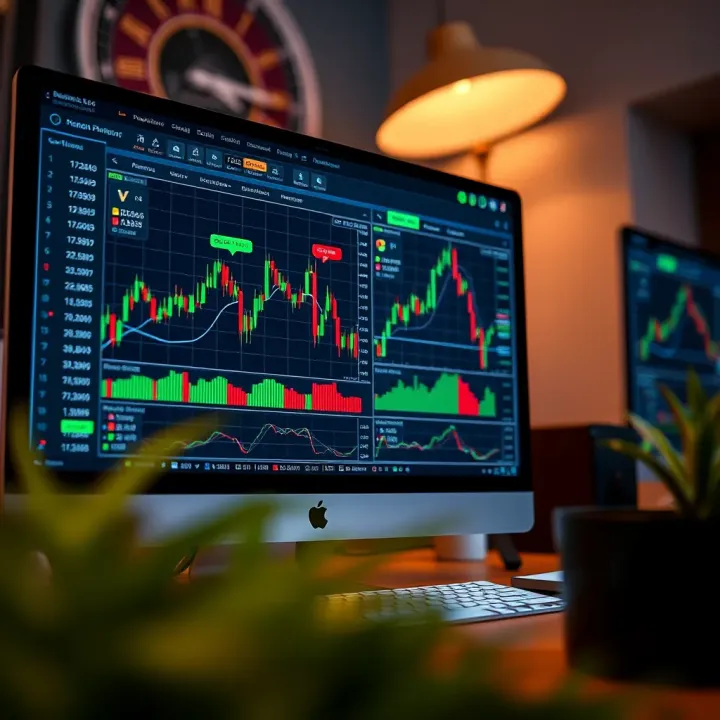
📈 South African traders, find forex software that matches your trading style, offers local market access, keeps costs fair, and stays within regulatory rules. 💼💰
🌍 Explore live forex trading in South Africa with practical tips on real-time currency buying, risk management, essential tools, and local regulations for traders.
Based on 12 reviews