

Benefits of Risk Management in Business and Life
Discover how risk management shields assets, boosts efficiency, and drives growth in business and personal life. Build confidence and stay prepared! 🔒📈
Edited By
Megan Phillips
Risk management isn’t just corporate jargon; it’s a practical tool that helps safeguard your business and personal ventures against unexpected troubles. Whether you're an investor processing market shifts, a broker advising clients, or an educator planning for uncertainties in academic programmes, understanding and managing risk is essential.
In a South African context, risk management takes on an added layer of significance due to local economic volatility, regulatory changes, and infrastructural challenges like loadshedding. These variables can rapidly impact operations, asset values, and long-term planning.
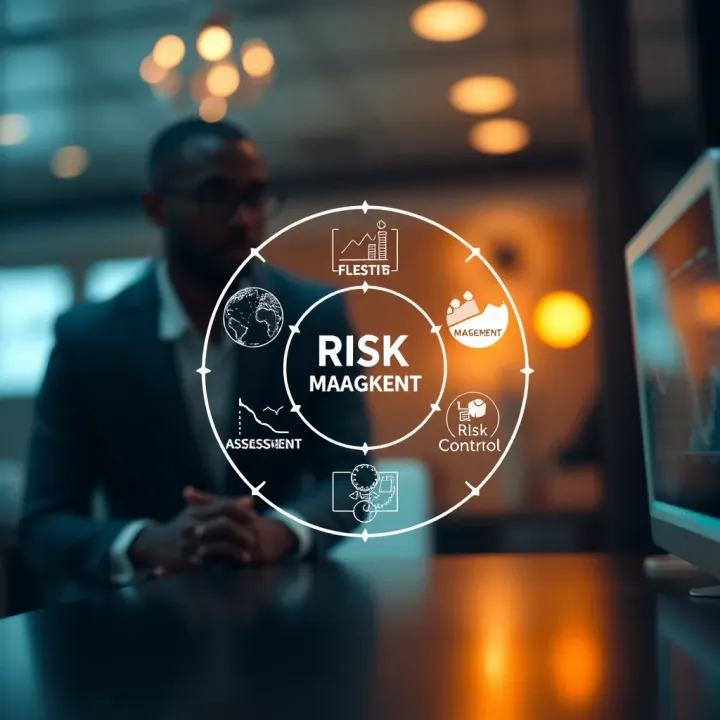
Why manage risk? At its core, risk management helps you identify potential threats, evaluate their impact, and decide how to address them before they become crises. Ignoring risks doesn’t make them disappear; instead, it leaves you vulnerable to shocks that might have been avoided or softened.
Effective risk management is about preparedness — knowing what risks could hit you and having clear plans to deal with them.
Investment portfolios: Diversifying shareholdings across sectors can protect against a single market downturn, such as instability in the mining industry affecting commodity prices.
Small business operations: Maintaining up-to-date compliance with SARS tax laws avoids penalties that could cripple cash flow.
Education sector: In schools or universities, contingency planning for disruptions like strikes or sudden curriculum changes means smoother adjustments without compromising student outcomes.
Preserving capital and assets: Risk management helps avoid significant losses.
Boosting confidence: Clear risk strategies give investors, clients, and employees peace of mind.
Improving decision-making: Knowing your risk exposure lets you make informed choices rather than guessing.
South African traders and analysts should incorporate local factors like exchange rate fluctuations (especially against the US dollar), municipal service delivery uncertainties, and sector-specific regulations. This means practical steps such as:
Regularly reviewing risk registers tailored to local economic indicators.
Setting up early warning systems for key risk areas like interest rate hikes or policy shifts.
Training staff to spot and report emerging risks promptly.
Mastering risk management means turning uncertainty from a threat into a manageable part of your strategy — ensuring stability and ongoing growth amidst South Africa’s unique challenges.
Understanding and managing risks is essential for both businesses and individuals. Risks come in many shapes—from market dips and supply chain hiccups in business to health or financial uncertainties in personal life. Being alert to these risks allows you to prepare and respond effectively, reducing potential negative impacts.
Risks are simply uncertainties that can affect your objectives or plans. For example, a South African trader might face currency volatility affecting import costs, while a local educator could wrestle with infrastructure breakdowns disrupting teaching schedules. On a personal level, risks like job loss or unexpected medical bills can strain finances. It’s not always about avoiding risks but knowing which ones to accept and how to manage the fallout if they occur.
Risk awareness helps you spot early warning signs and make decisions that protect your interests. In business, this could mean diversifying suppliers to avoid being caught out by a single failure. In everyday life, it could involve having an emergency fund or insurance to cover unforeseen events. These practical steps keep shocks from turning into disasters.
Effective risk management acts like a brake on a speeding car: it won't stop all problems but can slow them down enough to keep control.
Ignoring risks can have dire consequences. Take for instance a small Johannesburg-based manufacturer that didn’t assess the risk of unreliable electricity supply. When loadshedding kicked in unexpectedly during peak production, orders got delayed, clients cancelled contracts, and cash flow took a serious hit. The ripple effect from ignoring such known risks can lead to reputational damage and, ultimately, business failure.

On a personal level, skipping risk management might mean not having cover for medical emergencies. South Africa’s healthcare costs can be high, and without risk control tools like medical aid or savings, individuals might spiral into debt quickly.
Beyond financial loss, risks left unchecked can hurt relationships and trust. For businesses, stakeholders (employees, suppliers, customers) expect stability and reliability. If risks aren’t managed, that trust quickly erodes, which often takes years to rebuild.
In short, facing risk head-on with a clear plan is far better than hoping things will just work out. It means safeguarding your future, preserving resources, and keeping confidence strong—whether you run a business or manage your own life.
Managing risks effectively is more than a checklist task; it safeguards a business’s backbone—its financial health, reputation, and legal standing. Firms that manage risks wisely avoid nasty surprises that can knock them off course.
Risk management helps businesses shield their cash flow and assets from unseen threats. For example, a retailer in Gauteng might face significant hits if loadshedding disrupts operations without backup power solutions. By anticipating such risks, this retailer could invest early in generators or solar setups, avoiding costly downtime. Similarly, investors who monitor market risks and diversify portfolios can protect against sudden shocks, like currency swings or commodity price drops. Clear risk strategies mean businesses and investors don’t simply react—they prepare, reducing the chance they'll drain resources to fix preventable setbacks.
A solid reputation builds customer loyalty and shareholder confidence, both critical in South Africa’s competitive market. Companies that neglect risk management may face public backlash due to poor service during blackouts or failure to meet delivery deadlines. Take, for instance, a logistics company hit hard by infrastructure challenges but without contingency plans; clients will lose trust, which can be difficult to rebuild. Conversely, firms that communicate transparently about potential issues and manage expectations maintain stronger relationships with customers, suppliers, and investors. This trust often leads to long-term business sustainability beyond just immediate profits.
South African businesses operate within strict frameworks such as B-BBEE (Broad-Based Black Economic Empowerment) and POPIA (Protection of Personal Information Act). Failure to comply can lead to hefty fines or licence revocations, which risk both finances and reputation. Effective risk management means keeping ahead of changing legislation and implementing policies accordingly. A construction company, for example, regularly audits its compliance with environmental laws and labour regulations to avoid penalties. This proactive approach also eases engagements with regulators, reduces business interruptions, and promotes ethical operations.
Responsible risk management isn’t about avoiding risks entirely but about understanding and planning for them, so businesses thrive even when challenges arise.
In summary, managing risks effectively secures financial foundations, builds stakeholder trust, and ensures firms meet legal expectations—a combination that strengthens the entire business ecosystem, especially within South Africa’s unique environment.
Understanding the various categories of risk is vital for traders, investors, and analysts hoping to navigate South Africa’s often turbulent business environment. Each risk type affects decision-making differently and requires specific approaches to manage effectively.
Operational risks come from day-to-day business activities that might disrupt work or cause losses. Think about a local factory facing unplanned equipment breakdown during Eskom loadshedding. This can cause production delays, impacting supply chains and cash flow. Additionally, fraud or human error remains a significant challenge, especially in businesses with poor internal controls. For example, a small retailer in Gauteng might suffer reputation and financial damage if consumer data is mishandled due to inadequate processes.
Strategic risks relate to choices at the business’s core — from market positioning to growth plans. In South Africa, shifting political landscapes or trade policies can unsettle markets overnight. A mining company exposed to fluctuating mineral prices or changing export tariffs must regularly reassess strategies to avoid steep losses. Moreover, disruptions in global demand, such as the slowdown of China’s economy, directly affect local exporters and investment flows.
Environmental risks have gained prominence amid climate change and local concerns like water scarcity. Farms in the Western Cape, for instance, face significant threats from drought, which can cut harvests and raise operational costs. Social risks, including labour unrest or community protests often linked to service delivery failures, can also hurt businesses and deter investors. Companies ignoring these factors risk long-term damage to their reputation and stakeholder relationships.
Recognising these risk types and their specific impact helps businesses develop practical, tailored interventions rather than one-size-fits-all fixes.
By breaking down risks into operational, strategic, and environmental-social categories, companies and analysts can pinpoint vulnerabilities and prioritise resources efficiently. This, in turn, supports steadier growth and protects investments against South Africa's unique challenges.
Every effective risk management process stands on a few fundamental steps. These act as the backbone, guiding your efforts to identify hazards before they disrupt business or life goals. Without these steps, risks can go unnoticed or unmanaged, leading to costly surprises. This section breaks down these crucial stages into digestible parts, with a focus on real-world applications.
To start managing risk, you first need to know what you’re up against. Risk identification means spotting potential threats that might harm your operations or objectives. For example, a trader in Johannesburg might identify currency fluctuations as a major risk to their import business. Assessment follows, where you measure the likelihood and impact of these risks. Poor assessment can lead businesses to undervalue critical risks, leaving them exposed. Practical tools include risk registers, scenario analysis, and SWOT assessments tailored to your sector.
Once risks are clear, the next step is managing or controlling them. This might mean avoiding certain activities, putting measures in place to reduce impact, or transferring the risk, such as through insurance. For instance, an investor concerned about market volatility might diversify their portfolio across different sectors or currencies to reduce exposure. South African companies often develop contingency plans for loadshedding, ensuring power backup systems and alternate workflows keep business going. Choosing the right control strategy hinges on cost, effectiveness, and your organisation’s risk appetite.
Risk management is not a once-off exercise—constant attention is essential. Monitoring involves keeping tabs on identified risks and spotting new ones as environments change. Reviewing ensures your strategies remain effective over time. Take a retailer dealing with water restrictions; what worked last season might need updating as municipal policies change. Regular reviews can be monthly, quarterly, or aligned to project cycles. Include input from various departments to get a full picture and adjust plans where needed.
Keeping risk management active helps you stay agile in the face of South Africa’s shifting business climate. Practically, this means setting up simple reporting and regular team discussions instead of relying on big, bureaucratic exercises.
By following these fundamental steps, traders, investors, and analysts can better navigate uncertainties and protect their investments. Proper risk management integrates smoothly into decision-making, making it less about crises and more about confidence.
Risk management is not a one-size-fits-all approach, especially in a country like South Africa where economic, political, and infrastructural realities shape the business environment significantly. Tailoring risk strategies to local conditions can protect organisations from avoidable losses and help them seize opportunities in a volatile landscape.
South Africa’s economic and political climate experiences frequent shifts due to factors like volatile commodity prices, changing government policies, and social unrest. Traders and investors must keep a close eye on how these dynamics impact market confidence and capital flows. For example, when the rand weakens sharply against major currencies, importers face higher costs while exporters might gain, altering company risk profiles. Preparing for sudden regulatory changes, as with ongoing amendments to labour laws or taxation, is also vital to avoid costly compliance failures.
Loadshedding remains a daily risk for many South African businesses, disrupting production lines, IT services, and supply chains. Companies can manage this by investing in backup power systems like generators or solar solutions paired with inverters. For instance, a small manufacturing business in Gauteng may halt production for hours during stage 4 loadshedding, but an onsite backup can keep operations running and prevent revenue loss. Infrastructure issues extend beyond electricity—poor road conditions or limited broadband access in rural areas also pose risks that require contingency plans.
South African businesses face the added complexity of complying with Broad-Based Black Economic Empowerment (B-BBEE) regulations. This influences partnerships, tendering, and access to funding. Risk management includes regularly reviewing scorecard status, engaging with credible verification agencies, and training staff to integrate empowerment objectives. Besides B-BBEE, adherence to tax (SARS), financial regulations (FSCA), and employment laws demands close monitoring as penalties for non-compliance can be steep and reputational damage significant.
Effective risk management in South Africa means understanding the local context and preparing for unique challenges — from economic unpredictability to regulatory demands and infrastructure hurdles.
By grounding risk management in these South African elements, traders, investors, and analysts can better navigate uncertainty and support sustainable growth within the local market.
Discover how risk management shields assets, boosts efficiency, and drives growth in business and personal life. Build confidence and stay prepared! 🔒📈
Discover how risk management certification boosts Nigerian professionals' ability to tackle business challenges, secure careers, and protect organisations amid uncertainties 📊🇳🇬
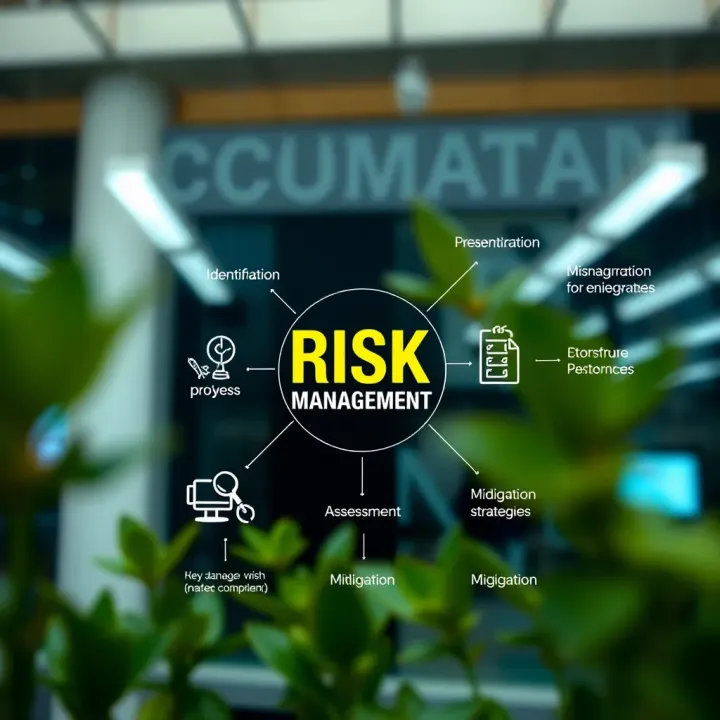
Learn practical risk management insights 🇳🇬 for Nigerian businesses to identify, assess & handle threats, securing operations amid economic and regulatory challenges.
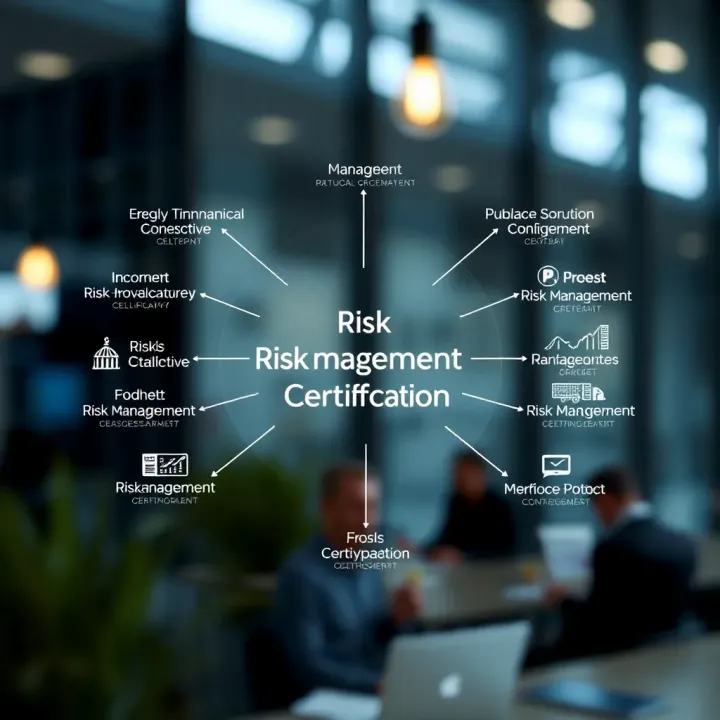
Explore the value of risk management certification 🎓: types, eligibility, benefits, key skills and its role in South African business and regulatory environments.
Based on 7 reviews