
How to Start Forex Trading in South Africa
Ready to start forex trading? 🇿🇦 Learn key steps for South Africans: market basics, picking brokers, and managing risks confidently in global currency markets.
Edited By
Sophia Mitchell
Managing risk isn't just a checkbox when trading forex; it's the backbone of staying afloat, especially in a market as volatile as currencies. Unlike buying shares or property, forex trading involves rapid price shifts influenced by global events, economic reports, and local twists like the rand’s swings.
For South African traders, this means being savvy about how the rand changes against major currencies like the US dollar or euro and picking brokers who offer fair spreads and solid regulation. Not all brokers are made equal, and choosing incorrectly can amplify risks through hidden fees or poor trade execution.
Risk management boils down to protecting your trading capital and curbing losses before they spiral out of control. Setting clear limits on how much of your account you risk per trade—typically 1% or less—is a straightforward way to keep losses manageable. For example, if your trading account is R50,000, risking R500 or less per trade keeps your money safe from a bad streak.
But it’s more than just putting a number on risk. Using stop-loss orders locks in the maximum loss you’re willing to accept on each trade, offering peace of mind.
Skillful risk management raises your chances of sticking around long enough to benefit when the market moves in your favour.
Practical tips for this include:
Position sizing: Adjust trade size based on your risk tolerance and stop-loss distance. A wide stop-loss means smaller position size to limit risk.
Diversification: Avoid putting all eggs in one basket by trading different currency pairs to spread exposure.
Regular review: Monitor your trades and risk exposure. If you’re hitting loss limits often, revise your strategy.
Understanding how economic factors influence forex globally, and the nuances of local market conditions, arms you with better judgement. While risks can’t be eliminated, clear strategies help you to manage them well enough to trade confidently.
This article will explore these principles, focusing on actionable approaches that South African traders can apply daily to keep losses low and control exposure effectively.
Effectively managing risk is the backbone of successful forex trading. At its core, risk management helps traders protect their funds from unexpected movements and keeps their trading on track over the long haul. Without solid fundamentals, even the most promising strategies can falter because the trader’s capital is exposed to outsized losses.
Defining risk and its sources in forex: Risk in forex trading refers to the chance of losing money due to price changes in currency pairs. This stems from various sources — unpredictable economic reports, geopolitical tension, central bank decisions, or even sudden market sentiment shifts. For example, a weak rand after an unexpected monetary policy announcement can swiftly cause losses if a trader is not prepared.
Volatility and its impact on trade outcomes: Volatility measures how much a currency pair’s price fluctuates over time. High volatility means larger price swings — this can either lead to bigger profits or heavier losses. Consider the rand-dollar pair during times of political unrest; price swings can be extreme, so without risk controls, a single trade might wipe out significant gains.
Role of leverage in magnifying risk: Leverage allows traders to control a much larger position than their actual capital. While it can multiply profits, it similarly amplifies losses. For example, with 100:1 leverage, a 1% move against your position could erase your entire margin. South African traders should be particularly careful, as brokers regulated by the FSCA often impose leverage limits to help curb excessive risk.
Protecting capital from unexpected movements: Forex markets can be unpredictable; unexpected news often triggers rapid price action. Risk management tools like stop-loss orders can prevent a minor hiccup turning into a devastating loss. Think of it as a safety net that helps you preserve the capital necessary to keep trading another day.
Maintaining psychological discipline: Trading on impulse or emotion typically leads to poor decision-making. When you set clear risk limits and abide by them, you avoid chasing losses or deviating from your plan. Staying disciplined helps manage stress and keeps mood swings from dictating your trades — a common pitfall for beginners.
Long-term sustainability of trading accounts: Ultimately, successful forex trading depends on surviving through rough patches and steadily compounding gains. By controlling risk, you reduce the chance of blowing your account in one bad trade or series of trades. This steady approach ensures you keep playing the game and learning, instead of quitting early due to unmanaged losses.
Sound risk management isn’t just about avoiding losses — it’s about sustaining your ability to trade smartly, time and again.
Each of these fundamentals forms a vital part of your trading foundation. Mastering them gives you a clear framework to act consistently in volatile markets and steady your journey towards profitability.
When trading forex, managing risk isn’t just good practice — it’s the only way to survive the swings and roundabouts of the currency markets. Having a toolkit of effective risk management techniques lets you protect your capital and trade with discipline, rather than emotion. It includes setting limits that cut losses short, sizing trades wisely, and spreading exposure to stay balanced.
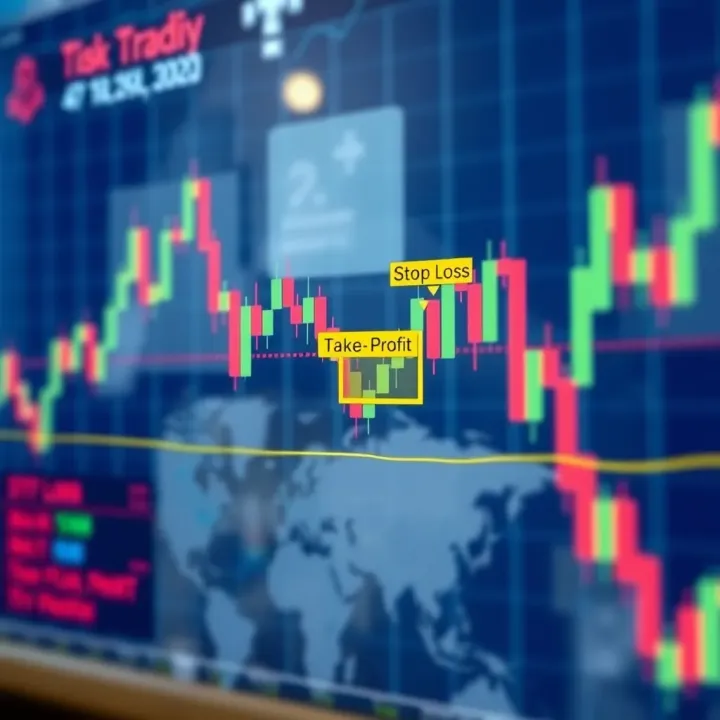
Stop-loss orders are your safety net. By setting a stop-loss, you decide upfront how much you're willing to lose on a trade. For example, if you buy USD/ZAR at 18.50 and set a stop-loss at 18.40, your position will automatically close if the rate falls to that level. This prevents losses running away with you, especially when the rand moves unpredictably. A good stop-loss respects market volatility: place it too tight and you risk getting stopped out by normal price noise; too wide, and you expose your capital unnecessarily.
Just as stop-losses protect you, take-profit orders lock in profits by closing a trade once a target price hits. If you enter EUR/USD at 1.1000 expecting a rise to 1.1100, setting a take-profit at 1.1100 helps you automatically capture that gain without second-guessing or waiting too long. Take-profits shield you from sudden reversals and help keep trading discipline intact by realising profits systematically, rather than chasing the market endlessly.
Markets aren’t static, so your stop-loss and take-profit levels shouldn’t be either. If new economic data suggests heightened volatility, it might make sense to widen stop-loss levels slightly or tighten take-profits to protect gains. Conversely, in calm market phases, tighter stops can help preserve capital. The key is staying patient but flexible—monitor your trades and be ready to adjust orders reasonably rather than changing them on a whim.

Deciding how big a trade should be depends on your overall account balance and how much risk you’re prepared to take. For instance, if your trading capital is R50,000 and you want to risk no more than 1% per trade, that’s R500 maximum loss. If your stop-loss is 100 points away, you calculate your position size so that if the stop triggers, you won’t lose more than R500. Appropriate sizing stops any single trade from hurting your account badly.
Aiming for trades that offer more reward than risk improves long-term success chances. If risking R500, you look for setups where you can potentially gain R1,000 or more, a 1:2 risk-to-reward ratio. This way, you only need a 33% success rate to break even. Balancing this ratio helps avoid overtrading and compounding losses while staying disciplined in letting winners run.
Using a set percentage of your capital as the risk limit per trade—usually between 1-2%—prevents big setbacks. This rule helps maintain steady growth and avoids emotional decisions after large losses. For example, a trader with R20,000 sticks to risking at most R200 to R400 per trade. This disciplined approach safeguards the account against sharp drawdowns, especially important when rand volatility spikes or during unpredictable global events.
Just as you wouldn’t put all your savings in one shares stock, spreading trades across different currency pairs reduces exposure to any one market’s turbulence. For a South African trader, this might mean trading both USD/ZAR and EUR/USD, so you’re not solely reliant on rand movements.
Some pairs move in tandem; others diverge. For example, USD/ZAR and EUR/ZAR are often correlated, influenced by rand strength or weakness. Trading two highly correlated pairs doubles risk, while mixing uncorrelated pairs balances your portfolio and smooths returns. Knowing these relationships is key to wise diversification.
Putting too many eggs in one basket can lead to heavy losses when unexpected moves hit that market. Resist the temptation to pile on trades just because a pair is ‘hot’ or looks promising. Instead, cap exposure by limiting total open positions per currency or sector to avoid wiping out profits with one bad turn.
Effective risk management tools like stop-loss orders, smart position sizing, and diversification aren’t just theoretical — they are practical, essential steps to help you trade forex with control and confidence.
Understanding common pitfalls in forex risk management is vital for traders who want to protect their capital and stay in the game long term. Many traders, especially those new to the forex market, underestimate the consequences of mistakes like overleveraging and neglecting stop-loss orders. These errors can wipe out accounts quickly if not managed properly.
Leverage lets you control a larger position with relatively small capital, but it’s a double-edged sword. South African brokers typically offer leverage up to 1:100 or 1:200, but exceeding your comfort zone can expose you to heavy losses. Knowing your leverage limit means setting a cap on how much you borrow from the broker — if you use all available leverage, a small adverse price move could end your trading day badly.
The forex market, especially pairs involving the South African Rand (ZAR), can swing sharply during announcements like SARB interest rate decisions or changes in commodity prices. These jumps get amplified when you trade on high leverage. For example, a 1% dip in the ZAR/USD might cause a 10% loss in your account if you use 1:10 leverage. Volatile moves can trigger rapid margin erosion, forcing positions to close out sooner than expected.
Imagine you open a R10,000 account with 1:50 leverage, controlling a R500,000 position. If the market moves against you by just 2%, your R10,000 equity absorbs that loss entirely. Brokers will issue a margin call, demanding you top up funds or close positions. Failure to act means forced liquidation at unfavourable prices, turning manageable losses into account blowouts. This common scenario underscores the need for realistic leverage and cautious exposure.
Traders sometimes skip stop-loss orders hoping prices will reverse, or they dread locking in a loss. This hope often leads to bigger losses, especially for inexperienced traders relying on gut feeling rather than strict rules. While it might be tempting to let a trade breathe, this approach often results in severely diminished capital.
Moving stop-losses further away to avoid getting stopped out is a classic emotional error. This ‘rubber band effect’ feels like buying time for the market to turn, but it usually increases risk. Emotional trading overrides rational decisions, causing traders to chase losses or gamble on recovery without evidence. These behaviours frequently spiral into bigger, avoidable losses.
Set your stop-loss based on careful analysis of support, resistance, and volatility before entry. Stick to that level unless the trade plan or market conditions materially change. Using alerts or automated stops through your platform can help avoid impulsive moves. Remember, stop-losses aren’t just safety nets — they are active tools in managing risk and preserving your capital.
Traders who manage leverage wisely and respect stop-loss rules are better positioned to survive forex market swings. Avoiding these common mistakes reduces emotional strain and preserves funds for opportunities ahead.
By recognising these errors and applying sound risk management principles, forex traders in South Africa and beyond can improve their chances of sustained success.
South African forex traders face a unique blend of challenges and opportunities, making it crucial to apply risk management strategies that suit local conditions. Volatile rand exchange rates, regulatory requirements, and the choice of brokers all play into how effectively traders can protect their capital. Understanding these factors helps manage exposure and avoid costly surprises.
The Financial Sector Conduct Authority (FSCA) oversees forex brokers operating in South Africa to ensure they meet strict standards for transparency and client protection. Choosing an FSCA-registered broker means your funds are safer and that the broker complies with local laws designed to prevent fraud and malpractice. Traders should verify broker licences and avoid offshore operators lacking this oversight to reduce the risk of losing money through unscrupulous practices.
Popular forex trading platforms like MetaTrader 4 (MT4) and MetaTrader 5 (MT5) remain widespread, but South African traders also access regional platforms that cater to local market nuances. For example, some brokers integrate SASX or other payment gateways that streamline deposits and withdrawals in rand without hefty currency conversion fees. Selecting a platform compatible with reliable technology and local banking systems enhances trade execution speed and overall security.
Prepaid accounts require traders to deposit funds before executing trades, limiting exposure to losses beyond the deposited amount — a helpful safety net, especially when managing risk carefully. Postpaid accounts, in contrast, allow trading on credit with a margin, which can amplify both gains and losses. South African traders new to forex often benefit from starting with prepaid accounts to curb impulsive decisions and control leverage.
The South African Reserve Bank (SARB) influences forex markets through interest rate adjustments and monetary policy. Sudden decisions, like changing the repo rate, can cause sharp rand fluctuations against major currencies. Traders need to monitor these policy moves closely, as they can rapidly affect trade outcomes by altering market sentiment and capital flows.
Rand volatility impacts both costs and profits, especially when funding accounts or repatriating funds in other currencies. For instance, a sudden rand depreciation can inflate trading costs if deposits are converted from foreign currency. Conversely, gains realised in stronger currencies may lose value when converted back into rand. Effective risk management involves factoring these swings into position size and profit targets.
South African forex trading requires compliance with identification laws like the Regulation of Interception of Communications and Provision of Communication-Related Information Act (RICA) and the Financial Intelligence Centre Act (FICA). These regulations demand verified identity and address documents before opening trading accounts, as part of anti-money laundering efforts. Traders must provide accurate documentation to avoid delays or account freezes, ensuring smooth and lawful trading activity.
Selecting a regulated broker, understanding platform options, accounting for rand volatility, and adhering to local compliance rules form the backbone of effective forex risk management in South Africa.
By navigating these practical considerations, traders build a solid foundation to manage risk, protect their funds, and trade confidently within South Africa's dynamic forex environment.
Creating a personal risk management plan gives you control over the unpredictable nature of forex trading. It acts like your trading compass, setting clear boundaries on how much risk you’re willing to take and guiding your decision-making under pressure. Traders who stick to a plan avoid emotional snap decisions, which can easily wipe out profits or even capital.
Deciding maximum daily/monthly loss thresholds sets the guardrails for your trading activity. For example, you might decide not to lose more than 1% of your account balance in a single day or cap monthly losses at 5%. These limits prevent you from chasing losses when the market turns against you and encourage disciplined, consistent trading. It’s like having a built-in circuit breaker that stops you before things get out of hand.
Rules for trade entry and exit based on risk help build consistency. You could set conditions such as only entering trades when the potential reward is at least twice the potential loss, or only trading during certain market sessions when volatility is more predictable. Clear exit rules, like setting a stop-loss at a defined percentage or technical level, protect your capital and stop you from holding losing trades indefinitely. These rules keep emotions out and rely on logic instead.
Adjusting rules after losses or gains is about being flexible without letting feelings control you. After a series of losses, instead of throwing in the towel or increasing risk to recover quickly, you might reduce your position sizes or take a break. Likewise, after a winning streak, it’s wise to stick to your original rules rather than getting overconfident and risking bigger sums. This adjustment helps preserve your capital and manage risk realistically.
Keeping a trading journal to track results is invaluable. Writing down every trade’s entry and exit points, size, profits or losses, and the reasoning behind it helps you spot patterns. You might realise that certain times of day or currency pairs work better for you. This ongoing record provides a clear, unbiased view of how your strategies perform, rather than relying on memory or guesswork.
Regularly assessing risk strategy effectiveness means asking tough questions: Are your stop-losses too tight, cutting out winning trades? Are your winning trades big enough to cover losses? Are you following position size rules consistently? Without regular check-ins, it’s easy to stray off course. Scheduling monthly reviews to analyse these factors ensures your plan stays relevant and effective.
Making informed adjustments for continual improvement rounds off the process. Markets evolve, and so should your plan. Say the rand becomes more volatile due to a sudden SARB policy shift; adjusting your risk thresholds or trade size accordingly keeps you ahead of the curve. Keeping emotions in check and relying on data from your journal and assessments lets you fine-tune your plan without knee-jerk reactions.
Building and sticking to a personalised risk management plan turns forex trading from a gamble into a calculated endeavour. It’s your safety net against costly mistakes while fostering steady growth in your trading account.
Ready to start forex trading? 🇿🇦 Learn key steps for South Africans: market basics, picking brokers, and managing risks confidently in global currency markets.

📈 Master forex trading with practical tips for South African traders! Learn local market steps, risk management, analysis tools & disciplined habits for steady success.

📈 Master forex & crypto trading in South Africa with practical tips, local regulations, risk insights & market tools for smarter investing decisions. 💰

📚 Discover top PDF books for South African forex traders covering markets, strategies, and risk management to improve your trading skills and results effectively.
Based on 12 reviews