

Forex and Crypto Trading Tips for South African Investors
📈 Master forex & crypto trading in South Africa with practical tips, local regulations, risk insights & market tools for smarter investing decisions. 💰
Edited By
Charlotte Evans
Crypto trading has grown rapidly in South Africa over the past few years, attracting traders keen to tap into the digital currency wave. Yet, navigating this space isn’t as simple as just buying Bitcoin or Ethereum and watching the price move. It takes understanding how exchanges work, managing risk, and keeping yourself safe from scams.
South African traders face unique challenges, from fluctuating exchange rates between rand and dollars to navigating local regulations and banks’ sometimes unpredictable stances on crypto transactions. For example, a common headache is how some banks delay or block payments to crypto platforms, making quick trades tricky.

Starting smart means learning the basics first. Knowing what drives cryptocurrency prices, the difference between spot trading and derivatives, and how market orders function are foundational skills. Then, there’s picking the right exchange — one that supports rand deposits, has reasonable fees, and is reputable within the local context. Platforms like Luno and VALR are preferred by many South Africans because of their user-friendly interfaces and rand support.
Practical tip: Always verify any crypto platform with reviews and regulatory info. South African traders should make use of platforms registered with the Financial Sector Conduct Authority (FSCA) to reduce exposure to fraud.
Understanding strategies tailored to crypto’s volatile nature is essential. Day trading demands constant attention and quick decisions, while swing trading focuses on capturing larger moves over days or weeks. In South Africa, where data costs matter, it often makes more sense to trade less frequently and focus on key setups.
Risk management can’t be overstated. Setting stop-loss orders and only investing what you can afford to lose helps avoid the common pitfalls that newcomers face. Plus, with loadshedding still disrupting internet and power in many areas, having backup plans like mobile data bundles or power banks is smart.
Throughout this guide, you’ll find practical steps, risk controls, and local insights to help you trade crypto confidently. The aim is to turn you from a curious observer into a knowledgeable participant in South Africa’s growing crypto scene.
Grasping the basics of crypto trading is the first stepping stone for anyone keen to enter the market. This foundation helps you make informed decisions, avoid common traps, and better manage your investments. For South Africans, this means understanding what sets cryptocurrencies apart from traditional assets and how local market conditions influence trading practices.
Definition of cryptocurrency: Cryptocurrency is a form of digital money secured using cryptography, making it difficult to counterfeit or double-spend. Unlike traditional currencies issued by governments, cryptocurrencies operate on decentralised networks without a central authority. This opens up possibilities for peer-to-peer transactions without intermediaries such as banks.
Blockchain technology explained: The backbone of cryptocurrencies is blockchain, a public ledger that records transactions across a network of computers. Each block contains transaction data and links to the previous one, creating a chain. This structure ensures transparency and security, as altering any data retroactively requires consensus from the network. For South African traders, blockchain means the transactions can be verified and traced, which helps reduce fraud.
Popular cryptocurrencies in South Africa: Bitcoin (BTC) remains the most recognised crypto, widely traded by South Africans. Ethereum (ETH) is popular for its smart contract functionality, enabling decentralised applications. Other tokens like Ripple (XRP) and Litecoin (LTC) also attract interest. Local demand often reflects global trends, but with added attention on accessibility and currency conversion costs when moving between ZAR and crypto assets.
Market hours and volatility: Unlike JSE stocks that trade during set hours, cryptocurrencies trade 24/7, including public holidays and weekends. This means opportunities and risks never sleep. The market is notoriously volatile; price swings can be larger and faster than traditional shares. This aspect requires traders to stay alert or use automatic orders to manage risk.
Trading pairs and exchanges: Crypto traders don’t just buy or sell coins for cash but often trade between coin pairs, such as BTC/ETH or ETH/USDT. This flexibility also means choosing the right exchange is crucial. South Africans often use local platforms like Luno for ZAR pairs, but many also access international exchanges like Binance or Kraken for a wider range. Each platform has unique features and fee structures, which can significantly affect your returns.
Key terms in crypto trading: Being comfortable with crypto lingo helps you navigate the space better. Terms like "HODL" (holding crypto long-term despite volatility), "FOMO" (fear of missing out), "stop-loss" (automatic sell order to limit losses), and "whale" (large trader influencing the market) come up frequently. Understanding these shows you the social dynamics behind price movements and helps refine your strategy.
Knowing these basics sets the stage for smarter trading decisions, especially in a fast-moving and sometimes unpredictable South African context. Staying informed about how crypto and its markets operate will help you protect your investment and spot opportunities more clearly.
Beginning your crypto trading journey in South Africa means understanding the local terrain — from choosing the right exchange to complying with regulations. It's not just about picking any platform; you need to ensure it suits your needs, keeps your assets safe, and fits the South African context, particularly with the rand and financial rules.
South African traders can choose between local exchanges like Luno or VALR and international platforms such as Binance or Coinbase. Local exchanges often provide easier rand deposits, quicker withdrawals, and compliance with South African regulations, which can reduce delays and improve security. However, international exchanges usually offer a wider variety of cryptocurrencies and features but may have longer withdrawal times and more complex verification processes.
When selecting an exchange, look closely at features like trading fees, security measures, and the user interface. Low fees keep more of your profit, while good security practices guard against hacks. Also, a simple interface helps navigate trades easily, saving time, especially if you’re starting out.
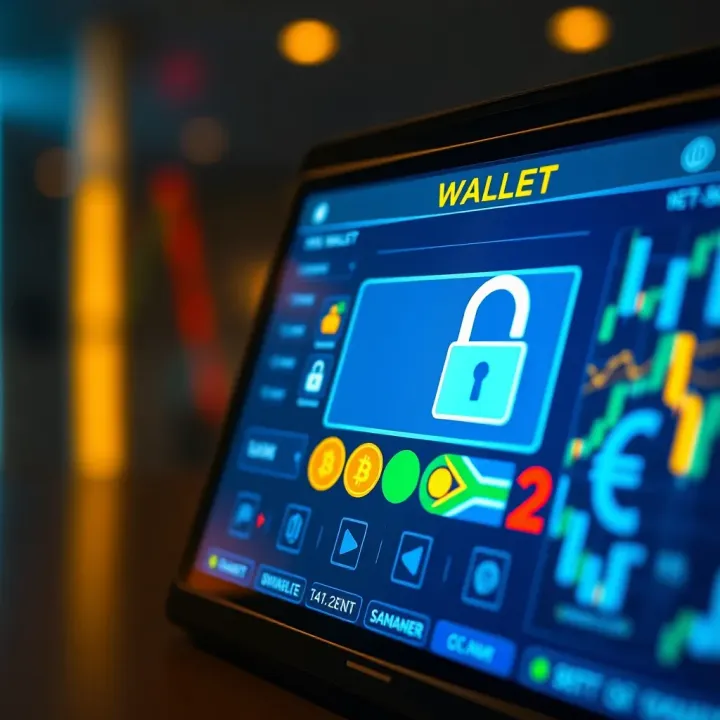
Registering on an exchange requires submitting identification documents to comply with South Africa's FICA (Financial Intelligence Centre Act) rules. You’ll need a valid ID, proof of address, and sometimes a selfie to verify your identity. This process may feel tedious but is essential to prevent fraud and money laundering.
A crypto wallet stores your digital assets. Hot wallets are connected to the internet and allow quick access for trading — think of it as your everyday wallet. Conversely, cold wallets store crypto offline, providing better protection against hacking but less convenience. If you plan active trading, a hot wallet tied to your exchange might be handy, but keeping a cold wallet for larger holdings is wiser.
Popular wallet options in South Africa include software wallets like Trust Wallet and hardware wallets such as Ledger Nano S. Trust Wallet is free and user-friendly, ideal for beginners, while hardware wallets offer robust security but at a cost.
Securing your wallet keys — the passwords to your cryptocurrency — is vital. Never share private keys and avoid storing them digitally where they can be hacked. Writing them down and keeping them in a safe place, like a locked drawer or even a safe, helps prevent loss or theft.
To trade crypto, you’ll need to fund your exchange account with South African Rand (ZAR). Most local exchanges accept EFT (Electronic Funds Transfer) from South African bank accounts, making deposits straightforward and quick. Some platforms also accept payments via credit or debit cards but often at higher fees.
Transfer methods differ in speed and cost. EFTs typically take one to two business days but incur lower fees, whereas instant card payments come with added costs. Understanding these trade-offs helps you manage the timing and cost of your trades effectively.
South African traders must follow regulations set by the South African Reserve Bank (SARB) and FICA. Exchanges comply by verifying your identity and monitoring transactions, ensuring your activities align with legal standards. This protects you and the broader financial system from fraud and money laundering.
Starting your crypto trading with a strong grasp of local exchanges, wallet security, and funding options lays the foundation for a safer and smoother experience in South Africa’s growing crypto market.
Mastering the core strategies and techniques is essential for anyone serious about crypto trading. Without a reliable approach, it’s easy to get lost in the noise, especially given the crypto market’s notorious volatility. Knowing when to enter or exit trades and how to interpret market signals can mean the difference between decent profits and an empty wallet.
Evaluating a cryptocurrency’s credibility means digging into the project behind the coin. Look at the team’s track record, the problem the project aims to solve, and the level of community support. For example, a coin with a clear use case and strong backing like Ethereum tends to be more reliable than a nobody token surfacing overnight. This type of analysis helps you avoid scams or hype-driven pumps, which can be quite common in the local and global crypto scene.
News and events play a big role in shaping crypto prices. Regulatory announcements from bodies like SARS or SARB can shift the market suddenly. For instance, when South Africa discussed crypto tax implications, many traders saw sharp price movements. Keeping an eye on such updates and following trustworthy news sources lets you anticipate volatility and trade smarter.
Technical indicators like the Relative Strength Index (RSI) or Moving Averages (MA) provide clues about a coin’s momentum. They help spot whether a cryptocurrency is overbought or oversold, informing when to buy or sell. Many local traders use these tools alongside price charts to time their trades better, especially in active markets like Bitcoin or Ripple.
Day trading, swing trading, and HODLing are popular approaches each suited to different risk appetites and time commitment. Day traders in Johannesburg might make quick moves within hours, leveraging short-term price swings. Swing traders hold for a few days or weeks, trying to catch bigger trends without staring at charts constantly. Meanwhile, HODLing—keeping coins long-term—works for those who believe in crypto’s future but aren’t ready to follow the market minute-by-minute.
Using stop-loss and take-profit points lets traders control losses and lock in gains without having to watch the market all day. For example, setting a stop-loss at 5% below your purchase price means selling automatically if the price drops, protecting your capital. This is especially important in South Africa, where unexpected news or network outages might lead to sudden market drops.
Diversifying your crypto portfolio means spreading risk across different coins rather than betting everything on one. Suppose you hold Bitcoin, Ethereum, and a smaller local coin like Paxful’s token; if one dips, others might hold steady. This approach reduces exposure to a single asset’s crash and smoothes returns over time.
Remember, no single strategy fits all—successful traders often combine different methods and adjust according to market conditions.
By focusing on these core techniques, you’ll be better equipped to navigate South Africa’s unique crypto environment and develop trading habits that protect your capital while seeking gains.
Managing risks is a critical part of crypto trading, especially given how volatile and unpredictable the market can be, even more so here in South Africa. Without a solid risk management plan, traders face unnecessary pitfalls that can wipe out their investments fast. This section highlights key areas where caution and strategy will help you steer clear of common traps.
Price swings and their impact: Cryptocurrency prices often swing wildly within hours, or even minutes. Unlike traditional shares listed on the JSE, crypto markets run 24/7 and react instantly to global events. For example, a sudden announcement about regulation in the US or China can send bitcoin tumbling or soaring. This rapid change affects your portfolio’s value and your ability to exit positions profitably. Understanding these movements can help you avoid panic selling during a slump or reckless buying during a hype.
Emotional control during trading: Traders frequently fall into the trap of letting emotions drive decisions. Fear of losing money or greed in a winning streak can lead to bad calls, like chasing a pump or selling low in a panic. Keeping emotions in check means sticking to your strategy and using tools like stop-loss orders to automatically limit losses. Imagine getting a push notification when your trade hits a loss point; it takes emotion out of the moment and lets rational decisions prevail.
Importance of realistic expectations: Many new traders expect quick riches, only to face disappointment. Crypto trading isn’t a sure thing, and losses are part of the game. Realistic expectations help you plan your trades carefully, avoid over-leveraging, and understand that slow, steady gains often beat risky, high-stake moves. South African traders also need to factor in currency volatility—because the rand can strengthen or weaken against the dollar, your gains may shift when converting back.
Recognising phishing attempts and fraud: Scam attempts in crypto are common and clever. Phishing emails pretending to be from your exchange or wallet provider can trick you into giving away passwords or private keys. Always verify URLs and never click links from unexpected sources. For instance, a common scam involves a fake Takealot-style offer promising free crypto; it’s a trap to steal your login details. Staying alert can save you from losing your hard-earned rand.
Using two-factor authentication: Adding a second layer of security is non-negotiable in crypto trading. Two-factor authentication (2FA), such as Google Authenticator or SMS codes, helps prevent unauthorised access—even if your password leaks. Many local exchanges like VALR and Luno make 2FA mandatory, ensuring you’re protected against hackers trying to dip into your account. It’s a small step that greatly decreases risk.
Staying informed about local regulations and scams: South Africa’s crypto scene is still evolving, with the Financial Sector Conduct Authority (FSCA) keeping an eye on frauds and unregistered exchanges. Following local news sources and updates from FSCA or SARB can prepare you for changes that might affect your trading or help you spot scams early on. Being well-informed is your best weapon against fraud and sudden regulatory shifts that could catch you off guard.
Managing risks and security isn’t just about protecting your money—it’s about building confidence to trade smartly in a market that never stops moving. Keep sharp, stay cautious, and you’ll avoid the common pitfalls that snare so many newcomers.
Access to the right tools and information makes a world of difference when diving into crypto trading. For South African traders, particular features like support for ZAR transactions and awareness of local regulations play a vital role in ensuring smooth and legal trading experiences. Beyond functional platforms, having educational resources and communities to connect with can sharpen your skills and keep you informed of rapid market shifts.
Platforms that allow deposits and withdrawals directly in South African Rand (ZAR) are invaluable. They eliminate double currency conversion costs and reduce delays caused by international transfers. Take platforms like Luno or VALR, which offer ZAR wallets and straightforward fund transfer options via local banks. This makes trading more accessible and cost-effective compared to international-only exchanges.
A clean, intuitive trading interface helps you react quickly during volatile market moments. Evaluate platforms by how they present trade pairs, charting tools, and order books. Fee structures vary widely — some charge low fees but add costs for deposits and withdrawals, while others bundle fees differently. For example, a platform might charge a 0.2% trading fee but no deposit fees, benefiting those who trade frequently. Comparing these details upfront prevents unexpected costs eating into your profits.
Trading doesn’t stop when you leave your desk, so having a reliable mobile app is key. Apps like the Luno wallet and Binance app give South African traders quick access to market prices and trade executions. Alerts and push notifications also help you stay ahead of sudden price moves, a must-have when markets can shift substantially within minutes. Smooth, stable mobile experiences ensure you don’t miss critical opportunities while commuting or braaing with friends.
Connecting with fellow South African crypto traders through forums or WhatsApp groups can provide immediate support and localised insights. For instance, the MyBroadband crypto forum often hosts discussions on South African regulations and practical trading tips. These communities help filter through unreliable information and share lessons learned, giving newcomers a softer landing.
Staying updated with trustworthy sources is essential given how fast fundamentals can change. South African websites like BusinessTech or Fin24 cover crypto developments along with financial news, grounding you in local context. Meanwhile, podcasts such as the "Mzanzi Digital Currency Show" discuss crypto trends, interviews, and practical advice tailored to local listeners.
For those new to trading, starting with tutorial videos or demo accounts lets you practise without risking real money. Platforms like VALR and Luno provide demo modes or detailed step-by-step guides that explain order types, analysis, and trade placement. This hands-on learning builds confidence and reduces costly mistakes when you’re ready to trade for real.
Using these tailored tools and resources not only makes crypto trading safer and more efficient but also helps you adapt to the unique market conditions in South Africa. Being well-equipped upfront means clearer decisions and better chances of success.
📈 Master forex & crypto trading in South Africa with practical tips, local regulations, risk insights & market tools for smarter investing decisions. 💰
Ready to start forex trading? 🇿🇦 Learn key steps for South Africans: market basics, picking brokers, and managing risks confidently in global currency markets.

📈 Master forex trading with practical tips for South African traders! Learn local market steps, risk management, analysis tools & disciplined habits for steady success.

Looking to start trading with a small deposit? 📱 This guide helps South African investors find trading apps that suit low budgets, with tips on risks & rewards. 💸
Based on 6 reviews