
Effective Forex Trading Tips for Nigerian Traders
📈 Explore practical forex strategies tailored for Nigerian traders. Master market analysis, manage risks, and boost trading success with proven tips!
Edited By
Amelia Wright
Forex trading in Nigeria has grown popular as more people seek alternative ways to earn income beyond traditional jobs. With just a laptop or smartphone and internet connection, you can participate in the global currency markets right from your home. However, getting started requires understanding key concepts, choosing reliable platforms, and developing strategies that fit the local context.
Unlike investing in local stocks or real estate, forex trading involves buying and selling currency pairs such as USD/NGN or EUR/USD. You don't own the currencies physically, but rather trade contracts based on price movements. This flexibility makes it accessible, but it's also volatile and requires discipline.
For Nigerians, forex trading can be particularly appealing because it offers access to global markets at any time. Nigerian banks and fintech platforms now support smoother currency transfers and payment methods suitable for traders. Popular online brokers like ForexTime (FXTM) and HotForex provide customer support tailored to Nigerian clients, helping resolve withdrawal challenges or regulatory questions.
Starting off, focus on grasping fundamental terms like "pips," "leverage," "spread," and "margin." These determine how much risk you take and how profits or losses accumulate during trades.
Choose reputable brokers: Verify that your broker is regulated and allows NGN deposits and withdrawals without excessive fees.
Use demo accounts: Practice with virtual money before committing real funds. This builds familiarity without risking ₦.
Learn technical and fundamental analysis: These tools help predict currency movement through chart patterns and economic news.
Understand risk management: Nigeria’s forex market is affected by naira volatility, so practising stop-loss orders and position sizing is crucial.
Leverage local resources: Nigerian forex forums, YouTube channels, and fintech blogs can offer insights and community support.
By following these steps, Nigerians can well equip themselves to take advantage of forex trading opportunities while mitigating common pitfalls. Whether you aim to supplement income or become a full-time trader, disciplined learning online pays off in this fast-paced market.
Forex trading is a global financial activity where currencies are bought and sold against one another. For many Nigerians, understanding forex means grasping how currencies fluctuate in value, which can open opportunities for profit if approached wisely. Given the volatility of the naira and the increasing access to the internet, forex trading stands out as a practical avenue for Nigerians looking to engage in international finance directly from their homes.
Currency exchange involves trading one type of currency for another, based on their current market value. For instance, when a trader in Lagos buys US dollars using naira, they are participating in currency exchange. The exchange rate changes constantly due to factors like supply and demand, economic policies, and geopolitical events. For a Nigerian trader, understanding this basic process is crucial because these fluctuations affect earnings and trading decisions directly.
The forex market is the largest financial market globally, operating 24 hours across various time zones, including London, New York, Tokyo, and Sydney. Unlike stock markets, it doesn't have a central exchange; transactions happen electronically over-the-counter (OTC). This continuous operation means Nigerians can trade currencies at any time, tapping into global liquidity and reacting quickly to news or economic data anywhere in the world.
Remittances form a significant part of Nigeria’s foreign exchange reserves. Because the naira often fluctuates sharply, forex trading presents a way for individuals to capitalise on these movements. Nigerians who receive foreign currency from relatives can trade currencies to maximise value or hedge against naira depreciation. For example, if the naira weakens against the dollar, a trader can gain by exchanging dollars at a favourable rate.
Forex trading gives Nigerians direct access to international markets beyond local stock exchanges. Instead of limiting investments to Nigerian shares or bonds, traders can speculate on currency pairs like EUR/USD or GBP/JPY. This access broadens investment horizons and provides exposure to global economic trends, such as interest rate changes or political developments.
Since the naira's value is often unstable, many look to forex as a secondary income source. Its appeal lies in earning profits when currencies move favourably. By applying effective strategies and managing risk carefully, some Nigerians have been able to generate steady returns. This income potential is especially attractive to youths and entrepreneurs seeking new ways of financial growth distinct from traditional jobs or local business constraints.
Understanding forex trading in Nigeria requires appreciating local economic realities alongside a global market perspective. This foundation helps traders make informed decisions and avoid common pitfalls.
Getting started with forex trading without a solid education is like trying to navigate Lagos traffic with no map — you might reach somewhere, but chances are you’ll get stuck or lose your way. Online resources give you the flexibility to learn at your own pace while understanding the market's dynamics before committing real money. Plus, since forex trading involves real risks, a solid foundation helps you avoid costly mistakes.
Educational websites and courses offer structured lessons on forex trading basics through to advanced strategies. Platforms like Babypips, Investopedia, or dedicated Nigerian fintech blogs break down complex ideas into simple steps. Some even tailor content to Nigerian traders, focusing on naira volatility and regulatory updates from the Central Bank of Nigeria (CBN). Enrolling in an online course also often comes with quizzes and progress tracking, which ensures you’re not just passively reading but actually understanding.
YouTube tutorials and webinars provide a more interactive way to learn and see forex trading in action. Nigerian educators, as well as global forex experts, regularly post tutorials explaining concepts like leverage, chart reading, and live trade analysis. Webinars often allow real-time questions, so you get answers tailored to your doubts. These platforms work well if you prefer visual and auditory learning and want to discover different trading styles before settling on your own.
Local Nigerian forex education communities and forums create a unique space where traders share practical experiences specific to the Nigerian market. Forums and WhatsApp groups serve as places where you can discuss how CBN’s forex policies affect trading or swap tips on the best brokers supporting NGN deposits. Being part of these can also help you identify common scams and unreliable platforms by learning from the community’s collective knowledge.
Pip, lot, leverage, margin are the building blocks of forex terminology. A pip (percentage in point) measures small price changes important for profit calculation. A lot is the standard trading size — for example, one standard lot equals 100,000 units of currency. Leverage lets you control larger positions with smaller capital but increases risk. Margin is the minimum money needed in your account to open trades. For example, using 1:100 leverage, you could control ₦100,000 with only ₦1,000 margin; however, improper use can wipe out your account quickly.
Currency pairs like USD/NGN or EUR/USD represent the two currencies you trade — one is bought while the other is sold. Understanding which pairs are volatile or stable helps in choosing trades that fit your risk appetite. Pairs involving naira tend to react sharply to local economic news or political events.
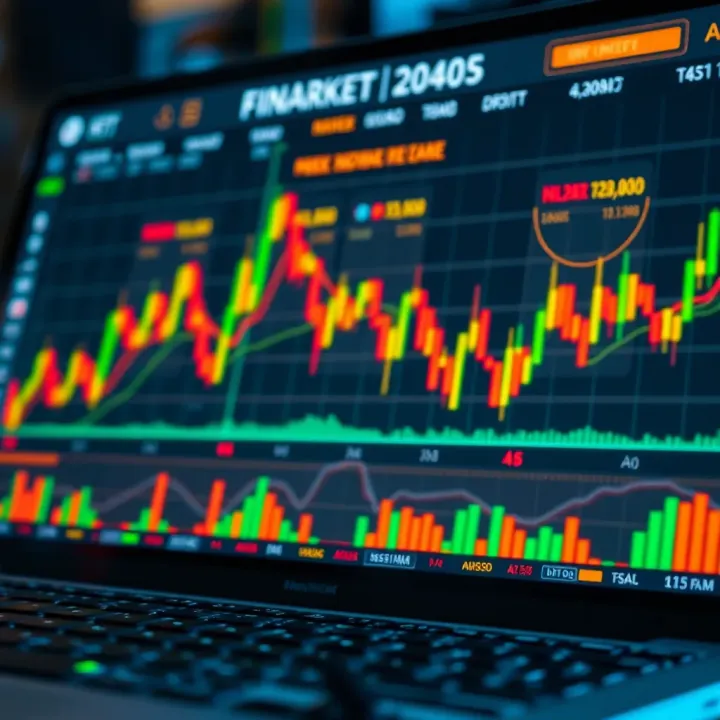
Indicators and charts are tools traders use to read market trends and make decisions. Candlestick charts show daily price movements visually, while indicators like Moving Averages or RSI (Relative Strength Index) highlight momentum or possible reversal points. Using these indicators wisely can help you spot entry or exit points rather than guessing blindly.
Starting your forex journey by learning the right terms and resources lays a foundation that can save you money and time while building confidence to trade effectively in Nigeria’s unique market.
By focusing on practical online education suited to Nigerian realities, you prepare yourself better for the ups and downs of forex trading from day one.
Choosing the right forex trading platform is essential for Nigerian traders. It impacts everything from how quickly you can execute trades, to how safe your funds are, and even your overall trading experience. A reliable platform keeps your investments secure, offers tools tailored to your needs, and makes currency trading more straightforward amidst the complexities of forex.
Regulation is the bedrock of trust when picking a forex platform. Traders must ensure the broker is regulated by an internationally recognised body such as the Financial Conduct Authority (FCA) or Australian Securities and Investments Commission (ASIC). While Nigeria’s own regulatory environment for forex brokers is evolving, leaning on platforms governed by strong regulators adds a layer of safety, preventing fraud or sudden shutdowns.
For example, brokers like XM or Pepperstone, which operate under strict regulatory frameworks, offer Nigerian traders a safer environment compared to unregulated outfits promising quick profits. Without regulation, your funds and personal data could be at risk.
With many Nigerian traders depending on smartphones, the platform’s user interface (UI) and mobile app performance are critical. A simple, clean UI reduces errors during trades, making navigation smoother especially during volatile market hours.
Platforms like MetaTrader 4 (MT4) and MetaTrader 5 (MT5) remain popular because they combine desktop and robust mobile versions. Imagine being stuck in traffic on a Lagos okada and able to open your trades easily on a mobile app – that kind of flexibility matters.
Given the Nigerian banking and fintech ecosystem, trading platforms must support convenient deposit and withdrawal methods. The ability to fund accounts via local banks, USSD codes, or popular payment services like Paystack or Flutterwave simplifies the process for traders. Withdrawal speed also counts; a delay could cause missed trading opportunities or cash-flow challenges.
When a broker supports payment methods familiar to Nigerians, such as bank transfers from GTBank, Access Bank, or the use of OPay wallets, it cuts down hassle and builds confidence.
Nigerian traders have access to a mix of local and international brokers. Local brokers often understand the nuances of naira fluctuations and local regulations, but some international brokers bring deeper liquidity and tighter spreads. For instance, the local broker FXPrimus is popular alongside international names like IC Markets.
Choosing between these depends on your trading goals – whether you want more regional support or global market depth.
Most international brokers did not use to support Nigerian Naira (NGN) directly, but many have now adapted. This acceptance lowers forex conversion fees and withdrawal complications. Platforms embracing NGN alongside popular Nigerian payment methods like USSD or local debit cards provide better value.
For example, some brokers accept funding via Nigeria’s Interswitch or Paystack system, making deposits and withdrawals seamless.
Traders must pick brokers with responsive customer support reachable through channels that suit the Nigerian context – such as WhatsApp, email, or local phone lines. Problems can escalate fast in trading, making quick, clear communication vital.
Brokers with Nigerian-based support centres or teams familiar with local challenges stand out. This practical support can differentiate between a smooth trade and a costly headache.
Selecting a reliable forex platform isn't just about features; it’s about security, convenience, and trust. Taking the time to evaluate these points will make your trading journey much easier and more profitable.
Developing trading strategies and practising them is essential for anyone serious about forex trading. Without a coherent plan, traders often fall into guesswork, risking their capital unnecessarily. Good strategies provide a clear decision-making framework and help manage emotions, while practising develops the discipline and skill needed to profit consistently.
Day trading involves opening and closing positions within the same trading day to capitalize on short-term price movements. It's intense and demands constant attention to charts and news. A Nigerian trader using this approach might monitor the NGN/USD pair to catch quick fluctuations during market hours. On the other hand, swing trading holds positions for several days or weeks, aiming to profit from broader trends. This strategy suits those who can't watch the market daily but can analyse macroeconomic indicators, like CBN policy changes or oil price shifts affecting naira value.
Technical analysis involves studying price charts and indicators to predict future movements, useful for timing entry and exit points. Nigerian traders often rely on patterns and tools like moving averages or Relative Strength Index (RSI) to identify market momentum. Fundamental analysis examines economic data, news events, and policies to understand currency strength. For example, when the Central Bank of Nigeria (CBN) adjusts interest rates, it can signal changes in naira demand, affecting forex pairs involving NGN. Combining both methods gives a fuller market picture.
Using demo accounts allows beginners to trade virtual funds while experiencing real market conditions. This practice is invaluable for testing strategies without risking money. Nigerian brokers like FXTM and HotForex offer such accounts, where traders can familiarise themselves with platform features, try different trading styles, and learn to manage emotions before going live. Practice improves confidence and reduces costly mistakes.
The naira’s value can be quite volatile due to fluctuating oil prices and foreign exchange policies. Traders need to factor this unpredictability into their strategies, expecting sudden spikes or dips. For example, a swing trader might set wider stop-loss orders around significant naira-related announcements to avoid premature exits caused by temporary shocks.
CBN frequently intervenes in the forex market through measures like fixing exchange rates or Forex Bureau Authorisation guidelines. Staying updated on these is critical since such interventions can shift market direction abruptly. Nigerian traders often monitor announcements from CBN and related news outlets daily, adjusting positions to manage risks or exploit new opportunities.
Certain local events like elections, budget presentations, or ember months festivities can influence market sentiment and naira liquidity. For instance, during elections, increased spending or political uncertainty might cause forex fluctuations. Wise traders consider these events while planning entry and exit points, sometimes reducing trade volumes during such risky periods or using them to their advantage by anticipating volatility.
Developing and practising a trading strategy tailored to Nigeria’s unique forex environment helps traders manage risks better and seize realistic profit chances.
Managing risks and avoiding scams are essential for anyone serious about forex trading, especially in Nigeria where the market can be both promising and challenging. The forex market’s fast pace and the lure of quick profits sometimes lead traders into avoidable dangers. Failing to manage risks properly can wipe out an account in days, while falling for scams can cause permanent losses. This section breaks down practical ways to protect your investments and stay clear of common fraud.
Setting stop losses is about deciding beforehand the maximum loss you’re willing to take on a trade. This automatic order closes your position once it hits a certain price, saving you from deep losses when the market moves against you. For example, if you buy USD/NGN at ₦500 and set a stop loss at ₦480, your trade will close automatically if the rate drops to ₦480, capping your loss.
Besides preventing heavy losses, stop losses help traders avoid emotional decisions. In the hectic forex market, it’s easy to hold onto losing trades hoping they’ll turn around. A well-placed stop loss enforces discipline and keeps your portfolio intact.
Avoiding overleveraging means not borrowing too much money to increase your trading position. Leverage amplifies both gains and losses, and while brokers may offer leverage of 1:100 or more, using such high leverage without experience can be like playing with fire. If the naira suddenly weakens due to unexpected Central Bank of Nigeria (CBN) policy changes, an overleveraged position might wipe out your capital fast.
Managing leverage means using only what your account and your strategy can safely handle. For many Nigerian traders, a leverage of 1:10 or less is more manageable. Avoid the temptation to chase big profits with excessive leverage, as this often leads to quick losses.
Diversifying trades involves spreading investments across different currency pairs or asset types. For instance, instead of putting all capital into USD/NGN, consider also trading EUR/USD or commodities influenced by local factors, like oil prices. This approach reduces the risk that your entire portfolio suffers from one bad move.
In Nigeria’s fluctuating market, diversification can also protect you from shocks like sudden fuel subsidy removals or import restrictions, which might affect some currency pairs more than others. Diversifying improves your chances of steady profits over time.
Watch out for unregulated brokers and fake signals. Many forex scams thrive because they operate outside Nigerian regulatory frameworks or international standards. A broker not licensed by the Nigerian Securities and Exchange Commission (SEC) or foreign regulators may not protect your funds.
Fake signals and trading robots promise unrealistic returns, often requiring you to pay upfront. Remember, no system guarantees profits in forex. Always verify broker credentials and avoid anyone pushing guaranteed profits or pressuring you to invest quickly.
Beware of too-good-to-be-true guarantees. Offers promising consistent double-digit gains every month or “risk-free” trading should set off alarms. Forex involves volatile markets; no honest trader or platform can guarantee such returns. These schemes commonly end as Ponzi operations, leaving victims stranded without their money.
Lastly, engage with safe community forums and verification steps. Joining Nigerian forex trading groups that have clear moderation and positive reputations can provide learning and support. Verify any tip or signal you receive independently rather than taking it at face value.
Before funding any account, do this:
Check for licenses with Nigerian SEC or reputable foreign regulators like FCA or CySEC.
Read user reviews on trusted platforms.
Test brokers via demo accounts.
Staying vigilant and managing your forex risks doesn’t just protect your money; it builds the confidence needed to trade consistently.
With these risk management tactics and scam-awareness steps, Nigerian traders can navigate forex trading with more safety and clear-eyed focus.
📈 Explore practical forex strategies tailored for Nigerian traders. Master market analysis, manage risks, and boost trading success with proven tips!
Discover top online trading apps for Nigerian investors 📈 Learn about security, fees, user experience & support to trade confidently in Nigeria 🇳🇬
🇳🇬 Discover smart forex trading tips & strategies tailored for Nigerian traders! Learn to pick brokers, manage risks, and trade confidently with ease. 📈
Explore proven forex trading strategies for Nigerians 🇳🇬, covering technical skills, risk management, and market psychology to boost your success 📈💡
Based on 8 reviews