

Learn Forex Trading Online: Guide for South Africans
📈 Learn how to trade forex online with tips tailored for South Africans. Master basics, spot reliable resources, use demo accounts, and manage your risks effectively.
Edited By
James Hewitt
Crypto trading has become increasingly popular among South Africans looking to grow their wealth, but it’s not something you jump into blindly. The market moves quickly and can be volatile, so understanding the basics before you start is key. This guide will help you get your bearings, from grasping how cryptocurrencies work to picking trustworthy platforms and managing your risk effectively.
South Africa’s unique economic and regulatory landscape adds some twists. For example, the rand’s fluctuations and the cost of data can affect trading strategies, while regulations from the South African Reserve Bank (SARB) and the Financial Sector Conduct Authority (FSCA) influence platform reliability and security. This means you need info that matches your local context, not just global theories.

Getting started means knowing what crypto is: a digital or virtual currency secured by cryptography, running mostly on decentralised networks known as blockchains. Bitcoin and Ethereum are household names, but thousands of other coins exist, each with its own features. Traders attempt to profit by buying low and selling high, or by using short-term price swings, but that’s easier said than done.
Always remember: crypto trading isn’t a quick ticket to riches. It demands time, study, and a cool head—especially when markets take a nosedive.
To set yourself up properly:
Understand different order types like market, limit, and stop-loss orders.
Choose reliable South African-friendly platforms such as Luno or VALR, known for their compliance with local laws and clear fee structures.
Learn basic technical analysis tools to read charts and spot trends.
Manage your risk by never investing more than you can afford to lose and setting clear exit points.
This practical approach will help you avoid common pitfalls. Plus, it’ll let you take advantage of local payment methods like EFT, making deposits and withdrawals straightforward.
So, if you’re serious about crypto trading, building a solid foundation is non-negotiable. The following sections will walk you through this step-by-step, tailored for South Africans ready to dive into this fast-moving market.
Before diving into crypto trading, it’s key to understand what cryptocurrencies really are and how trading differs from holding. Grasping these basics helps South African traders make smarter decisions, avoid common pitfalls, and better manage risks in a market that’s famously volatile and fast-moving.
Cryptocurrency is a form of digital or virtual money secured by cryptography, which makes it near-impossible to counterfeit. Unlike cash or bank deposits, crypto operates independently from any central authority—no Reserve Bank or commercial bank controls it. Instead, transactions are recorded on a decentralised system called the blockchain.
In South Africa, popular cryptocurrencies include Bitcoin, Ethereum, and Ripple. Bitcoin stands out as the most widely used and recognised crypto, often called ‘digital gold’ for its store of value. Ethereum supports smart contracts, enabling decentralised apps that expand crypto use beyond mere transactions. Knowing these well-established coins helps traders start out with better confidence and reliability.
Blockchain technology underpins all cryptocurrencies by offering a public ledger of all transactions. This ledger is distributed across thousands of computers globally, making it highly secure and transparent. For South African traders, this means you can verify transactions independently and understand that your crypto holdings are not reliant on a single institution’s solvency or credibility.
Trading crypto involves active buying and selling to profit from short-term price swings, while investing or holding means buying with the expectation the asset will grow over years. Traders seek to profit on price volatility day-to-day, unlike “buy and hold” investors who accept market ups and downs aiming for long-term gains.
Common trading styles include day trading and swing trading. Day traders open and close positions within a single day, capitalising on quick price moves. Swing traders hold positions longer, typically several days to weeks, aiming to catch bigger price trends. Each style requires different strategies, discipline, and time commitment—knowing which fits your lifestyle is vital.
Crypto markets are notoriously volatile and liquid, unlike most traditional assets. Prices can jump or plummet by double digits within hours. Liquidity—the ability to buy or sell without affecting price much—varies between coins and exchanges. Understanding these market dynamics helps South African traders decide appropriate entry and exit points and manage risk better.
Getting a solid grip on cryptocurrency’s nature and how trading works lays a foundation for all further learning. Think of it as knowing the rule of the road before getting behind the wheel—it’s the first step to avoiding costly mistakes in crypto.
By mastering these basics, you set yourself up for safer and more informed trading in South Africa’s fast-evolving crypto scene.

Picking the right platform to trade cryptocurrency is a must-do for anyone serious about getting involved. It impacts your security, the range of coins you can trade, costs, and even how easy the whole experience feels. South African traders need platforms that not only support local payment options but also comply with regulations like RICA (Regulation of Interception of Communications and Provision of Communication-Related Information Act) and POPIA (Protection of Personal Information Act). This helps keep you protected and your information safe.
When starting out, South African-friendly exchanges such as Luno, VALR, and AltCoinTrader stand out. They’re well-known locally, handle Rand deposits and withdrawals efficiently, and usually offer customer support tuned to the South African market. Luno, for instance, has a simple interface useful for beginners, while VALR boasts a wider selection of altcoins for more experienced traders.
Choosing an exchange isn't just about what's on offer; safety and regulation are priority. Look for platforms that adhere to South African financial regulations and have robust security measures like cold storage for cryptocurrencies. Verification processes reduce fraud, keeping your account protected against scams. Even with these checks, remember that storing large amounts of crypto on an exchange isn’t advised—keep most funds in a secure wallet.
Fees and transaction costs can quietly eat into your profits if overlooked. Different exchanges have various fees: trading fees, deposit costs, or withdrawal charges. Some platforms charge a flat fee, others use a percentage model. VALR, for example, offers competitive fees and often rewards frequent traders. Understanding the fee structure helps avoid surprises and lets you plan your trades effectively.
Almost every South African exchange requires identity verification complying with RICA and POPIA rules, which means submitting ID documents and proof of address. This process isn't just bureaucratic red tape—it’s designed to protect both you and the platform against fraud and money laundering. Completion of these steps can take from a few hours up to a couple of days, depending on the platform's responsiveness.
Securing your account beyond just a password is crucial. Two-factor authentication (2FA) is a simple extra step that drastically reduces the chance of unauthorised access. Whether it’s via an authentication app or SMS codes, enabling 2FA protects your assets from hackers trying to slip in through weak passwords. Without it, you’re leaving the door wide open.
Funding accounts using local payment methods makes deposits and withdrawals straightforward. Most local exchanges accept payments through EFTs (electronic funds transfers) or instant payment platforms like SnapScan or Zapper. Avoid having to deal with international wire transfers that cost extra and take longer. Quick and affordable funding means you can react to market moves without delay, which is essential in volatile crypto markets.
Choosing the right exchange and securing your account might feel like a chore but getting these basics right sets you up for safer and smoother trading ahead.
Understanding and applying trading strategies is vital for anyone keen on succeeding in crypto trading. While buying and holding coins has its merits, active trading strategies help you make the most of market swings and manage risks efficiently. For South African traders, who face factors like exchange rate shifts and local regulations, tailored strategies can make a big difference.
Tracking news affecting coins: Staying updated on news is key since cryptocurrency prices often react quickly to global and local developments. For example, a partnership announcement or regulatory update in the US or China can cause ripple effects affecting coins traded on South African platforms. Following sources like CryptoSlate or CoinDesk, alongside South African news on fintech developments, helps you anticipate price movements.
Understanding project whitepapers: Whitepapers are the blueprints of crypto projects, detailing their goals, technology, and use cases. Reading them carefully equips you with deeper insight into the coin's potential — don’t just rely on hype. For instance, a coin with a clear utility addressing local issues, such as cross-border payments in SADC countries, could have more long-term value. Spotting gaps or unrealistic promises in whitepapers also helps avoid scams.
Evaluating partnerships and development activity: Partnerships with reputable companies and ongoing development signal project health. If a token collaborates with recognised banks or tech firms, it usually strengthens trust. Similarly, active GitHub updates or frequent developer commits show the project is lively, reducing the chances of sudden collapse. In South Africa, where fintech adoption is growing, projects linking up with local players like Capitec or MTN deserve closer attention.
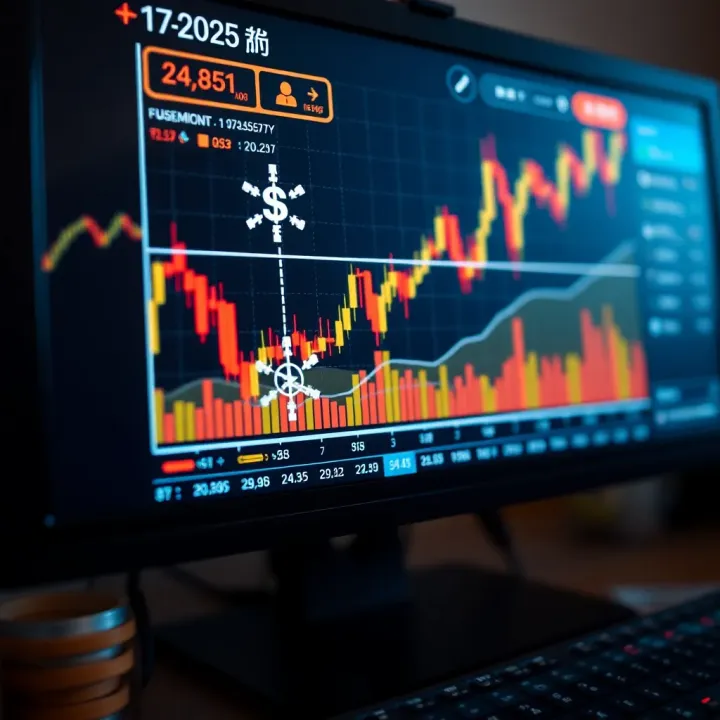
Reading price charts: Price charts visualise historical price actions and trading volumes, crucial for spotting trends. South African traders often examine candlestick charts to identify momentum shifts, support, and resistance levels. For instance, a clear upward trend with increasing volume might signal a good time to buy before a rally.
Using indicators and patterns: Indicators such as the Relative Strength Index (RSI) or Moving Averages help confirm trends or spot potential reversals. Recognising patterns like 'head and shoulders' or 'double bottom' on charts provides clues on future price moves. These tools lend objectivity, particularly when volatility runs high, like during Eskom load-shedding interruptions affecting market hours.
Setting entry and exit points: Defining in advance where to enter or exit trades is vital for discipline. For example, setting stop-loss orders prevents large losses if the market moves against you. Knowing profit targets helps lock in gains without greed taking over. This approach reduces emotional trading, a common pitfall among beginners.
Practising these strategies regularly, possibly starting with demo accounts, builds confidence before risking real money. Consistency and learning from each trade improve your edge over time.
Trading successfully requires blending these fundamental and technical methods. While fundamentals shape your long-term view, technical analysis guides short-term decisions — both especially relevant in South Africa’s dynamic crypto market environment.
In crypto trading, managing risks and safeguarding your capital are non-negotiable. The volatile nature of cryptocurrencies means prices can swing wildly, sometimes within minutes. Without a clear risk plan, even experienced traders can lose significant sums. South African traders, especially, must tread carefully due to local factors like exchange regulations and occasional market liquidity issues.
Setting stop-loss and take-profit orders helps automate your trades to lock in profits or minimise losses. A stop-loss order automatically sells your crypto if the price drops to a certain level, preventing you from losing more than you can afford. For example, if you buy Bitcoin at R500,000, you might set a stop-loss at R470,000 to cap losses around 6%. Similarly, a take-profit order sells your asset once it reaches your target price, ensuring you don’t miss out if the market reverses suddenly.
Position sizing and diversification control how much capital you expose to each trade. Rather than putting all your funds into one coin or trade, divide your capital across several cryptos or positions. Say you have R100,000; it’s wiser to allocate R10,000 per trade, rather than R100,000 on a single volatile altcoin. Diversifying reduces risk because not all assets move the same way. Some might drop while others rise, balancing overall losses.
Avoiding emotional trading is vital for consistent results. Emotional decisions like panic selling in a dip or chasing the market after big gains can damage your portfolio. One trick is to stick to a pre-planned strategy and trust your risk controls rather than reacting to FOMO (fear of missing out) or stress. Keeping a trading journal helps reflect on why trades were made and learn from mistakes without repeating rash moves.
Choosing between hot and cold wallets affects your security levels. Hot wallets are online and convenient for frequent trading but vulnerable to hacking. Cold wallets store keys offline (like hardware wallets), protecting your crypto from cyber threats but less handy for daily trades. For instance, many South African traders keep most holdings in a cold wallet and only a smaller amount in a hot wallet for active trading.
Backing up keys and recovery phrases is critical. Your wallet’s private keys or seed phrases are the only way to access your crypto. Losing them means losing your investment forever. Store these phrases offline in multiple secure spots, such as a safe at home or a bank deposit box. Avoid digital copies on mobile or cloud storage, which hackers can exploit.
Recognising phishing and scams is crucial in crypto. Scammers often impersonate exchanges or popular trading platforms, sending fake emails or messages to steal login details. Always verify website URLs carefully and avoid clicking suspicious links. Use official apps or websites directly. Remember, no legitimate service will ask for your private keys or password via email or chat.
Safeguarding your capital is as much about smart trading decisions as it is about securing your assets. A balanced approach keeps your crypto journey sustainable.
Keeping up with the latest developments and sharpening your crypto trading skills are essential to staying ahead in this fast-moving market. Information flows rapidly, and what works today might need adjusting tomorrow. Continual learning helps you spot emerging opportunities, avoid pitfalls, and make smarter trades over time.
Staying plugged into reliable news sources and active communities helps you catch market signals early. South African platforms like MyBroadband and CryptoGazette provide timely updates relevant to local traders, including trends and regulatory changes. Global sources such as CoinDesk or The Block offer broader market insights that impact prices worldwide. Participating in forums and Telegram groups can also give you a chance to exchange ideas and learn from more experienced traders.
Regulatory updates from the South African Reserve Bank or the Financial Sector Conduct Authority (FSCA) affect crypto markets directly. For instance, announcements about new rules on crypto taxation or exchanges can shift market sentiment sharply. Knowing about these regulations helps you stay compliant and avoid fines or frozen accounts. Regularly checking government releases and trusted news outlets keeps you informed without chasing rumours.
World events also ripple through crypto prices. Geopolitical tensions, economic crises, or major tech announcements can cause price swings. For example, when a large economy like the US or China announces tighter crypto restrictions, markets tend to dip globally. Understanding these connections helps you gauge when to hold steady or pull back on trades.
Demo accounts let you trade with simulated money while experiencing real market conditions. This practice is invaluable because it teaches you to apply your strategies without risking your own cash. It’s like training wheels on a bicycle; you get comfortable with price movements and order types before cycling on busy roads.
Many South African-friendly platforms such as Luno and easyCrypto offer demo or sandbox environments. These platforms replicate the live market and allow you to experiment with different trading styles without pressure. Using these tools regularly builds confidence and technical know-how.
Mistakes are part of learning, but in the crypto market, errors can be costly. Demo trading lets you make those blunders with zero financial loss. You can test stop-loss orders, adjust position sizes, and experiment with indicators at no risk. This hands-on experience translates to better decision making when you move to real trading, helping protect your capital.
Staying informed and practising in safe environments are two pillars every South African crypto trader should prioritise. They keep your skills sharp and your wallet safe in a market that never sleeps.
📈 Learn how to trade forex online with tips tailored for South Africans. Master basics, spot reliable resources, use demo accounts, and manage your risks effectively.

📈 Master forex & crypto trading in South Africa with practical tips, local regulations, risk insights & market tools for smarter investing decisions. 💰

💱 Learn forex trading basics, key players, risks, strategies & South African market tips. Get practical advice to navigate currency exchange confidently.
Ready to start forex trading? 🇿🇦 Learn key steps for South Africans: market basics, picking brokers, and managing risks confidently in global currency markets.
Based on 5 reviews