

Benefits of Forex Trading Explained
Discover the benefits of forex trading for investors in Nigeria 🌍. Explore market access, liquidity, flexibility, profit chances, risk control, & tech impact 📈⚖️.
Edited By
Isabella Wright
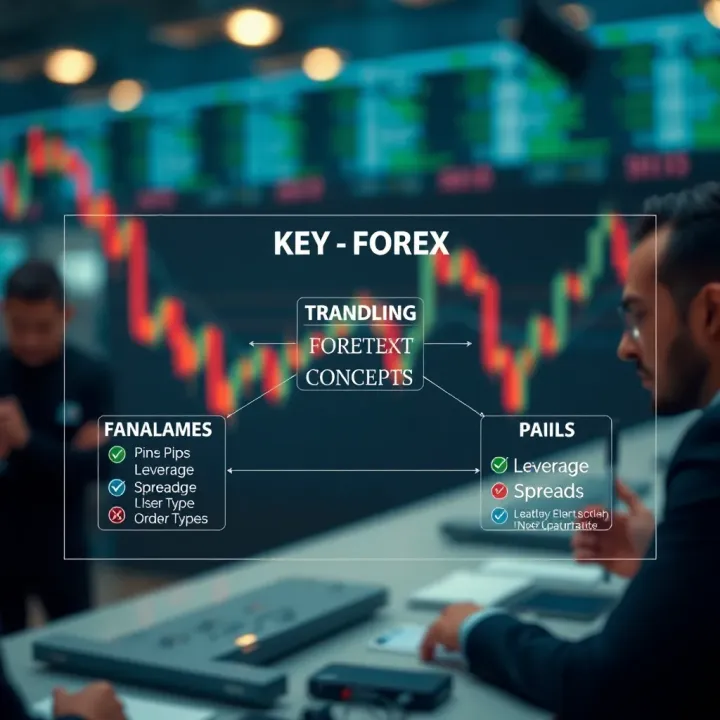
Diving into forex trading without knowing the basic terms is like trying to find your way through Johannesburg’s traffic without a map — you'll likely end up lost or confused. Whether you’re a seasoned trader, an analyst checking market movements, or just starting out, understanding forex terminology is key to making confident decisions.
The forex market is all about currency pairs, which are simply two currencies being traded against each other. For instance, EUR/ZAR represents the euro against the South African rand. Every movement, up or down, is measured in pips — the smallest price increment. Knowing how to calculate pips helps you keep track of profits or losses effectively.
Leverage is another term you'll come across regularly. It allows you to control a bigger position than your actual capital, magnifying both gains and risks. For example, with 50:1 leverage, a R1,000 deposit allows you to trade R50,000 worth in the market. But be careful—while leverage can boost returns, it can also drain your account quickly if trades go south.
The spread is the difference between the buying (ask) and selling (bid) price. South African traders often notice spreads widen during volatile periods or outside normal trading hours. Keeping an eye on spreads helps you understand trading costs.
Lastly, familiarise yourself with order types, such as market orders (to buy or sell immediately) and limit orders (to execute a trade at a specific price). Each order type serves a distinct purpose depending on your trading strategy and market conditions.
Getting a solid grip on these essential terms lets you navigate the forex market with greater clarity, reducing mistakes caused by misunderstanding financial jargon.
In this guide, you’ll find straightforward explanations and practical examples relevant to local traders. This foundation cuts through the noise, helping you trade with more confidence and less guesswork.
Grasping currency pairs and how quotes work is the backbone of forex trading. Every trade involves one currency being exchanged for another, so understanding these basics helps you interpret market movements and price changes quickly. Without knowing which currencies you're trading and how their prices are quoted, it’s easy to misread the market or miscalculate your potential risks and rewards.
Currency pairs consist of two currencies traded against each other. Major pairs are the most traded and generally have high liquidity, like the EUR/USD (Euro to US Dollar) or USD/ZAR (US Dollar to South African Rand). Minors are still popular but less so—think EUR/GBP (Euro to British Pound) or AUD/NZD (Australian Dollar to New Zealand Dollar). Exotic pairs mix a major currency with one from an emerging or smaller economy, like USD/TRY (US Dollar to Turkish Lira) or USD/THB (US Dollar to Thai Baht). These exotic pairs often show larger spreads and more volatility, so they carry higher costs and risks, which you should factor in.
Each currency pair has a base currency and a quote currency. The base currency comes first, representing one unit—for example, in USD/ZAR, the USD is the base. The quote currency is the second currency, showing how much of it you need to buy one-unit of the base. If USD/ZAR trades at 18.50, that means you need R18.50 to buy one US dollar. Understanding this helps you know exactly what your trade means financially, especially when calculating profit or loss.
Forex quotes always come with two prices: the bid and the ask. The bid is the highest price a buyer is willing to pay for the base currency, while the ask (or offer) is the lowest price a seller wants. The difference between them is the spread, which represents a cost to traders. For instance, if EUR/USD has a bid of 1.1200 and an ask of 1.1202, the spread is 2 pips. Knowing these prices helps you decide when to enter or exit trades and how much trading costs will eat into your profits.
Direct quotes express the home currency’s value per unit of a foreign currency; indirect quotes do the opposite. For South African traders, USD/ZAR is a direct quote—it tells you how many rand you need for one US dollar. Conversely, ZAR/USD is an indirect quote, showing how many US dollars one rand buys. Both are used globally, but recognising the difference ensures you interpret price movements correctly and avoid confusion when dealing with different currency pairs.
Knowing how to read currency pairs and quotes clearly puts you in control of your trades and helps you avoid unnecessary mistakes when entering orders.
Overall, a solid grasp of currency pairs and the way quotes show prices forms the foundation for savvy forex trading, especially when navigating volatile markets like the ZAR. Keep these basics in mind as you proceed to more complex trading concepts.
When trading forex, understanding how price movements are measured is essential. Traders use pips, points, and lots to gauge market action and manage trades precisely. These terms help quantify gains, losses, and trade sizes, serving as a foundation for risk management.
A pip, short for "percentage in point," is the smallest price move in a currency pair that a trader can observe. Most currency pairs are priced to four decimal places, so a movement from 1.2000 to 1.2001 represents one pip. This tiny shift might seem insignificant, but in forex trading, pips directly affect your profit or loss.
For example, if you bought EUR/USD at 1.2000 and it moves up to 1.2050, you've gained 50 pips. The actual Rand or dollar value of these 50 pips depends on your trade size.
Calculating the pip value varies based on the currency pair and trade size. For pairs where the USD is the quote currency (like EUR/USD), one standard lot (100,000 units) typically equals $10 per pip. But for pairs involving other currencies, the pip value changes according to current exchange rates, impacting your potential profit or loss.
A lot is the standardised quantity of a currency being traded. Most brokers offer four types: standard (100,000 units), mini (10,000 units), micro (1,000 units), and nano (100 units). Smaller lots let traders control risk better, which is especially useful for beginners or those with smaller accounts.
So, if you buy one mini lot of USD/ZAR at 18.00, each pip movement represents R1 (roughly), making it easier to manage the risk than with a full standard lot.
Lot size directly shapes your exposure in the market. Larger lots mean bigger swings in profits or losses for each pip moved. For instance, trading a standard lot will magnify gains but also increase risks considerably compared to a micro lot. This balance between potential reward and risk is something every trader must assess before entering the market.
Having clarity on pips and lots helps you size trades that fit your risk appetite. Without this, you might unintentionally expose yourself to excessive losses, especially in a highly volatile market like forex.
Understanding these fundamentals is key to trading sustainably and confidently on platforms like MTN Forex, FNB's FX trading, or international brokers offering ZAR pairs.
Understanding the costs involved in forex trading is key to realistic expectations and smart decision-making. When trading currencies, the main expenses you’ll encounter are spreads, commissions, and swaps. These fees directly affect your profits and losses, so it’s wise to know how they work and how to manage them. This section breaks down these costs, using clear examples relevant to traders operating in South Africa and beyond.
The spread is the difference between the bid price (what buyers pay) and the ask price (what sellers receive) in a currency pair quote. This gap effectively serves as an upfront trading cost, even before you factor in commissions or other fees. Spreads come in two main forms:
Fixed spreads stay the same regardless of market conditions. For example, a broker may charge a fixed spread of 2 pips on the EUR/USD pair.
Variable spreads fluctuate depending on market volatility and liquidity, often tightening during active market hours and widening during quieter periods.
Fixed spreads offer predictability but sometimes at the cost of slightly higher rates during peak times. Variable spreads can be more economical when markets are calm but potentially costly during spikes in volatility, such as around major news events or outside peak trading hours.
The size of the spread directly impacts your trading costs. For instance, if the spread is 3 pips on the GBP/ZAR pair, that means you start a trade 3 pips "in the red" since you buy at the higher ask price and sell at the lower bid price. Smaller spreads reduce this barrier, letting you potentially break even faster. Traders should watch spreads carefully, especially when scalping or trading frequently, as these costs add up quickly.
Some brokers offer “no commission” trading but recover their costs by charging wider spreads. Others may set narrow spreads but apply a separate commission per trade. Commissions are usually fixed amounts per lot traded or a percentage of the trade’s value. For example, a broker might charge R50 per standard lot per side, which drops the overall cost if you trade larger volumes but could be significant for smaller trades.
Besides spreads and commissions, swaps or rollover rates come into play when positions are held overnight. These are basically interest fees reflecting the difference between the interest rates of the two currencies being traded. If you hold a position past the broker’s rollover time—usually 5 pm South African time—your account will either be credited or debited based on the swap rate.
For example, if a South African trader holds a USD/ZAR long position overnight and the USD interest rate is higher than South Africa’s repo rate, the trader could earn a small positive swap. On the other hand, holding the opposite position might incur a swap cost. Swaps can either chip away at profits or add a bit on, so understanding your broker’s swap rates can help you plan overnight trades more wisely.
Remember, while spreads and commissions are immediate costs, swaps matter more for longer-term traders who hold positions past days. Always check your broker’s fee schedule and consider these costs when planning your trades.
By keeping spreads, commissions, and swaps in mind, you’ll have a clearer picture of your true trading costs and can tailor your strategy accordingly, especially given South Africa’s unique market hours and currency pairs like USD/ZAR that attract significant local interest.
Understanding leverage and margin is vital for any trader dipping their toes in forex markets. These two terms directly affect how much you can trade and the risks you face when markets shift. Properly analysing them helps you avoid blowing your trading account by overextending yourself.
Leverage lets you control a larger position than the cash you actually put down. For instance, with 50:1 leverage, depositing R1,000 allows you to trade R50,000 worth of currency. This can amplify your profits because even a small price move can result in a significant gain when multiplied by your leverage.
But, here's the kicker: leverage also magnifies losses just as much. Let's say the market moves against you by just 2%; on that R50,000 position, you’d lose R1,000 — your entire deposit. This makes leverage a double-edged sword, requiring careful risk management and position sizing. Using high leverage without understanding can turn a promising trade into a costly mistake fast.
Typical leverage levels offered to retail traders vary by broker and jurisdiction. Many South African brokers might offer leverage up to 1:200 or even 1:400, but it's wise to start low, like 1:10 or 1:20, especially for beginners. Regulators globally often recommend limiting leverage to reduce exposure, and some brokers impose caps on maximum leverage. Remember, using excessive leverage rarely improves trading outcomes — it’s about managing risk, not chasing outsized returns.
Margin is the cash amount you need to open and maintain a position. The initial margin is like a deposit — it’s the minimum required upfront to open a trade. For example, if the initial margin is 2% for a R100,000 position, you need R2,000 in your account.
The maintenance margin is usually lower and indicates the minimum balance your account must maintain to keep your trade open. If your account balance dips below this due to losses, your broker may issue a margin call.
Margin calls happen when your equity (balance plus unrealised profit or loss) drops below the maintenance margin. The broker will require you to add funds or close positions to limit further losses. If you don’t respond, the broker could close your trades automatically at the stop-out level to protect both your account and the broker's funds.
Traders should always keep a buffer above their maintenance margin to cushion against sudden market swings or overnight volatility, particularly in the South African context where global events or local economic news can trigger sharp moves.
Mastering leverage and margin concepts helps you trade more confidently, manage risk better, and avoid common pitfalls seen among new forex traders. Always check your broker’s margin rules and use leverage sparingly — this discipline can make the difference between a steady trading journey and costly setbacks.
Understanding order types and how they are executed is vital for forex trading. These tools give traders control over entry and exit points, helping manage risk and lock in profits. With varying market volatility, knowing when and how to use each order type ensures your trades align with your strategy and timing.
A market order executes immediately at the best available price. Traders use it when the priority is to enter or exit a position swiftly, often in fast-moving markets. For example, if the USD/ZAR pair suddenly spikes due to an economic announcement, opting for a market order means you won't miss the chance to trade, even if slippage occurs.
Market orders are straightforward but come with the risk of price changes before execution, especially in volatile conditions. So, while they suit situations needing immediate action, they’re less ideal when specific price points are targeted.
Limit orders allow traders to specify the price at which they want to buy or sell. These orders execute only if the market reaches the set price, giving you price control and often avoiding unnecessary costs.
For example, if EUR/USD is trading at 1.1200 but you believe it will rise after dipping to 1.1150, you can place a buy limit order at 1.1150. This strategy saves you from chasing the market and potentially paying a higher price. Limit orders also help in taking profits or entering breakouts with precision.
Stop-loss orders automatically close your trade to prevent further losses beyond a set point. This is crucial in forex, where currency prices can shift rapidly. For instance, if you buy GBP/ZAR at 19.00 but want to limit losses to R0.50 per unit, your stop-loss might be at 18.50. When triggered, it exits the position to curb losses without constant monitoring.
Take-profit orders work oppositely, closing your trade once your profit target hits. This helps to lock gains before the market reverses. Using the previous example, you might set a take-profit at 19.50 to secure profits once the market reaches that level.
Correct use of stop-loss and take-profit orders trims emotional decision-making and enforces trading discipline, which is especially helpful for beginners.
Trailing stops are dynamic stop-losses that move with the market price by a set distance. Suppose you bought EUR/ZAR at 18.00 with a 50-pip trailing stop. If the price rises to 18.50, the stop moves up to 18.00, locking in potential profit. Should the price fall, the stop remains fixed, helping secure gains while letting profits run.
Other conditional orders might include if–then or one-cancels-the-other (OCO) orders, which automate more complex strategies. These are beneficial for traders who can't watch the market constantly, enabling hands-off trade management and reacting to price moves precisely.
Understanding these common order types equips you to tailor your trades to market conditions and your risk appetite, improving both your strategy and confidence in forex markets.
Discover the benefits of forex trading for investors in Nigeria 🌍. Explore market access, liquidity, flexibility, profit chances, risk control, & tech impact 📈⚖️.
🔍 Master forex trading with top tools for South Africans! Get insights on charting software, economic calendars, risk managers, platforms & automation systems.
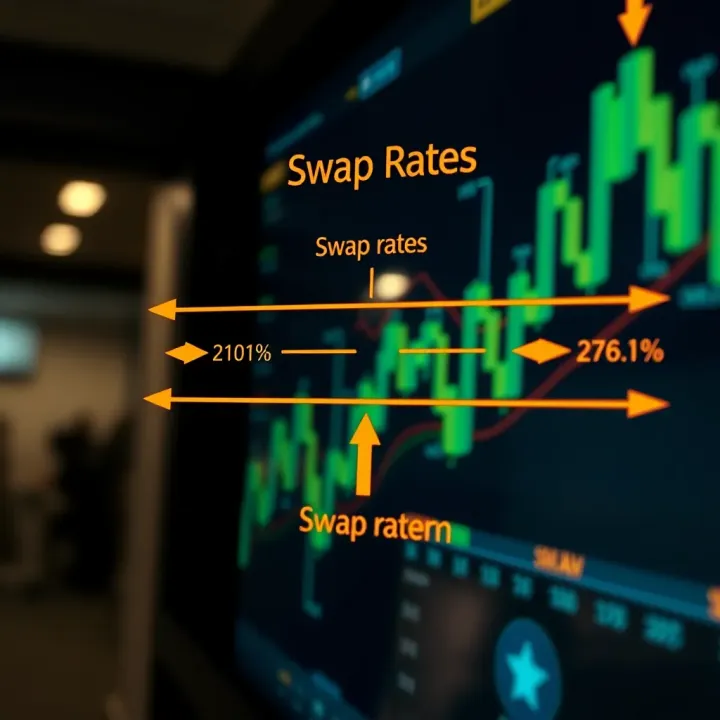
💱 Discover how swap rates in forex trading influence your positions, with clear examples for South African traders, covering positive vs negative swaps and platform tips.

🤖 Curious about forex trading robots? Learn how they operate, what risks to watch for, and tips for choosing reliable tools tailored to South African traders. 💹
Based on 5 reviews