
Forex and Crypto Trading Tips for South African Investors
📈 Master forex & crypto trading in South Africa with practical tips, local regulations, risk insights & market tools for smarter investing decisions. 💰
Edited By
Lucy Bennett
Forex trading in South Africa has grown steadily in popularity, attracting a mix of newcomers and experienced investors. While the global forex market operates 24/5, South African traders face unique local conditions and regulations that shape how they participate.
South Africa's forex market involves trading currency pairs like USD/ZAR and EUR/ZAR, which have become particularly relevant due to the rand's volatility amid fluctuating commodity prices and political developments. Understanding these factors can help traders spot opportunities or avoid unexpected losses.
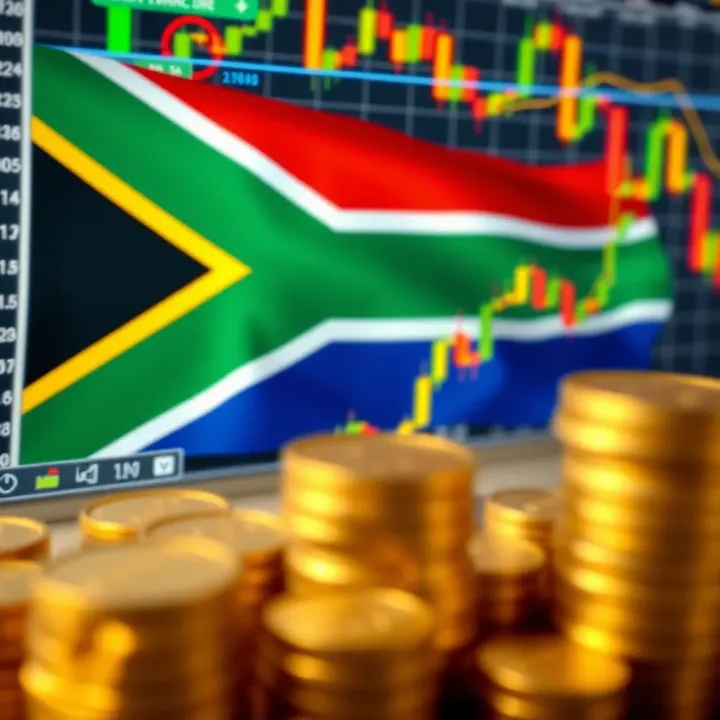
The market runs through brokers authorised by the Financial Sector Conduct Authority (FSCA). This regulator ensures brokers follow rules designed to protect traders, so working with FSCA-regulated brokers is essential for security and transparency.
Trading forex without understanding local rules and risks can lead to costly mistakes. Do your homework before committing capital.
South African traders benefit from various tools and platforms tailored to the local market—examples include MT5 offered by numerous local brokers and access to real-time rand exchange rates. However, data costs and internet reliability can affect trading quality, so consider your connection carefully.
Beginners should focus on these key areas:
Grasp basic forex concepts such as pip value, leverage, and order types
Practice on demo accounts to get a feel for the market
Start with small investments to manage risk
Stay updated on South African economic news affecting the rand
South African traders should also be aware of tax obligations. Income earned from forex trading is subject to SARS tax regulations, and keeping detailed records will help during tax season.
Finally, the forex market in South Africa is not a quick route to riches. Like any investment, it requires patience, discipline, and constant learning. Those who approach trading with realistic expectations and sound strategies stand a better chance of success.
By understanding how forex trading works in the South African context, you can avoid common pitfalls and navigate the market with confidence.
Understanding how forex trading functions in South Africa is essential for anyone keen on navigating this complex market with confidence. It shapes how traders interact with currency pairs, determines market accessibility, and influences strategies best suited for local conditions. This section lays out the groundwork for grasping practical aspects relevant to South African traders.
The South African rand (ZAR) features prominently in forex trading due to local interest and economic ties. Pairs like USD/ZAR and EUR/ZAR are commonly traded, given South Africa's strong trade links with the US and Europe. The rand’s relative volatility compared to stable currencies makes these pairs attractive for traders looking to profit from price swings, but it also requires careful risk management.
Forex operates 24 hours a day, influenced by trading hubs in London, New York, Tokyo, and Sydney. For South Africans, the overlap between the London and Johannesburg trading sessions tends to be the most liquid and active. This means traders generally find tighter spreads and better opportunities between 9 am and 5 pm SAST, coinciding with peak local market participation.
Spot trading involves the immediate exchange of currency pairs at current market prices and is the most straightforward form of forex trading. Derivatives, like futures and options, allow traders to speculate on price movement without owning the actual currencies. South African traders often begin with spot trading for its simplicity before exploring derivatives, which can offer leverage but also increase risk.
Most retail traders in South Africa access the forex market through online platforms provided by brokers. These platforms allow trading from a computer or mobile device, offering convenience and real-time market information. Participation requires setting up accounts, usually in rand, with brokers authorised by the Financial Sector Conduct Authority (FSCA) to ensure regulatory compliance.
South African banks tend to focus on serving corporate clients and large investors in the forex space. Retail traders typically engage with specialised brokers, who provide tailored services such as demo accounts, lower minimum deposits, and educational resources. Brokers also facilitate deposits and withdrawals in rand, making the trading process smoother for locals.
The rand’s volatility—often influenced by factors like commodity prices, local political events, or global risk sentiments—presents both risk and opportunity. For instance, when Eskom announces load shedding at higher stages, the rand often weakens, which could create short-term trading chances. Traders must monitor such events closely and consider volatility in their risk management strategies.
Trading forex in South Africa demands a clear understanding of local market dynamics, regulatory environment, and practical conditions like rand volatility. This knowledge forms the backbone of successful trading strategies tailored to Mzansi’s unique economic landscape.
Regulations play a significant role in shaping the forex trading environment in South Africa. Following clear rules helps protect traders from scams and market manipulation while promoting trust in local platforms. Compliance with these rules is crucial not only for brokers but also for traders who want to operate within the law and avoid unnecessary risks.
The Financial Sector Conduct Authority (FSCA) oversees forex trading activities in South Africa. For a broker to operate legally, they must hold a valid licence from the FSCA. This licence confirms that the broker meets certain standards of financial stability, transparency, and ethical business conduct. For example, licensed brokers must keep client funds separate from their own operational funds, reducing the risk of misuse.
Investor protection is a core focus of the FSCA. They ensure brokers provide clear information about trading risks and costs. Traders dealing with FSCA-approved brokers benefit from dispute resolution mechanisms and oversight that reduces fraud possibilities. This protection extends to ensuring brokers follow strict rules on advertising and marketing, so traders aren’t misled by unrealistic promises.
South Africa’s compliance with the Financial Intelligence Centre Act (FICA) adds another layer of security. Brokers and traders must provide identification documents during account opening, helping to prevent money laundering and other illicit activities. This process might seem tedious but is vital for the integrity of the market and protects genuine traders from being caught up in unlawful schemes.
Recognising authorised versus unauthorised brokers is essential. Many scams involve unlicensed entities operating outside South African law. The FSCA publishes lists of authorised brokers, and traders should always cross-check before investing.
If a dispute arises, FSCA-licensed brokers are required to follow specific complaint procedures. Traders can escalate issues through the FSCA if not resolved directly. This structured path ensures fairness, unlike dealing with unregistered brokers who often ignore complaints.
Tax obligations from forex earnings cannot be ignored. The South African Revenue Service (SARS) treats forex profits as taxable income, requiring traders to declare earnings during tax submissions. Failing to report can lead to penalties. Keeping clear records of trades, profits, and losses helps comply with tax laws and prevents unnecessary headaches during SARS assessments.
Beware: Trading with unauthorised brokers risks losing your funds without recourse, plus potential legal troubles if you don’t report earnings correctly. Always verify broker legitimacy, understand your rights, and stay on top of tax duties.
This regulatory framework sets the groundwork for safer and more transparent forex trading, contributing to a healthier financial market in South Africa.
Choosing the right forex broker is a key step for South African traders aiming to navigate the currency markets successfully. The broker acts as the gateway to trading, influencing costs, ease of use, and the security of your money. A seasoned trader will tell you that not all brokers are created equal, especially when considering local nuances like the rand’s volatility and South Africa’s regulatory framework.
Fee structures and spreads matter because they directly affect your profitability. Brokers often charge through spreads—the difference between the buying and selling price of a currency pair—or sometimes through commissions. For instance, a broker offering a low spread on the EUR/ZAR pair might save you more in costs compared to one with a higher spread. However, watch out for hidden fees such as withdrawal charges or inactivity penalties, which can quietly chip away at your funds.
Platform usability and tools play a big role in how comfortably and efficiently you trade. Brokers providing intuitive platforms with customisable charts, real-time market data, and reliable execution can help traders respond quicker to market movements. Take the MetaTrader 4 platform, popular among South African traders for its balance of features and user-friendliness. Some brokers also offer mobile apps, which are handy if you want to trade while on the move.
Deposit and withdrawal options in Rand (ZAR) are critical, too. Using a broker that allows funding and withdrawals directly in Rand avoids unnecessary currency conversion fees, saving you money and time. Local payment methods such as EFT (electronic funds transfer) or instant options like SnapScan and Zapper can make deposits more convenient. Before signing up, check how quickly withdrawals are processed, as slow payouts can be frustrating, especially during times of market volatility.
Locally regulated brokers are authorised by the Financial Sector Conduct Authority (FSCA), assuring compliance with South African laws. Brokers like IG and CM Trading have FSCA licences, which means they follow strict guidelines on client fund protection and dispute resolution. Using a local broker can provide peace of mind, especially when the FSCA’s oversight helps to deter scams prevalent in the forex world.
International brokers servicing South Africa also have a presence here, bringing access to a broader range of currency pairs and platforms. These brokers might offer tighter spreads or advanced trading tools. However, they might not always comply fully with FSCA rules, so it’s important to assess their credibility and whether they have local customer support or an office in South Africa.
Evaluating customer support and educational resources is often overlooked but can make a significant difference. Good brokers provide responsive customer service that understands South African market conditions and payment methods. Education also counts; brokers offering webinars, tutorials, and market analysis help traders sharpen their skills. For example, SharpForex includes regular market updates tailored to ZAR traders, which can aid decision-making.
Selecting a reliable forex broker isn’t just about costs or platforms; it’s ensuring your money stays safe while you access tools and support tailored to South African needs.
In summary, weighing fee structures, platform features, local currency options, regulatory status, and support services will help you pick a broker that aligns with your trading goals and local market realities.
In South Africa’s forex market, having a solid grasp of trading strategies and reliable tools is key. The market's volatility, especially influenced by the rand's fluctuations and local economic events, means traders need adaptable strategies and efficient tech support to stay ahead.
Day trading and scalping focus on quick trades that last from minutes to a few hours. These strategies are popular among traders who prefer to capitalise on small price movements within a day without the risk of overnight exposure. For South African traders, this means being alert during the volatile London and New York market sessions where volumes peak and the rand often shows sharp movements. Traders using scalping must keep tight stop losses and fast execution, often relying on brokers offering low spreads and minimal slippage.
Swing trading basics take a more relaxed approach, holding positions from a couple of days up to several weeks. This suits traders who can't monitor the market constantly but still want to benefit from medium-term trends. In South Africa, swing traders often keep an eye on economic releases like SARB interest rate decisions or GDP figures that can shift sentiment and create opportunities. The strategy requires patience and the ability to ride out short-term noise.
Risk management tactics are the backbone of consistent trading success. Given forex’s high leverage potential, South African traders must set sensible stop-loss levels and never risk more than a fixed percentage of their capital per trade — commonly 1-2%. Using position sizing tailored to account size helps avoid blowing up the account during sudden rand swings. Maintaining discipline is crucial, especially when emotions run high during market moves caused by local political events or Eskom load-shedding announcements.
Charting software options provide the visual insight necessary to understand price action. Popular platforms like MetaTrader 4/5, TradingView, or cTrader offer South African traders access to real-time charts, a variety of technical indicators, and drawing tools. These help spot support and resistance levels, trend lines, and patterns, which can be vital when the rand wobbles unexpectedly.
Automated trading and Expert Advisors (EAs) let traders run predefined strategies without constant supervision. Many South African traders make use of EAs on MetaTrader platforms to automate trades and reduce emotional errors. However, it's wise to backtest these systems thoroughly before going live, considering the rand’s unique market behaviour.
Using economic calendars focused on key events keeps traders informed about important releases like SARB policy statements, US Federal Reserve announcements, or local employment data. South African traders benefit by timing their entries around these events or opting to stay out when markets tend to unpredictability.
Staying sharp with well-chosen strategies and robust tools allows South African forex traders to manage risks better and spot opportunities amidst the rand’s ups and downs.
Each approach and tool should be tailored to your own trading style and risk tolerance. Combine smart strategies with reliable tech, and you’ll have a far better chance at succeeding in forex trading here.
The forex market is known for its high volatility, and in South Africa, the rand’s often unpredictable swings make this even more pronounced. Traders using leverage—a facility that lets you control a large position with a small amount of capital—can amplify gains but also losses. For example, a trader who takes on 100:1 leverage may see a minor 1% move against their position wipe out their entire investment. This kind of risk means that managing exposure is vital; overleveraging is one of the fastest ways to drain a trading account.
Psychological pressures also weigh heavily on traders. Forex trading requires quick decision-making often under stressful conditions. Fear and greed can lead to irrational choices—such as holding onto losing trades for too long or chasing losses. Many South African traders report that discipline and emotional control separate consistent winners from those who burn out quickly. Maintaining a clear head and sticking to a strategy helps avoid knee-jerk reactions that harm long-term success.
Common mistakes include jumping into trades without proper analysis, neglecting stop-loss orders, or trading based on rumours rather than facts. It's easy to get swept up in the excitement or to overtrade, especially after a series of wins. South African traders should avoid these pitfalls by setting strict limits, researching thoroughly, and not trading more than they can afford to lose. These practical habits reduce reckless decisions and protect capital effectively.
A solid trading plan acts as your roadmap. It outlines entry and exit points, risk tolerance, and position sizes. For instance, a South African trader might decide never to risk more than 2% of their account on a single trade, no matter how tempting the setup. This disciplined approach ensures losses don’t spiral out of control and profits are locked in systematically.
Continuous learning is non-negotiable in forex. Markets evolve as global events, central bank policies, and geopolitical risks shift. Staying updated via economic reports from the South African Reserve Bank or global cues like U.S. Federal Reserve announcements provides valuable insight. Adapting by testing new strategies on demo accounts helps traders refine their approach without risking real money.
Leveraging local economic news and trends can give traders an edge. Events like South Africa’s GDP releases, inflation data, or changes in interest rates often move the rand sharply. Being prepared for these scheduled announcements—and understanding their potential impact—lets you position trades strategically. For example, if inflation is higher than expected, the rand might weaken, presenting opportunities for short trades. Engaging with local news outlets and trusted financial analysis enriches your market perspective and timing.
Smart forex trading in South Africa is as much about managing risks as it is about spotting opportunities. Discipline, education, and local awareness build a foundation where success becomes more than luck.
📈 Master forex & crypto trading in South Africa with practical tips, local regulations, risk insights & market tools for smarter investing decisions. 💰
Ready to start forex trading? 🇿🇦 Learn key steps for South Africans: market basics, picking brokers, and managing risks confidently in global currency markets.

📈 Master forex trading with practical tips for South African traders! Learn local market steps, risk management, analysis tools & disciplined habits for steady success.
📚 Discover top PDF books for South African forex traders covering markets, strategies, and risk management to improve your trading skills and results effectively.
Based on 7 reviews