

Forex and Crypto Trading Tips for South African Investors
📈 Master forex & crypto trading in South Africa with practical tips, local regulations, risk insights & market tools for smarter investing decisions. 💰
Edited By
Charlotte Davies
Choosing the right crypto trading website is a big step for South Africans looking to invest or trade Bitcoin, Ethereum, or other digital coins. With the increasing popularity of cryptocurrencies here, having a reliable, secure, and cost-effective platform matters more than ever.
Before signing up, it’s wise to check if the platform complies with South African regulations. For instance, South African platforms should have clear registration details with the Financial Sector Conduct Authority (FSCA) or show adherence to the Financial Intelligence Centre Act (FICA) requirements. This helps reduce the risk of falling victim to unlicensed operators or scams.
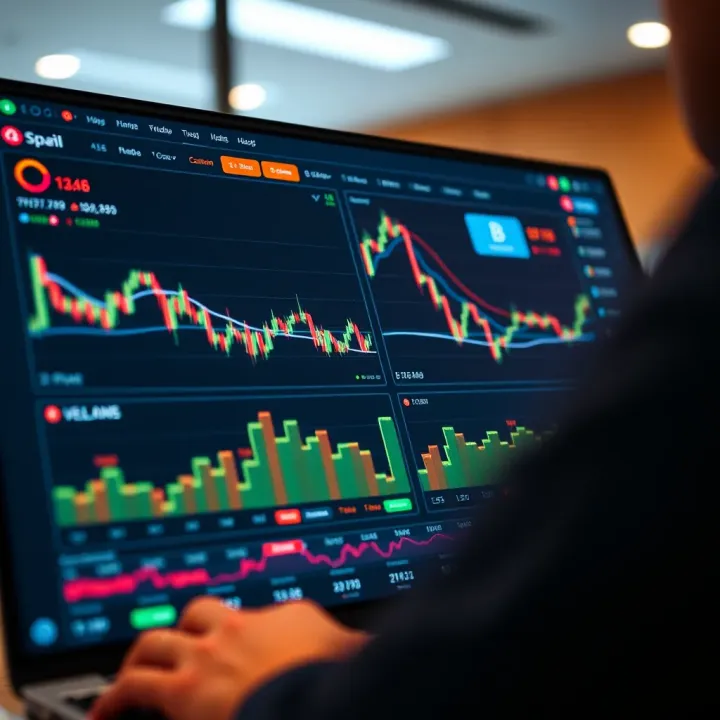
Popular local and global exchanges like Luno, VALR, Binance, and AltCoinTrader all vary in features such as ease of use, trading fees, available cryptocurrencies, and payment methods. For example, Luno allows easy deposits via South African bank EFTs with relatively low fees, which suits casual traders or beginners. VALR offers a wider range of altcoins, appealing to more experienced traders.
Registration typically involves verifying your identity via ID documents and proof of address, in line with FICA rules. This process might seem tedious but is essential for security and legal compliance. Once verified, you can usually deposit funds either through EFT or even SnapScan and Zapper in some cases.
Security aspects are critical. Look for platforms with two-factor authentication (2FA) and cold wallet storage for most crypto assets to minimise hacking risks. Avoid sites with unclear security policies or unrealistic promises of high returns.
Remember, your funds are only as safe as your platform’s security and your own password hygiene. Always use unique passwords and consider enabling additional verification steps.
Fees differ widely: trading fees, withdrawal fees, and deposit fees all add up. Some platforms charge a flat fee, others use a percentage of your trade amount. Read the fine print carefully.
Finally, keep tax implications in mind. Earnings from cryptocurrency trades are taxable in South Africa. The South African Revenue Service (SARS) requires you to report profits as capital gains or income depending on your trading activity.
In short, picking the right crypto trading website in South Africa is about balancing reliability, security, fee structures, and regulatory compliance. Taking the time upfront can save trouble later and help you trade with confidence in this exciting but volatile market.
Choosing the right crypto trading website is more than just spotting low fees or flashy apps. In the South African context, where the market's still maturing and regulatory frameworks like FICA (Financial Intelligence Centre Act) and POPIA (Protection of Personal Information Act) influence operations, it’s crucial to focus on trusted features that protect your assets and offer ease of use.
Security stands front and centre when picking a crypto site. Look for platforms that use strong encryption—typically AES-256—ensuring your data, especially financial info and passwords, are well protected against hackers lurking around. Two-factor authentication (2FA) adds an extra lock by requiring a second verification step, like a code from an app or SMS. It’s a simple yet effective barrier; without it, anyone who guesses your password might get access, no matter how complex the password is.
South African crypto sites must comply with FICA to prevent money laundering and fraud. This means submitting ID documents and proof of residence, just like when opening a bank account. POPIA adds a layer of responsibility for how your personal information is handled and stored. Using verified sites that adhere to these laws assures you that your data won’t be mishandled and that the platform operates transparently under local regulations.
Longstanding platforms with solid track records usually signal reliability. Look for reviews from South African users or mentions on trusted tech forums. For example, Luno and VALR have built trust locally with years of experience and visible security updates. Shady or new platforms might throw up red flags—no complaints doesn't always mean all is well, but many voices warning about delays or hacks should set alarm bells ringing.
Your crypto platform should cover the main players like Bitcoin (BTC) and Ethereum (ETH) since they dominate South African portfolios. Also, check for access to emerging coins or tokens that interest you—sometimes niche assets can yield great opportunities but might not be available on every site. Platforms like VALR offer a variety stretching from the majors to promising smaller coins.
Trading tools make a difference, especially when the market twists and turns quickly. Charting features that show price trends, volume, and technical indicators help you decide when to make a move. Order options such as limit, market, stop-loss, and take-profit let you manage risk and lock profits without staring at the screen all day.
More South Africans rely on their mobile phones than desktops, so an easy-to-use mobile app is essential. A good app should let you buy, sell, track prices, and manage your account without hiccups or crashes. Features like push notifications for price alerts keep you in the loop even when you’re on the go—perfect if you’re outside Johannesburg or just prefer trading from your stoep.
A simple, intuitive interface reduces mistakes and helps you trade with confidence. Sites cluttered with jargon or awkward layouts can trip you up, especially if you’re new. For example, Luno is praised localy for its straightforward design that guides novices through buying Bitcoin without extra fuss.

Cryptocurrency markets operate 24/7, but local customer support hours add real value. Having someone to chat with in your time zone, possibly even in English or Afrikaans, helps sort out issues faster. It’s also reassuring to know you’re not dealing with a robot or offshore call centre if a problem arises.
Trading crypto can be daunting, so platforms offering guides, webinars, or explainer videos tailored for South Africans help you get a grip on the basics and emerging trends. Resources covering how to assess coins, avoid scams, and navigate tax obligations linked to SARS make your trading journey less daunting.
Choosing a crypto trading site isn’t just about fees—security, compliance with South African laws, range of coins, and solid support matter just as much. Taking the time to weigh these features helps protect both your crypto and your peace of mind.
Opening an account on a crypto trading website is the first real step into the South African cryptocurrency market. But it's not just about typing in your email and password and starting to trade. The setup process involves securing your account and meeting regulatory requirements, especially given South Africa's stance on money laundering and fraud prevention. Verification ensures you can trade without hitches and have access to all features, including deposits, withdrawals, and higher transaction limits.
Creating an account usually begins with registering your basic details—full name, email address, and a secure password. Many platforms require you to confirm your email before moving on. This straightforward step secures your account from the get-go and prevents spam or bot registrations. For South African users, it's common to be prompted to provide mobile numbers for two-factor authentication, adding a layer of protection.
Linking your bank account or digital wallet comes next. This step connects your crypto trading account to the South African banking system, mostly via Electronic Funds Transfer (EFT), or to wallets such as MetaMask or Trust Wallet for smoother crypto deposits and withdrawals. Your bank account linking must match your verified identity to comply with regulations. Using commonly accepted banks like FNB, ABSA, or Standard Bank makes transactions quicker and less prone to delays. Wallet linking offers flexibility but requires extra care to ensure the wallet address is correctly entered to avoid loss of funds.
South Africa enforces the Financial Intelligence Centre Act (FICA), which compels crypto platforms to verify their users’ identities. This prevents illegal activities such as money laundering and fraud. Complying with FICA isn't just red tape; it protects you as a trader by making sure only verified users can access trading features, like increasing withdrawal limits, helping avoid interruptions in your trading activities.
To verify your identity, platforms usually request a South African ID book or Smart ID card, a proof of residence document (recent municipal bill or bank statement), and sometimes a selfie to confirm the picture matches your ID. Many users face issues when documents are outdated, unclearly scanned, or addresses do not match between documents. A common pitfall is submitting an expired ID or an address that differs from the one on the proof of residence. Taking clear photos and checking document validity before upload can save time and frustration.
Always ensure your verification documents are current and accurate. Platforms often restrict account features if verification is incomplete, which could delay trades or withdrawals.
Setting up your account properly and fulfilling verification requirements lays a solid foundation. It safeguards your trading experience, aligns with South African legal standards, and smooths your path in the crypto market.
Trading cryptocurrencies safely demands more than just picking a reputable platform; it requires understanding how to navigate its tools securely and knowing how to protect your account and assets. South African traders should be especially cautious given local challenges like phishing attempts that prey on less familiar users and the volatility of crypto markets.
Market orders execute trades instantly at the current price, making them useful when you want to buy or sell urgently. For example, if Bitcoin suddenly dips and you want to snap up some at that price without waiting, a market order does the trick. But remember, prices fluctuate rapidly, so the final price might be slightly different from what you saw.
Limit orders, on the other hand, allow you to set a specific price at which you want to buy or sell. Suppose Ethereum is trading at R30,000 but you believe it's worth buying only at R28,000—you can place a limit order to buy at that price. Your order will only go through if the market hits your target, helping you control costs better but with the risk of missing out if the price never reaches your limit.
Stop-loss and take-profit settings are key for managing risk. A stop-loss order automatically sells your crypto if its price drops to a certain level, protecting you from major losses. Take-profit does the opposite: it locks in gains by selling when a set profit target is reached. For instance, if you bought Litecoin at R1,500 and want to avoid sharp dips, you can set a stop-loss at R1,350. Likewise, if you target a profit at R1,700, a take-profit would close the trade once it hits that price. Using these settings keeps emotions out of trades and safeguards your investments.
Keeping your login details safe is fundamental. Use a strong, unique password for your trading account, combining letters, numbers, and symbols. Never reuse passwords, as a breach on one site could expose your crypto wallet. South African users should avoid saving passwords on shared computers or public Wi-Fi networks — these common mistakes open doors for hackers.
Phishing scams often come disguised as official messages from the platform or even SARS. Be alert for suspicious emails or links asking for your details or prompting you to log in through unofficial web pages. Always access your crypto trading website by typing the URL directly or using a trusted bookmark. Avoid clicking on unexpected links, even if they look genuine. Playing it safe today can prevent costly breaches tomorrow.
Cold wallets are offline storage devices ideal for holding large crypto amounts safely. Unlike keeping coins on an exchange or online wallet, cold wallets like hardware devices or paper wallets can't be hacked remotely. For South African traders with sizeable holdings, storing most assets offline limits exposure to exchange outages, cyberattacks, or even loadshedding interruptions. Use cold wallets to park crypto long-term, while keeping just a small portion on the platform for active trading.
Protecting your assets isn't just about picking the right trading platform; it's about knowing how to use its features wisely and practising strong security habits every step of the way.
Trading safely on crypto websites requires a blend of understanding market instruments and guarding your account information. Equipped with the right knowledge and cautious routines, you can navigate South Africa's evolving crypto scene with more confidence and less risk.
Knowing the fees and payment options on crypto trading websites is essential for any trader or investor in South Africa. These costs directly impact your profits and trading strategy. Plus, selecting the right payment methods affects how smoothly you can move funds in and out of your trading account. Let's break down what you need to watch out for.
Trading fees and spreads usually make up the bulk of your costs when buying or selling cryptocurrencies. Trading fees are often a fixed percentage of the trade value, typically ranging from 0.1% to 0.5% per transaction. Some platforms offer lower fees for higher monthly volumes. For example, a R10,000 Bitcoin trade at 0.25% fees means you pay R25. Apart from fees, many sites charge a spread, which is the difference between the buy and sell price. This spread varies between coins and platforms; for popular ones like Bitcoin or Ethereum, it's usually tighter, while lesser-known coins may have wider spreads, increasing your cost indirectly.
Deposit and withdrawal fees also affect your overall costs, especially if you move money frequently. Most South African crypto platforms support bank Electronic Funds Transfer (EFT) with little or no deposit fees, but withdrawals can come with small charges—say R15 to R30 per transaction. Some international platforms may add higher fees or longer processing times, which affects availability of your funds. It's wise to check these costs upfront since frequent small withdrawals can pile up into significant losses.
Hidden costs to watch for include network or blockchain fees when withdrawing crypto to external wallets. These aren't platform fees but mandatory charges to miners or validators processing your transaction. They fluctuate with network congestion and can sometimes spike unexpectedly. Also, watch for inactivity fees or minimum trade volumes, which some sites impose to discourage dormant accounts or very small trades. These add extra expense if you don't trade regularly or in substantial amounts.
Bank EFT and instant EFT remain the most common and reliable methods to load your trading account. Standard EFTs usually take one to three business days, depending on your bank, whereas instant EFTs—offered by some providers—credit your account within minutes. Platforms like PayFast and Peach Payments enable these instant EFTs, which are great if you want to seize market movements quickly without waiting days. However, instant EFTs sometimes have slightly higher fees.
Credit and debit cards offer immediate funding but come with limitations and costs in South Africa. Many platforms charge 3% to 5% fees on card deposits, and some banks block crypto card transactions altogether to reduce fraud risk. Moreover, credit card payments can result in cash advances, potentially incurring high-interest charges. If you plan to use cards, verify your bank's policy and platform fees carefully.
Third-party wallets and deposits such as SnapScan, Zapper, or PayPal-like services are gradually becoming supported on local crypto sites. These offer convenience and sometimes lower fees, especially for smaller transactions. However, not every platform accepts these yet, and withdrawal options back to these wallets might not be available. It's useful to have multiple payment methods to choose from but always check the exact terms since these services can have different processing times and limits.
Keep a close eye on all fees and payment channels before committing to a crypto site. Even small charges can chip away at your returns over time.
Choosing the right platform with transparent fees and efficient payment methods matters for a smooth trading experience in South Africa's evolving crypto market. Familiarise yourself with these details early on to keep your costs down and trading flexible.
Trading cryptocurrency in South Africa brings not just opportunities but also legal responsibilities. Understanding the tax rules set by the South African Revenue Service (SARS) and staying abreast of regulatory developments helps you avoid penalties and ensures you trade with confidence.
Cryptocurrency is treated as an asset in South Africa, so selling or exchanging crypto for a profit typically triggers capital gains tax (CGT). For example, if you bought Bitcoin at R50,000 and sold it later at R100,000, SARS expects you to declare the R50,000 gain when submitting your tax returns. CGT is calculated on the difference between the selling price and the base cost, after accounting for allowable expenses like transaction fees.
This means traders should be diligent about tracking the purchase dates and costs of their crypto holdings. If your total capital gains are below the annual exclusion threshold (which changes yearly), you might not owe tax, but declaring gains remains important to stay compliant.
If you trade cryptocurrencies frequently or as part of a business, SARS might consider your profits as ordinary income rather than capital gains. This distinction affects tax rates and reporting.
For instance, a day trader actively buying and selling Ethereum multiple times a week will likely pay income tax on the profits, which could be higher than CGT rates. Keeping detailed records that show the nature and frequency of trades will help clarify your tax position and avoid misunderstandings with SARS.
SARS requires taxpayers to keep thorough records of all crypto transactions for at least five years. This includes:
Dates of purchases and sales
Amounts and values in Rand at transaction times
Details of wallets and exchanges used
Supporting documents like bank statements and transaction histories
Proper record keeping makes reporting easier and helps in case of audits. Many South Africans find that using spreadsheet logs or specialised cryptocurrency tracking apps makes this task manageable.
South African regulators, including SARS and the Financial Sector Conduct Authority (FSCA), have been cautious but increasingly clear about crypto regulations. While crypto trading is not banned, platforms must adhere to anti-money laundering laws, including verification aligned with the Financial Intelligence Centre Act (FICA).
This means legitimate South African crypto exchanges need to verify identities, helping curb fraud and illegal activities. As a result, using registered platforms reduces risks for traders.
Regulatory developments are ongoing, with proposals for clearer frameworks on crypto classifications and stricter oversight expected. Such changes could affect taxation, required disclosures, and the legal status of certain crypto activities.
Traders should monitor announcements from SARS and FSCA, as new rules may require adapting trading strategies or updating record-keeping practices. Staying informed ensures you don’t get caught off guard by changes that might impact your profits or compliance obligations.
Remember, while crypto trading can be rewarding, staying clear on your tax duties and legal standing shields you from unnecessary trouble and sets you up for smoother trading experiences in South Africa.
📈 Master forex & crypto trading in South Africa with practical tips, local regulations, risk insights & market tools for smarter investing decisions. 💰
💱 Learn forex trading basics, key players, risks, strategies & South African market tips. Get practical advice to navigate currency exchange confidently.
Ready to start forex trading? 🇿🇦 Learn key steps for South Africans: market basics, picking brokers, and managing risks confidently in global currency markets.

📈 Master forex trading with practical tips for South African traders! Learn local market steps, risk management, analysis tools & disciplined habits for steady success.
Based on 5 reviews