
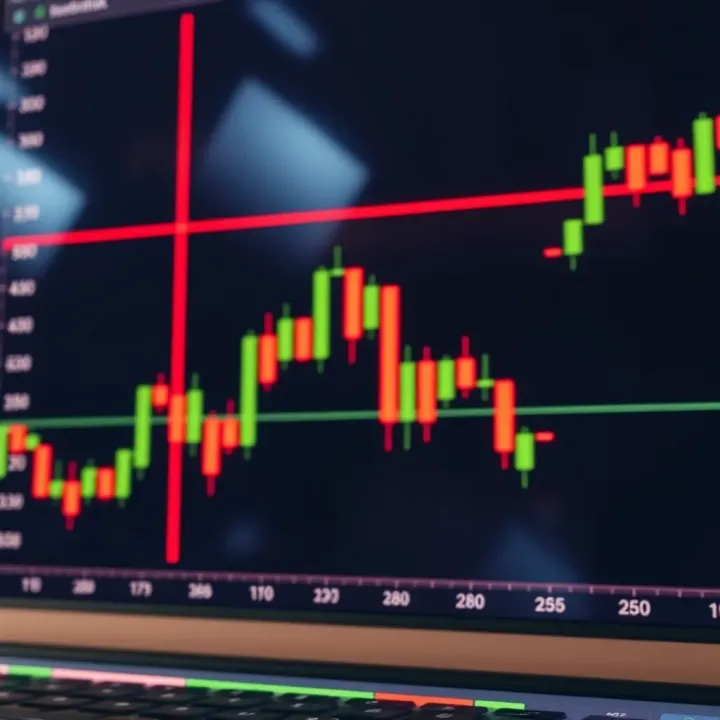
Understanding Candlestick Patterns in Trading
📈 Discover how candlestick patterns reveal price moves in trading markets. Learn key bullish and bearish signals to spot trends and reversals in Nigeria and beyond.
Edited By
James Harwood
Reading candlestick patterns is a fundamental skill for traders, investors, analysts, and brokers aiming to understand market sentiment and price movements. Unlike simple line charts, candlestick charts provide detailed insights into the price action within a specified time frame, whether it be minutes, hours, or days.
A candlestick consists of four key points: the opening price, closing price, high, and low. These form a rectangular body and thin lines called wicks or shadows above and below. The colour and size of the body, as well as the length of the wicks, hold important clues about the battle between buyers and sellers.
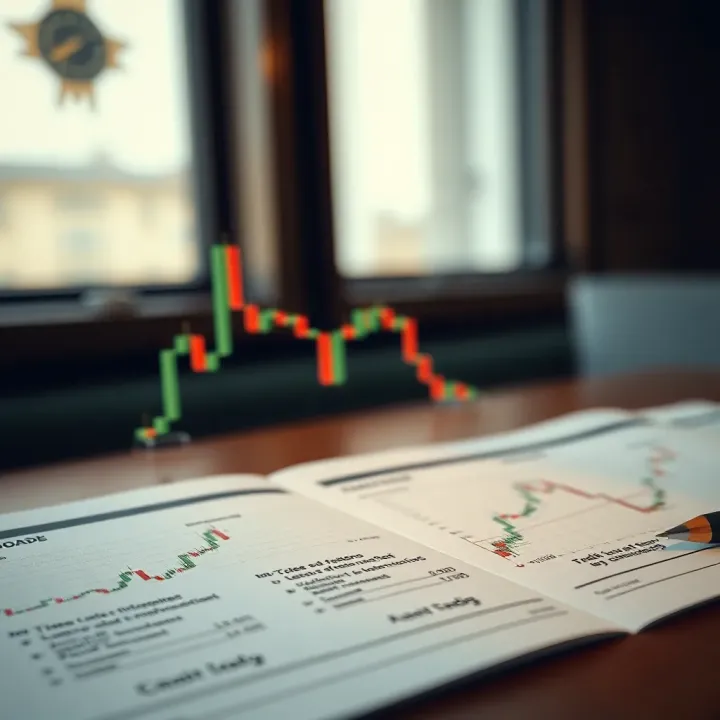
Candlestick patterns are not just random shapes; they represent psychology and power struggles in the market that happen every second.
Understanding patterns like the Hammer, Shooting Star, Doji, Engulfing, and Morning Star, among others, allows you to anticipate potential reversals or continuation of trends. For instance, a Hammer appearing after a price drop could hint at a bullish reversal, whereas a Shooting Star after a rise may signal a bearish turn.
Here's what to watch for when analysing candlestick patterns:
Body size and colour: Long bodies indicate strong buying or selling pressure. A green (or white) body typically shows the price closed higher than it opened, while a red (or black) body means the opposite.
Wick length: Long upper wicks suggest sellers pushed the price down after an attempt to rally, while long lower wicks indicate buyers defended the price after a dip.
Pattern context: One or two candlesticks rarely provide the full picture. Observing them within the broader trend and volume confirms if the pattern is significant.
For South African traders, applying these insights can improve timing entries and exits, potentially safeguarding investments from surprises like sudden price spikes or drops caused by unpredictable events or loadshedding impacts on market hours.
Next, we'll break down specific candlestick patterns, sharing how they function and real-life examples you can spot on your trading platform. By mastering these patterns, you’ll better decode charts from local equities on the JSE to global forex pairs.
Stay tuned to sharpen your chart-reading skills, with practical tips tailored to Mzansi’s trading environment.
Getting a solid grasp of candlestick basics is a must for anyone keen on reading price charts properly. Candlesticks offer more than just open and close figures – they're like snapshots of market sentiment, showing the tug-of-war between buyers and sellers over a set period. This gives you an edge when you spot trends, reversals, or pauses in the market.
A candlestick's main part, the body, reflects the range between the opening and closing prices within the chosen timeframe. If the close is higher than the open, the body usually appears hollow or light in colour; if it’s lower, the body is filled or coloured dark. Extending from the body are the wicks (or shadows) – the thin lines indicating the highest and lowest prices hit during that timeframe. For instance, a candle with a long upper wick and small body suggests sellers pushed prices down from the highs.
Understanding these components helps you quickly gauge whether bulls or bears held sway during that period, which is essential for deciding when to enter or exit trades.
Each candlestick summarises four key prices: open, close, high, and low. The open sets where the candle’s body starts; the close sets where it ends. The high marks the top of the upper wick, the highest price traded, and the low marks the bottom of the lower wick. In a 15-minute chart of a JSE-listed stock, a candle might open at R120, hit R125 at its peak, dip to R118 at its lowest, then close at R123.
Traders use these points to understand intraday volatility and momentum. A large gap between high and low with a small body signals price rejection, while a large body with short wicks implies clear buying or selling pressure.
Colours provide a quick guide to market direction during the period. Typically, a green or hollow candle means the price closed higher than it opened — a bullish sign. Conversely, a red or filled candle indicates a bearish close, where sellers dominated. But colour settings can vary on trading platforms; some may use blue and red or other schemes.
Keep an eye on sequences where multiple bullish candles follow each other in an uptrend or bearish candles stack in a downtrend. That helps confirm momentum and assists with smarter timing.
The body size reveals the intensity of trading pressure. Longer bodies show strong conviction by buyers or sellers, while shorter ones hint at hesitation or consolidation. Wicks, by contrast, tell you about price rejection. For example, a candle with a long lower wick and short upper wick suggests buyers stepped in to push the price up after sellers tested the lows.
In practice, spotting a series of candles with shrinking bodies and growing wicks might warn you of an approaching pause or reversal.
Candlesticks can mirror trader psychology. Doji candles, with nearly equal open and close, often signal indecision — the bulls and bears are evenly matched. On the flip side, big bullish or bearish candles represent strength, showing who held the upper hand.
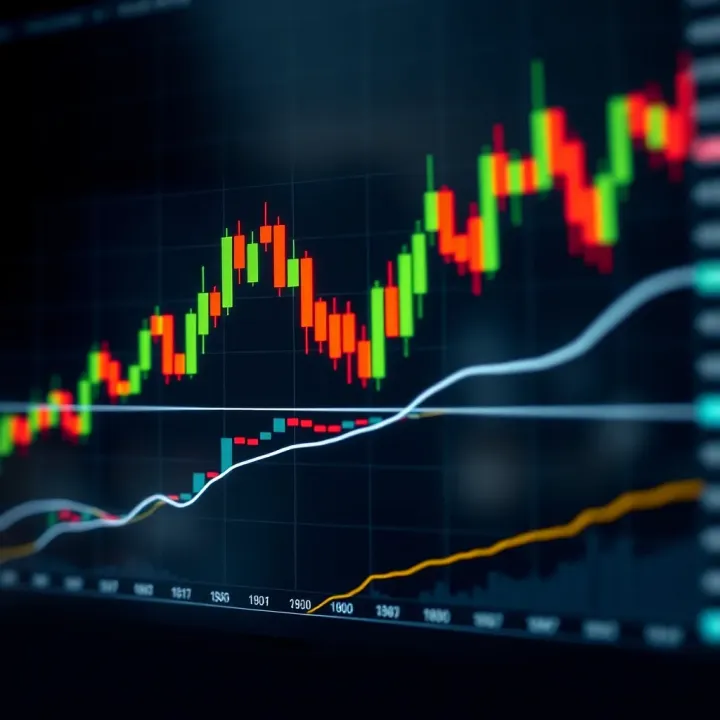
Reversal patterns, like hammers or shooting stars, arise when wicks appear at extremes, often at the end of an up or downtrend. Such signs help traders adjust positions or tighten stops.
Reading candlesticks isn’t just about spotting shapes — it's about interpreting what the market’s participants might be thinking. This practical understanding adds a real edge to your trading approach.
Single-candlestick patterns offer quick yet powerful signals about market sentiment and potential price moves. They’re especially useful for traders who want to grasp immediate market psychology without waiting for multiple candles to form. These patterns reveal shifts in buyer and seller strength, which can hint at pauses, indecision, or possible trend reversals.
Understanding single-candle formations helps avoid misreading price action. For example, a doji or hammer can catch subtle changes in momentum that might be missed by traditional indicators. Traders often use these signals alongside volume and trend context to make smarter entries and exits.
A doji candle is identified by its tiny body and long wicks, signifying that the opening and closing prices are nearly the same. This shape shows that neither bulls nor bears had the upper hand during the trading period. It’s like a tug of war ending in a stalemate.
The key takeaway is dojis mark indecision but don’t guarantee a reversal on their own. In an uptrend, a doji suggests buyers are losing conviction, but you need confirmation from the next candle to act. Conversely, in a downtrend, a doji might signal sellers are exhausted.
In practical terms, spotting a doji near support or resistance areas often carries more weight. For instance, a doji formed at a previous high could hint that a reversal is brewing. Still, rely on confirmation rather than jumping straight into a trade.
Both hammer and hanging man candles have small bodies near the top with long lower shadows. The difference lies in the trend context: a hammer appears at a downtrend’s base, indicating potential bullish reversal, while a hanging man shows up after an uptrend, warning of a possible bearish turnaround.
To tell them apart, look at the preceding price action. The hammer suggests buyers are stepping back in after persistent selling, often seen as a bargain-hunting signal. The hanging man signals that sellers showed strength late in the uptrend, possibly foreshadowing a pullback.
For example, a hammer forming on the 1-hour chart of a stock after a steep decline may encourage intraday traders to buy. On the other hand, a hanging man near an all-time high demands caution, hinting at a weakening rally.
Spinning tops have small real bodies with upper and lower wicks of similar length, reflecting a standstill between buyers and sellers. The balance of forces suggests the market is taking a breather but hasn’t decided on a clear direction.
Their appearance in an existing trend implies hesitation. If a spinning top emerges after a strong bullish run, it might warn the advance is losing steam. Traders often treat these candles as signals to tighten stops or prepare for a possible pullback.
A spinning top right at a key support or resistance level gains even more significance. It’s a sign the fight for control might be intensifying, potentially leading to a reversal if subsequent candles confirm the pattern.
Remember: Single candlestick patterns like dojis, hammers, and spinning tops shine brightest when used alongside other analysis tools. Alone, they offer clues; combined, they help you read the market’s next move more clearly.
Multiple-candlestick patterns offer deeper insights into market sentiment than single candles alone. By observing how two or more candles interact, traders can spot potential trend reversals, continuations, or pauses with greater confidence. These patterns help avoid rash decisions based solely on one candle’s shape and instead provide confirmation from a short sequence of price action. This section focuses on key multi-candle formations like engulfing, morning and evening stars, and harami patterns — each carrying distinct signals about where the market might head next.
Bullish engulfing explained with examples
A bullish engulfing pattern occurs when a small bearish candle is immediately followed by a larger bullish candle that completely covers the previous candle’s body. This suggests strong buying momentum has entered, often after a downtrend or period of consolidation. For example, in a JSE share chart, spotting a bullish engulfing after a string of lower closes could indicate a shift towards upward movement. Traders might see this as a cue to enter or add to long positions.
Bearish engulfing and its significance
The bearish engulfing is the inverse: a small bullish candle followed by a larger bearish candle that swallows the former. This signals sellers taking control, hinting at possible reversals in an uptrend. In local context, say on a retail stock impacted by loadshedding concerns, a bearish engulfing pattern may warn of a forthcoming dip. Traders often use this to tighten stop-losses or consider short positions.
Three-candle formation and what it tells traders
Morning and evening stars are three-candlestick patterns revealing shifts from bearish to bullish (morning star) or bullish to bearish (evening star) trends. They consist of a long candle in the prevailing direction, followed by a short-bodied candle signalling indecision, and then a strong candle in the opposite direction. This sequence indicates momentum is fading and a reversal could be underway.
Identifying these patterns in real charts
Look for these stars around support or resistance levels, increasing their reliability. For instance, in a FinTech company’s chart, a morning star during a dip near a known support level may confirm buyers stepping in. Practically, spotting such a pattern can encourage traders to prepare for a reversal, perhaps timing an entry before the broader market catches on.
Appearance and meaning of bullish and bearish harami
The harami pattern shows a large candle followed by a smaller one completely inside the previous candle’s body. A bullish harami during a downtrend signals weakening bearish strength, while a bearish harami in an uptrend suggests buyers are losing grip. The small candle represents hesitation before the market changes course.
How to use harami patterns to anticipate trend changes
Traders use haramis to anticipate reversals but typically seek confirmation from subsequent candles or volume. For example, a bullish harami on a gold mining stock amid volatile commodity prices may warn of a short-term bounce. Rather than acting on the pattern alone, combining it with support levels or moving averages enhances decision-making.
Multiple-candlestick patterns add layers of insight into price action. They require context and confirmation but remain reliable tools to spot shifts in market mood and potential trend changes.
These patterns, when studied properly, can enhance your trading toolkit, especially on JSE or international shares. Always assess alongside volume and other indicators to back up your calls and manage risk effectively.
Candlestick patterns offer valuable insights into market sentiment and potential price movement. Yet, they're most effective when integrated into a broader trading strategy rather than used on their own. Applying these patterns strategically means combining them with other tools and managing risk carefully to increase your chances of consistent profits.
Using moving averages alongside candlestick patterns can offer clearer entry and exit signals. For instance, spotting a bullish engulfing pattern above a rising 50-day moving average tends to be more reliable, as the average acts as dynamic support signalling an ongoing uptrend. Similarly, identifying candlestick reversals near key support or resistance levels on the chart adds weight to those signals. It’s like having a double nod from price action and a technical boundary.
Avoiding false signals requires confirmation from multiple sources. Candlestick patterns, by themselves, can sometimes mislead, especially in choppy markets or during low volume. Traders often wait for a subsequent candle to confirm the pattern or check volume spikes to validate the move. For example, a hammer forming after a downtrend may not be enough; confirmation might come in the form of a higher close the next day paired with increased volume, signalling real buyer interest.
Setting effective stop-loss orders is crucial when trading on candlestick patterns. Place your stop-loss just below the pattern's low if it's a bullish signal, or just above the pattern's high if bearish. This strategy limits losses if the anticipated reversal or continuation doesn’t pan out. For instance, after entering on a bullish engulfing candle, a stop-loss slightly below that candle’s lowest point helps manage risk without being too tight to avoid premature exits.
Position sizing also matters, especially in volatile markets like the JSE where unexpected swings can happen due to local economic shifts or loadshedding. Adjust your trade size smaller when the market is unpredictable or when the distance to your stop-loss is larger, ensuring your overall risk per trade remains within your comfort zone—commonly 1-2% of your trading capital.
Consider a recent trade where a bullish engulfing pattern appeared on a retail stock chart just after the price bounced off its rising 20-day moving average. The trader waited for the engulfing candle's close and confirmed the signal with above-average volume. Entering at the close, they set a stop-loss just below the engulfing candle's low. The price rallied over the next few sessions, making a tidy profit before reaching the next resistance level.
In another example, a hammer formed on a financial sector share after a sharp pullback during a weak quarter. The long lower wick indicated buyers stepping in at the lows. Confirming the pattern, the trader entered early the next day with tight risk management, benefiting as the price recovered sharply, turning a cautious entry into a profitable position.
Integrating candlestick patterns with solid indicators and strict risk control isn't just smart—it's essential for trading success. You’re not guessing; you're responding to clear price signals combined with confirmed market context.
When trading with candlestick patterns, it's easy to slip up by misreading signals or overreacting to too many patterns at once. Avoiding these common mistakes can save you from costly errors and make your trading more consistent. Let's look at two key pitfalls: misreading patterns in low-volume conditions and overtrading based on an overload of signals.
Volume is a crucial factor that often gets overlooked when interpreting candlestick patterns. Trading volume measures how many shares or contracts change hands during a given period. A high-volume candle confirms the price action is backed by strong market interest. Without sufficient volume, a candlestick pattern may signal something that's not truly supported by the market.
For instance, consider a bullish engulfing candle spotted during a long downtrend, but the volume is unusually low. This could be a false alarm since not enough buyers have stepped in. In contrast, if the same bullish engulfing pattern appears on high volume, it has a better chance of marking a genuine reversal. That’s why volume confirms the reliability of patterns.
Signs that a pattern might mislead you include candles that form quickly with small volume or during quiet market hours when liquidity is thin. These patterns often lack the muscle to drive a sustained move. Traders should pause and wait for volume confirmation before entering trades solely based on such signals. Ignoring this can lead to chasing fake breakouts or reversals.
Candlestick charts can offer a buffet of signals, but chasing every pattern rarely works out. Balancing pattern signals with the overall market context is key. Always consider the bigger picture—trend direction, key support or resistance levels, and broader market news.
For example, in a strong downtrend, multiple small bullish patterns may appear, but the trend might still dominate. Jumping on every bullish hint could result in losses. Instead, recognise that some patterns serve as brief pauses rather than full reversals.
Ignoring broader trends is risky because candlestick signals often act as local clues within a bigger market story. If you trade against a dominant trend without additional confirmation, you might find yourself fighting the tide. Remember, even the clearest patterns can falter if the overall market environment is unsupportive.
Avoiding these pitfalls means not just learning candlestick patterns but understanding how they fit into real market conditions. Effective trading comes from combining pattern insight with volume, trend analysis, and disciplined decision-making.
By recognising low-volume traps and keeping your trading scope focused, you enhance your chances of identifying genuine opportunities rather than noise. This approach helps craft a practical, resilient strategy in the unpredictable world of trading.
📈 Discover how candlestick patterns reveal price moves in trading markets. Learn key bullish and bearish signals to spot trends and reversals in Nigeria and beyond.

📈 Master all candlestick patterns in trading with our detailed guide. Learn how market moves shape signals for better trading decisions. Suitable for every trader.
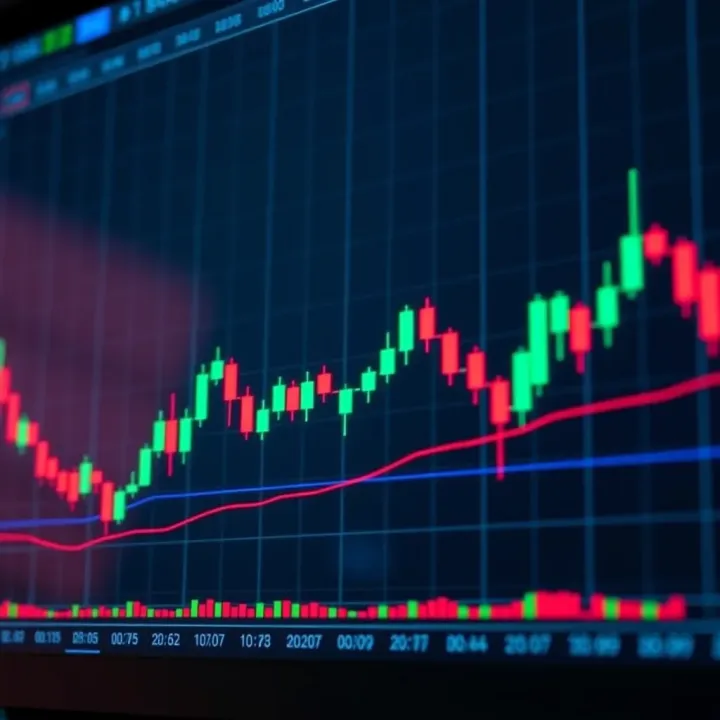
📈 Learn to spot continuation candlestick patterns that signal if trends will hold. Practical insight for South African traders seeking clearer chart signals.

📈 Learn how Nigerian traders can spot key candlestick patterns 🔍 to read the market mood and make sharper trades in local and global markets with confidence.
Based on 14 reviews