
Complete Guide to Candlestick Patterns in Trading
📈 Master all candlestick patterns in trading with our detailed guide. Learn how market moves shape signals for better trading decisions. Suitable for every trader.
Edited By
Oliver Mitchell
Candlestick charts stand out as one of the most effective tools for traders who want to understand market trends better. Originating from Japanese rice traders centuries ago, these charts display price movements in a way that’s easy to read and insightful. Each candlestick shows the opening, closing, high, and low prices for a specific period, giving traders clues about the battle between bulls and bears.
For Nigerian traders, mastering candlestick patterns can greatly improve market decisions, whether dealing with stocks on the Nigerian Exchange (NGX), forex, or commodities like crude oil. Since market moves often reflect collective trader psychology, candlesticks help decode this behaviour, allowing you to anticipate possible price directions.
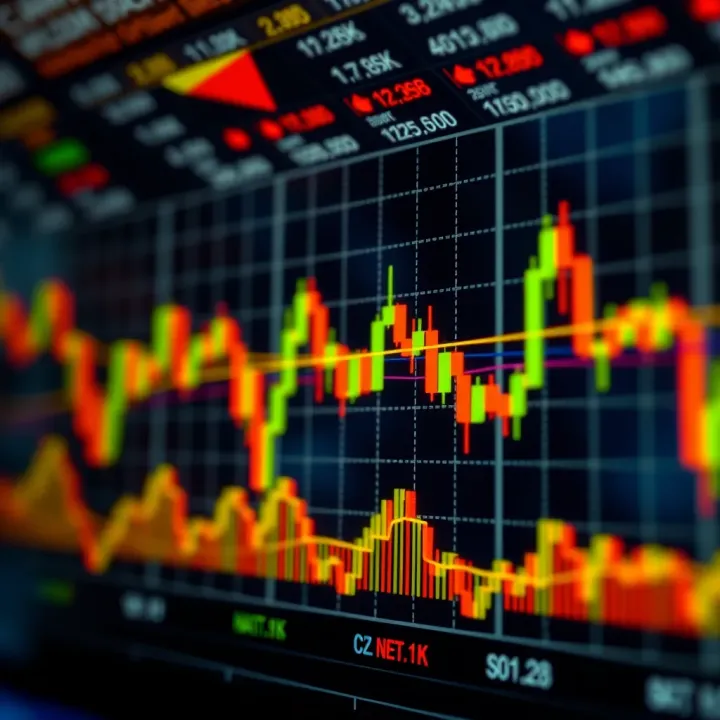
The Body: Indicates the price range between the opening and closing for the period. A filled (usually red or black) body shows a bearish period (price drop), while an empty or green body suggests a bullish period (price rise).
Wicks (Shadows): The thin lines above and below the body represent the highest and lowest prices within that time. Long wicks may signal rejection at those price levels.
Understanding these basics is your first step towards spotting meaningful candlestick patterns that signal potential reversals or continuations in price.
Common beginner patterns include the Hammer, Shooting Star, Engulfing, and Doji. For example, a Hammer with a long lower wick and a small body near the top might indicate that sellers pushed prices down but buyers regained control, possibly signalling a bullish reversal.
In Nigeria's fast-moving markets, combining candlestick analysis with other indicators like volume, moving averages, or even news on naira volatility can strengthen your trade setups. For instance, seeing a bullish Engulfing pattern on NGX-listed stocks alongside increased trading volume often confirms strong buying interest.
Getting comfortable with these patterns requires practice and attention but offers a more confident approach to trading — helping reduce guesswork and emotional decisions.
Next up, we'll examine some high-impact candlestick patterns Nigerian traders encounter regularly and how to apply them practically to local and international markets.
Candlestick charts have become an essential tool for traders, investors, and analysts worldwide. They distil complex market data into simple visual shapes, helping you quickly grasp price movements and trends. For anyone aiming to make smarter trading decisions in Nigerian and global markets, mastering candlestick charts is a practical step towards sharper market analysis.
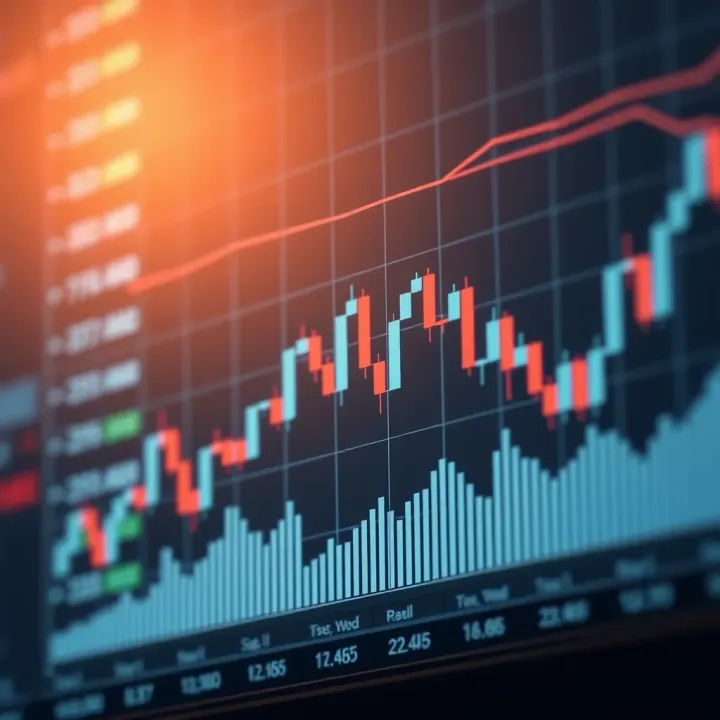
Candlestick charts are price charts that represent price action for a specific period using shapes called candlesticks. Each candlestick encapsulates four vital pieces of information: the opening price, closing price, high, and low within that time frame. This format offers a clear summary compared to traditional line charts that only track closing prices.
In practical terms, candlestick charts help you spot patterns that suggest possible price moves ahead. They serve not just to report past trading but to highlight signals that traders can use to anticipate future shifts — a key advantage when trading stocks, forex, or commodities on the Nigerian Stock Exchange (NGX) or other platforms.
Each candlestick consists of a body and shadows (wicks). The body represents the price range between the opening and closing, while the shadows show the high and low within that same period. When the close is higher than the open, the candlestick usually appears bullish (commonly filled with green or white); when the close is lower, it is bearish (often red or black).
For example, during a volatile trading day on Nigerian equities, a long lower wick might indicate buyers stepping in after early selling pushed prices down. This pattern can hint at a possible price reversal and encourage traders to look for buying opportunities.
Candlestick charts offer superior visual clarity compared to basic line or bar charts. They pack price action data into an intuitive graphic that is easy to interpret at a glance. For Nigerian traders juggling multiple market instruments, this clarity minimizes analysis time and helps avoid confusion during fast-moving sessions.
Unlike line charts that connect closing prices only, candlesticks reveal the intraday battle between buyers and sellers. This richer picture aids in swiftly identifying momentum shifts, support and resistance levels, and potential entry or exit points.
Candlestick formations reflect the mindset and emotions of market participants. Patterns like Doji or Hammer capture moments of indecision or rejection of price levels, signalling sentiment changes that often precede bigger moves.
For Nigerian traders, understanding these psychological cues is valuable. Markets here can react strongly to macroeconomic news like CBN monetary policy changes or political developments. Reading these subtle signs helps you stay ahead of the crowd and adjust strategies accordingly.
Candlestick charts do not just show price; they tell a story about market sentiment, providing a practical edge when reading the mood of a hectic Nigerian market.
In sum, candlestick charts are more than visuals — they’re tools for decoding market behaviour. Starting your trading journey with a solid grasp of candlestick basics sets a firm foundation for smarter, data-driven decisions.
Understanding the key components of candlesticks is vital for every trader aiming to read the market accurately. These components reveal how price moved during a specific trading period, giving clues about demand and supply forces shaping the market's direction. Nigerian traders, especially those active in volatile markets like the NGX or forex, benefit greatly from recognising these details before making trade decisions.
Open and close prices mark the core part of the candlestick called the body. The body shows the difference between the opening price at the start of the trading period and the closing price at the end. For example, if a stock opened at ₦150 and closed at ₦155 within the day, the body illustrates this upward move. This straightforward information helps traders identify whether buyers or sellers had control during that session. For instance, a longer body suggests strong momentum in the direction of the close.
The highs and lows within the trading period are represented by wicks or shadows—thin lines extending above and below the body. They tell you the highest and lowest prices reached before settling at the close. Suppose a share price opened at ₦150, touched ₦160 at its peak, dropped to ₦148 briefly, but finally closed at ₦155. The upper wick reflects the ₦160 peak, while the lower wick shows the ₦148 low. These extremes indicate market volatility and potential rejection points that traders should watch carefully. Wicks also help to identify hesitation or strong price rejection in a session.
Colour conventions are key to quickly understanding market sentiment. A bullish candlestick, signalling price increase, usually appears green or white. It indicates that the close was higher than the open. Conversely, a bearish candlestick is red or black, signalling price decline where the close is lower than the open. Some Nigerian charting platforms may differ slightly, but these colours help traders quickly grasp session outcomes without studying exact numbers.
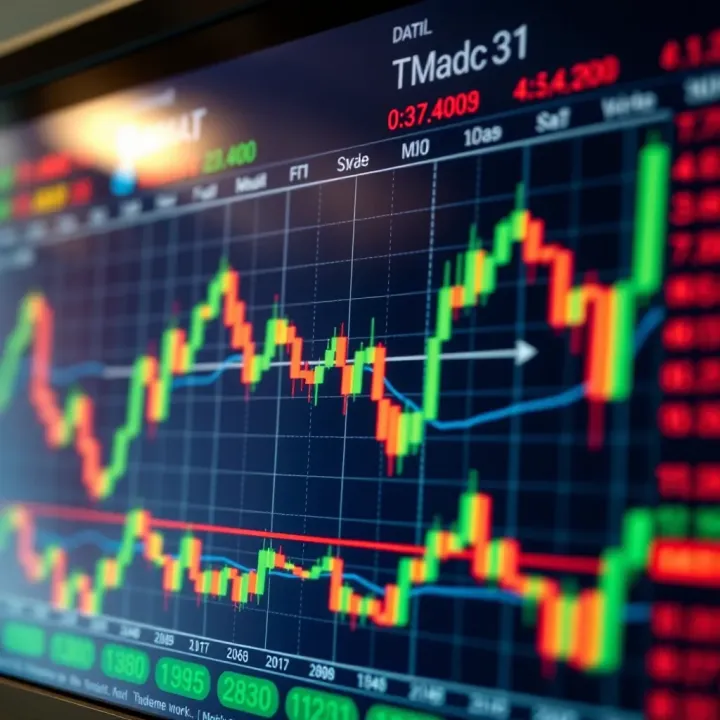
Market implications of each candlestick type vary. A bullish candle suggests buyers dominated, often marking an uptrend or potential upside continuation. For example, when Konga shares show several consecutive green candlesticks with long bodies during a rally, it confirms strong demand. On the other hand, a bearish candlestick points to selling pressure, potentially signalling price correction or a bearish trend. When you see Nigerian banking stocks like GTBank showing red candlesticks after a sustained rally, it could mean profit-taking or shifting sentiment. Recognising these patterns allows traders to adjust positions or confirm entry and exit points effectively.
Mastering these components allows traders to read market pulses clearly and make smarter, data-rooted trading decisions in Nigerian markets and beyond.
The candlestick body reveals open and close price dynamics.
Wicks show intraday highs and lows, signalling volatility.
Bullish (green/white) candles mean upward price movement.
Bearish (red/black) candles indicate downward pressure.
These basics form the foundation for spotting more complex candlestick patterns with confidence.
Single-candle patterns provide fast insights into market sentiment within one trading period. Recognising these patterns helps traders spot indecision, exhaustion, or potential reversals early, allowing for timely entries or exits. Nigerian traders, especially those active in volatile markets like the NGX or forex, can benefit from this quick visual feedback to make sharper decisions.
A Doji candle signals a tug of war between buyers and sellers, ending with prices closing near the opening level. This shows indecision or market balance, meaning neither bulls nor bears have control right now. For example, if you see a Doji after a strong price rally on a blue-chip stock like MTN Nigeria, it may tell you buyers are losing steam, hinting at a cautious moment ahead.
There are different Doji types worth knowing. The standard Doji has almost equal open and close prices with short wicks, reflecting balance. The long-legged Doji has extended wicks on both sides, showing greater price volatility and uncertainty during the period. The dragonfly Doji forms when prices close near the high after dipping lower, indicating buyers regained control. On the other hand, the gravestone Doji closes near the low after a higher open, hinting sellers dominating by the close. Identifying the variant helps you interpret the market nuance better.
Hammer and Hanging Man patterns are useful for spotting potential trend reversals. A hammer appears after a downtrend, with a small body near the top and a long lower wick, suggesting buyers stepped in strongly after sellers pushed prices down. For instance, during a naira depreciation scare, discovering a hammer in forex charts for USD/NGN could signal a possible rebound.
Conversely, a hanging man forms at the conclusion of an uptrend and looks like a hammer but signals possible weakness. It warns that selling pressure might be rising despite the recent rally. The pattern’s reliability increases when confirmed by the next candle’s price action.
Context matters here. A hammer within a sideways or uncertain market carries less weight, but at the end of a clear trend, it signals a shift. Nigerian markets often experience sudden news shocks—knowing these patterns helps frame whether price moves are short-lived or the start of a bigger change.
Spinning tops point to market indecision where neither buyers nor sellers dominate. They have small bodies and wicks on both sides, representing balanced struggle. This pattern often appears when the market pauses to reconsider direction.
For trading strategies, spinning tops encourage caution. They suggest avoiding impulsive trades because price could swing either way next. Traders monitoring highly active stocks like Dangote Cement or accessing forex via platforms like OANDA Nigeria should pair spinning tops with volume changes or technical indicators like RSI to decide the best move.
Spotting these single-candle patterns quickly in local and international markets equips you to recognise pauses or turning points. That insight sharpens your timing and helps avoid costly late reactions.
Multi-candle patterns carry significant weight because they reveal more reliable market signals than single candles. Traders who understand these patterns get a clearer picture of ongoing trends and possible reversals, making their decisions sharper. In Nigerian markets, where volatility can swing suddenly due to macroeconomic factors or policy announcements, spotting these multi-candle formations helps avoid rash moves based on incomplete data.
A bullish engulfing pattern appears when a small bearish candle is followed by a larger bullish candle that completely covers the previous one. This pattern signals a shift in control from sellers to buyers, suggesting a possible upward price trend. For example, if shares of a company listed on the Nigerian Exchange (NGX) are sliding and suddenly form this pattern near a support level, traders may spot an opportunity to buy before prices rise.
Recognising a bullish engulfing pattern provides a practical cue to enter long positions, especially when supported by increased trading volumes, common in some Nigerian stocks that react strongly to earnings reports or government policy changes.
Conversely, a bearish engulfing pattern forms when a small bullish candle is engulfed by a larger bearish candle. This indicates a shift from buying pressure to selling pressure, often foreshadowing a price drop. For instance, if the naira-dollar FX rate is stable but then shows bearish engulfing on a daily chart, traders might prepare for a possible depreciation spurt.
Traders in local commodities or stocks should watch for this setup as it can signal when it's smart to exit positions or tighten stop-loss orders to reduce risk.
The morning star and evening star patterns each involve three candles and indicate market turnarounds. The morning star signals the end of a downtrend and the start of a bullish move, with a small candle usually sandwiched between a large bearish and a large bullish candle. On the other hand, the evening star warns of an impending bearish reversal after an uptrend.
These patterns are especially useful in fast-changing Nigerian markets during earnings seasons, when price swings tend to be drastic and traders seek confirmation before jumping in or out.
Confirmation involves observing the volume accompanying these candles and additional indicators like moving averages. A morning star followed by high trading volume and a break above a moving average strengthens the bullish reversal claim. Equally, an evening star confirmed by volume spikes and falling RSI (Relative Strength Index) gives traders confidence to expect declining prices.
This step reduces false signals and helps traders avoid costly mistakes common in closely watched markets like banking or oil sectors.
Three white soldiers describe three consecutive, solid bullish candles each closing progressively higher with small wicks—signalling strong buying momentum. In contrast, three black crows show three descending bearish candles in a row, pointing to persistent selling pressure.
For example, during a rally in fintech stocks on the NGX, spotting three white soldiers can encourage traders to hold or add to positions, anticipating further gains.
Seeing these patterns means traders should pay attention: three white soldiers often suggest that the uptrend will maintain its strength, offering opportunities to ride the wave. Conversely, three black crows warn of continuing declines, suggesting a time to review stop-loss levels or consider short positions where possible.
Both patterns help traders manage trade entries and exits more strategically, improving outcomes in Nigeria’s sometimes unpredictable markets.
Recognising and acting on multi-candle patterns can greatly improve your timing and reduce risks. Always combine these with volume and other indicators for the best edge.
Understanding how to apply candlestick patterns in Nigerian markets can significantly refine your trading edge. The naira's volatility, local economic factors, and unique market dynamics shape price behaviours differently compared to more stable environments. Knowing how to read patterns within this context helps traders make more informed decisions rather than blindly copying techniques from foreign markets.
The naira’s wide fluctuations against major currencies often lead to sudden market shifts that traditional candlestick signals might not fully capture. For example, a bullish engulfing pattern on a Nigerian equities chart could quickly be overtaken by currency-driven shocks such as sudden exchange rate adjustments or forex scarcity. Nigerian traders need to pair pattern recognition with a keen eye on FX market developments to avoid being caught off guard.
Additionally, price movements on the Nigerian Stock Exchange can exaggerate the length of candlestick wicks due to intermittent liquidity and speculative trades. This can make reversal signals like hammer or shooting star patterns less reliable unless confirmed by other factors.
Nigeria’s economy is sensitive to government policies including subsidy adjustments, election cycles, and petrol price changes. These can provoke rapid shifts in investor sentiment, making pattern interpretation more challenging. For instance, a seemingly bullish morning star pattern may fail if sudden policy announcements push sell orders across sectors.
Sector-specific developments such as changes in oil production quotas or agricultural output also influence price action differently than general market trends. Traders should therefore consider macroeconomic news alongside candlestick setups to avoid false signals.
Volume data reveals how much activity supports a price move indicated by a candlestick pattern. In Nigeria, volume spikes can confirm the strength of trends or reversals. For example, a strong volume on a bullish engulfing pattern in banking stocks suggests genuine buying interest rather than a brief spike.
Ignoring volume can lead to overestimating weak patterns, especially in thinly traded stocks or during low market hours influenced by power outages and local holidays.
Using moving averages alongside candlestick patterns can filter noise in volatile Nigerian markets. A bullish candlestick pattern crossing above a 50-day moving average often attracts more buyers, while a bearish pattern below this average could signal increased selling pressure.
Traders typically watch the 20-day and 50-day moving averages to spot trend directions and validate reversal patterns, improving timing for entries and exits.
RSI measures the speed and change of price movements, identifying overbought or oversold conditions. Combining RSI with candlestick signals sharpens decision-making. For example, a hammer appearing when RSI is below 30 often signals a stronger potential reversal than the hammer alone.
Traders in Nigeria should monitor RSI especially in sectors prone to momentum swings, like consumer goods during ember months, to time trades better.
Relying entirely on candlestick patterns without considering broader market context is risky. Nigerian markets respond to complex factors including political developments, forex availability, and power challenges that can override technical signals.
A rising three white soldiers pattern may look promising, but if the naira is crashing or government policies threaten investor confidence, losses can deepen. Successful traders combine technicals with fundamental insights.
Candlestick patterns depend on market context like prevailing trend and volume. Misreading a doji as a reversal signal during low liquidity periods or ignoring the presence of strong support/resistance levels can lead to poor trades.
For example, a morning star pattern on a downtrend may not signal an immediate turnaround if the sector faces structural issues or economic sanctions. Nigerian traders must interpret patterns within the unique backdrop of local market forces.
Successful trading in Nigerian markets means blending candlestick awareness with local realities. This balanced approach improves accuracy and protects you against costly mistakes.
📈 Master all candlestick patterns in trading with our detailed guide. Learn how market moves shape signals for better trading decisions. Suitable for every trader.

Explore how binary bots automate trading in Nigeria 🇳🇬. Learn their types, benefits, risks, programming basics, and tips for safe use. Trade smarter today! 🤖
📉 Learn to spot bearish candlestick patterns that signal market dips. Boost your trading skills with clear insights tailored for Nigerian traders! 🇳🇬
Learn how bearish reversal candlestick patterns signal price drops in trading 📉. Gain practical tips to spot trends and trade smarter in Nigeria’s markets.
Based on 11 reviews