
Forex Trading Guide for Nigerian Investors
Explore forex trading essentials for Nigerian investors 🇳🇬. Learn market basics, strategies, risk management, broker choices, and regulations. Start smart!
Edited By
Daniel Cooper
Trading forex can feel like navigating a dense jungle without a compass—especially if you're trading in Nigeria's fast-paced market. Choosing the right trading indicators isn't just a casual decision; it directly influences your ability to make sense of price movements and time your trades well.
In this guide, we'll break down what forex indicators really are, explain the popular ones you’re likely to run into, and talk about how combining them smartly can improve your trading edge. This isn't about throwing fancy tools at the screen but about picking the ones that fit the Nigerian trading scene and your own style.
Think of this as your map to cutting through the noise. By the end, you’ll have clearer insight on how to read the market signals, avoid common pitfalls, and set yourself up for better decision-making in your forex trades. Whether you’re a newbie or someone with some trades under your belt, understanding these basics plays a big role in stepping up your game.
To really make a dent in forex trading, Nigerian traders need a solid grasp of what trading indicators are and how to use them effectively. Indicators aren't just fancy charts or numbers; they play a practical role in decoding market moves. When used wisely, they give you a clearer picture of price movements, helping you spot opportunities faster.
Forex indicators are tools based on mathematical calculations that analyze past and current price data. Think of them as your trading compass—they don’t predict the future, but they point out where the market's heading or how strong a move is. For example, the Moving Average indicator smooths out price data to show the overall trend direction. This helps traders avoid jumping in during random price blips.
These indicators serve as signals that help traders decide when to enter or exit trades. Say, you’re watching the Relative Strength Index (RSI): if it shows the market is overbought, that might mean the price is due for a drop and it’s time to consider selling. They’re not standalone solutions but valuable tools to confirm your gut feeling or strategy.
One of the biggest headaches for traders is figuring out which way the market is moving. Indicators like the Average Directional Index (ADX) help by measuring trend strength. If ADX is high, it shows a strong trend, meaning it's usually safer to ride the wave rather than fight it.
Getting in and out at the right moment can be the difference between a win and a loss. Tools like Bollinger Bands can show when prices are likely to bounce back or break out. For example, when the price touches the lower band, it might be a buy signal if other factors align.
Protecting your capital is just as important as making profits. Indicators help spot potential reversals or volatile moments where risk tends to spike. The Average True Range (ATR), for instance, measures market volatility, letting you adjust your stop-loss levels accordingly.
Effective use of forex indicators doesn’t mean blindly following them. It means understanding what each tells you about the market and matching that with your trading style and goals.
In Nigeria's fast-moving forex market, knowing your tools and when to use them can save you from chasing phantom trends or getting caught in sudden reversals. That’s what mastering forex indicators is all about—using numbers to back up your next move instead of leaving it to chance.
Forex trading indicators come in all shapes and sizes, and knowing which ones to rely on can make all the difference, especially for Nigerian traders facing dynamic market conditions. Different indicators tell different stories about the market. Some reveal the current trend, others show the market's momentum, volatility, or the volume behind price moves. Picking the right type depends largely on your trading style and goals.
Think of indicators as different tools in your trading toolbox. You wouldn’t use a hammer to turn a screw, right? Similarly, trend indicators suit direction-focused strategies, while momentum or volatility indicators help spot potential reversals or breakouts.
Moving Averages (MAs) smooth out price data by averaging past prices, helping traders spot the overall direction without the noise of short-term fluctuations. For example, the 50-day moving average tells you the average price over the last 50 periods and is widely used to determine if a currency pair is in an uptrend or downtrend.
For Nigerian traders dealing with volatile pairs like USD/NGN or EUR/USD, MAs offer a simple guide to understanding market direction. Crossing points, where a short-term MA crosses over a long-term MA, often signal potential buy or sell opportunities.
The ADX is a bit like a market strength gauge. It doesn't tell you the direction but rather how strong the current trend is, whether up or down. An ADX reading above 25 usually indicates a strong trend, making it easier for traders to decide whether to stick with a directional trade or hold off.
In busy markets like Nigeria’s forex scene, where sudden shifts can happen due to economic news or oil price changes, ADX helps traders avoid choppy, indecisive periods and focus on clear trends.
RSI measures how fast and how far prices have moved recently to assess if the market is overbought or oversold. It ranges from 0 to 100, with levels above 70 suggesting the market is overbought (and might dip) and below 30 indicating oversold conditions (and potential bounce back).
For Nigerian traders watching pairs like GBP/USD or USD/ZAR, RSI helps in timing entries and exits. For instance, an RSI hitting 80 might be a warning sign not to jump in a long position without caution.
The Stochastic Oscillator compares a currency pair’s closing price to its price range over a set period. It’s particularly handy for spotting possible reversal points by signaling whether the market is overbought or oversold.
This indicator shines in markets that frequently test support and resistance, much like the popular USD/NGN market where prices can swing widely. It’s a good tool for day traders looking to catch quick moves.
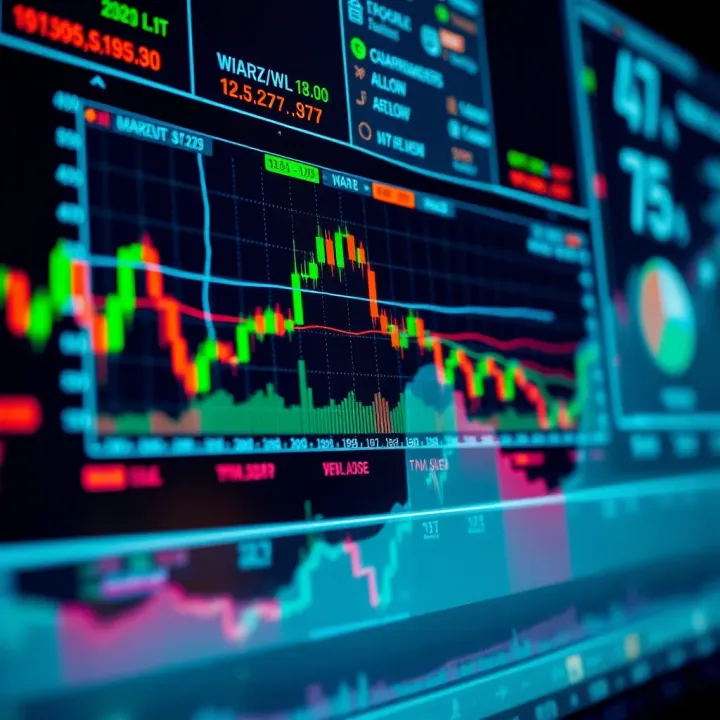
Bollinger Bands add a couple of lines a set distance from a moving average, creating a channel that reflects market volatility. When the bands widen, it signals high volatility; when they contract, markets are quiet.
In the Nigerian forex scene, where unexpected political or economic stories can cause quick spikes in volatility, Bollinger Bands help traders anticipate potential breakouts or breakdowns.
ATR quantifies the average price movement over a period, offering a straightforward measure of volatility. It doesn’t indicate direction but tells how much a currency pair tends to move, which is crucial when setting stop losses or taking profit.
For example, if the ATR for USD/NGN shows a daily average move of 200 pips, a trader would know to adjust their strategy to accommodate such swings, avoiding premature stop-outs.
OBV tracks buying and selling pressure by adding volume on up days and subtracting it on down days. It complements price action by showing whether volume confirms price moves.
In markets popular with Nigerian traders where liquidity might dry up during certain hours, OBV can help confirm if a price rally is backed by solid trading volume or just low-volume noise.
VWAP provides the average price a currency pair has traded at throughout the day, weighted by volume. It’s a favorite for intraday traders wanting to understand whether the current price is fair relative to the day’s traded volume.
Using VWAP, Nigerian traders can identify good entry points during the day — for example, buying when prices dip below VWAP in a rising market, expecting a bounce back.
Each of these indicators has a distinct role but choosing the right one comes down to understanding your trading style and market conditions. Mixing indicators intelligently can improve your edge but relying on too many can lead to confusion rather than clarity.
By recognizing what each indicator brings to the table, Nigerian traders can better tailor their strategies and navigate the forex market with greater confidence.
Picking the right indicator largely depends on how you trade. It’s not a one-size-fits-all deal. Whether you’re scalping the market for quick wins or sitting tight with position trading, the tools you use must line up with your style. For Nigerian traders, this means understanding your own approach first before getting tangled up in countless indicators. The right match makes all the difference—helping you avoid noise and focus on clear signals that actually matter.
Every trader has a rhythm, and your trading style sets the pace. Here’s a quick look at the major approaches and what makes them tick:
Scalping: Imagine trying to grab nickels in a stream—that’s scalping. It’s a lightning-fast style, making multiple trades a day to capitalize on tiny price changes. Scalpers rely heavily on indicators like the Relative Strength Index (RSI) or Stochastic Oscillator, which help spot overbought or oversold conditions quickly. For Nigerian markets that can be choppy during certain hours, scalping can work well during peak liquidity periods.
Day Trading: Holding positions throughout the day but closing by market end, day trading needs timing and clear signals. Indicators such as Moving Averages or Bollinger Bands help day traders spot trends and volatility shifts. Since Nigerian traders may deal with forex pairs like USD/NGN or EUR/USD, keeping an eye on news during the day is vital too.
Swing Trading: This style rides price swings over several days or weeks. Swing traders look for bigger moves, often using trend-following indicators like the Average Directional Index (ADX) and MACD (Moving Average Convergence Divergence). For Nigerians, this style suits those who don’t want to stare at charts all day but still want steady gains over time.
Position Trading: If you’ve got patience and focus on long-term growth, position trading is your game. It’s holding trades for weeks to months, relying on broad market trends. Indicators like long-term Moving Averages or Fibonacci retracements guide these trades. This approach suits traders who want to ride currency waves affected by Nigeria’s economic events, like oil price changes or central bank policies.
Indicators must fit the strategy like a glove. Using the wrong indicator can cause confusion and missed opportunities.
Which indicators suit short-term trading: Scalpers and day traders benefit most from momentum and volatility indicators. Tools like RSI, Stochastic Oscillator, and Bollinger Bands provide quick insight into market momentum and overextension. For example, if RSI is showing oversold conditions on the USD/NGN pair during Lagos market hours, a short-term trader might jump in for a quick profit.
Which work for long-term trends: Swing and position traders need indicators that highlight sustained trends and help avoid short-lived noise. Moving Averages with longer periods, ADX, and MACD are reliable here. These indicators give Nigerian traders clues on when a trend is strengthening or weakening, helping to hold positions confidently through market swings without panic.
Choosing indicators aligned with your trading timeframe and goals clears out irrelevant signals. This keeps your trading sharp and focused, especially in a market as dynamic as forex in Nigeria.
In short, understand your pace, pick indicators that fit, and stick to them. This makes the difference between chasing ghosts and catching genuine market moves.
Using multiple forex trading indicators together can greatly improve the accuracy of your trading decisions. Each indicator has its strengths and blind spots, so combining them helps paint a clearer picture of market conditions. For Nigerian traders, where markets can show fluctuations due to economic announcements or geopolitical tensions, having that extra layer of confirmation is especially handy.
Before diving into combinations, it’s important to understand that piling up too many indicators might lead to confusion, not clarity. The goal is to blend different types that complement each other — for example, a trend indicator paired with a momentum indicator — rather than just stacking a bunch of signals that clash or say the same thing twice.
When indicators give opposing signals, it can be like being caught between a rock and a hard place. For instance, one indicator might signal a buy, while another says sell. This kind of conflict muddies your decision-making and can lead to missed opportunities or losses. To steer clear of this, select indicators that analyze different aspects of price action. It’s best to avoid combining two indicators that rely on similar data points or methods because they often echo each other, leading to redundant or conflicting signals.
Also, stay mindful of the market conditions where certain indicators perform better. Some tools might work well in trending markets but fail in sideways ones. Recognizing this helps in choosing complementary indicators that balance out those weaknesses.
A smart pairing often involves one indicator that tracks the overall trend and another that signals momentum or potential reversals. For example, trend-following tools like Moving Averages show the direction of the market, while momentum indicators like the Relative Strength Index (RSI) indicate whether the current price move is overextended or gaining strength.
This combo lets traders confirm that the market is not only moving but has the power behind the move to sustain it. Another useful pair might be Bollinger Bands combined with the Moving Average Convergence Divergence (MACD), where Bollinger Bands show volatility and possible breakouts, and MACD helps confirm the momentum behind those moves.
The key is to understand what each indicator brings to the table and how they can together filter out noise and false signals.
This pair is a classic for a reason; it balances trend direction with momentum strength. Moving Averages smooth out price data to reveal the prevailing trend—say, using a 50-day Moving Average to spot medium-term direction. Meanwhile, RSI measures the speed and change of price movements, indicating overbought or oversold conditions.
Imagine you’re trading the USD/NGN pair. If the price stays above the 50-day Moving Average, that points to a bullish trend. Still, if RSI climbs above 70, it suggests the pair might be overbought and due for a pullback. Combining these two signals helps avoid jumping into trades at extreme points and improves timing.
Bollinger Bands are fantastic for spotting volatility and price extremes. When bands widen, it signals increasing volatility; when they contract, markets are calm. MACD compliments this by indicating momentum shifts and possible trend reversals.
Take a case where the Nigerian Naira against the Euro sharpens its movement. If the price touches the upper Bollinger Band and MACD lines cross downward, it’s a strong hint of a potential reversal or pullback. Conversely, a bounce near the lower band combined with a rising MACD can signal a buying opportunity.
Combining these lets traders capture breakouts or reversals with more confidence, avoiding traps where prices hover near key levels without clear direction.
Tip for Nigerian Traders: Test your chosen indicator combos on demo accounts before going live. Market behavior differs from one forex pair to another, so what works on EUR/USD might need tweaks for NGN pairs.
Using indicators together thoughtfully gives Nigerian traders an edge by confirming signals and filtering out noise. It’s about quality, not quantity — picking the right tools that talk to each other clearly helps you trade smarter, not harder.
When trading forex, especially in a fast-changing market like Nigeria’s, knowing how to use your trading indicators effectively can make a big difference. Practical tips help turn theoretical knowledge into something that actually improves your trading results. It’s not just about picking the “best” indicator but using it smartly to fit your trading style and market conditions.
For instance, a popular indicator might signal a trade, but without testing or adapting it, you could chase losses or miss better opportunities. These tips make sure you understand the limitations of each tool and how to get the most from them in the Nigerian forex environment, where market behavior sometimes throws curveballs.
Backtesting is like a dress rehearsal for your trading strategy. It means applying your chosen indicators on past market data to see how they would have performed. This step is crucial because it shows whether your setup can actually spot trades with a decent chance of success — or if it’s just wishful thinking.
For example, if your strategy involving the Moving Average and RSI combo often triggers false signals during volatile market periods, backtesting can reveal that before you risk real money. This helps avoid unnecessary losses and boosts your confidence in the tools you rely on.
Without backtesting, you’re just guessing. It grounds your decisions in actual evidence rather than hopes.
Several platforms make backtesting accessible for Nigerian traders. MetaTrader 4 and MetaTrader 5 are popular because they allow traders to run historical tests on custom indicator setups. You can rewind to specific periods and see how trades would have gone.
Other software like TradingView comes with user-friendly backtesting features and plenty of charting tools. Some brokers also provide built-in simulators, so you can try out different indicators without risking a dime.
Whichever tool you choose, the key is consistency. Regular backtesting keeps you sharp and ready to adjust your trading plan as market behavior shifts.
Markets aren't static, and neither should your indicator settings be. For example, if you use Bollinger Bands, the default period might not suit every market phase. When Nigeria’s forex market suddenly swings more than usual, tightening the bands or changing the moving average period can give signals that actually reflect the current volatility.
Adjusting settings means watching how indicators react and tweaking parameters so they stay relevant. It’s kind of like tuning a car engine when the road conditions change—without these tweaks, indicators might lag or give false alarms.
Understanding volatility is essential to knowing when to trust your indicators. Volatility spikes during political events or economic releases in Nigeria, which can cause wild price swings. In these phases, traditional indicators like the Average True Range (ATR) become especially useful because they measure how much prices are moving, not just direction.
Being aware of volatility helps you avoid overtrading during noisy periods and instead wait for clearer setups. For instance, if the ATR rises sharply, it might be wise to increase your stop-loss limits or reduce trade sizes to manage risk better.
Getting practical with your indicators means taking the time to test, adjust, and read the market's mood. It’s a process that saves you stress and money over time, making your trading more grounded and less guesswork.
By following these practical tips, Nigerian forex traders can sharpen their indicator strategies, respond better to market shifts, and avoid common pitfalls traders fall into when relying blindly on signals. The goal isn’t just to use indicators but to use them well in the real-world forex hustle.
Many Nigerian traders get tangled up in their forex strategies because of common errors with trading indicators. Understanding what to avoid is just as important as knowing which tools to use. Overlooking these pitfalls can lead to lost capital and missed opportunities.
Indicators are handy tools for reading market patterns, but leaning on them without considering the bigger picture is like trying to read a book by just glancing at a couple of pages.
Importance of fundamental analysis: Fundamentals give you the real ground on which the market stance rests—things like Nigeria’s economic reports, oil prices affecting the naira, and global events. For instance, if the Central Bank of Nigeria unexpectedly changes interest rates, technical indicators alone won’t catch the fundamental shifts influencing currency value. Incorporating fundamental analysis helps you stay informed of why the market moves, not just how it moves.
Balancing technical and fundamental insights: A solid strategy blends charts with context. A trader who spots an oversold RSI signal might hesitate if they’re aware of an upcoming major policy announcement. This balance lets you avoid jumping on false signals. Try to pair your indicator setups with basic news-checks or economic calendars. This combined insight keeps your trades grounded and less prone to surprise swings.
Sometimes, less really is more. Adding too many indicators or complex rules makes your trading feel like juggling—too much to handle and prone to dropping the ball.
Keeping it simple: Focus on a few well-understood indicators rather than cluttering your charts. If you’re starting out or even after some experience, clarity beats confusion. For example, using a moving average with RSI offers a clearer view without muddling your decision-making. This way, you’re less likely to freeze when signals conflict.
Avoiding excessive indicators: Piling up indicators usually results in mixed signals—one might say buy while another yells sell. That paralyzes your ability to act decisively. Stick to complementary tools that confirm each other rather than contradict. For example, pairing Bollinger Bands with MACD tends to work better than pairing three or four unrelated tools and guessing the right call.
Remember: Trading isn’t a test of how many tools you have but how well you use the ones you trust.
By steering clear of these common mistakes—using a balanced mix of analysis and keeping your setup straightforward—you’ll improve your chances of making sound decisions on the Nigerian forex stage.
Explore forex trading essentials for Nigerian investors 🇳🇬. Learn market basics, strategies, risk management, broker choices, and regulations. Start smart!
📈 Explore a practical guide to forex trading in Nigeria. Learn market basics, regulations, startup steps, risks, and tips for smart, safe trading.

Explore top mobile apps for forex trading in Nigeria 🇳🇬. Learn key features, security tips 🔒, and how to boost your trades effectively 📱📈.
🌍 Discover the key benefits of forex trading for Nigerian traders—from access and flexibility to diverse investment opportunities. Start trading smart today! 📈
Based on 6 reviews