

Introduction to Forex Trading in South Africa
💱 Get a clear view of forex trading in South Africa - learn how the market works, who takes part, risks involved, and key tips for beginners ready to trade currencies.
Edited By
Isabella Hughes
Online forex trading offers South Africans a chance to participate in the world’s largest financial market from the comfort of their homes. Unlike the JSE or bond markets, forex trades on a 24-hour cycle across global time zones, letting you react to shifting economic signals well beyond our own timezone.
That said, moving into forex trading without a clear understanding can expose you to unnecessary risks. The market is influenced by factors such as economic data releases, geopolitical events, and central bank decisions — including those from the South African Reserve Bank (SARB).
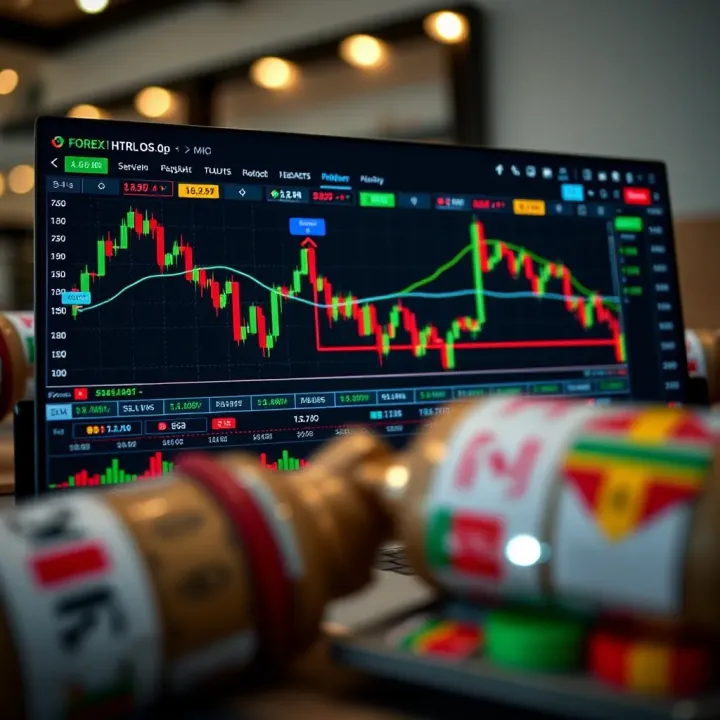
A key point for South African traders is choosing the right platform. Firms regulated by the Financial Sector Conduct Authority (FSCA) offer extra protection, making compliance a must-check before signing up. Plus, some international brokers may not immediately support rand (ZAR) accounts, which can affect your cost and withdraw fees.
It helps to distinguish between speculative trading and longer-term investment approaches. Forex trading often attracts short-term traders who aim to profit from currency fluctuations within minutes or hours, while investors might hold positions for weeks or months. Either way, a firm grip on managing your capital and risks defines success.
Getting started involves setting clear goals, understanding leverage limits, and familiarising yourself with trading tools and charts. Several broker apps popular in South Africa, like IG Markets or Plus500, provide demo accounts to practise without risking real money.
Remember: forex trading is not a shortcut to quick wealth, but a skill that requires patience, discipline, and ongoing learning.
Whether you’re an analyst looking to deepen market insights, a broker advising clients, or a newcomer exploring trading as an income stream, this guide will cover practical strategies, risk management tips, and the local regulatory landscape.
In this way, you can approach forex trading informed and prepared, rather than guessing and hoping. South African traders have plenty of opportunities — but only if they take the time to understand how the market ticks and how to protect their capital effectively.
Grasping the basics of forex trading is a smart first step for anyone looking to trade currencies online, especially in South Africa. This foundation clarifies how the market operates, helping you avoid costly mistakes and make better decisions from the get-go. Understanding key concepts, market structure, and terminology makes you more confident navigating forex platforms amid the specific challenges South Africans face, like local regulations and loadshedding.
Forex trading involves buying one currency while simultaneously selling another, effectively participating in a global marketplace where currencies are exchanged. Traders aim to profit from fluctuations in exchange rates.
Currencies are always traded in pairs—for example, the South African rand against the US dollar (ZAR/USD). This means when you buy ZAR/USD, you're buying rand and selling dollars, and vice versa. The movement of this pair’s exchange rate reflects how strong one currency is relative to the other.
The forex market works over-the-counter (OTC), meaning trades happen directly between participants rather than on a central exchange. This decentralised setup offers 24-hour accessibility but means that liquidity and rates can vary slightly between brokers.
Major global centres like London, New York, Tokyo, and Sydney each have peak trading sessions. For South African traders, this means key market moves often coincide with London’s session, which overlaps with local daytime hours during winter months, making it a busy and liquid period to trade.
Proceeding with caution is wise since the international timetable can affect price volatility. For example, economic news released during the New York session could cause sudden shifts when South African markets are open.
Pip – the smallest price move in a currency pair, usually the fourth decimal place, e.g. 0.0001. Traders track pips to measure profits or losses.
Spread – the difference between a currency pair’s buying and selling price. Narrow spreads mean lower trading costs; for instance, a ZAR/USD spread of 5 pips costs more than a pair with 1 pip spread.
Leverage – allows you to control a larger position with a smaller amount of capital. While leverage can increase gains, it also magnifies losses, so South African traders should be cautious, starting with low ratios.
Margin – the upfront collateral required to open a leveraged position. Maintaining sufficient margin ensures your trade stays open and reduces the risk of being stopped out during volatile moves.
Taking a long position means you expect the currency pair’s price to rise, so you buy first and sell later. For example, if you believe the rand will strengthen against the dollar, you buy ZAR/USD.
A short position means you expect the price to fall, so you sell first and buy later to close your trade. If you predict the rand will weaken, taking a short position on ZAR/USD allows you to profit from that fall.
Understanding these basics not only creates a solid trading foundation but also helps you navigate South Africa’s unique forex environment with greater confidence.
Starting with online forex trading in South Africa involves several key steps to lay a solid foundation. It’s not just about picking a broker and signing up; understanding the local trading environment helps you avoid pitfalls and gives you a sharper edge. This section covers how to find a reliable broker, set up your trading account properly, and prepare your technical setup — all tailored for South African traders.
Choosing a broker registered with the Financial Sector Conduct Authority (FSCA) is essential. The FSCA oversees financial service providers to ensure they comply with local laws, protecting South African traders from fraud and malpractice. For example, an FSCA-authorised broker must adhere to capital requirements and treat client funds separately from company funds, which reduces the risk of losing your money if the broker faces financial trouble. Always double-check the FSCA register before depositing funds.
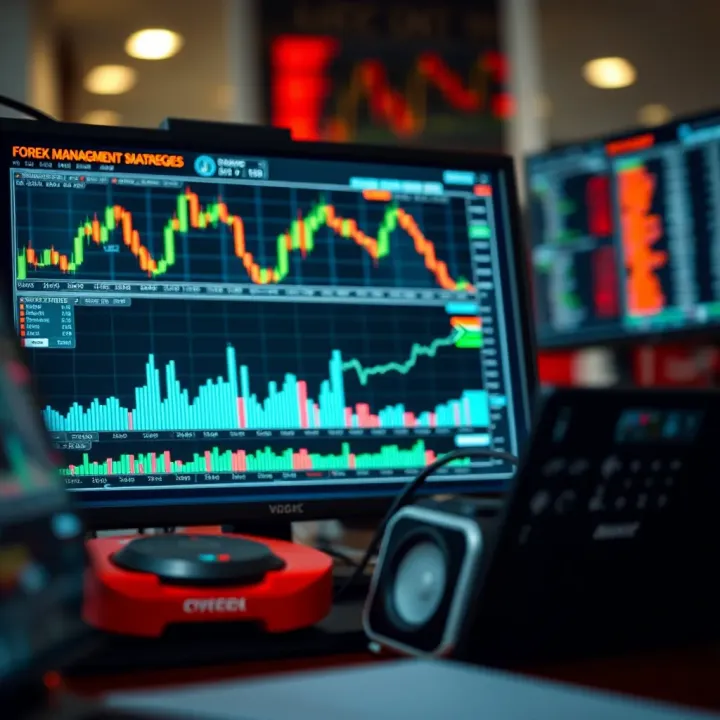
The trading platform is your main tool for buying and selling currencies. Look for user-friendly interfaces with real-time price updates, easy charting tools, and customisable alerts. Many South African brokers offer popular platforms like MetaTrader 4 or 5, which come with technical indicators and automated trading options. If you prefer mobile trading while on the go, ensure the broker’s app is reliable and offers all desktop features—nothing worse than missing a trade because the app couldn’t handle loadshedding interruptions.
Understand how your broker handles deposits and withdrawals, especially in Rand (R). Look out for fees involved in funding your account, which can eat into your trading capital. Some brokers charge deposit or withdrawal fees, while others pass on bank charges. Withdrawal speed matters too; nobody wants their profits hanging in limbo. For example, brokers offering simple EFT payments with quick processing times are more convenient for South African traders.
South African brokers must comply with the Financial Intelligence Centre Act (FICA). This means you’ll need to submit identification documents like your ID book or card, proof of residence (utility bill, bank statement), and sometimes proof of income. These steps prevent money laundering and identity theft but may take a day or two for verification. Submit your documents promptly to avoid delays getting started.
Funding your trading account in Rand avoids upfront conversion fees and gives you clearer control over your trading budget. Many brokers accept payments via EFT or credit card in Rands. When you deposit foreign currencies, fluctuating exchange rates might affect your available trading capital. Managing deposits in Rand keeps things simple and transparent.
Start with a demo account to test trading strategies without risking real money. Demo accounts mimic live trading conditions but use virtual funds. Once you’re comfortable with the platform and your methods, switch to a live account. Keep in mind demo accounts don’t always capture the emotional pressure of live trading or slippage during volatile times, so use them only as a learning tool.
Eskom’s loadshedding can disrupt internet access, which is a big risk when trading forex in South Africa. Consider a backup such as a mobile data connection or an uninterruptible power supply (UPS) for your modem and PC. Some traders even use portable power banks or solar setups to keep their devices online. Being offline during a price swing can cost you dearly.
Mobile trading apps like MetaTrader, ThinkMarkets, and IG offer excellent convenience, especially for traders who can't always be at their desk. These apps allow monitoring open positions, adjusting stop-loss levels, and placing new trades. South African traders should check if the app supports local payment methods and includes offline alerts to keep informed during spotty connections.
Data can be expensive or limited in certain areas, so managing your data usage while trading is important. Trading platforms that offer lite versions or offline chart downloads save on data. Avoid refreshing charts unnecessarily, and use Wi-Fi when possible. Some brokers also provide zero-rated data access via mobile providers in South Africa, which can help reduce costs.
Getting your online forex trading setup right from the start makes managing risks and spotting opportunities much easier, especially within the unique South African setting. Focus on choosing a trustworthy broker, preparing your account with all legal checks, and securing a solid technical base that can withstand load shedding and data challenges.
Effective trading strategies and tools form the backbone of successful forex trading. For South African traders, having a solid approach tailored to local market conditions can help manage the rand's volatility and navigate global influences more confidently. These strategies provide a blueprint on when to enter or exit the market, while tools like charts and indicators help make informed decisions rather than relying on guesswork.
Day trading vs swing trading: Day trading means opening and closing positions within the same trading day. It's fast-paced and demands constant attention, which can be tricky if your internet cuts out during a bout of loadshedding. This approach suits those who want quick results and can dedicate hours to monitor charts. In contrast, swing trading involves holding positions for several days or even weeks to capture medium-term price movements. This method fits traders who prefer a slower rhythm and the flexibility to trade around work or personal commitments.
Scalping basics: Scalping is a high-speed trading technique that focuses on small price movements, often holding trades for just minutes. It requires a reliable, low-latency connection since profits depend on swift execution. Scalpers often trade during high liquidity periods, for example when the London and New York sessions overlap. While potentially profitable, scalping demands discipline and can be stressful, making it less suitable for beginners or those with intermittent internet access.
Position trading overview: Position trading takes a long-term perspective, holding trades for weeks or months. This strategy relies heavily on fundamental analysis rather than short-term charts. For South African traders, it means paying close attention to macroeconomic trends like SARB policies or global commodity prices. Position trading suits those who want to avoid daily market noise and prefer steady growth over time.
Chart patterns South African traders can use: Popular patterns like head and shoulders, double tops and bottoms, and triangles offer clues about potential market direction. For example, spotting a double bottom on the USD/ZAR pair might indicate a price rebound, signalling a buy opportunity. Recognising these patterns helps traders anticipate moves rather than react after the fact.
Common indicators and how they work: Tools such as moving averages smooth price data to reveal trends, while the Relative Strength Index (RSI) can indicate overbought or oversold conditions. A trader might use a 50-day moving average crossover to confirm an upward trend in EUR/ZAR. Indicators are aids, not guarantees, so combining them with other analysis forms improves reliability.
Setting stop-loss and take-profit levels: Proper stop-loss orders help limit potential losses if the market moves against you. For instance, if you enter a trade on GBP/ZAR expecting a rise, setting a stop-loss 2% below your entry price can cap your downside. Take-profit levels secure gains automatically once a target price is hit, allowing you to stick to your trading plan without second-guessing.
Clear exit points are as important as entry points to safeguard your capital and ensure consistent profits over time.
Impact of SARB interest rate decisions: The South African Reserve Bank's decisions on repo rates can swing the rand quite sharply. Higher interest rates generally attract foreign investment, strengthening the rand, while cuts can weaken it. Traders keep an eye on SARB's statements and timing, using this info to adjust positions ahead of market reactions.
Economic data affecting the rand: Key reports like GDP growth, unemployment stats, inflation figures, and trade balances influence the rand’s value. For example, weaker-than-expected GDP growth can lead to rand depreciation as investor confidence falls. Staying updated on these local metrics helps you anticipate short-to-medium-term rand moves.
Global events and their effects: The rand reacts not just to South African news but also global trends. Commodity prices, US Federal Reserve policies, geopolitical tensions, and even natural disasters can affect risk sentiment and currency flows. For instance, a spike in gold prices often supports the rand due to South Africa's mining sector exposure. Understanding these wider factors complements local analysis for better trading decisions.
Having a sound grasp of trading methods, technical tools, and fundamental forces equips South African traders to approach forex with greater confidence and resilience.
Trading forex carries real risks, so managing those risks and protecting your capital is essential if you want to stay in the game over time. Without a solid risk plan, even a string of good trades can be wiped out by a single bad move. For South African traders, this means being mindful not just of the volatile nature of currency pairs but also how local factors like Eskom loadshedding or data costs could impact your trading decisions.
Leverage lets you control a large position with a relatively small amount of money. For example, with 1:100 leverage, you can trade R1,000 to control R100,000 in the market. This can boost profits when the market moves your way but is a double-edged sword — losses multiply just as quickly. If the rand suddenly weakens against the dollar, a small adverse move could wipe out your entire trading capital fast.
Because of this, tread carefully. Many beginners get lured by high leverage but end up losing more than they intended. Start with low leverage such as 1:10 or even 1:5 when you're learning. This limits your exposure and helps you manage losses while you build confidence.
Using stop-loss orders effectively is key to controlling potential losses. A stop-loss order automatically closes your trade if the market moves against you by a certain amount. Set stops logically based on market volatility rather than arbitrary figures. For instance, a stop-loss for a volatile pair like USD/ZAR may need to be wider than for a more stable pair.
Position sizing means determining the right amount to trade for each deal in relation to your total capital. A common approach is to risk only 1% to 2% of your account on any single trade. So, with R10,000 in your account, you'd risk no more than R100 to R200 per trade. This way, even a few losses won’t drain your funds.
Keeping your emotions in check makes a big difference, especially when the rand makes unexpected jumps. Greed, fear, or frustration can lead to rash decisions like chasing losses or overtrading. Establish a trading plan ahead of time and stick to it — don’t let emotions push you off course.
Risk management isn't a one-day thing but a daily discipline that protects your trading capital and sanity.
Watch out for scams and unregulated brokers. The Financial Sector Conduct Authority (FSCA) regulates legitimate firms; always check your broker is authorised to operate in South Africa. Unregulated brokers might offer tempting bonuses but can lock your money or manipulate trades.
Avoid overtrading and impulsive behaviour. Trading too frequently or without a clear reason quickly burns capital and fatigue. It's better to take fewer, well-planned trades than chase every market twitch.
Finally, keep learning. Markets change, and so should your strategies. Follow updates from local sources like MyBroadband forex threads or news affects SARB interest rates. Education is your best shield against unnecessary risks and will help you adapt as Mzansi’s forex environment evolves.
Managing risk effectively not only preserves your money but builds a strong foundation for long-term success in forex trading.
Navigating the regulatory landscape is a vital part of online forex trading, especially in South Africa where market rules aim to protect traders and maintain fairness. Understanding how regulations work and staying compliant helps you avoid pitfalls like scams or legal troubles, while also building confidence in your trading journey.
The FSCA is South Africa’s watchdog for financial services, including forex brokers. Their main job is to ensure that brokers operate fairly and transparently which directly benefits traders by offering a safer trading environment. For instance, an FSCA-authorised broker must stick to strict rules on how funds are handled, report regularly, and have systems in place to protect clients’ money from misuse.
For everyday traders, this means you’re less likely to fall victim to fraudulent schemes or brokers who disappear with deposits. FSCA’s presence also means that if issues arise, you have a regulatory body to turn to for help or mediation.
Before opening an account, checking if your forex broker is authorised by the FSCA is crucial. You can do this by visiting the FSCA’s online register, which lists all authorised entities. Using an unregulated broker poses significant risks such as difficulty withdrawing funds or lack of recourse in disputes. It’s best to stick with brokers fully licensed in South Africa or reputable international ones with transparent compliance.
Tax treatment of forex trading profits depends largely on whether SARS views your activity as capital gains or trading income. If you trade infrequently and treat your forex activities like an investment, profits may be taxed under capital gains tax, which currently effectively taxes 40% of the gain at your marginal tax rate. However, if trading is frequent and seen as a business, the full earnings are taxed as normal income.
Many traders overlook this distinction and end up scrambling at tax time. A practical approach is to keep detailed records of your trades, volumes, and outcomes. This not only helps with SARS reporting but also paints a clear picture to support your tax position if questioned.
SARS requires traders to declare forex earnings accurately and keep documentation such as account statements and records of deposits and withdrawals. Failure to comply risks penalties or interest charges. Using accounting software or professional advice specifically suited to forex trading can simplify this process.
South African brokers must comply with the Financial Intelligence Centre Act (FICA), which means you’ll go through verification checks before starting to trade. These procedures require submitting proof of identity and residential address, often through official documents like a South African ID and utility bill. This not only helps prevent money laundering but also protects your account from unauthorised access.
It’s worth noting that strict verification might feel like a hassle but it’s there for your safety and legal compliance. Keeping your documents up to date and submitting clear scans speeds up onboarding.
Protecting your personal information during this process is critical. Reliable brokers have encryption and privacy policies to safeguard your data. Avoid sharing sensitive details over insecure channels or with unverified parties. If a broker asks for unusual information beyond standard checks, be cautious. Good brokers will explain why certain information is needed and how it’s protected.
Staying on top of regulatory requirements not only keeps you safe but also helps ensure your forex trading experience is smooth and professional in the long term.
In summary, understanding and respecting South Africa's regulatory framework—from the FSCA through tax obligations to FICA compliance—is as essential as mastering trading strategies. It forms the backbone that supports a trustworthy and legal trading environment, so don’t overlook it.
💱 Get a clear view of forex trading in South Africa - learn how the market works, who takes part, risks involved, and key tips for beginners ready to trade currencies.
📈 Master forex & crypto trading in South Africa with practical tips, local regulations, risk insights & market tools for smarter investing decisions. 💰
💱 Learn how forex trading works for South African traders: understand currency pairs, manage risks, spot opportunities, and start trading confidently with local tips.
🌍 Explore live forex trading in South Africa with practical tips on real-time currency buying, risk management, essential tools, and local regulations for traders.
Based on 13 reviews