

Learn Forex Trading Online: Guide for South Africans
📈 Learn how to trade forex online with tips tailored for South Africans. Master basics, spot reliable resources, use demo accounts, and manage your risks effectively.
Edited By
Isabella Morgan
Learning crypto trading without spending a cent might sound too good to be true, but it's doable—especially if you're willing to invest time and effort. South Africans keen on entering this fast-moving scene can tap into plenty of free resources and tools to get started safely.
Begin with understanding the basic concepts like blockchain technology, wallets, exchanges, and market orders. Reliable sources such as Investopedia, Binance Academy, and CoinMarketCap offer beginner-friendly guides and videos that break down these essentials without jargon.

Once you’ve grasped the fundamentals, setting up a demo trading account is the next smart move. Platforms like Binance and Huobi provide simulators where you can practise trading with dummy funds, allowing you to get a feel for market swings and order execution without risking your cash. This practical step builds crucial skills like timing entry and exit points and managing risk.
Practice before risking real money is the best way to avoid costly mistakes and build confidence in crypto trading.
Joining South African crypto communities, such as those on Telegram, Reddit (r/CryptoCurrencyZA), or Facebook groups, can further your learning curve. These spaces are great for asking questions, sharing trading tips, and keeping up with local market trends and regulatory news.
To stay safe, focus on free resources that emphasise security practices, like setting up two-factor authentication (2FA) and recognising phishing attempts. Remember, many hacks arise from avoidable mistakes, not just market volatility.
Here's a quick list to kick off your journey:
Read up on crypto basics from trusted platforms.
Open a demo account on a reputable exchange and practise daily.
Engage with South African crypto trading communities online.
Learn about security best practices for wallets and exchanges.
Track market news and regulatory updates relevant to South African traders.
By following these steps, you can gradually build your knowledge and skills on a R0 budget. The crypto world is volatile and complex, but careful preparation helps you navigate with greater confidence and avoid the common traps many beginners fall into.
Grasping the basics of cryptocurrency trading is a must for anyone hoping to navigate this fast-moving market effectively. Without a solid understanding, you risk making costly mistakes or getting overwhelmed by the technical jargon and swift price movements. Knowing how crypto works, what influences price swings, and the tools available is the groundwork that supports every trading decision.
Cryptocurrency is digital money secured by cryptography, often decentralised through blockchain technology. Unlike traditional currencies issued by banks, cryptos like Bitcoin or Ethereum operate independently of a central authority. Trading cryptocurrencies means buying and selling them on various platforms, aiming to profit from price changes. For instance, you might buy Bitcoin at R400,000 and sell at R420,000, pocketing the difference.
Trading typically happens on exchanges—online platforms where buyers and sellers meet. Prices are determined by supply and demand in real time, making the market highly volatile. This volatility can be a boon or a bane, but understanding it is key.
Blockchain is the technology behind cryptocurrencies. Think of it as a digital ledger distributed across thousands of computers worldwide, recording every transaction transparently and securely. This decentralisation means no single entity controls the records, reducing risks of fraud or tampering.
In practice, blockchain ensures that when you trade crypto, each transaction is verified by network participants before being permanently recorded. This process takes a bit longer than traditional instant transactions but adds a layer of trust. For traders, understanding blockchain helps appreciate why cryptocurrencies are unique and why certain coins might perform differently depending on their network's reliability and speed.
Exchanges are the marketplaces where crypto trading happens. Some popular ones usable in South Africa include Luno, Binance, and VALR. They allow you to buy, sell, and swap coins. Knowing the differences between exchanges—fees, available coins, security—is vital to trading efficiently and safely.
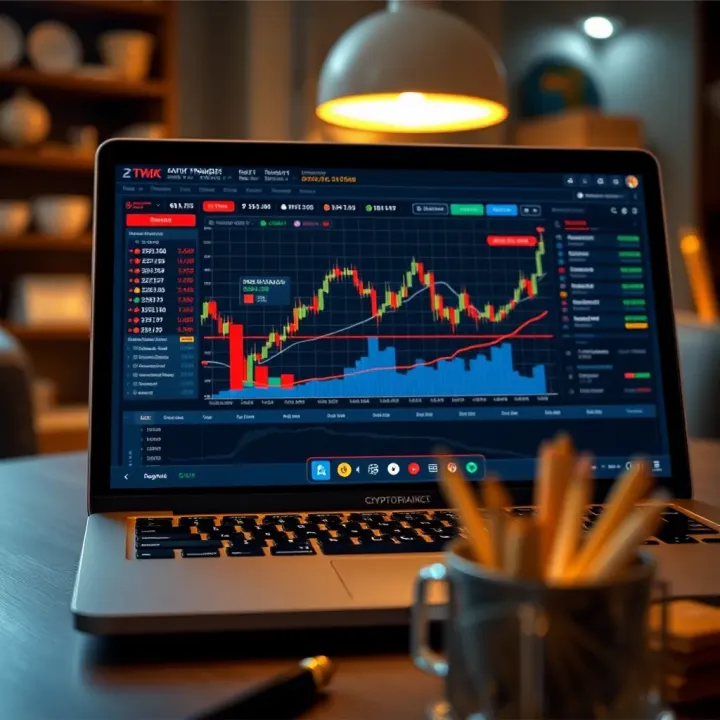
Wallets, on the other hand, are where you store your cryptocurrencies. They come in two main forms: hot wallets (online, linked to exchanges or apps) and cold wallets (offline, like hardware devices). While exchanges hold your crypto during trading, moving your coins to a secure wallet can protect them from hacks or exchange failures, especially if you’re not trading daily.
When you place a trade, you mainly choose between two types of orders. A market order buys or sells immediately at the best available price. This is straightforward but can lead to paying more or selling for less in highly volatile markets.
A limit order lets you set a specific price at which you want to buy or sell. For example, if Bitcoin trades at R400,000 but you only want to buy at R380,000, you place a limit order at that price. The trade executes only if the market hits your target. While limit orders provide more control and potentially better prices, they might not always fill if the market doesn’t reach that level.
Volatility refers to how much and how quickly a cryptocurrency’s price moves. High volatility means big swings—good if you’re looking for quick profits but risky for beginners as the market can change direction without warning. For instance, Bitcoin might jump or drop 5% in hours due to global news or regulatory changes.
Liquidity describes how easily you can buy or sell an asset without affecting its price much. Coins like Bitcoin and Ethereum have high liquidity, making it easier to enter or exit trades quickly. Smaller altcoins, common in South African exchanges, often have lower liquidity, potentially leading to price gaps or difficulties selling large volumes without losing value.
Knowing these basics helps you trade smarter, manage risks, and avoid surprises in the day-to-day hustle of the crypto markets. Start simple, learn steadily, and build from there.
Building your crypto trading know-how doesn’t have to cost you anything. With a huge range of free resources available online, you can get a solid footing before risking any real cash. These tools cover everything from understanding market basics to picking up the latest trends and strategies.
There’s no shortage of free platforms that break down crypto trading in clear, digestible terms. Websites like CoinGecko and Investopedia offer beginner guides and glossaries that make complex topics easy to grasp. Even platforms such as Binance Academy and Coinbase Learn provide interactive courses with videos and quizzes, which help you track your progress without spending a cent.
For South African traders, finding content tuned to local regulations and market nuances is handy. Websites like CryptoCoin Africa and SA Crypto Guru discuss the South African crypto landscape specifically, focusing on tax updates, legal matters, and relevant exchanges like Luno. This makes it easier to relate lessons directly to your trading decisions in the local market.
Visual and audio content can help you stay motivated and absorb information naturally. Channels like DataDash and Crypto Casey are beginner-friendly and tend to explain trading strategies in a straightforward style, making them great places to start. They often include chart walkthroughs and market analyses in real time.
Podcasts such as "Unchained" and "The Pomp Podcast" offer timely discussions about market movements, interviews with industry experts, and updates on global crypto trends. They’re easy to listen to while you’re on the move, keeping you informed without having to pause your day.
While many comprehensive crypto books come with a price tag, there are worthwhile reads available for free—especially digital ones. Titles like "The Bitcoin Standard" by Saifedean Ammous may have sample chapters accessible online. Likewise, articles published by respected outlets such as CoinDesk and The Block provide in-depth coverage on market dynamics and policy changes.
To find these free ebooks and articles, use e-libraries or free book platforms like Project Gutenberg for foundational blockchain concepts. University repositories and cryptographic research papers also offer technical insights without any charge. For South Africans, public libraries sometimes have digital lending services for accessing paid books without fees.
Taking advantage of free resources not only saves money but also lets you learn at your own pace and explore what suits your trading style best. Start small, stay curious, and keep updating your knowledge as the crypto market evolves.
Before diving into real-money trading, practising with simulated trades can make a big difference. It lets you learn the ropes without risking your hard-earned cash. This is where demo accounts and trading simulators come in, giving you a safe environment to experiment and build confidence.
Several platforms offer free demo trading specifically for cryptocurrencies. For instance, Binance and eToro provide virtual accounts loaded with fake funds you can trade with as if using real money. These platforms often mirror live market conditions, so you get a realistic experience of price swings and order executions. This is especially useful for beginners who want to test different strategies or understand how trades work without the stress of losing actual money.
Getting hands-on practice this way helps you understand how order types, fees, and market movements affect your trading. You’ll get to grips with buying, selling, and managing positions at your own pace. A simulator also lets you practise reading charts and monitoring trends, skills vital for crypto trading success.
Trading without a financial stake removes pressure and helps clear up emotional biases. When you’re working with fake money, you can take trades just to learn rather than out of fear or greed. This mindset shift is important because emotional trading often leads to poor choices and losses.
Besides building skills, demo trading can reveal if your approach suits volatile crypto markets. For example, if you consistently lose on sudden price drops even in a simulator, you know to rethink your tactics before real stakes are involved. That said, moving from demo to live trading requires a mental adjustment as real risk kicks in.
Keeping a trading journal plays a key role in your learning process. Writing down details of every trade — reasons for entering or exiting, emotions felt, and outcomes — makes your learning more deliberate. Over time, patterns emerge showing what works and what doesn’t in your strategy.
A journal doesn’t need to be complicated; a simple spreadsheet or notebook is enough. Some traders add screenshots of charts or notes on market conditions for context. This reflection helps avoid repeating mistakes and reinforces good habits.
Reviewing your journal regularly lets you analyse your performance realistically. You may find that certain setups lead to consistent wins or losses. For example, you might notice success when confirming trends with indicators but failures when trading impulsively during pump-and-dump events common in crypto.
Being honest about failures and wins without ego helps you improve steadily. Practising simulated trades, tracking them carefully, and reflecting critically creates a feedback loop crucial for steady progress. Soon enough, you’ll trade smarter, more prepared for the ups and downs of South Africa’s crypto scene.
Simulated trading is like a dress rehearsal before the actual show—it’s your chance to mess up, learn, and fine-tune your craft without paying the price. Take it seriously, and you’ll gain skills that pay off when real money enters the picture.
Connecting with other crypto traders and enthusiasts is a smart move when you're learning crypto trading. These communities offer real-time insights, practical advice, and diverse perspectives you wouldn’t easily find on your own. In South Africa, staying plugged into active groups can help you keep up with local developments, price shifts linked to regional factors, and regulatory news — all important for making informed trades.
South African crypto groups thrive on platforms like Telegram, Twitter, and Facebook. For example, Telegram hosts several active channels where traders share tips, discuss Bitcoin and altcoins, and debate market outlooks. Specifically, groups focused on Mzansi traders often cover topics like SARB regulations or Eskom loadshedding impacts on network uptime.
To make the most of these communities, engage actively by asking questions, sharing your own trade experiences, and respecting differing viewpoints. Avoid lurking in groups without contributing — the best learning comes from interaction. Also, keep an eye out for scams or overly hyped coins. Real traders tend to value evidence and reason, so trust what’s backed by clear info rather than hype.
Various platforms host free webinars tailored to beginners and intermediate traders. Look out for sessions from local exchanges like VALR or Luno, which often cover practical topics and regulatory updates relevant in South Africa. Webinars are great for hearing from experts, asking questions live, and following market trends without any cost.
Locally organised events, whether in Johannesburg, Cape Town, or Durban, offer excellent opportunities to network with fellow traders. Many crypto meetups focus on education and community building, sometimes combining casual braais with workshops. These events help build a support network — valuable when navigating challenges like volatile markets or new regulations. If you can’t attend in person, check if events offer virtual attendance.
Regularly engaging with communities keeps you sharp, expands your understanding, and connects you to practical support — crucial for success in crypto trading.
📈 Learn how to trade forex online with tips tailored for South Africans. Master basics, spot reliable resources, use demo accounts, and manage your risks effectively.

📈 Master forex & crypto trading in South Africa with practical tips, local regulations, risk insights & market tools for smarter investing decisions. 💰

💱 Learn forex trading basics, key players, risks, strategies & South African market tips. Get practical advice to navigate currency exchange confidently.
Ready to start forex trading? 🇿🇦 Learn key steps for South Africans: market basics, picking brokers, and managing risks confidently in global currency markets.
Based on 11 reviews