
Effective Forex Trading Tips for Nigerian Traders
📈 Explore practical forex strategies tailored for Nigerian traders. Master market analysis, manage risks, and boost trading success with proven tips!
Edited By
Henry Cooper
Forex trading, or foreign exchange trading, involves buying and selling currencies on a global market. In Nigeria, it has garnered attention as a way to profit from currency fluctuations, especially with the naira’s volatility against the dollar and other major currencies.
The foreign exchange market operates 24 hours a day, five days a week, connecting traders worldwide. Unlike the stock market, it doesn’t have a central location; instead, trades happen electronically via platforms provided by brokers. Nigerian traders typically use online brokers like FXTM, HotForex, or local alternatives that comply with Nigerian regulations.
Understanding forex in Nigeria requires knowing the key players and regulations involved. The Central Bank of Nigeria (CBN) influences the naira's exchange rate through monetary policy and market interventions, which impact forex prices. Meanwhile, the Securities and Exchange Commission (SEC) oversees brokers and ensures market compliance to protect investors.
Nigerian traders must recognise that forex trading carries both opportunities and risks. Sudden changes in global events or domestic policies affect currency values, making the market unpredictable.
To trade forex in Nigeria:
Open an account with a registered forex broker offering platforms like MetaTrader 4 or 5.
Fund the account using convenient local methods such as bank transfers or fintech wallets (e.g., OPay, Flutterwave).
Analyse currency pairs, such as USD/NGN or EUR/USD, using charts and market news.
Place buy or sell orders, aiming to profit from price movements.
Many Nigerians are drawn to forex for its accessibility and potential gains, but successful trading depends on discipline, research, and risk management. Familiarity with local market trends and understanding how global economic indicators like interest rates or oil prices affect currencies is vital.
Later sections will explore key topics such as how to pick a broker, manage risks, and navigate the Nigerian regulatory landscape effectively.
Understanding the basics of forex trading is essential for anyone looking to participate effectively in Nigeria's growing FX market. This foundation helps traders grasp how currency values fluctuate, how the market operates around the clock, and what terms and mechanisms drive their day-to-day trading decisions. In practical terms, knowing these basics will prevent costly mistakes and empower you to make informed trades, especially given Nigeria's unique economic landscape and regulatory environment.
Foreign exchange, or forex, refers to the global marketplace for buying and selling currencies. It is where one currency is exchanged for another, like trading US dollars (USD) for euros (EUR). This market underpins international trade and investments by enabling currency conversion. For Nigerian traders, forex trading means speculating on the movement of currency pairs, often involving the Nigerian naira (NGN) and major foreign currencies.
Currencies are traded in pairs—for example, USD/NGN or EUR/USD. The first currency is the base currency, and the second is the quote currency. When you buy a pair like USD/NGN, you are buying US dollars while simultaneously selling naira. The price shows how much of the quote currency is needed to buy one unit of the base currency. Understanding the dynamic between base and quote is crucial, as it directly affects profit and loss during trading.
Several terms often come up in forex, such as "pip", "spread", "leverage", and "lot". A pip is the smallest price change a currency pair can make, typically representing 0.0001 in USD-related pairs. The spread is the difference between the buy (ask) and sell (bid) price, marking the cost of the trade. Leverage allows traders to control larger positions with a smaller capital outlay but comes with increased risk. Knowing these terms helps you navigate trading platforms and understand your costs and risks accurately.
The forex market operates 24 hours a day, five days a week, because it spans multiple time zones. Trading starts in Asia, moves to Europe, and then shifts to North America, creating continuous market activity. For Nigerian traders, this means you can engage in forex trading practically any time of the day, adjusting to your schedule while taking advantage of different market sessions.
Major forex hubs influencing trading in Nigeria include London, New York, and Tokyo. London’s market opening at 8 am WAT (West Africa Time) often brings considerable activity affecting currency pairs involving the naira, largely because of London’s role as a global financial centre. Meanwhile, New York sessions influence the US dollar strongly, vital for pairs like USD/NGN.
The naira’s role in forex trading is complex due to Nigeria’s foreign exchange policies. The Central Bank of Nigeria (CBN) regulates access to foreign currency, which can result in the naira trading at multiple rates—the official rate and the parallel market rate. For traders, understanding this dual-rate system is key to making realistic profit calculations and managing risks related to naira fluctuations.
Knowing the basics of forex trading is not just academic; it directly shapes how Nigerian traders approach the market, especially given local challenges like exchange restrictions and market volatility.
This section lays the groundwork to appreciate how Nigeria’s forex market works, highlighting what every trader must know before diving in. From grasping currency pair mechanics to recognising the naira's peculiar position, these fundamentals help you trade smarter and safer.
Nigerians have increasingly taken to forex trading as a way to diversify income and tap into global markets from the comfort of their homes or offices. Understanding how Nigerians engage with forex trading sheds light on the practical steps, platforms, and regulations that affect their trading experience. This section focuses on the tools Nigerians use and the requirements they must meet to participate in this lively market.
Local and international broker choices play a big role in shaping the forex trading ecosystem. Nigerian traders often choose between locally licensed brokers and well-established international firms. Local brokers tend to offer services tailored to Nigerian market realities, including support for naira deposits and withdrawals. On the other hand, international brokers like IG, FXTM, and InstaForex provide access to broader currency pairs and advanced trading tools. Choosing the right broker depends largely on the trader’s priorities—such as better spreads, platform features, or the availability of educational resources.
When it comes to technology, mobile apps and desktop platforms are essential for modern trading. Most brokers offer both, allowing traders some flexibility. Mobile platforms are especially popular in Nigeria because many traders use smartphones while commuting on okada or danfo. Apps such as MetaTrader 4 and MetaTrader 5 remain favourites for both mobile and desktop, thanks to their intuitive interfaces, charting tools, and customisable indicators. Desktop platforms, meanwhile, typically deliver more in-depth analytical features, suited for serious traders who spend significant time monitoring the markets.
Payment methods and account funding are crucial factors since they directly impact how easily traders can start and maintain their activities. Nigerian traders benefit from brokers that accept popular local payment options such as bank transfers, USSD payments, and even e-wallets like OPay and PalmPay. Some brokers also facilitate deposits and withdrawals in naira, reducing FX conversion hassles. Fast and affordable payment methods help avoid delays in capitalising on market opportunities, which is vital given the fast-moving nature of forex.
To open a forex trading account in Nigeria, traders must meet key registration requirements including BVN (Bank Verification Number) and NIN (National Identification Number). These IDs help brokers comply with local regulations aimed at preventing fraud and ensuring legitimate participation. For example, a trader signing up with a Nigerian broker will provide their BVN and NIN to link bank details and verify identity.
After registration, verification and Know Your Customer (KYC) processes come into play. These steps involve submitting proofs like utility bills, government-issued IDs, and completed application forms. KYC ensures brokers understand their clients and can report suspicious activity as required by Nigerian financial laws. This process also protects traders by preventing identity theft and securing account access.
Before risking real money, new traders in Nigeria often start with demo accounts for practice. Demo accounts allow them to trade with virtual funds in real market conditions. This hands-on experience is practical for learning how to navigate platforms, test strategies, and build confidence without financial risk. Since many Nigerian forex beginners encounter scams or unreliable brokers, using demo accounts also helps verify the quality of trading software and services before committing.
Choosing the right platform and observing proper account verification are foundational steps for Nigerian traders seeking success and safety in forex trading.
In summary, Nigerian forex traders navigate a mix of local and international platforms, rely heavily on mobile accessibility, and benefit from payment options tailored to local realities. Meeting registration and KYC requirements is non-negotiable, while demo accounts provide a valuable playground for learning. These elements combine to support a practical and manageable entry into forex trading across Nigeria.
Regulations form the backbone of any financial market, and forex trading in Nigeria is no exception. Understanding the regulatory environment helps traders navigate safely and avoid legal pitfalls. With the naira’s unique position and the Central Bank of Nigeria's (CBN) policies, both local and global implications impact how forex trading operates in the country.
The CBN plays a critical role in shaping the landscape of forex trading in Nigeria. It regulates how foreign currency is accessed and exchanged, issuing rules that directly affect traders and brokers alike. For instance, the bank's official stance discourages unauthorised speculative forex trading, focusing instead on stabilising the naira and controlling foreign currency reserves. This means that while forex trading is legal, regulatory scrutiny is strict, and compliance with CBN policies is mandatory for all market participants.
Restrictions on access to foreign exchange by the CBN are designed to maintain financial stability. Since Nigeria is heavily import-dependent, the CBN prioritises forex allocation to sectors like oil and gas, manufacturing, and essential imports. This policy limits how much forex retail traders and investors can access through official channels. For practical purposes, this has led many Nigerians to turn to parallel market sources or rely on licensed brokers who have direct access to foreign currency through authorised dealers.
Alongside these, monetary policies such as interest rate adjustments and foreign reserve management influence forex trading opportunities. Tight monetary policy can lead to reduced liquidity in the market, affecting the volatility and tradability of currency pairs involving the naira. Traders should watch CBN announcements closely, as shifts in policy impact exchange rates and trading strategies.
Beyond the CBN, the Securities and Exchange Commission (SEC) supervises capital market activities, including certain forex trading instruments and derivative products. The SEC’s involvement ensures that brokers and trading platforms meet basic operational and ethical standards, protecting investors from fraud. Traders should look out for brokers registered with SEC Nigeria to guarantee they operate within the law.
The market is unfortunately riddled with scams, especially from unlicensed brokers who may offer unrealistic returns or operate without proper oversight. Such entities often disappear after receiving funds, leaving traders with losses. Avoiding these scams requires diligence—pay attention to regulatory warnings and blacklist updates issued periodically by both CBN and SEC.
To verify broker legitimacy, traders should check registration details on the official CBN and SEC websites or contact these bodies directly. Genuine brokers provide verifiable licence numbers and have transparent contact information and physical addresses. Using only licensed platforms helps avoid fraudulent schemes and ensures f adherence to Nigeria’s regulatory frameworks.
Always prioritise brokers licensed by Nigerian regulatory bodies—it’s a practical safeguard against scams in the forex market.
By understanding these regulatory and legal considerations, Nigerian forex traders can protect their investments, trade confidently, and stay compliant within the country’s evolving financial landscape.
Understanding the risks and rewards in forex trading is essential for Nigerian traders as it helps manage expectations and plan strategies effectively. Forex trading in Nigeria carries both substantial profit opportunities and significant risks due to market volatility and currency fluctuations, especially of the naira.
How leverage works and its effects
Leverage allows traders to control a large position with a small amount of capital. For example, a leverage of 100:1 means that with ₦10,000, you can control ₦1,000,000 in the forex market. While leverage can amplify profits, it also magnifies losses, making it a double-edged sword. Nigerian traders often use leverage carefully because naira volatility can cause rapid swings in trade values.
Examples of possible profits
Profits depend on the size of trades, leverage, market direction, and timing. For instance, a 1% positive move on a ₦1 million position with 50:1 leverage could yield around ₦50,000 in profit. Still, such gains are not guaranteed and require sound market knowledge. Forex trading is not a get-rich-quick scheme; consistent earning comes from discipline and understanding market trends.
Long-term vs short-term trading
Short-term trading, like scalping or day trading, involves making many trades within a day, aiming for small profits repeatedly. Nigerian traders who prefer this must react quickly to market news and technical signals. On the other hand, long-term trading takes weeks or months, relying more on fundamental analysis such as economic indicators and geopolitical events. Each style suits different risk appetites and capital sizes.
Volatility in currency markets
The forex market can swing suddenly due to global economic news, central bank decisions, or geopolitical tensions. For Nigerian traders, this volatility means prices can change sharply within minutes, increasing both profit and loss potential. To survive such swings, traders should avoid overleveraging and set stop-loss orders to limit potential downsides.
Impact of naira depreciation
The naira often experiences depreciation against major currencies like the US dollar. This affects forex trading because a weaker naira can inflate the cost of foreign currency trades and affect profit margins, especially when converting gains back to naira. Nigerian traders should consider these exchange rate risks and plan their entry and exit points accordingly.
Risk management strategies
Effective risk control is key for Nigerian forex traders. This includes:
Setting stop-loss and take-profit levels
Trading only with disposable income
Avoiding emotional decisions during market swings
Using demo accounts to test strategies first
Managing risk is not about avoiding losses but limiting them to preserve capital for future trades. Nigerian traders who master this tend to last longer in the market.
By recognising these risks and rewards clearly, Nigerian traders can approach forex trading with a practical, informed mindset, improving their chances of success over time.
Starting forex trading without a clear plan can quickly lead to losses. Practical tips help Nigerian traders build a strong foundation by focusing on realistic goals, well-chosen brokers, and sound trading strategies. These guidelines also prepare you to manage your finances intelligently and avoid common pitfalls.
Evaluating fees and spreads is essential because these directly impact your profitability. Some brokers charge low commissions but widen their spreads, making trades more expensive in the long run. For instance, a trader using a broker with a 2-pip spread on the USD/USD pair will pay more over multiple trades than one paying just 0.5 pips. Watching out for hidden fees, such as withdrawal charges or inactivity fees, also helps you avoid unexpected costs.
Customer support and local presence matter a lot in Nigeria's trading environment. Brokers with responsive customer service and local offices make it easier to resolve issues like failed deposits or withdrawal delays. For example, a Nigerian trader might find it helpful if the broker offers support during Nigerian business hours or through WhatsApp, a preferred messaging platform. Local presence also signals compliance with Nigerian regulations and reduces the risk of scams.
User reviews and reputation offer insights beyond official claims. Reading what other Nigerian traders say about a broker's reliability, execution speed, and withdrawal process can save you headaches. Platforms like ForexPeaceArmy or Trustpilot have countless reviews to help you assess trustworthiness. Remember, even a well-known brand in other countries may perform differently in Nigeria due to payment methods or regulation.
Technical vs fundamental analysis are the two main approaches to making trading decisions. Technical analysis looks at price charts, patterns, and indicators to predict short-term movements. For example, a trader might spot a head-and-shoulders pattern suggesting a fall in EUR/USD. On the other hand, fundamental analysis considers economic indicators like GDP figures, inflation rates, or CBN policy announcements impacting currency values in the longer term. Many successful traders in Nigeria combine both methods for better results.
Using demo accounts effectively lets you test strategies without risking real money. Since most brokers offer free demo accounts, you should spend enough time practising with virtual funds to understand platform features and to simulate market conditions. Treat demo trading seriously, not just a casual game, as it familiarises you with volatility, leverage, and order types before committing ₦.
Importance of continuous learning cannot be overstated. Forex markets evolve, new strategies emerge, and economic policies change. Staying updated by following Nigerian financial news outlets, joining forums, and attending webinars strengthens your trading skills. For instance, knowing how CBN’s exchange rate policies affect the naira can help you anticipate market moves.
Basing investments on disposable income means you only trade with money you can afford to lose. Given the volatility in forex, risking your rent or school fees is unwise and stressful. Starting small with, say, ₦10,000 and gradually increasing as you build confidence and skills helps you avoid financial hardship.
Keeping track of trading performance is a must. Recording your wins, losses, and the reasons behind them helps identify patterns and areas for improvement. You might discover that trading during Nigerian market hours suits you better or that certain currency pairs are more predictable.
Avoiding gambling mentality is crucial to long-term success. Forex is not about quick riches through impulsive bets. Rigorous analysis, discipline, and patience separate successful traders from those who lose after a few tries. Nigerians entering forex trading should resist chasing after every hot tip and focus on strategies backed by data and sound reasoning.
Starting forex trading in Nigeria requires a smart approach. Choosing the right broker, developing solid strategies, and managing money wisely can help you navigate the market safely and with realistic expectations.
📈 Explore practical forex strategies tailored for Nigerian traders. Master market analysis, manage risks, and boost trading success with proven tips!
🇳🇬 Discover smart forex trading tips & strategies tailored for Nigerian traders! Learn to pick brokers, manage risks, and trade confidently with ease. 📈
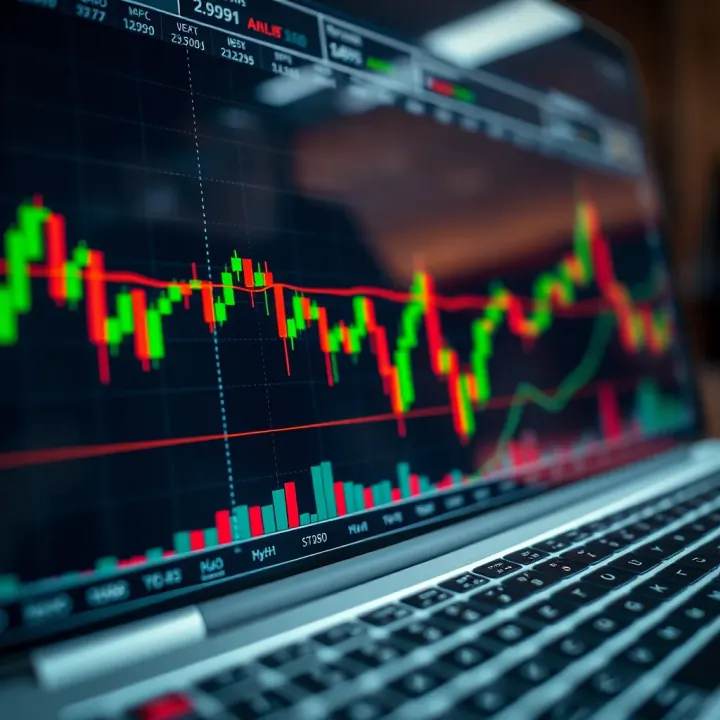
Explore proven forex trading strategies for Nigerians 🇳🇬, covering technical skills, risk management, and market psychology to boost your success 📈💡
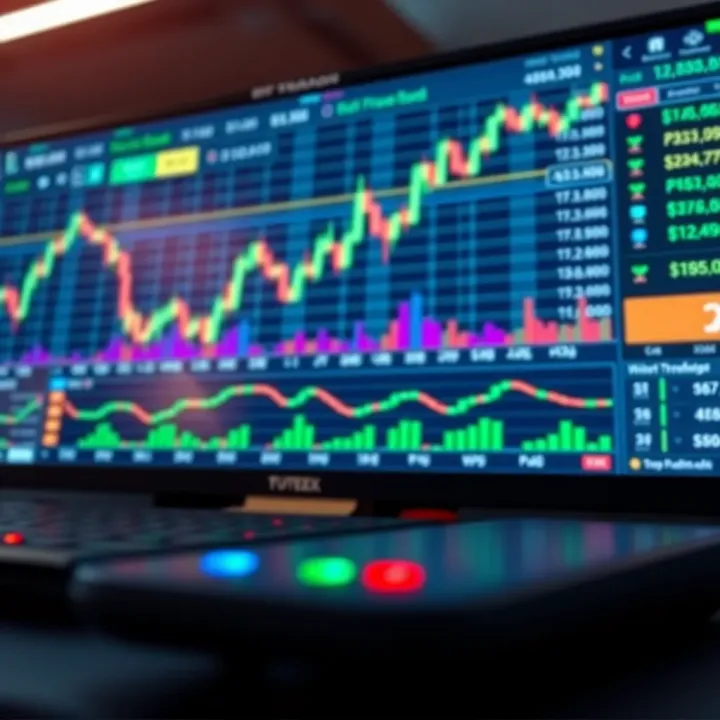
Looking for the best forex trading site in Nigeria? Discover how to pick secure platforms with low fees, great currency options, and reliable support 📈💰
Based on 10 reviews