
Effective Forex Trading Tips for Nigerian Traders
📈 Explore practical forex strategies tailored for Nigerian traders. Master market analysis, manage risks, and boost trading success with proven tips!
Edited By
Megan Davies
Forex trading in Nigeria has attracted major attention over the past decade, especially with the rise of fintech platforms and increasing internet access. However, many traders still wonder if forex trading is fully legal under Nigerian law. The answer is not straightforward, as regulatory frameworks here blend caution with opportunity.
The Central Bank of Nigeria (CBN) regulates forex activities, aiming to curb illegal foreign exchange dealings while permitting legitimate trading within defined rules. Forex trading itself is not illegal, but traders must operate under licenses and guidelines set by the CBN and other bodies like the Securities and Exchange Commission (SEC).
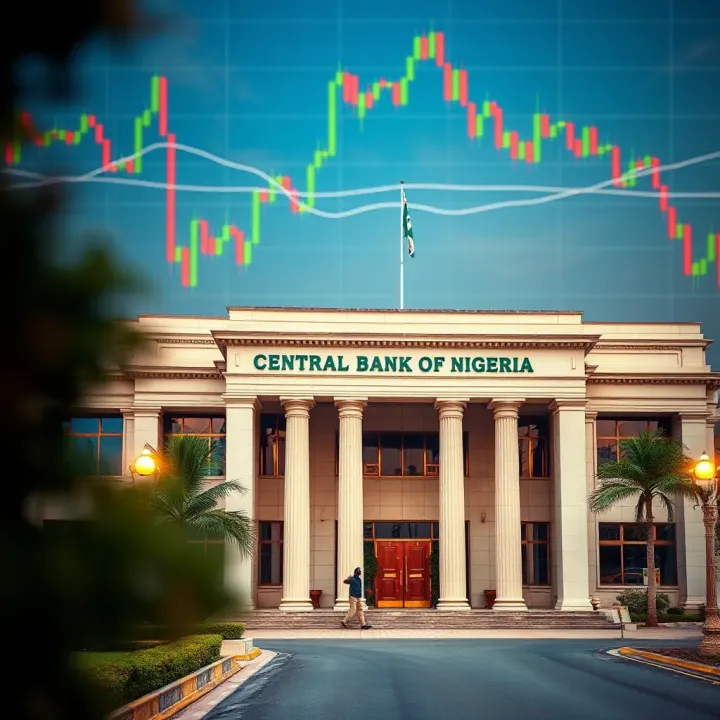
Nigerian authorities focus on protecting investors from scams and unregulated operators, which swell alongside genuine forex brokers in the market.
Understanding these regulations protects you from risks such as fraud, platform shutdowns, or legal penalties. For example, many fraudulent schemes promise unrealistic returns and target Nigerian users through social media ads or WhatsApp groups. You should verify a platform's registration with CBN or SEC before investing your money.
Here are a few key points about forex regulation in Nigeria:
Only CBN-licensed brokers can offer forex trading services legally.
Platforms must provide clear terms, transparent pricing, and customer protection policies.
Trading in foreign currencies through unauthorised dealers is prohibited and may lead to sanctions.
Nigerian traders should ensure they comply with the country’s foreign exchange laws, particularly when transferring large sums abroad.
Looking at practical steps, traders should:
Check credentials of any forex broker claiming to operate in Nigeria.
Use established fintech companies or banks that offer lawful forex trading.
Avoid platforms promising guaranteed profits or quick riches.
Stay updated with announcements from CBN and SEC regarding forex policies.
In summary, forex trading can be legal in Nigeria, but only when done within regulatory boundaries. This structure balances the opportunity of foreign exchange investment with the country's need to safeguard its financial system and protect citizens from fraud. Whether you are a novice or a seasoned trader, knowing these rules helps you trade responsibly and securely.
Understanding the legal status of forex trading in Nigeria is key for anyone looking to engage in currency trading. The Nigerian market operates under specific rules set by national regulators to protect traders and maintain economic stability. Knowing these boundaries helps you avoid pitfalls, such as trading on unregulated platforms or falling foul of exchange control regulations.
Forex trading involves buying and selling currencies on a global marketplace, aiming to profit from fluctuations in exchange rates. For example, a trader might buy US dollars with naira hoping the dollar will strengthen against the naira before selling it back. This market operates 24 hours a day, driven by international financial centres, making it highly liquid and accessible.
In Nigeria, forex trading has gained popularity rapidly, especially among young investors and those seeking alternative income streams amid economic uncertainty. The low capital requirement and availability of online platforms have attracted many. However, this enthusiasm brings both opportunity and risk, as not all platforms or brokers comply with Nigerian regulations.
The Central Bank of Nigeria (CBN) serves as the main regulator overseeing forex trading activities in the country. It establishes rules to regulate currency exchanges and ensure transactions comply with national monetary policy. For instance, CBN controls the official forex market to manage naira supply and prevent illegal capital flight.
Besides the CBN, the Securities and Exchange Commission (SEC) also plays a role, particularly regulating brokerage firms and investment advisors involved in forex trading to protect investors from fraud and malpractice. These agencies collaborate to enforce compliance and crack down on unlicensed operators.
CBN’s official position allows forex trading but under strict conditions. Only brokers licensed by CBN or recognised foreign brokers operating legally in Nigeria are permitted to handle forex transactions. The bank forbids using unregulated platforms or informal channels that bypass official exchange rates and reporting.
As a result, forex brokers must meet capital requirements and maintain transparent practices. Traders are expected to use legitimate payment methods, maintain proper records, and comply with Anti-Money Laundering (AML) rules. Violating these policies can lead to penalties, including licence revocation or legal actions.
The takeaway for Nigerian traders is clear: only trade through properly regulated platforms approved by CBN or SEC to ensure your investments remain protected and legal.
This legal clarity benefits both individuals and the broader economy, as it channels forex trading through formal systems, reducing risks tied to scams and illegal foreign exchange activities. Staying informed about these rules helps you trade confidently without surprises.
Trading forex in Nigeria comes with a unique set of challenges that every trader must understand clearly. These risks can directly affect profitability and even lead to significant losses if not managed properly. Knowing what to watch out for and how to cope is vital for anyone wanting to navigate the forex market successfully here.
Market volatility and naira exchange rate fluctuations pose a constant challenge. The Nigerian foreign exchange market experiences frequent swings due to economic pressures, government policies, and global factors. For example, sudden changes in CBN’s forex policy or oil price shocks can make the naira's value unpredictable. This volatility affects currency pairs involving the naira, increasing the chance of sharp losses in short periods. Traders need to keep a close eye on economic indicators and policy announcements to adjust their positions accordingly.
In addition to naira fluctuations, the broader forex market is itself volatile, which means Nigerian traders face double uncertainty. For instance, a trader speculating on USD/NGN could see profitable trends quickly turn against them if the naira suddenly loses value due to inflationary pressures or political events.
Power supply and internet connectivity issues in Nigeria add another layer of risk. Reliable electricity is still a challenge in many areas, with frequent outages that can disrupt trading platforms and data streams. Imagine a trader who places a crucial buy order when the market signals a good entry point, but a power cut or sudden internet drop prevents executing the trade at the right time. This can turn a promising opportunity into a loss.
Even in urban centres like Lagos or Abuja, power instability forces many traders to rely on generators, which increase operational costs and limit working hours due to fuel expenses. Besides, internet service can be patchy, especially during peak times or bad weather, causing slower trade executions and erratic platform performance. Traders must consider backup power and internet options to minimise these disruptions.
Red flags in fraudulent forex schemes are unfortunately common and must be watched for. Predatory platforms often promise unrealistic returns with zero risks, use aggressive promotion, or refuse to provide clear information about their registration or physical office. For example, many scams lure traders through social media adverts showing fake testimonials of huge profits earned overnight.
Other warning signs include platforms that ask for excessive personal data without proper security guarantees, withhold withdrawals, or frequently change terms without notice. Being aware of these red flags can save traders from losing their funds to dishonest operators.
How to verify a platform’s legitimacy involves checking regulatory compliance and transparency. Licensed brokers in Nigeria typically have approvals from the Central Bank of Nigeria (CBN) or the Securities and Exchange Commission (SEC). Traders should request the broker’s licence number and cross-check with the official CBN or SEC registers.
Furthermore, legitimate brokers offer clear contract notes, transparent fee structures, and responsive customer support. Reading reviews from trusted Nigerian financial websites and forums also helps to confirm a platform’s reputation. Always avoid platforms that lack verifiable licence details or that pressure you to deposit funds immediately.
Trading forex in Nigeria without understanding these risks is like crossing Lagos traffic blindfolded – it's bound to end badly. Being cautious and informed remains the best defence.
Naira volatility can lead to sudden losses due to policy changes or economic factors
Poor power and internet disrupt timely trade execution
Scam platforms promise unrealistic profits and lack transparency
Verify broker licences via CBN/SEC before investing
Use multiple sources to confirm platform legitimacy
Being aware of these common risks and challenges empowers Nigerian forex traders to make safer choices, protect their investments, and trade with confidence despite the complex local environment.
Trading forex in Nigeria can be rewarding if done correctly, but it requires a clear understanding of how to stay within legal boundaries and avoid pitfalls. Knowing how to trade safely and legally ensures your investments are protected from fraud, regulatory enforcement issues, and avoidable losses. This section gives practical steps on choosing the right broker and adopting sound trading practices tailored for Nigerian traders.
Working with brokers licensed by the Central Bank of Nigeria (CBN) or the Securities and Exchange Commission (SEC) helps guarantee that the broker operates under Nigeria’s rules. Such brokers must comply with capital requirements, client fund segregation, and transparent practices. This oversight reduces the risk of scams or fraudulent schemes—a major concern in the Nigerian forex market. An unlicensed broker may suddenly disappear with your funds or charge hidden fees, leaving you with no legal recourse.
Several international and local brokers have established reliable operations in Nigeria. Examples include FXTM, IG Group, and Alpari, which are known for good customer service, reasonable spreads, and regulatory compliance. Local firms tied to Nigerian regulators also provide tailored services fitting the local context. Before opening an account, verify the broker’s licence on CBN or SEC registers, and look for positive user reviews. Starting with a small deposit can help you gauge the broker’s reliability.
Forex markets are volatile worldwide, but Nigeria’s unique challenges like naira fluctuations can magnify risks. Nigerian traders should use stop-loss orders to limit losses if the market suddenly shifts against their position. Avoid investing money you cannot afford to lose, especially given Nigeria’s economic uncertainties and occasional currency controls. Diversifying your trades and not putting all your capital into one currency pair helps preserve your investment.
To protect your money, use trusted payment systems such as bank transfers or recognised payment platforms rather than informal channels. Platforms like Paystack and Flutterwave offer secure transaction methods. Also, traders need to remember that profits from forex trading are taxable under Nigerian law. Keeping records of trades and profits is essential because FIRS (Federal Inland Revenue Service) may require documentation during tax assessments. Consulting a tax professional familiar with forex trading can prevent unpleasant surprises.
Remember, combining regulatory compliance with good trading habits builds a safer trading environment and helps you avoid the common traps in Nigeria's forex scene.
Predicting how forex trading regulation will shape up in Nigeria is vital for anyone involved in the market. It helps traders, brokers, and investors stay ahead, manage risks better, and seize opportunities as rules evolve. The Central Bank of Nigeria (CBN) and other agencies have been signalling moves towards clearer frameworks aimed at curbing illegality while promoting market growth. Understanding these upcoming changes can equip you to operate within the law and protect your capital.
Nigeria’s regulators, especially the CBN, are gradually working to formalise forex trading. This means setting clearer, stricter guidelines on who can operate as a forex broker and how trading should happen in the country. For example, there are plans to ensure all brokers must be licensed either by the CBN or the Securities and Exchange Commission (SEC). Such measures seek to eliminate unregulated operators who often defraud unsuspecting traders. Formalising the sector will likely also introduce standardised reporting and oversight processes, making forex trading less risky for traders.
A more regulated forex trading space could open doors for financial inclusion by giving more Nigerians access to safe trading platforms. Legitimate brokers can offer educational services and lower entry barriers, creating an ecosystem where more people can participate responsibly. On the foreign investment side, international investors and fintech companies feel more confident entering markets with clear rules. This could bring in fresh capital, technology, and innovations, helping Nigeria’s forex market grow and integrate better with the global economy.
Since the CBN often rolls out policy changes that affect forex trading, keeping track of their official announcements is crucial. Traders should monitor the CBN website, financial news portals like BusinessDay and Nairametrics, and verified social media channels. Ignoring these updates might mean missing new compliance requirements, risking penalties, or losing access to legitimate platforms. Signing up for newsletters or alerts can help you get timely information without constant manual checks.
Once new regulations come into effect, traders must adjust their strategies to stay compliant and profitable. For example, stricter limits on leverage or changes in tax treatment of forex profits could require tweaking risk management approaches. Also, platforms might demand more document verification or alter payment methods, which could affect how you fund your account or withdraw profits. Being flexible and ready to learn about these changes will help maintain your edge and avoid unnecessary losses or legal headaches.
Regularly reviewing your trading practices in light of evolving regulations is not just smart; it is necessary to thrive in Nigeria's forex market.
In summary, the future of forex trading regulation in Nigeria points towards tighter control but also safer, more inclusive markets. By staying informed and prepared, traders can confidently navigate upcoming changes and maximise their chances of success.
📈 Explore practical forex strategies tailored for Nigerian traders. Master market analysis, manage risks, and boost trading success with proven tips!
🇳🇬 Discover smart forex trading tips & strategies tailored for Nigerian traders! Learn to pick brokers, manage risks, and trade confidently with ease. 📈
Explore proven forex trading strategies for Nigerians 🇳🇬, covering technical skills, risk management, and market psychology to boost your success 📈💡
Looking for the best forex trading site in Nigeria? Discover how to pick secure platforms with low fees, great currency options, and reliable support 📈💰
Based on 7 reviews