
Complete Guide to Candlestick Patterns in Trading
📈 Master all candlestick patterns in trading with our detailed guide. Learn how market moves shape signals for better trading decisions. Suitable for every trader.
Edited By
Charlotte Evans
Forex trading moves fast, and making sense of price changes is no picnic. That’s where candlestick patterns come in handy. These visual cues on price charts act like market mood rings — showing you whether buyers or sellers are calling the shots at any moment.
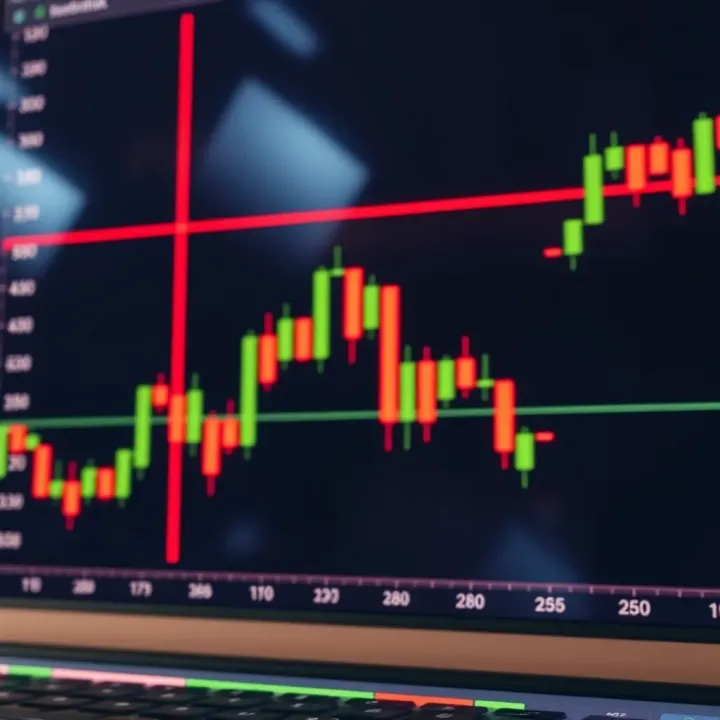
Candlesticks represent price action over a specific period, typically showing four key points: opening price, closing price, highest price, and lowest price. Imagine each candlestick as a mini story about how the market behaved in that timeframe.
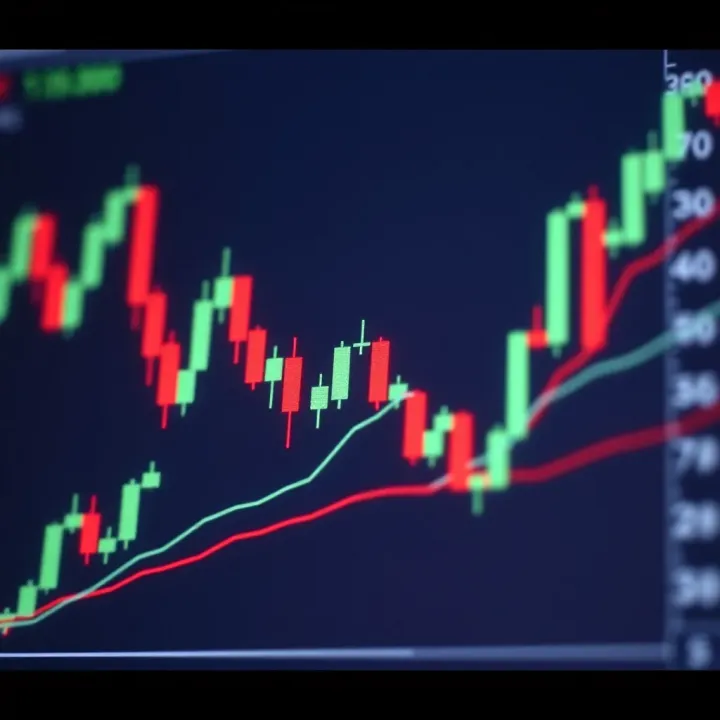
For example, a green (or white) candlestick shows the price closed higher than it opened, hinting at bullish sentiment. A red (or black) candlestick points to bearish sentiment, where sellers pushed the price down.
Recognising key candlestick formations can help traders make smarter moves by spotting potential reversals, continuations, or indecision before the broader market does.
Mastering these patterns is not about guessing, but adding a useful lens on market psychology and price behaviour — valuable for timing your trades better.
South African traders face unique challenges like loadshedding affecting online access or fluctuating Rand impacting forex pairs like USDZAR or EURZAR. That makes sharpening your technical skills, such as reading candlestick patterns, a worthwhile edge.
In the sections that follow, you will get a clear explanation of common candlestick patterns such as doji, hammer, engulfing, and shooting star. You’ll also find practical tips on applying this knowledge within your trading strategy, whether you're dabbling on MT4, MT5, or local brokers like IG or EasyEquities.
Understanding these price signals can help you make better decisions, manage risk effectively, and avoid costly mistakes. Over time, you’ll learn to read the market’s subtle hints rather than chasing noisy price moves blindly.
Let’s break down these patterns and start seeing what the charts are really saying.
Understanding forex candlestick patterns is vital for any trader looking to get a clearer picture of market sentiment. These patterns offer visual clues about potential price movements by examining the relationship between the opening, closing, highs, and lows of currency pairs over a given period. This section breaks down how these charts work and why they’re a handy tool in your forex toolkit.
Each candlestick on a forex chart represents price activity over a specific timeframe, like a minute, an hour, or a day. The four main components are:
Open: The price at which trading started during that period.
Close: The final price when trading ended.
High: The highest price reached.
Low: The lowest price hit.
Picture a trading session where the rand/dollar pair opens at R15.50, climbs to a high of R15.60, dips to a low of R15.45, and closes at R15.55. The body of that candlestick (from open to close) shows you whether buyers or sellers controlled the session. If the close is higher than the open, it’s usually a bullish candle; if lower, bearish.
Candlesticks capture the tug-of-war between bulls and bears during a trading session. The body size indicates the strength of that push. A long body means a decisive move, while a short body suggests indecision or balance. The wicks (or shadows) show where price tested extreme highs or lows but retreated by the close.
For example, a long lower wick might imply buyers pushed the price up after sellers tried to drag it down, signalling potential support. In contrast, a long upper wick can mean sellers took control after a bullish attempt, hinting at resistance. This visual language helps traders gauge momentum and possible reversals faster than looking at line charts alone.
Forex trading hinges on sentiment, which reflects traders’ expectations and reactions. Candlestick patterns serve as a sort of shorthand for this mood, showing when buyers or sellers might be gaining ground. Patterns like dojis, hammers, or engulfing candles can flag moments of hesitation, strength, or reversals.
By recognising these shapes, you get a snapshot of market psychology — whether the market is pausing, about to turn, or charging ahead. For example, after a downtrend, spotting a hammer candlestick with a long lower wick might signal a potential bounce, giving you the chance to time your entry better.
Compared to traditional line charts, candlestick charts offer richer, more immediate visual cues that convey both price direction and volatility. While line charts smooth out data by connecting closing prices, candlesticks display the full range of trading activity within each period.
This richness allows traders to identify patterns and signals quicker and with more confidence. In the fast-moving forex market, that split-second advantage can be the difference between a successful trade and a missed opportunity. South African traders facing data constraints or volatile rand moves can especially benefit from these clear visual insights.
Candlestick patterns are like the weather forecast for forex — they don’t guarantee what happens next but help you read the signs and prepare accordingly.
Understanding these basics sets the stage for recognising key patterns and applying them to smarter trading decisions. Keep these fundamentals in mind as you progress to spotting single and multiple-candle setups that matter the most in the forex market.
Single candlestick patterns offer quick, visual clues about potential market moves. They’re a straightforward way to gauge traders’ emotions from price action without diving deep into complex analysis. For South African forex traders, mastering these patterns can provide an edge especially on short-term trades where timing and clarity matter.
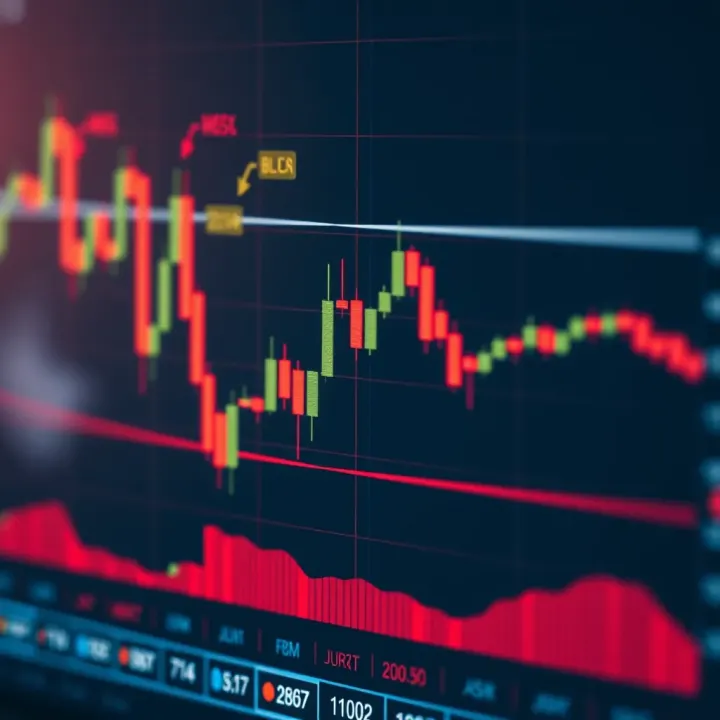
A Doji appears when a currency pair’s open and close prices are nearly the same, resulting in a very small body with long wicks or shadows. Imagine a candle that looks almost like a plus sign: the vertical wick shows the high and low, but the body itself is tiny. This shape signals a tug-of-war between buyers and sellers, with neither side gaining clear control during the trading period. For instance, seeing a Doji on the USD/ZAR pair after a sharp uptrend might raise questions about whether the rally will continue.
Doji candlesticks carry different meanings depending on their placement within a trend. Near the top of an uptrend, they can indicate that buying momentum is fading, signalling a potential pullback or reversal. Conversely, during a downtrend, they might reveal hesitation among sellers, hinting at possible consolidation or a trend change. However, a single Doji rarely warrants a trade by itself; it’s best used in combination with other signals or support-and-resistance levels. For example, spotting a Doji near a key resistance line in EUR/USD might prompt a trader to prepare for a sell position.
Both the Hammer and Hanging Man share a long lower wick and a small body near the top, but their importance differs by context. A Hammer shows up at market lows, suggesting that sellers pushed prices down but buyers stepped in, closing near the open price. This pattern often signals a bullish reversal, as buyer interest is returning. The Hanging Man, by contrast, appears at market highs. It indicates possible exhaustion among buyers and warns that a bearish reversal might be brewing.
Using these patterns wisely means waiting for confirmation before acting. For example, after a Hammer appears on the GBP/USD chart, a trader should look for higher volume or a bullish candlestick on the next bar before entering a buy trade. Similarly, a Hanging Man requires confirmation through a following bearish candle or increased selling volume to justify exiting or shorting a position. This cautious approach helps avoid false signals, especially in volatile markets influenced by factors like Eskom loadshedding affecting trade hours.
The Shooting Star and Inverted Hammer resemble each other but point towards opposite outcomes. The Shooting Star features a small body at the bottom and a long upper wick, appearing after an uptrend, suggesting that buyers tested higher prices but sellers overwhelmed them before close—hinting a bearish reversal. Meanwhile, the Inverted Hammer forms after a downtrend with the same shape but suggests buyers are beginning to gain influence, signalling a potential bullish reversal.
These patterns grow more reliable when paired with volume. Greater trading volume during a Shooting Star’s formation adds weight to the idea that sellers are stepping in strongly. It’s essential to watch the following candle: confirmation can come from a lower close on the next bar, signalling sellers' control. For example, a Shooting Star with high volume on USD/ZAR, followed by a bearish close, might encourage traders to take short positions. Conversely, an Inverted Hammer supported by rising volume and a confirming green candlestick may present a buying opportunity, but traders should combine it with other tools like RSI or moving averages to avoid traps.
Multi-candlestick patterns offer a more reliable insight into potential market moves because they capture price action over multiple trading sessions. These patterns are particularly useful for forex trading, where momentum and sentiment can shift quickly. They reveal the tug-of-war between buyers and sellers more clearly than single candlesticks, providing smarter signals for entry and exit points.
An engulfing pattern forms when a smaller candlestick is completely covered—or 'engulfed'—by the following candlestick, indicating a strong reversal signal. In a bullish engulfing, a small bearish candle is followed by a larger bullish candle, suggesting buyers have taken control. Conversely, a bearish engulfing occurs when a small bullish candle is overtaken by a larger bearish one, hinting that sellers are gaining the upper hand.
Traders use engulfing patterns to identify turning points in the market. For example, after a downtrend, spotting a bullish engulfing candlestick might signal a good opportunity to enter a long position. However, confirmation with volume or other indicators like the Relative Strength Index (RSI) can prevent false signals. Always pair this pattern with support or resistance levels for better success.
The Morning Star and Evening Star are three-candlestick patterns signaling strong reversals. A Morning Star appears at the bottom of a downtrend, indicating a shift toward bullish momentum. It starts with a bearish candle, followed by a small-bodied candle showing indecision, and concludes with a bullish candle. The Evening Star works the opposite way, signaling a potential bearish reversal at the top of an uptrend.
In forex, these star patterns gain reliability when they converge near strong support or resistance zones. For instance, spotting a Morning Star near a previous consolidation area in the EUR/ZAR pair can hint at a trend reversal worth watching. Volume spikes or alignment with moving averages also enhance confidence in these signals.
A Harami pattern has a large candlestick followed by a smaller candlestick whose body fits within the previous candle's body. This formation reflects market hesitation, signalling that momentum may be weakening. A bullish Harami following a downtrend hints at a possible upturn, while a bearish Harami after an uptrend may suggest a pullback.
Using Harami patterns can assist traders in managing risk by identifying moments to tighten stop losses or reconsider open positions. For example, if a bearish Harami forms after a rally in GBP/ZAR, it might be wise to reduce exposure or place stop losses closer, anticipating a potential trend pause or reversal.
Paying attention to these multi-candlestick formations enhances your ability to read market sentiment and time trades with more confidence. Remember, combining these patterns with broader technical analysis tools is key for effective trading decisions.
Integrating candlestick patterns into your forex trading strategy is about more than spotting shapes on a chart—it’s about confirming those signals with other tools and managing your risk effectively. Relying solely on candlestick patterns can lead to misleading trades, so pairing them with other indicators helps ensure you're making smarter decisions.
Moving averages smooth out price fluctuations, giving you a clearer sense of the overall trend. For example, a bullish engulfing pattern appearing above a 50-period moving average may carry more weight as the price respects an upward momentum. Meanwhile, the Relative Strength Index (RSI) measures whether a currency pair is overbought or oversold. Suppose a hammer candlestick forms when the RSI reads below 30 (oversold territory). In that case, it could signal a stronger potential reversal and a buying opportunity. These indicators help reduce false signals and give you more confidence before making a trade.
Candlestick patterns gain significance near key support or resistance levels. Consider spotting an evening star pattern near a known resistance zone on the EUR/ZAR daily chart. This combination suggests sellers might step in, hinting at a price drop. Likewise, if a morning star forms around a solid support level in USD/ZAR, it could imply buyers are ready to take control. Using these horizontal levels alongside patterns gives you a clearer picture of where price could reverse or accelerate.
Stop losses protect your capital when markets swing unexpectedly. Place stops thoughtfully based on the pattern’s structure. For instance, after a bullish engulfing pattern, a stop loss just below the engulfed candle’s low provides a logical exit if the trade goes south. This approach locks in a clear risk boundary, preventing emotional decisions in fast-moving markets.
Your position size should reflect both your risk tolerance and the pattern’s reliability. If a candlestick pattern indicates a potential trade but appears on a higher time frame like the daily chart, you might allocate more capital due to increased confidence. Conversely, patterns on lower time frames might need smaller positions because of higher noise and variability. Using position sizing in line with your assessment helps protect your trading account and keeps losses manageable.
Combining candlestick patterns with indicators and solid risk management forms a more reliable trading system, increasing your chances of consistent success in the forex market.
Integrating these elements smoothly takes practice, but it is a key step for any trader looking to sharpen their edge, especially in volatile pairs like USD/ZAR or EUR/GBP where market sentiment and news often drive price movements unpredictably.
Candlestick patterns can offer sharp clues about price action, but many traders stumble by not using them in the right way. Understanding common mistakes helps you avoid costly errors and gives your trading a firmer footing. Knowing what to watch out for turns candlestick signals from vague guesses into practical tools.
Candlestick patterns on their own hardly ever provide a full, reliable picture. Take the classic hammer pattern, which can signal a potential bullish reversal. Without waiting for confirmation—like a higher close in the next candle or backing from an indicator such as RSI—the hammer might just be a false hopeful signal. In the South African forex market, where volatility can spike around economic data releases or geopolitical events, jumping in based on a pattern alone can be like driving blind through thick fog.
Traders should use additional tools like volume analysis, support and resistance zones, or trendlines to confirm what the pattern suggests. This layering of evidence cuts down risks, especially when trading pairs with choppier moves like ZAR/USD or ZAR/EUR.
Certain market states reduce how well a pattern can perform. For example, during high-impact news events, candlestick formations often lose their predictive ability due to sudden, erratic price moves. Also, during sideways or very low-volume markets, patterns can generate misleading signals because price action lacks clear direction.
South African traders should note that during Eskom loadshedding schedules, market liquidity may thin out, making it tougher for patterns to hold their usual significance. Being aware of such factors helps you adjust your reliance on patterns or avoid trading during unreliable conditions.
Candlestick patterns work best as part of a broader market picture. Spotting a bullish engulfing candle in the midst of a strong downtrend doesn’t automatically mean the trend will reverse. It might just be a temporary pullback or a brief pause.
Successful traders put patterns in the context of trend direction, momentum, and price structure. When the pattern aligns with the bigger trend, it becomes a stronger signal. This helps manage expectations and reduces the chance of mistaking noise for meaningful market action.
Forex markets respond to more than just price charts. Economic reports, interest rate decisions from the South African Reserve Bank (SARB), geopolitical shifts, and commodity price swings all affect currency values.
For instance, a valid candlestick reversal pattern might coincide with unexpectedly strong GDP data or changes in SARB’s monetary policy stance, reinforcing the trade signal. Ignoring these fundamentals means missing half the story. Incorporating them provides a clearer idea about whether a pattern signals a lasting move or a short blip.
In short, candlestick patterns are handy tools, but using them wisely means not relying on them alone, understanding when they work best, and keeping a finger on the pulse of wider market forces.
📈 Master all candlestick patterns in trading with our detailed guide. Learn how market moves shape signals for better trading decisions. Suitable for every trader.
Learn essential candlestick patterns for smarter trading 📈. Access a detailed PDF guide with 35 key patterns to refine your market strategies today!
📈 Discover how candlestick patterns reveal price moves in trading markets. Learn key bullish and bearish signals to spot trends and reversals in Nigeria and beyond.

📚 Dive into the best forex trading books tailored for Nigerian traders. Explore strategies, market basics, and top picks for every skill level. 💹
Based on 5 reviews