

Introduction to Forex Trading in South Africa
💱 Get a clear view of forex trading in South Africa - learn how the market works, who takes part, risks involved, and key tips for beginners ready to trade currencies.
Edited By
Jack Fletcher
Entering the world of cryptocurrency trading can feel like stepping into a busy market in Jo'burg or Cape Town where everyone seems to speak a different language. But with the right approach, it’s a practical financial skill you can add to your repertoire. The crypto scene isn’t just about Bitcoin and Ethereum; it’s a rapidly evolving landscape that demands careful planning, especially in South Africa’s unique economic environment.
Before diving in, it’s worth understanding what crypto trading really means in day-to-day terms. Essentially, it involves buying and selling digital currencies through online platforms known as exchanges, hoping to make a profit from price movements. However, unlike traditional shares, cryptocurrencies can be far more volatile, with prices swinging sharply within minutes. That’s why knowing how to choose a reliable platform and manage your risk is key.
In South Africa, you’re dealing with factors like exchange regulations, fluctuating rand values, and the practical challenges of internet connectivity and data costs. These realities mean that blindly following global trends without local insight could leave you exposed. For example, using a platform that doesn’t support R trading pairs could bring unnecessary currency conversion fees.
It pays to start small and build your knowledge gradually — quick wins are rare, and scams are unfortunately common.
Here are some initial points to consider:
Choose established exchanges: Platforms like Luno and VALR have built trust in our context and usually comply with South African regulations.
Understand fees: Transaction, withdrawal, and Forex fees can eat into your gains.
Keep security tight: Use two-factor authentication and be wary of phishing attempts.
Start with a budget: Don't invest what you can't afford to lose, especially with the market's unpredictability.
Your first trades are best seen as learning opportunities, not instant gold mines. Crypto trading involves a blend of technical understanding, market awareness, and emotional control. With patient, steady steps, especially tailored to local conditions and regulations, you’ll set a solid foundation for navigating this fast-paced arena.
Next up, we’ll look at how to pick the right trading platform and the mechanics of setting up your first account.
Understanding cryptocurrency trading is key to navigating this fast-moving market. Unlike traditional shares or forex, crypto trading operates 24/7, which means opportunities and risks can arise any time. For South African traders, this means you can tap into global markets outside regular business hours—but it also demands staying alert to price swings caused by worldwide events.
Cryptocurrency itself is a digital form of money secured by cryptography and often operates independently of central banks. Trading it involves buying and selling these digital assets to make a profit from price changes. For example, if you buy Bitcoin at R350,000 and the price moves up to R375,000, you can sell and pocket the difference, minus trading fees and tax obligations.
Another practical reason to grasp the basics well is to understand how market trends, regulations, and technology shifts affect prices. For instance, news about changes in South African regulations or Eskom’s loadshedding plans can impact crypto sentiment locally, even if the global market remains stable. That’s why having a sound understanding helps you make better decisions rather than just chasing hype.
Cryptocurrency is digital money secured using blockchain technology, which is essentially a public ledger that prevents tampering or double-spending. Each cryptocurrency transaction is recorded in this ledger.
Trading crypto means exchanging one cryptocurrency for another or for fiat currency like the South African Rand. This happens on online platforms called exchanges. The price moves based on supply and demand—if more people want Bitcoin, the price rises, and vice versa.
Trades happen in various ways:
Spot trading: Buying or selling cryptocurrency for immediate settlement.
Margin trading: Borrowing funds to increase buying power, but with higher risks.
For a beginner, spot trading offers the clearest introduction since it involves straightforward purchases. For example, buying Ethereum on an exchange like Luno or Binance South Africa with Rand is spot trading.
Not all cryptocurrencies are created equal. The main types you’ll encounter include:
Bitcoin (BTC): The original cryptocurrency, widely accepted and often called "digital gold" due to its limited supply and store of value characteristics.
Altcoins: Other cryptocurrencies like Ethereum (ETH), Ripple (XRP), or Litecoin (LTC). These often serve specific purposes like smart contracts or faster transactions.
Stablecoins: Cryptos pegged to real-world currencies, like Tether (USDT). These provide stability, useful for traders wanting to avoid volatility.
Tokens: Digital assets created on existing blockchains, representing things like ownership in projects or access rights.
Each type carries different risks and rewards. For example, Bitcoin is relatively stable compared to small-cap tokens that can swing wildly in price. South African traders should consider volatility and liquidity before choosing which to trade.
"Knowing the different types of crypto assets helps you plan your trades better and manage risk more effectively – very important in a market that rarely sleeps."

By understanding these basics, you’re better placed to pick the assets and trading styles that fit your risk appetite and goals in South Africa’s unique trading environment.
Picking the right crypto trading platform is a key step for anyone new to the crypto market. It shapes your entire experience, from how easily you can buy and sell coins to the security of your funds and the variety of assets available. For South African traders, it’s not just about what's globally popular but also about local usability, rand support, and compliance with regulations.
When choosing an exchange, consider several practical features. First off, security is non-negotiable. Look for platforms offering two-factor authentication, cold storage for funds, and proven track records against hacks. For example, platforms like Luno and VALR encrypt user data and keep the majority of funds offline.
Next, assess the user interface and experience. A clean, intuitive design helps you trade confidently without getting lost in confusing menus. Some platforms have mobile apps optimised for South African data speeds, crucial when you’re on the move.
Transaction fees matter, too. Compare the cost of buying, selling, and withdrawing funds. Some exchanges charge maker and taker fees differently, so understand these terms before committing. Also, check the range of supported assets — whether you want to stick to Bitcoin and Ethereum or explore altcoins like Polkadot or Chainlink.
Local payment options play a part. Platforms that accept direct bank transfers, EFTs, or even SnapScan payments make it easier to fund your account without hefty conversion fees or delays.
Several exchanges have gained traction in South Africa due to their local support and compliance with financial rules. Luno is a well-known option, offering simple rand deposits and a user-friendly app. Its strong presence in South Africa allows smooth rand funding via bank transfers and instant EFTs.
VALR is another popular choice, providing access to over 100 crypto assets and competitive fees. It supports ZAR deposits and withdrawals, making it convenient for traders who want variety without juggling foreign currencies.
For those interested in decentralised trading, platforms like Binance and Coinbase also operate in South Africa. However, they require more attention to withdrawal fees and currency conversion. That said, their extensive selection of tokens and advanced trading tools appeal to more experienced users.
Whichever platform you pick, ensure it fits your trading style and risk tolerance, while offering dependable customer support and ease of use.
Choosing the right platform grounds your trading activities firmly, helping to avoid headaches later on. Start simple, focus on security and convenience, and grow into features like margin trading or staking when the time is right.
Starting your first crypto trade is where theory meets reality. This step is crucial because it transforms your preparation into action, giving you practical insight into trading mechanics, market behaviour, and how your decisions impact your portfolio. In South Africa, where crypto is rapidly gaining traction, the beginning can feel overwhelming, but getting the basics right helps you build confidence and avoid costly mistakes.
Before you can jump into trading, setting up your account on a reliable crypto exchange is the first task. Most platforms like Luno, Binance, or VALR require your full name, email address, and cellphone number to start the registration. Verification follows due to regulatory requirements under South Africa’s Financial Intelligence Centre Act (FICA) to prevent fraud — this involves uploading a valid ID or passport and proof of residence, such as a municipal account or bank statement.
The verification process might take anywhere from a few minutes to a couple of days. For example, Luno’s verification can be quite quick if your documents are in order, letting you begin trading almost immediately. Compliance here is non-negotiable and ensures your trading experience remains secure and legal.
Once your account is ready and funded — typically via EFT from your South African bank — you’re set to place your first trade. Most crypto exchanges offer simple interfaces: select your trading pair (e.g., BTC/ZAR), decide on a buy or sell order, then choose the order type. The most common order type is a market order where you buy or sell instantly at the best available price.
For example, if you want to buy 0.01 Bitcoin, you enter this amount and confirm the purchase. Your Rand payment converts instantly, and the Bitcoin lands in your exchange wallet. For newcomers, it’s sensible to start small — maybe R500 or R1,000 — to get a feel of price swings and platform navigation.
Take note that fees vary between platforms and trade types. Some charge a flat percentage per transaction, so factor this cost into your calculations. Also, consider using limit orders to specify the price at which you want to buy or sell, avoiding slippage during volatile moments.
Starting slow and understanding each step helps you trade smart rather than reactive. Familiarity with the platform’s interface, fees, and order types will eventually boost your confidence and decision-making ability.
In summary, opening your first account, completing verification, and placing your initial buy or sell order are foundational steps that set the tone for your crypto trading journey in South Africa. Handle these carefully and patiently to establish a stable footing before venturing further.
Managing risks is key when trading cryptocurrencies, especially given the market's wild swings and unpredictability. Without a solid approach to risk management, traders can quickly face losses that wipe out any gains. This section focuses on how to spot common risks and take steps to limit their impact.
Crypto trading isn't for the faint-hearted because prices can jump up or down within minutes. This volatility means your investment could lose value fast if you're not careful. For example, Bitcoin has had days where it dropped 10% or more in a single session. Besides price swings, scams and hacks are major risks. Some smaller exchanges have collapsed, leaving traders stranded without access to their funds.
To reduce risks, only trade on reputable platforms that comply with South African regulations and use strong security measures. Keep software and devices updated, and use two-factor authentication to protect your accounts. Also, avoid investing more than you can afford to lose. Set a budget before you start trading and stick to it — this prevents chasing losses or making emotional decisions during volatile periods.
Two practical tools help manage these risks: stop losses and diversification. A stop loss is an automatic order that sells your crypto asset if the price falls to a set level. For instance, if you bought Ethereum at R20,000, you could set a stop loss at R18,000. This way, you limit your loss to about 10% if the market suddenly drops.
Diversification means spreading your investment across different crypto assets instead of putting all your rand into one coin. This can soften the blow if one asset tanks. For example, combining Bitcoin with smaller altcoins like Cardano or Ripple can balance your portfolio. Be mindful, though: spreading out too thin might reduce profits, so find a balance that suits your risk tolerance.
Trading cryptocurrencies without managing risks is like crossing a busy street with your eyes closed—chances are you'll get hurt. Using stop losses and diversifying your assets helps you take control and protect your capital.
In the South African context, considering currency fluctuations is wise. Crypto prices are often in US dollars, so rand strength affects your actual return. Plus, local factors like loadshedding can disrupt internet or power access, impacting timely trades. Preparing for such disruptions—like using mobile data as backup—can be part of your risk management plan.
By understanding these risks and actively managing them, you increase your chances of trading crypto successfully while keeping losses manageable. Remember, risk management isn't about avoiding risk altogether but controlling it so you can trade with confidence.
Stepping into crypto trading without a solid set of tips and best practises is like heading out on a veld trek without a map or water. These guidelines help you navigate the often volatile and unpredictable crypto market, making your trading experience safer and more rewarding. Beginners especially benefit by avoiding costly mistakes and improving their chances of smart decisions.
Making informed choices is at the heart of successful crypto trading. Follow a handful of trusted news sources focused on cryptocurrency and financial markets, such as MyBroadband or BusinessTech, which regularly cover local trends and regulatory updates. Set up alerts for major crypto announcements or price swings to react swiftly.
Beyond news, track market metrics and data. Platforms like CoinGecko provide live updates on volumes, market cap, and trending coins. It’s also wise to pay attention to technical analysis basics — simple charts and patterns can give clues about potential price moves. For example, understanding support and resistance levels could help you spot when to enter or exit trades.
Keep in mind that emotional trading often follows rumours or hype. Pinpointing factual updates amidst noise is key. Engaging in crypto communities on forums or Twitter can be useful, but filter out baseless hype. SA traders benefit from insights shared by local influencers who understand South African market peculiarities and regulations.
New traders frequently fall prey to several avoidable errors. Chasing pumps — buying coins after rapid price surges without understanding the reason — often leads to losses when the price corrects sharply. Instead, a disciplined approach with clear targets can save your Rand.
Beware of overtrading. Making too many trades in a short time usually eats into your capital through fees and poor decisions driven by impatience. Additionally, never risk money you cannot afford to lose; crypto's volatility can turn gains into losses quickly.
Always double-check withdrawal addresses and amounts because mistakes here can be irreversible. In South Africa, scams and phishing schemes have caught traders off guard, so use two-factor authentication and keep private keys offline where possible.
Consistency and caution outweigh haste and shortcuts in the crypto market. Building knowledge steadily is your best defence.
Lastly, understand the tax implications with SARS. Record your trades properly, so reporting during tax season is straightforward — this might even save you from headaches or penalties later.
By keeping up to date and steering clear of these typical slip-ups, you’ll be in a stronger position to handle South Africa’s unique crypto market dynamics and avoid getting burned as a beginner.
💱 Get a clear view of forex trading in South Africa - learn how the market works, who takes part, risks involved, and key tips for beginners ready to trade currencies.
📈 Learn to trade forex online safely in South Africa. Understand the market, start smart, manage risks, and master strategies while navigating local platforms and costs.

📈 Master forex & crypto trading in South Africa with practical tips, local regulations, risk insights & market tools for smarter investing decisions. 💰
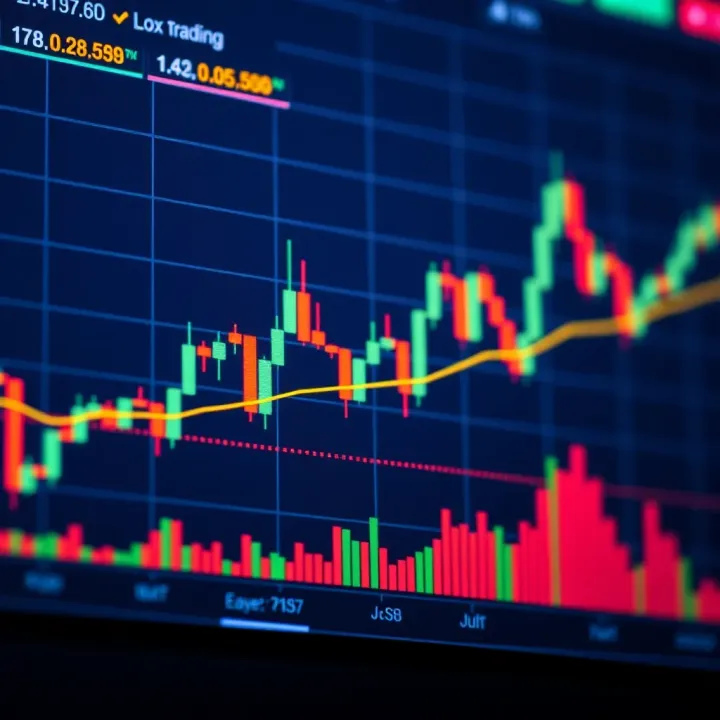
📊 Master crypto trading charts with ease! Learn types, key indicators & patterns for smarter trades. Tailored tips for South African market conditions 🇿🇦
Based on 13 reviews