

Best Crypto Trading Platforms for Nigerians
Explore top crypto trading platforms for Nigerian investors 🇳🇬 Compare fees, security, local currency support & get tips for safe, easy trading today! 💹
Edited By
James Wentworth
Crypto trading has steadily gained ground in Nigeria, attracting investors looking to boost their ₦ savings beyond conventional options like fixed deposits or stocks. Simply put, crypto trading involves buying and selling digital currencies such as Bitcoin, Ethereum, or Binance Coin with the aim of making a profit from their price changes.
Unlike traditional investments, crypto operates 24/7 on decentralised platforms without the need for banks or brokers. This continuous availability allows traders to react swiftly to market movements, but it also means the market can be highly volatile.
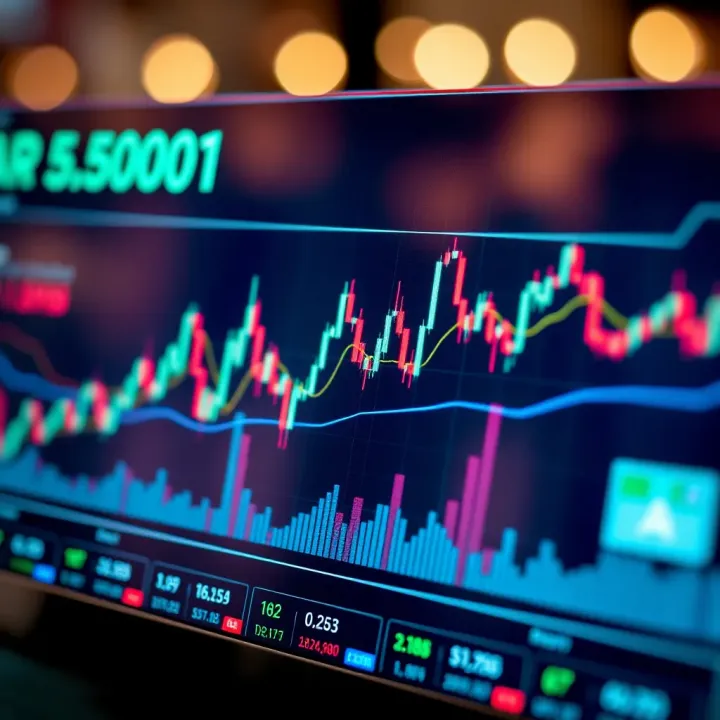
For Nigerian investors, understanding crypto trading requires not only grasping how digital currencies work but also recognising the local context. Issues like exchange rate swings, regulation by the Central Bank of Nigeria (CBN), and platform reliability heavily influence trading outcomes here.
At the core, crypto trading is about speculating on price movements. Traders either:
Buy low, sell high: Purchase crypto at a lower price and sell when it rises.
Sell high, buy low (short selling): Some platforms allow selling crypto you don't own, expecting the price to drop so you can buy back cheaper.
Orders can be market (executed immediately) or limit (executed when the price hits a set level). Common trading pairs in Nigeria pair crypto with the naira (₦), Bitcoin (BTC), or stablecoins like USDT to manage volatility.
Choice of Platform: Opt for reputable exchanges like Luno, Binance, or Quidax that support ₦ deposits and withdrawals with minimal delays.
Regulatory Environment: The CBN’s stance is cautious. While crypto is not banned, banks avoid direct involvement. This affects how easily you can move funds between your Nigerian bank account and crypto platforms.
Security Practices: Use two-factor authentication, cold wallets (offline storage), and avoid sharing private keys to protect your assets.
Market Volatility: Prices can swing sharply within short periods, so never invest more than you can afford to lose.
Education: Understand basic technical analysis tools and keep updated on global and local news impacting crypto prices.
Starting crypto trading in Nigeria requires balancing opportunity with caution. Focusing on reliable platforms, securing your transactions, and keeping a close eye on market trends will set you on a steady path to making your ₦ investments grow wisely.
Crypto trading involves buying and selling digital currencies like Bitcoin, Ethereum, and others on various platforms. For Nigerian investors, understanding this is essential because it opens doors to new opportunities beyond traditional stocks and FX markets. The ability to move quickly in the market can yield profits, but it also demands awareness of risks and strategies suitable for Nigeria’s unique financial environment.
Cryptocurrencies are digital or virtual currencies secured by cryptography. Unlike traditional money issued by central banks, cryptocurrencies operate on decentralised networks called blockchains. Bitcoin, for example, is a popular crypto that allows peer-to-peer transactions without intermediaries. For Nigerians, this means easier cross-border payments and access to global markets without relying solely on banks.
Trading crypto means buying digital coins at a certain price and selling them later to capitalise on price changes. Unlike investing, which usually implies holding assets long term, trading focuses on shorter-term moves to make gains. To trade successfully, one needs to follow market trends, news, and sometimes technical analysis. In Nigeria, with the naira's volatility and restrictions on crypto usage, traders must stay sharp and well-informed.
Investing means buying crypto with a long-term view, hoping its value grows over months or years. Trading, however, involves regular buying and selling to benefit from short-term market fluctuations. For instance, a Nigerian investing in Bitcoin might hold it for years, while a trader could buy and sell multiple times within a week depending on market swings. Both approaches require discipline but suit different financial goals.
To trade crypto, you first need to buy digital currencies on an exchange at the current market price. You can then sell them when the price rises to make a profit or cut losses if prices fall. For example, if you buy Ethereum at ₦1,000,000 and sell when the price hits ₦1,100,000, you make ₦100,000 minus transaction fees. This process depends on timing and accurate market insight.
Crypto exchanges are online platforms where you buy, sell, or swap cryptocurrencies. In Nigeria, popular exchanges include Binance, Luno, and Quidax. Before trading, you store your coins in a digital wallet—software that holds your private keys securely. Wallets range from mobile apps to hardware devices. Using secure wallets helps protect your assets against hacks, a common issue affecting Nigerian traders.
When placing orders on exchanges, you have options like market orders (buy/sell immediately at current price) or limit orders (set a price to buy/sell later). For example, a market order buys Bitcoin at whatever price it's trading, while a limit order waits until Bitcoin hits your set price. Understanding these helps Nigerian traders manage risks and execute strategies effectively, especially amid volatile markets.
Successful crypto trading in Nigeria means knowing the basics well, using the right platforms, and adapting fast to market moves. This practical knowledge protects your ₦ investment and improves your chance of steady gains.

Crypto trading offers various approaches that suit different risk appetites, strategies, and investment goals. Understanding these methods helps Nigerian traders choose the right way to engage with the dynamic crypto markets. From straightforward buying and selling to complex derivatives, each method has practical uses and risks to consider.
Direct purchase and sale involves buying cryptocurrencies outright and holding them in your wallet. This is the simplest form of trading where you exchange fiat currency like ₦ for digital coins such as Bitcoin (BTC) or Ethereum (ETH). Spot trading is popular because it provides full ownership of the assets, which you can use, hold, or sell anytime. For a Nigerian investor, this means you can buy ₦200,000 worth of Bitcoin on platforms like Binance or Remitano and hold it until the price rises.
Popular coins for spot trading usually include Bitcoin, Ethereum, Binance Coin (BNB), and stablecoins like USDT. These currencies have high liquidity, meaning they can easily be bought or sold with minimal price slippage. For Nigerian traders, opting for these coins reduces the difficulty of executing quick trades and limits the risk of price manipulation that is often found in lesser-known tokens. Moreover, stablecoins provide a refuge during volatile markets.
How margin works: This method lets traders borrow funds to increase their trading position beyond the amount they actually hold. For example, with ₦50,000 and 5x leverage, you can trade ₦250,000 worth of a cryptocurrency. Margin trading magnifies exposure but requires careful management because losses are also amplified. Nigerian platforms like Binance offer margin trading with clear guidelines on collateral and liquidation.
Risks and rewards of leverage: While leverage can boost profits significantly, it also increases potential losses. A small price movement against your position can wipe out your initial capital and even incur debts if unchecked. That said, experienced traders use leverage to capitalise on short-term price swings, often combining it with stop-loss orders to limit losses. Nigerian traders should be wary of using high leverage without fully understanding these risks.
Understanding crypto derivatives: These are financial contracts whose values depend on an underlying cryptocurrency's price. Unlike spot trading, derivatives don’t require owning the actual coin. They allow traders to speculate on price movements or hedge their portfolios. Popular derivatives include options and swaps, with futures being the most common in crypto markets.
Futures contracts explained: Futures are agreements to buy or sell a cryptocurrency at a predetermined price on a specific future date. For instance, you could enter a Bitcoin futures contract today to buy ₦5 million worth of BTC in three months, regardless of its market price then. This can help hedge risks or profit from anticipated price changes. Nigerian traders can access futures contracts on platforms like Binance Futures but should start small and learn the mechanics well since futures trading can become quite complex.
Choosing the right crypto trading method depends on your experience, risk tolerance, and investment goals. Spot trading suits those new to crypto, while margin and derivative trading offer opportunities for greater gains but demand higher caution and expertise.
Navigating crypto trading without understanding the associated risks is like driving a danfo without a driver’s licence – asking for trouble. Nigerian traders need clear insight into the pitfalls to protect their investments and make informed decisions. Recognising these risks can help you avoid common traps and approach the volatile crypto space with steadiness.
Cryptocurrencies are known for wild price swings that can flip fortunes overnight. This volatility arises from market sentiment, global economic events, or even sudden government announcements. For instance, Bitcoin’s price can jump or tumble by several percentages within hours, unlike traditional stocks which move more slowly. Such unpredictability means profits can come swiftly, but so can losses.
For Nigerian traders, where the naira exchange rate and fuel scarcity already create economic uncertainty, crypto volatility adds another layer of complexity. This unpredictability tests a trader’s nerves and decision-making skills. It’s essential to be mentally prepared for sharp dips as much as for spikes.
Volatility often leads to emotional trading, where fear or greed dominates choices. Traders might panic sell during a sudden dip or buy impulsively chasing rising prices, both of which can cause losses. For example, during a flash crash, inexperienced traders may sell at a low point, locking in losses they could have avoided with patience.
Long-term investors tend to ride out fluctuations, but traders looking for quick profits must have a precise strategy and risk management tools. Setting stop-loss orders or taking profits at defined levels safeguards capital against wild swings.
One fundamental concern for crypto traders is keeping wallets and accounts safe. Crypto wallets hold private keys that grant access to your digital assets. Losing these keys or having them stolen means losing funds irrecoverably. Storing wallets securely, preferably using hardware wallets or trusted apps with two-factor authentication, reduces risk significantly.
Nigerian traders face additional challenges due to frequent phishing attacks and malware targeting crypto users. For example, fake apps pretending to be popular exchanges can trick users into revealing sensitive details. Therefore, always double-check URLs and apps, and avoid sharing wallet seeds with anyone.
Crypto trading attracts scammers exploiting lack of regulation and market hype. Ponzi schemes promising guaranteed returns are rife, with Lagos and Abuja reporting multiple criminal cases in recent years. These scams lure victims using social media, impersonation, or fake investment schemes, leading to huge losses.
Beware of unsolicited messages asking for upfront payment or requiring you to deposit coins before withdrawing profits. Legitimate platforms will not pressure you for extra funds beyond trading fees. Always research and confirm the credibility of platforms and advises before committing funds.
Scams in crypto aren’t just about losing money; they erode trust in the entire market.
The Central Bank of Nigeria (CBN) has taken a cautious stance on cryptocurrency. Since February 2021, the CBN directed banks to halt facilitating crypto transactions, citing risks to financial stability. This policy impacts how easily Nigerians can buy or sell digital coins through bank channels, pushing many towards peer-to-peer trading or unregulated platforms.
Such restrictions also influence liquidity and price dynamics for Nigerian traders. While the CBN has not outright banned ownership of crypto, the banking prohibition complicates fiat on- and off-ramps for traders.
Nigeria’s legal framework is still catching up with crypto innovations. There’s no comprehensive regulation yet governing investor protection, taxation, or anti-money laundering specifics targeting cryptocurrencies. However, government agencies like the Securities and Exchange Commission (SEC) are working on crypto guidelines.
For now, Nigerian traders operate in uncertain waters. It’s wise to follow announcements from these bodies closely and maintain proper records of transactions for transparency. Staying on the right side of evolving laws helps avoid legal troubles that could affect personal assets.
Understanding these risks and challenges equips Nigerian crypto traders to proceed with caution but confidence in a landscape that remains both promising and perilous.
Starting crypto trading without a clear plan can lead to unnecessary losses. Nigerian investors benefit tremendously from practical strategies tailored to local realities, such as exchange accessibility, cost concerns, and market volatility. This section offers hands-on advice to navigate the crypto market confidently and avoid common pitfalls.
For Nigerian traders, deciding between local and international crypto exchanges is critical. Local platforms like BuyCoins or Quidax often allow seamless ₦ deposits and withdrawals through bank transfers or USSD codes, making funding easier without hefty FX charges. However, these platforms may offer fewer trading pairs or advanced features compared to international giants like Binance or Coinbase, which provide access to a broader range of tokens and tools but sometimes require currency conversion with additional fees.
Your choice depends on your priorities: if ease and speed of placing trades with naira funds matter most, local exchanges might be best. But if you want access to emerging tokens or more sophisticated trading options, international exchanges serve better—though you must monitor FX rates and regulatory updates closely.
Transaction fees can eat deep into your profits, especially when trading frequently or with small amounts. Look beyond headline trading fees and watch out for hidden costs like withdrawal charges or currency conversion fees. For example, some exchanges may charge ₦500–₦1,000 per withdrawal or take a cut on deposits.
User experience also affects trading success. Platforms with intuitive interfaces, fast order execution, and responsive customer support save you time and frustration. Try demo accounts or test small trades to judge how friendly and reliable a platform feels.
Protecting your capital is crucial in crypto’s volatile environment. Setting limits on the amount you trade each day or week prevents reckless decisions. Stop-loss orders are practical tools that automatically sell an asset when its price drops to a predetermined level, capping losses.
For instance, if you buy Bitcoin at ₦3.5 million, placing a stop-loss at ₦3.3 million helps shield you from deeper slumps if the market turns sour. Beginners should use stop-loss orders to control exposure while gaining confidence.
Putting all your funds into one cryptocurrency is risky, especially when prices swing dramatically. Diversifying across multiple assets such as Bitcoin, Ethereum, and stablecoins like USDT spreads your risk. Stablecoins act as safe havens within your portfolio, cushioning impacts from wild price movements.
Also, consider different sectors like DeFi or NFTs tokens to tap into distinct growth areas. A balanced portfolio can withstand shocks better over time.
Crypto markets react rapidly to global events and announcements. Nigerian traders should keep tabs on reliable news platforms like TechCabal, Nairametrics, and official statements from the Central Bank of Nigeria (CBN). Misinformation spreads fast on social media, so cross-checking news prevents knee-jerk reactions.
Regular updates help you spot trends early and adjust strategies accordingly.
Understanding crypto trading is a continuous process. Engage with resources such as Binance Academy, Investopedia's crypto guides, or Nigerian crypto forums and WhatsApp groups. Interaction within communities provides practical insights and exposes you to different perspectives and tactics.
Learning from traders who have weathered different market cycles is invaluable, especially when starting out.
Starting smart with the right exchange, solid risk management, and continuous learning builds a strong foundation that Nigerian crypto traders cannot afford to ignore.
By considering these practical tips, you improve your chances of making informed decisions and growing your ₦ investments in Nigeria’s dynamic crypto market.
Explore top crypto trading platforms for Nigerian investors 🇳🇬 Compare fees, security, local currency support & get tips for safe, easy trading today! 💹
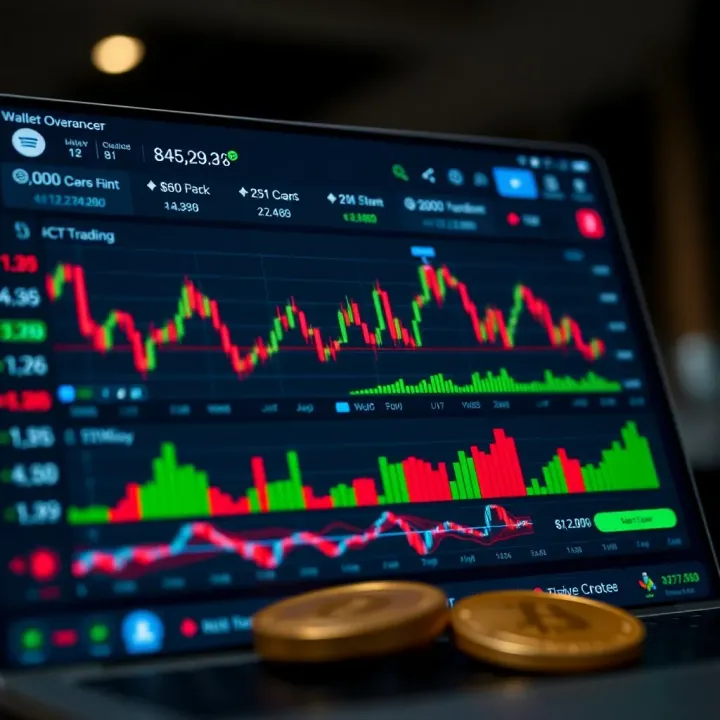
Find the best crypto trading platform in Nigeria 🇳🇬 with our guide on security, fees, coins, payment methods, and safe local trading tips 💰🔒
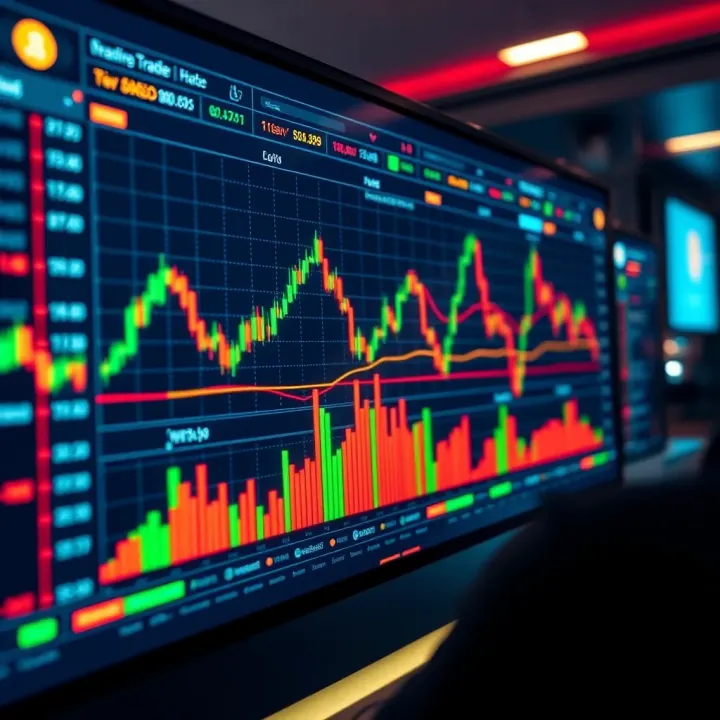
Looking for the best crypto trading bot in Nigeria? Discover how to pick reliable bots, understand risks, and match them to your trading goals. 🤖💹
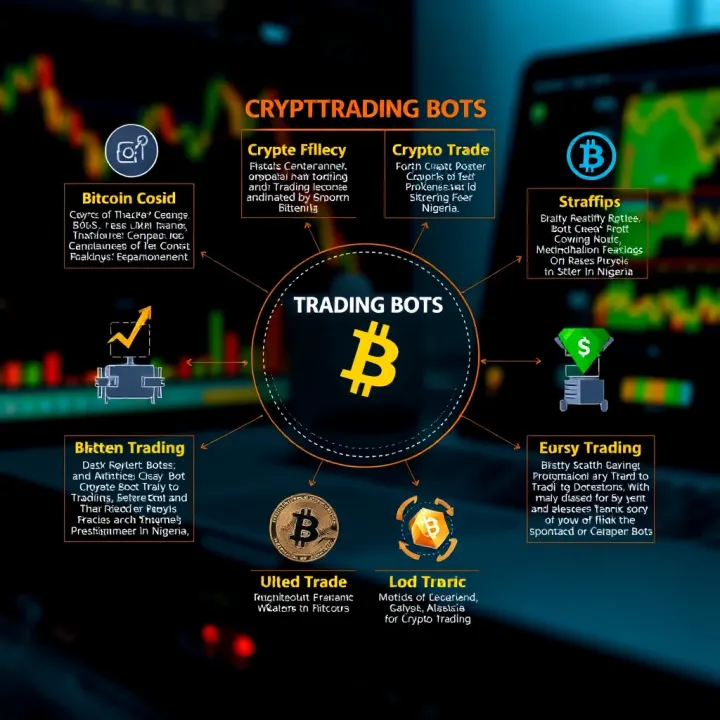
🤖 Discover top crypto trading bots in Nigeria! Learn key features, benefits & tips for choosing safe, effective automation to boost your trading success.
Based on 8 reviews