
Understanding Binary Operations and Their Uses
Explore the basics of binary operations 🧮, their properties, real-life uses in math and programming 💻, and how they shape algebraic structures.
Edited By
Amelia Wright
Binary translator is the bridge that helps us understand the language computers use daily. Computers run on binary code, a system made up of zeroes and ones. These might look like a jumble of numbers to us, but they represent everything from text and numbers to sounds and images in the digital world.
The main purpose of a binary translator is to convert those sequences of zeros and ones into human-readable forms, such as letters, numbers, or symbols, and vice versa. For example, when you type a message on your phone, the text is converted into binary so the device can store or send it. When the recipient receives that data, a binary translator changes it back into a readable message.
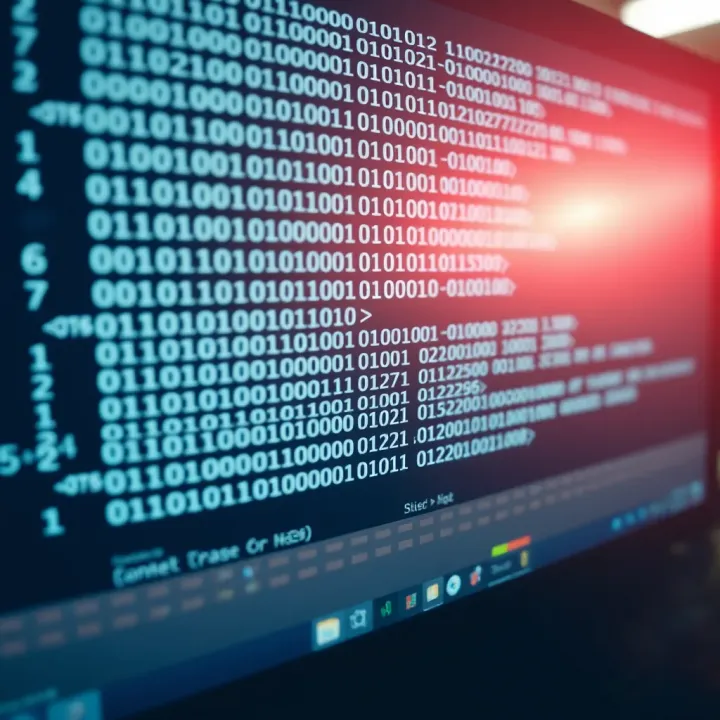
At its core, binary uses only two digits: 0 and 1. Every letter or symbol on your device has a unique binary representation. Take the letter 'A' for instance, which is represented as 01000001 in binary. This system is universal across computing devices, making it possible for data to be communicated and understood globally.
A binary translator is like a translator between two languages, converting computer language into human language effortlessly.
Binary translators are important beyond just converting texts on your phone or laptop. They have practical uses in:
Software Development: Programmers use these translators to debug code or understand how software interacts with hardware.
Networking: Data packets transmitted over networks are in binary; translators help interpret these for network management.
Education: Teaching students and professionals how computers operate at a fundamental level.
Digital Forensics: Analysts use binary translators to uncover hidden data or malware.
Data Conversion: Converting legacy data formats for use in modern systems.
In Nigeria, where fintech and digital innovation thrive, understanding how binary translators work supports smoother development and troubleshooting of apps and platforms like Paystack, Flutterwave, and OPay.
Knowing how this technology works also gives traders and analysts an edge. For example, data from stock exchanges or financial platforms often relies on binary-coded transmissions, so decoding and analysing that data promptly can affect investment decisions.
This section sets the pace for a deeper look at binary translators — how they function, their uses, and how you can engage with this technology in your field. The next parts will cover hands-on guides and emerging trends relevant to Nigerian professionals and educators.
Binary code underpins every digital device we use, from your phone's display to ATM machines. It consists of just two digits — 0 and 1 — but this simple system powers complex computations and data processing. Understanding binary is vital for traders, educators, and software developers alike, as translating it correctly ensures seamless communication between humans and machines.
A bit is the smallest unit of data in computing, representing a single binary digit: 0 or 1. When you group eight bits together, you get a byte, which can represent basic units like characters or numbers. For example, the letter ‘A’ in ASCII code is 01000001 in binary, a byte consisting of eight bits.
Knowing bits and bytes is practical when understanding memory size or data transfer rates. For instance, internet speeds are often measured in megabits per second (Mbps), while file sizes use megabytes (MB). This distinction impacts decisions for Nigerian internet users and businesses relying on data-heavy transactions.
Computers operate using electrical signals that are either on or off, easily represented as 1s and 0s in binary. This on-off switching allows microprocessors to perform calculations, store information, and run programmes. The binary system serves as a universal language bridging hardware functions and software instructions.
In practice, Nigerian fintech apps like Paystack or Flutterwave translate user inputs into binary commands, enabling smooth processing and secure transactions. Without proper binary management, these platforms would fail to operate reliably.
Consider the number 5. In decimal, we write 5 directly, but in binary, it’s 0101. This example shows how computers store even simple numbers differently from human-readable formats. Another common example is the binary code for a smiley face emoji, which apps must translate to display correctly.

Understanding these examples equips technical professionals and educators with a clear view of how ordinary data takes a binary journey within devices to become visible and useful.
Translating binary to text allows computers to present understandable information to users. For instance, when you receive a message on WhatsApp, the app converts its stored binary data back into readable words and sentences.
This translation is essential in Nigeria’s growing digital economy, where users interact daily with apps and websites that rely on visible text derived from complex binary operations behind the scenes.
Converting text into binary is required so computers can process the data. When you type a tweet or an email, every letter is converted into a binary format that machines understand, enabling storage, transmission, and execution of commands.
For developers and educators in Nigeria, mastering this conversion helps improve software design and troubleshooting, enhancing overall system efficiency.
Binary translation is the backbone of communication between software and hardware components. Software sends commands in binary to hardware like processors and memory units, which respond accordingly.
Without accurate translation, hardware might misinterpret commands, causing errors or system failures. Nigerian tech startups and financial institutions especially rely on these reliable exchanges to maintain service quality and customer trust.
Successful binary translation ensures that devices, applications, and systems communicate effectively, supporting the expanding digital infrastructure in Nigeria.
Understanding how binary translators function is essential for anyone dealing with computing, software, or digital communication. These translators convert raw binary data—the zeros and ones that computers speak—into formats humans can grasp, like text or numbers, and vice versa. For traders, analysts, or educators, knowing this process can demystify the technology behind everyday digital transactions and data handling.
Online tools and software applications are the most accessible binary translators. You can find many free websites or downloadable apps that allow users to input binary code and instantly see the translation to text or decimal numbers. These tools are highly practical for quick checks during coding, debugging, or when analysing data files. For instance, a software developer in Lagos might use such an online tool to interpret a binary-coded instruction received from a device without needing complex equipment.
Hardware-based translators refer to physical devices designed to convert binary signals directly. These are less common for everyday users but invaluable in areas like telecommunications or specialised industrial systems. For example, a telecom company may employ hardware converters to translate binary digital signals into voice or data transmissions. This type of translator ensures real-time processing with minimal delays, critical for tasks like live broadcasting or secure financial transactions.
Programming libraries for binary translation are collections of code functions integrated into software projects. Developers incorporate these libraries when building applications that must interpret or generate binary data automatically. Libraries in languages like Python or JavaScript streamline the translation process, helping to scale operations, especially in fintech or data analytics platforms popular in Nigerian tech hubs.
Input formats accepted by binary translators include binary strings, files containing binary data, or encoded signals. The flexibility to accept different input types is crucial because binary data comes in various forms—whether as a raw string like "01001000 01100101" or embedded within files like PDFs or executables. Accurate input handling prevents data corruption or misinterpretation.
Conversion algorithms used in translators rely mostly on straightforward principles like mapping binary groups (typically 8 bits per byte) to characters based on encoding standards such as ASCII or Unicode. Advanced algorithms handle error detection and correction, especially when data arrives noisy or incomplete. This is important to maintain reliability in sectors like banking, where encrypted binary data must translate accurately to preserve transaction integrity.
Output formats generated by binary translators depend on user needs but often include plain text, decimal or hexadecimal numbers, and sometimes audio or image data when dealing with multimedia files. For Nigerian consumers, translating QR codes at tills or digital payments involves converting binary data into readable confirmations. In educational settings, output might simply demonstrate how binary sequences represent alphabets or commands, strengthening learners’ grasp of computing basics.
Effective binary translation bridges the gap between computer logic and human understanding, enabling seamless communication across digital systems and practical real-world uses.
Binary translators have found practical uses across various sectors in Nigeria, making complex computer language more accessible and useful. For professionals like traders, investors, analysts, and educators, understanding how binary translation applies locally can offer clear advantages, especially as the country embraces digital technology.
Teaching computer science basics: Binary translation serves as an entry point for students and beginners learning computer science in Nigerian schools and universities. In places like the University of Lagos or Obafemi Awolowo University, educators use binary translators to make the concept of binary code less abstract. By converting simple binary sequences into text or numbers, students grasp how computers interpret data. This practical approach supports understanding of hardware operations and software instructions, which is essential for Nigeria’s growing pool of tech talents.
Using binary translators for coding practice: Nigerian learners often use binary translators to test their understanding of low-level programming. For example, when students write code in languages like C or Python, they translate their outputs back to binary to see how high-level instructions convert into machine code. This practice is useful for debugging and deepening insight into how algorithms behave behind the scenes. Given that coding bootcamps and tech hubs like those in Yaba, Lagos, are mushrooming, binary translation tools provide hands-on support.
Programming and debugging: In software development, developers rely on binary translators to troubleshoot applications. When a program crashes or misbehaves, examining its binary form helps identify bugs at a fundamental level. Nigerian developers working on fintech apps or e-commerce platforms (such as Paystack or Jumia Nigeria) use these translators to decode encrypted messages or repair binary data corrupted by network issues. This direct insight assists them in delivering stable, secure software.
Data encoding and communication: Binary translators also play a crucial role in encoding and communicating data efficiently. Nigerian telecom firms and online services encode multimedia files, messages, or transactions in binary to transmit over networks. Translators convert this data back and forth, facilitating smooth communication across platforms. For instance, NIN enrolment systems or BVN registrations handle vast binary datasets that must be accurately converted to readable information without errors.
Understanding QR codes and digital payments: QR codes have become widespread in Nigerian markets, buses, and online shops. These codes store information in binary, which smartphones decode using binary translation to confirm payments or access services. As platforms like OPay, PalmPay, and GTBank intensify cashless transactions, binary translation underpins the technology that makes these processes swift and reliable. Consumers benefit by simply scanning QR codes with no need to understand the binary behind them.
Translating binary to text in digital platforms: Beyond payments, many Nigerian apps and websites embed binary-encoded data for security or efficiency. Translators convert binary input to text to display messages correctly on devices. For example, notifications from banks or exam results from JAMB arrive encrypted and are decoded by such translators. This process ensures Nigerians access vital information in human-readable form without delay or confusion.
Binary translators quietly support a range of Nigerian tech and consumer services, shaping how data moves and is understood daily.
By understanding these applications, traders, analysts, and educators can better appreciate how foundational binary translation is to Nigeria’s tech ecosystem and everyday digital interactions.
Knowing how to use and even build your own binary translator brings several practical advantages. It empowers traders, educators, and software developers alike to decode or encode information accurately. Whether you're examining data streams, learning computer programming, or developing software, a solid grasp of binary translation tool usage makes complex information more accessible and manageable.
Many free online binary translators are available that handle the conversion of binary code to text or numbers, and vice versa. Popular platforms like RapidTables, BinaryTranslator, or Browserling offer easy access without requiring any technical setup. These tools save time for users who need quick conversions without writing code or installing applications.
To use these tools, you usually paste the binary data into a text field, select the input or output format (like ASCII text or decimal numbers), then hit the convert button. The accuracy of the output depends on providing the correct binary input and choosing the right encoding standard. It's particularly useful for checking quick values or verifying data received from digital sources.
Building a binary translator program requires fundamental programming knowledge, such as understanding variables, loops, and conditionals. Languages like Python or JavaScript are beginner-friendly and widely used in Nigeria for coding practice and freelancing projects. Knowing how bits form characters and numbers helps structure your program logic effectively.
For instance, a simple Python snippet to convert binary to text involves reading the binary string, breaking it into bytes (8 bits each), and using the built-in function chr() to convert each byte to its character:
python binary_input = '0100100001100101' text_output = ''.join([chr(int(binary_input[i:i+8], 2)) for i in range(0, len(binary_input), 8)]) print(text_output)# Output: He
This code is easy to test on a local computer or online IDEs. Testing involves ensuring your input binaries convert correctly to expected outputs and fixing errors like incorrect bit length or non-binary characters. Improving your program might include adding error handling or supporting different encodings like UTF-8.

> Building your own binary translator not only deepens your understanding of computer data but also enhances your coding skills, which are valuable in today's tech-driven Nigerian industries.

Mastering these skills can be a gateway to advanced software development tasks, troubleshooting embedded systems, or handling data in fintech platforms. The hands-on experience also makes learning about related concepts like encryption and data compression less daunting.


## Challenges and Future Trends in Binary Translation

### Common Difficulties in Accurate Translation

**Handling large binary data** poses a significant challenge in binary translation. When dealing with substantial files, such as video streams or extensive data transfers, the sheer volume of binary sequences can overwhelm standard translators. This often results in slower processing times or even system crashes if the software isn't optimised for large-scale data. For example, Nigerian fintech platforms processing numerous transactions daily face this bottleneck, making it essential to use translators that scale efficiently without losing accuracy.

**Dealing with errors and noise** in binary data is another major hurdle. Transmission errors from unstable networks or device faults can corrupt binary inputs, causing inaccurate or failed translations. In real-world settings, such as rural areas with poor internet connectivity, this problem is amplified. Effective binary translators must have robust error-detection and correction mechanisms to maintain reliability, especially when handling sensitive data like bank transfers or personal identification numbers.

**Compatibility with different encoding standards** further complicates binary translation. Various devices and software may use diverse encoding formats like ASCII, UTF-8, or EBCDIC, each representing characters differently. Without proper recognition of these standards, translators risk misinterpreting binary input, leading to garbled output. Nigerian developers and users should ensure their tools support multiple encoding schemes, particularly for cross-platform communication between local apps and international networks.

### Innovations and Potential Developments

**Machine learning approaches** are beginning to enhance binary translation by improving error correction and prediction in complex data sets. Algorithms trained on large amounts of binary samples can learn to identify patterns and correct noisy data automatically. This technology promises faster and more reliable conversions, which is particularly valuable for Nigerian tech startups handling big data in sectors like agriculture and healthcare.

**Integration with Nigerian digital platforms** is a growing trend. Embedding binary translators into local apps like OPay or Paystack enhances secure data processing and improves user experience. For instance, seamless binary conversion within payment apps helps decode QR codes and verifies transactions swiftly. This integration reduces reliance on external tools, making digital services more accessible and efficient for Nigerian consumers.

**Impact on fintech and tech startups** cannot be overstated. Accurate and fast binary translation enables improved data encryption, fraud detection, and communication within financial services. Startups in Lagos and Abuja leveraging these advancements gain a competitive edge by offering smoother, safer digital transactions. As Nigeria's digital economy expands, the continuous development of binary translators tailored to local needs will foster innovation and growth.

> To navigate the future of binary translation effectively, Nigerian businesses and developers must prioritise tools that tackle data size, error handling, and encoding diversity, while embracing machine learning and platform integration to stay ahead.Explore the basics of binary operations 🧮, their properties, real-life uses in math and programming 💻, and how they shape algebraic structures.
🤖 Learn binary numbers and their uses in tech! Understand how they work, see examples with decimals, and explore computing and digital electronics.

📊 Dive into binary charts: learn their structure, significance in computing & data visualization, plus tips to interpret and solve common challenges effectively.
💻 Learn how binary calculators work, their key functions, and where they're used. Explore tips and types to get the most out of these essential tools in tech.
Based on 15 reviews