

Complete Guide to Candlestick Patterns in Trading
📈 Master all candlestick patterns in trading with our detailed guide. Learn how market moves shape signals for better trading decisions. Suitable for every trader.
Edited By
Edward Collins
The Morning Star candlestick pattern is a powerful tool in the trader's toolkit, especially for those keen on spotting trend reversals. It typically appears at the bottom of a downtrend, signalling a possible shift from bearish to bullish momentum. This pattern helps traders decide when to enter or exit positions, enhancing their chance of making profitable trades.

The pattern consists of three candles:
First candle: A long bearish candle that confirms the ongoing downtrend.
Second candle: A small-bodied candle, often a Doji or spinning top, indicating market indecision.
Third candle: A strong bullish candle that closes well into the first candle's body, confirming the reversal.
This formation suggests that sellers have lost their grip, and buyers are stepping in.
On the Nigerian Stock Exchange (NGX), Morning Star patterns often form in shares with high liquidity, such as Dangote Cement or MTN Nigeria. During ember months, these patterns become more noticeable due to increased trading activity.
Spotting a Morning Star pattern can prompt you to take action:
Entry point: Consider buying at the opening of the candle following the bullish confirmation.
Risk management: Place stop-loss orders below the second candle to limit losses if the reversal fails.
Target setting: Use previous resistance levels to define profit targets.
A Morning Star pattern is not foolproof but serves as a reliable early warning of trend reversal when combined with other indicators like volume or RSI.
With the naira’s unpredictability and power supply influencing market sectors, Morning Star patterns provide Nigerian traders a clear signal they can trust in volatile times. Whether trading equities or forex, understanding this pattern can improve timing decisions, which is vital in the fast-moving Lagos market.
In summary, mastering the Morning Star candlestick pattern lets you read market sentiment more accurately and act decisively. Nigerian traders can integrate this pattern with local market dynamics to boost their trading outcomes.
The Morning Star candlestick pattern is a widely respected signal in technical analysis used to spot potential bullish reversals after a downtrend. For traders in Nigerian markets, recognising this pattern can help identify moments when a falling stock or forex pair might be set to bounce back, offering timely entry points for buying.
At its core, the Morning Star pattern consists of three distinct candles on a price chart. The first candle shows a strong bearish move, confirming the existing downtrend. This is usually a long red candle indicating sellers are firmly in control. The second candle reflects indecision—often a small-bodied candle or a doji—where buying and selling forces seem balanced. It appears as if the market is catching its breath after the previous sell-off. The last candle flips the script: a robust bullish (green) candle closes well into the first candle’s body, signalling that buyers have taken charge. This formation shows a clear shift in momentum from sellers to buyers.
The essence of the Morning Star lies in its ability to mark a turning point. After a persistent downtrend, the pattern suggests the selling pressure is easing. The doji or small body candle hints at market hesitation, reflecting uncertainty among traders. When the third candle pushes strongly upward, it confirms that buyers are returning, often triggering further price increases.
Take, for instance, a stock listed on the Nigerian Exchange (NGX) trading under ₦50. After weeks of consistent decline, spotting a Morning Star pattern can hint the worst is over, offering traders a chance to enter ahead of potential gains. However, it’s wise to confirm with volume or support levels to avoid false signals, especially given the volatility many Nigerian assets face due to factors like naira exchange rate fluctuations or sector-specific news.
Recognising the Morning Star can improve your timing, but it works best alongside other indicators or market context to strengthen your trading decisions.
Mastering this pattern helps traders act decisively, particularly during the ember months when markets often shift amid economic changes and festive-season activities. Applying this simple yet powerful tool enhances your ability to spot real buy signals rather than chasing price movements blindly.
Identifying the Morning Star pattern on price charts helps traders spot potential trend reversals early, which is vital for timing entry points in trading. In the Nigerian market, where volatility in stocks like those listed on the Nigerian Exchange (NGX) can be high, recognising this pattern reduces guesswork and improves decision-making. When you spot the Morning Star, it signals a shift from a bearish phase to bullish momentum, allowing you to anticipate price rises and adjust your trades accordingly.
The pattern begins with a long bearish candle confirming sustained selling pressure. This candle usually shows the market in a downtrend, reflecting falling prices over the trading session. For example, when Dangote Cement's stock price falls consistently, the first candle on the chart may close near the day's low with a wide real body—indicating sellers dominate.
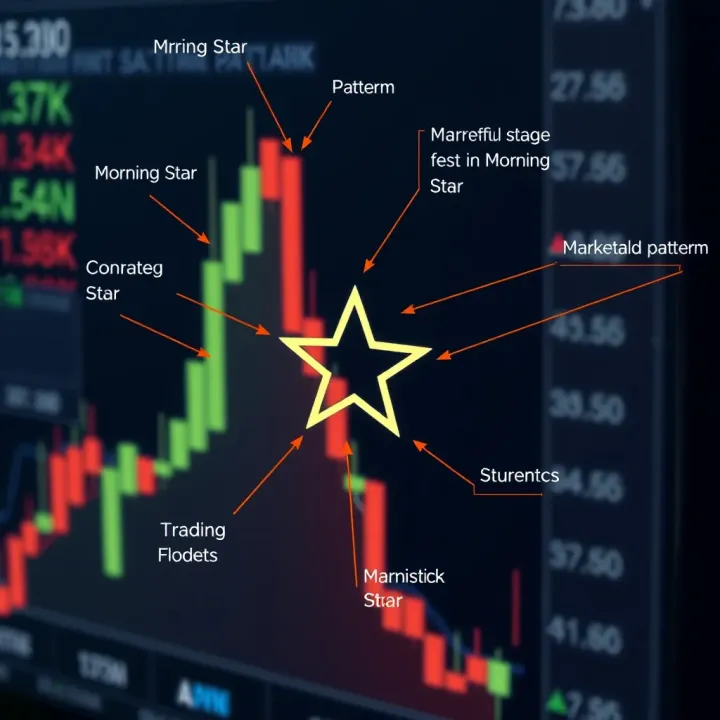
This downtrend candle sets the stage, signalling that the prevailing mood is negative. Recognising this ensures the Morning Star pattern is forming during a genuine reversal, not just a minor pullback.
Next is the indecisive candle, often a Doji or one with a small body, representing market uncertainty. It may open and close within a narrow range, or gap below the first candle's close but lack strong direction. In Nigerian forex pairs such as USD/NGN, this candle hints that sellers are losing strength but buyers have yet to take charge.
This hesitation is critical. Traders see it as a pause after the downtrend, signalling a possible change. The second candle's low trading volume or tight range reflects a market waiting to decide its next move.
The final candle is a strong bullish candle closing well into the first candle's body, confirming buyers have taken control. For example, in a local cryptocurrency like Bitcoin NGN pair, such a candle signals a surge in buying interest and momentum shift.
This bullish candle ideally gaps above the second candle’s close and finishes near the day’s high. Spotting this confirms the Morning Star pattern and offers traders a cue to consider opening long positions, expecting prices to rise further.
To avoid false signals, you need to look beyond the candles:
Volume: Increased trading volume on the third candle adds confidence that buyers are dominant. Without volume support, the reversal may lack follow-through.
Support Levels: If the Morning Star forms near strong support zones, such as previous lows on the NGX or psychological price levels, the pattern’s reliability improves.
Moving Averages: A bullish crossover before or after the pattern can reinforce the uptrend signal.
Recognising the Morning Star pattern is not just spotting candle shapes but confirming with volume, support, and trend indicators to make strong trading decisions in volatile Nigerian markets.
The Morning Star candlestick pattern holds practical value for Nigerian traders looking to spot trend reversals in local markets. Using this pattern effectively can guide decisions, especially amidst Nigeria's unique market dynamics—characterised by naira volatility, fluctuating liquidity, and sector-specific movements. Recognising this pattern on the Nigerian Stock Exchange (NGX), forex platforms, or crypto charts can improve timing on entries and exits, reducing guesswork and relying more on market signals.
On the NGX, the Morning Star pattern often appears after a sharp downward move, signalling a potential shift to bullish momentum. For example, a stock like Dangote Cement might form a Morning Star after a few days of price drops, hinting at recovery ahead. Traders must watch volume alongside these candles since Nigerian equities often react strongly to news and macroeconomic events. Seeing the Morning Star combined with increased volume can validate the likelihood of a genuine reversal.
Local factors also influence these signals. Earnings seasons, CBN monetary policies, or fuel subsidy adjustments can cause abrupt trend changes that the Morning Star may capture early. Still, it's wise to confirm with other technical tools given NGX’s occasional price gaps caused by overnight African market closures or significant global market movements.
The Morning Star pattern transfers well to forex trading on platforms like MTN FX or OANDA, especially in pairs involving the naira (NGN/USD, NGN/EUR). Forex markets move swiftly, and spotting a Morning Star during a downtrend on NGN/USD charts can indicate that buying pressure is increasing after sustained selling.
In cryptocurrency trading, platforms like Binance Nigeria reveal similar trends. For instance, after a steep fall in Bitcoin prices, a Morning Star on the hourly chart may suggest short-term recovery. However, crypto markets are extremely volatile, so traders should pair the pattern with risk management tools. Nigerian crypto investors often use this pattern with stop-loss orders to guard against sudden price reversals common in these digital assets.
Volume analysis matters deeply in confirming Morning Star patterns. In Nigerian markets, rising volume during the third candle—the bullish reversal—strengthens the signal. For example, if Access Bank shares show a Morning Star but the volume is low, the reversal might be weak. Conversely, a spike in volume suggests strong buyer interest, increasing confidence that the downtrend has ended.
Monitoring liquidity also helps, as thin trading days—common around public holidays or ember months—can produce misleading patterns due to poor volume. Hence, checking volume trends alongside candlestick patterns helps avoid false signals.
Support and resistance levels add context to Morning Star signals on NGX charts. If the pattern appears near a known support level, like a previous low for a stock such as Guaranty Trust Bank (GTBank), it reinforces the reversal idea. Traders often combine the Morning Star with horizontal support lines to decide entry points.
Similarly, if the reversal candle aligns closely with resistance zones, caution is advised since prices might struggle to break higher despite the pattern. Given the Nigerian market’s sensitivity to local events, confirming Morning Star signals within these price zones helps ensure higher probability trades.
Moving averages are popular trend indicators in Nigeria, widely used in platforms like MetaTrader or MTN FX. Combining the Morning Star with short- or medium-term moving averages (e.g. 20-day or 50-day) offers additional insight. For instance, a Morning Star forming near a 50-day moving average on an NGX stock suggests the trend could be shifting upwards.
Traders observe whether the price closes above these averages after the Morning Star opens the door for further gains. If the moving average acts as support, this alignment boosts traders’ confidence to hold or buy. Yet, cross-checking with other momentum tools remains prudent to avoid overreliance.
The Morning Star pattern on its own is a helpful signal but performs better when combined with volume, support/resistance, and moving averages—especially considering Nigeria's market quirks like liquidity issues and macroeconomic shocks.
Overall, applying the Morning Star pattern thoughtfully in Nigerian markets equips traders with a proven visual tool supported by technical evidence. Whether dealing with the NGX, forex pairs involving the naira, or crypto assets, using this pattern alongside other methods can improve trading results and decision-making precision.
Understanding variations and similar patterns to the Morning Star enriches a trader's toolkit. While the Morning Star signals a bullish reversal, recognising other patterns helps confirm market shifts, reducing the risk of acting on false signals. Nigerian traders, in particular, benefit by blending these patterns with local market knowledge, such as the volatility seen on the Nigerian Exchange (NGX) during ember months or forex market shifts, to time their decisions more accurately.
The Evening Star is essentially the bearish counterpart to the Morning Star. Where the Morning Star indicates a potential shift from a downtrend to an uptrend, the Evening Star flags a possible top and reversal from an uptrend to a downtrend. This pattern also appears over three candles: a strong bullish candle, followed by a small-bodied candle (either a Doji or spinning top), and then a strong bearish candle closing well into the first candle’s body.
For example, if a stock like MTN Nigeria Plc has been climbing steadily, spotting an Evening Star might warn traders that selling pressure is increasing, suggesting they should consider taking profits or tightening stop-loss orders. In this way, it helps traders avoid holding positions into a potential downturn, especially valuable during periods of market uncertainty.
The Piercing Pattern is another reliable bullish reversal signal often seen after a downtrend. It consists of two candles: the first is a long bearish candle, and the second opens below the prior low but closes above the midpoint of the first candle’s body. This sudden shift signals buyers stepping in with more force, potentially marking the end of selling pressure.
In practical terms, a trader observing the Piercing Pattern in Nigerian equities during periods of economic slowdowns—like when the CBN adjusts its monetary policy rate—might view it as a sign that the worst of the sell-off is over. They may then position themselves for an upward move, combining this pattern with volume analysis or support levels for confirmation.
The Bullish Engulfing pattern is similar in purpose to the Morning Star but simpler in form. It involves two candles: a small bearish candle followed by a larger bullish candle that completely 'engulfs' the previous day's body. This indicates a substantial change in sentiment among market participants.
For Nigerian traders dealing with the forex market or cryptocurrencies like Bitcoin on local platforms, spotting a Bullish Engulfing pattern during price dips can signal strong buyer interest returning. Using this signal together with moving averages or RSI can help confirm entry points. It's a straightforward pattern, yet powerful in signalling that market momentum is swinging in favour of buyers.
Combining the Morning Star with these related patterns can improve your trading strategy by offering multiple confirmation signals, reducing emotional trading, and helping you spot reliable trend reversals in Nigerian markets.
Each of these patterns serves as a piece of the bigger puzzle in technical analysis. Learning to identify and interpret them alongside the Morning Star pattern strengthens your market reading skills, giving you an edge in making informed trading decisions locally and internationally.
The Morning Star pattern offers traders a practical way to spot trend reversals, particularly bearish to bullish shifts. Understanding both its benefits and drawbacks helps traders use it wisely in decision-making rather than relying on it blindly. This section breaks down how traders can benefit from the pattern and the risks involved.
The Morning Star pattern stands out for its clarity and reliability across different markets, including Nigerian equities and Forex. Because it combines three distinct candlesticks, it provides a clear signal of weakening selling pressure followed by renewed buying interest. For example, if a trader notices this pattern on a blue-chip Nigerian stock like Dangote Cement during a downtrend, it hints that buyers might soon gain control, offering a good entry point.
Besides signalling trend change, it helps traders time their moves more precisely than some other indicators. The presence of a small-bodied candle or Doji in the middle signals market indecision, allowing traders to anticipate a reversal rather than an extension of the fall. This feature aligns well with volume spikes which traders can watch to confirm the strength of the reversal.
The pattern also works well when combined with support levels or moving averages commonly used in Nigerian trading setups. For instance, a Morning Star forming just above a critical support level on the NGX lends more confidence to the trade, suggesting the market respects that price floor.
Despite its advantages, the Morning Star pattern is not foolproof. One common risk is false signals—where the pattern appears but the trend does not reverse. This can happen in sideways markets or when external factors, such as economic data from the Nigerian Bureau of Statistics or CBN policy changes, override technical signals.
Another limitation is that the pattern requires confirmation. Ignoring this can lead to entering trades too early. For example, a trader might spot the Morning Star but enter before sufficient volume confirmation or a follow-through in price, leading to losses if the market resumes the downtrend.
Additionally, in volatile markets like Nigerian currency pairs or cryptocurrency, candlestick patterns might form quickly but fail to sustain. Traders need to exercise caution and not depend on the pattern alone.
Successful use of Morning Star patterns depends on combining them with other analysis forms and managing risk carefully. Blind reliance increases the chances of losses, especially in fast-moving or manipulated markets.
In summary, the Morning Star pattern offers traders a solid tool to identify trend reversals when used with supporting evidence. However, recognising its limits and avoiding premature trades is critical for sustainable success in Nigerian markets and beyond.
📈 Master all candlestick patterns in trading with our detailed guide. Learn how market moves shape signals for better trading decisions. Suitable for every trader.
Learn essential candlestick patterns for smarter trading 📈. Access a detailed PDF guide with 35 key patterns to refine your market strategies today!

📱 Discover the best trading apps in Nigeria! Learn features, safety tips, and how to trade smartly with mobile platforms made for Nigerian investors. 🇳🇬

📚 Dive into the best forex trading books tailored for Nigerian traders. Explore strategies, market basics, and top picks for every skill level. 💹
Based on 5 reviews