
Effective Forex Trading Tips for Nigerian Traders
📈 Explore practical forex strategies tailored for Nigerian traders. Master market analysis, manage risks, and boost trading success with proven tips!
Edited By
Amelia Wright
Forex trading has become a popular avenue for Nigerians seeking alternative income sources or investment opportunities. However, starting can be tricky without clear guidance tailored to Nigeria's unique financial landscape. This guide breaks down the essentials to help you understand forex trading, the platforms you can trust, and the specific risks to watch out for here.
First off, forex trading involves buying and selling currencies to profit from changes in exchange rates. Unlike buying stocks, forex trades happen in a global 24-hour market, but for Nigerians, trading usually aligns with local market hours due to optimal liquidity and local news impact.
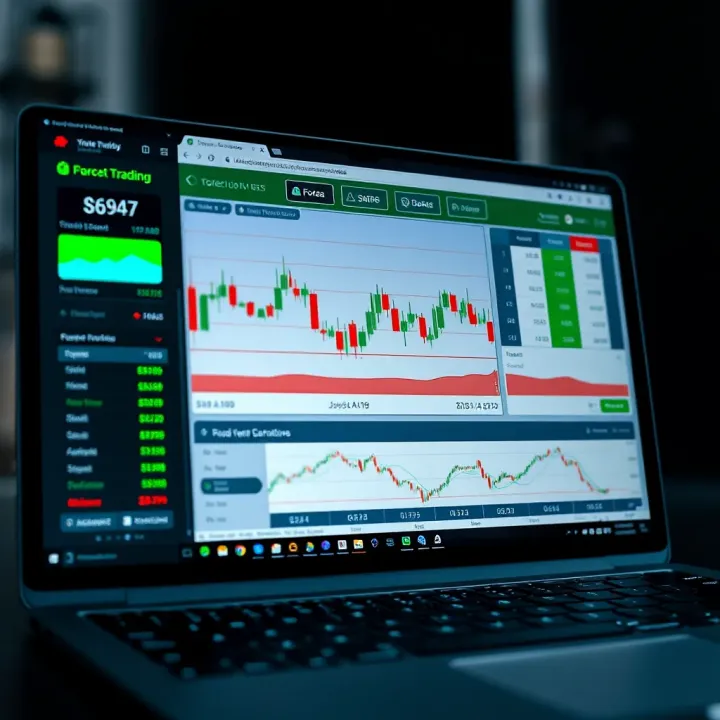
Kicking off your forex learning requires grasping a few core concepts such as currency pairs, pips, leverage, and margin. For example, the USD/NGN (US Dollar/Nigerian Naira) pair often sees movements affected heavily by CBN policies and naira instability. Understanding how leverage can multiply both profits and losses is especially vital since brokers in Nigeria offer leverage up to 1:500, which can be risky if not managed carefully.
Choosing the right forex broker is another key step. Opt for brokers regulated internationally and allowing Nigerian traders, like FXTM, HotForex, or local platforms integrated with Paystack or Flutterwave for seamless naira funding. Always verify that withdrawal and deposit processes run smoothly in ₦ to avoid surprise delays or costs.
Remember: Forex trading carries significant risk, especially with volatile currencies like the naira. Always start small, use demo accounts, and consider risk management tools like stop-loss orders.
Finally, continuous learning and practice are the bedrock of forex success. Apart from courses and tutorials, follow Nigerian economic news and Central Bank of Nigeria (CBN) announcements. These often shift currency values unpredictably, influencing short- and medium-term trades.
By mastering these basics, you’ll position yourself to trade forex in Nigeria with greater confidence and avoid common pitfalls.
Grasping the basics of forex trading is essential for anyone serious about stepping into the market. Without understanding the core concepts, beginners risk making costly mistakes that could easily be avoided. Knowing how forex works helps you spot opportunities and manage challenges confidently, especially given the dynamic Nigerian environment where factors like naira fluctuations and government policies play a role.
The foreign exchange (forex) market is a global platform where currencies are bought and sold. It’s the largest financial market in the world, operating 24 hours a day across different time zones. For Nigerians, forex enables trading of the naira against other world currencies like the US dollar or euro, which can be profitable when you correctly predict currency movements.
Forex trading works by speculating on currency value changes. For example, if you believe the naira will weaken against the dollar, you might buy USD/NGN currency pairs expecting to sell back later at a higher rate. In practice, traders make profits by entering and exiting trades that capitalise on these shifts, all without physically exchanging cash.
Major currencies dominate the forex market, including the US dollar (USD), euro (EUR), British pound (GBP), and Japanese yen (JPY). The dollar is especially important in Nigeria because many trades and commodities are priced against it, influencing local prices and import costs. Other currencies like the Chinese yuan (CNY) have also grown in relevance due to Nigeria’s trade ties with China.
Pips, lots, and spreads are terms you will come across frequently. A pip is the smallest price move a currency pair can make, often the fourth decimal place in trading terms. For example, a change from 380.50 to 380.51 in USD/NGN is one pip. Lots refer to the size of your trade; one standard lot is 100,000 units of the base currency. Understanding lot sizes help manage how much you risk per trade. Spreads are the difference between the buying (bid) and selling (ask) price. Brokers often benefit from this gap, and narrower spreads usually mean lower trading costs.
Leverage and margin allow traders to control larger positions with a smaller amount of money. For instance, if your broker offers 50:1 leverage, you can control ₦50,000 with just ₦1,000. While this magnifies profits, it also increases losses. Margin is the amount you need in your account to open and maintain a position. Managing leverage sensibly is vital because excessive leverage can quickly wipe out your funds.
Bid and ask prices represent the prices someone is willing to buy or sell a currency for. The bid price is what the market will pay for the currency, while the ask price is what sellers want to receive. The difference between these two is the spread. For traders, understanding this helps in timing trades efficiently and knowing the actual cost of entering or exiting the market.
Mastering these basics forms the foundation upon which successful forex trading is built. Without them, navigating the market is like driving without knowing the controls.
By grounding yourself in these essentials, you prepare to take further steps with confidence and avoid common pitfalls typical among beginners.
Starting your forex trading journey in Nigeria requires more than just opening an account and guessing market moves. This phase sets the foundation for your success by helping you pick the right broker, understand how to safely manage funds, and avoid common pitfalls faced by many Nigerian traders. Given the unique challenges in Nigeria, such as currency restrictions and limited access to certain international financial services, knowing the practical aspects of starting right matters a great deal.
Your choice of forex broker can make or break your trading experience. In Nigeria, many brokers operate online, but only some have proper regulation either locally or internationally. Brokers regulated by authorities such as the Financial Conduct Authority (FCA) in the UK or the Cyprus Securities and Exchange Commission (CySEC) usually offer better protection for your funds. This regulation demands transparency and enforces rules that reduce fraud risk—a serious concern in Nigeria’s online trading space.
Security here means not just protection against fraud but reliable fund custody and clear terms for withdrawals. For instance, if a broker delays payment or freezes accounts without reason, you risk losing money. Avoid any broker not clearly displaying a valid licence or with no track record in serving Nigerian clients.
Several brokers cater well to Nigerian traders, combining local payment options with global-access trading. IG, FXTM, and Alpari remain popular choices because they integrate payment gateways supporting Nigerian banks and e-wallets. These brokers maintain client support teams familiar with Nigerian trading challenges and offer Naira-based accounts.
Choosing one with demonstrated experience helps prevent issues around deposits or withdrawals. For example, FXTM has a reputation for speedy Naira deposits using bank transfers or card payments. This kind of accessibility smooths the path for beginners hesitant about navigating foreign payment systems.
A good broker should support multiple account types to fit your trading style and budget. You need platforms that work smoothly on basic PCs and smartphones, considering Nigeria’s sometimes unreliable power and internet.
Check for low spreads and transparent commission structures to keep trading costs manageable. Other important features include access to a demo account, educational resources, and good customer service. Some brokers offer local seminars or webinars tailored to Nigerian traders — resources that improve your skills alongside trading.
Most brokers offer standard, mini, or micro accounts. Nigerian beginners often start with micro accounts, which allow trading with very small amounts, sometimes as low as ₦10,000. This limits risk while you get used to the platform and market movements.
As you grow, you can upgrade to standard accounts that offer better leverage and lower transaction costs. Some brokers also provide swap-free accounts suitable for traders observing Islamic finance principles.
Understanding which account suits your initial capital and trading plan avoids wasting money on fees or trading too large too soon.
Funding in Naira eliminates conversion fees and simplifies accounting. Many brokers now accept direct Naira deposits via bank transfers, debit cards, or USSD codes, making it easier than before for Nigerians to start with local currency.
For example, GTBank and Access Bank supported payment gateways integrated into brokers’ platforms help make deposits instant or within a few hours. This quick turnaround matters when market conditions change rapidly, and you need to fund your account without delays.
Besides bank transfers, local payment options like Quickteller, Paystack, or Flutterwave also facilitate fund deposits and withdrawals. Using these familiar platforms means fewer hurdles and faster transactions than international wire transfers, which can take days and incur high fees.
Some brokers also accept funding via Nigerian mobile money wallets and even cryptocurrency, giving more options to traders wary of bank delays or regulatory changes.
Starting forex trading in Nigeria means picking trusted brokers with clear regulation, fund safety measures, and easy local payment options. This groundwork protects your investment and prepares you for the real trading challenges ahead.
To build a strong foundation in forex trading, it's essential to focus on learning and practising your skills before committing real money. The forex market is dynamic, with prices shifting swiftly. Without adequate knowledge, many traders risk losing their capital within days. Learning not only helps you understand market behaviour but also equips you to make informed decisions under pressure. Practising, especially with demo accounts, allows you to apply what you've learned without financial risk.
Books and online courses remain invaluable for beginners. Titles like "Currency Trading for Dummies" offer basic explanations, but Nigerian traders should look for resources that discuss trading within emerging market contexts. Platforms such as Coursera and Udemy provide courses tailored to forex fundamentals and technical analysis. Their practical exercises allow new traders to grasp chart reading and strategy development clearly.
Several websites and forums cater specifically to Nigerian forex traders. These platforms provide not only market updates but also community support where traders share tips and experiences. Popular Nigerian trading forums and Facebook groups often feature discussions on local broker reliability and payment platforms, which are crucial details unique to the Nigerian environment.
YouTube channels targeting Nigerian audiences offer step-by-step tutorials that make learning forex more accessible. Channels like FxMentorNG and Naija Forex School break down complex topics into simple, relatable lessons. Watching live trade reviews and market analysis videos helps beginners see theory applied in real time, enhancing understanding.
Demo accounts offer a risk-free way to practise forex trading. By using virtual money, you experience market movements and test strategies without the stress of losing real cash. This practice can reveal your psychological reactions to gains and losses, providing valuable self-awareness before trading live.
To simulate real market conditions effectively, use demo accounts that reflect live spreads, commissions, and execution speeds. Applying stop-loss and take-profit orders during demo trading also prepares you to manage risks properly. For example, platforms like MetaTrader 4 and 5 offer realistic demo environments.
However, traders should avoid common mistakes during practice, such as trading too aggressively because “it’s not real money.” This mindset can create habits that prove costly later. Stay disciplined by treating demo trading with the same seriousness as live trading and focus on consistency rather than quick wins.
Practising and continuous learning are not luxuries but necessities in forex trading. They form the bridge between theory and real-world success, especially in a market as volatile as forex.
Selecting the right tools and platforms is key for anyone keen on forex trading in Nigeria. These tools shape your trading experience, affect speed, reliability, and access to markets, plus help you manage risks effectively. Given Nigeria’s unique challenges—like internet connectivity and payment integration—choosing platforms tailored or friendly to Nigerian traders can make all the difference.
MetaTrader 4 and 5 remain the most widely used platforms worldwide, including in Nigeria. They offer user-friendly interfaces and advanced charting tools essential for technical analysis. MetaTrader 4 (MT4) is preferred by many beginners because of its simplicity and reliability. MT5, on the other hand, provides additional features such as more timeframes, economic calendars, and diverse order types, suiting more experienced traders.
Nigerian brokers frequently support these platforms, and MT4 and MT5’s compatibility with multiple devices means you can switch between PC and smartphone easily. Additionally, these platforms have a large community, so finding guidance, custom indicators, or automated trading scripts isn’t difficult. For example, a Lagos-based trader might use MT4 for smoother operation while commuting and switch to MT5 for deeper analysis at home.
Other popular platforms with Nigerian support include cTrader and proprietary broker apps like those from FXTM or Alpari. cTrader appeals to active traders who want modern features such as Level II pricing and a clean interface. Proprietary apps often come with localised support, enabling deposit and withdrawal with Nigerian payment systems like Paystack or Flutterwave, which can simplify funding in Naira.
Platforms like TradingView are also gaining popularity for charting and social trading features. While not a broker platform per se, TradingView connects with several brokers, allowing users in Nigeria to analyse markets extensively and share trading ideas. This kind of integration gives traders more control without switching apps repeatedly.
Given Nigeria’s bustling urban life, the ability to trade seamlessly on the go is essential. Smartphones have become the primary device for many Nigerians, so forex apps must work efficiently under local conditions. Effective use of these apps means mastering features like quick order execution, chart adjustments, and alerts while on the move.
For instance, apps such as MetaTrader Mobile or the FXTM Trader app offer intuitive interfaces tailored for smaller screens without sacrificing key tools. They enable traders to monitor positions and set stop losses even while stuck in Lagos traffic or riding an okada.
Data and connectivity considerations in Nigeria demand that trading apps are lightweight and perform reliably despite fluctuating internet quality. Some apps include offline chart analysis and delayed data modes, which help traders make decisions without continuous broadband. Many Nigerian traders rely on mobile data plans from MTN or Airtel, where coverage can be patchy, so apps optimised for low bandwidth go a long way.
Besides, using apps that facilitate local payment methods reduces time lost on fund transfers. This convenience can be crucial during volatile market hours when quick action is necessary. Nigerian traders should also consider apps that offer local customer support to avoid delays in resolving technical or financial issues.
Choosing the right forex tools and platforms that match Nigerian conditions and lifestyle is not optional; it’s fundamental for consistent profit and safety in trading.
In summary, focus on platforms that balance powerful trading functionality with accessibility through mobile apps. Combine this with local payment support and data-friendly features, and you get a setup that makes learning and trading forex in Nigeria a lot more manageable and productive.
In forex trading, managing risk isn't just a good idea — it’s a necessity, especially in a volatile market like Nigeria’s, where naira value and global events can swing rapidly. Without proper risk management, even a solid trading strategy can falter. Effective risk control ensures that losses remain manageable, letting you stay afloat for the long haul and learn from mistakes without wiping out your capital.
One key tool in managing risk is setting stop loss and take profit levels. A stop loss order automatically sells your position when the price hits a level you choose, protecting you from further losses. For example, if you buy the US dollar against the naira at ₦500 and set a stop loss at ₦490, your trade will close automatically if the rate falls to ₦490, limiting your loss to ₦10 per dollar. Conversely, a take profit order locks in gains by closing your position when a target price is reached, such as selling when the rate hits ₦520. Using these orders takes emotion out of the equation and guards your account against sudden market movements.
Understanding lot sizes and leverage is the next crucial piece. A lot size refers to the volume you trade, commonly standard (100,000 units), mini (10,000 units), or micro (1,000 units). Smaller lot sizes help you control risk by limiting exposure, an advantage for beginners or those trading with smaller accounts. Leverage, meanwhile, lets you control a larger position with a smaller amount of money. While it can amplify profits, it also magnifies losses. If you use 100:1 leverage, a ₦10,000 margin controls ₦1,000,000 worth of currency. In Nigeria, using very high leverage without experience can result in rapid losses, so it's wise to start low, like at 10:1 or 20:1, and increase only as your skills grow.
Emotional control remains one of the toughest challenges for Nigerian traders. Fear and greed easily push traders to hold losing positions too long or exit winners too soon. For instance, during periods of naira depreciation, panic can lead to overtrading or reckless decisions. Remaining calm, following your pre-set stop loss and take profit points, and sticking to your trading plan protects you from costly emotional errors.
Scams and unrealistic promises flood the forex space in Nigeria, preying on traders’ hopes for quick money. Promoters often boast guaranteed returns or secret strategies with zero risk — these claims rarely hold water. It's smart to verify brokers’ regulation status, avoid offers that seem too good to be true, and keep learning before committing large sums. Remember, forex trading is about patience, discipline, and persistent study, not shortcuts.
Managing risk is like carrying an umbrella in Lagos rain; it’s not a guarantee you won’t get wet, but it stops you from getting soaked.
By understanding these risk principles and avoiding common errors, you protect both your capital and your confidence, setting yourself up for steady, sustainable forex trading success in Nigeria.
Staying updated with forex knowledge is not a one-time effort but a continuous process. The forex market evolves daily, influenced by political events, economic shifts, and global developments. For Nigerian traders, keeping your skills sharp means regularly learning, adapting, and growing your understanding to trade effectively and avoid costly mistakes.
Trading forex requires awareness of events both at home and abroad. Local news outlets report on economic policies like Central Bank of Nigeria (CBN) interest rate changes or Naira exchange rate adjustments. For instance, when the CBN tweaks its monetary policy rate, it usually affects the value of the Naira against major currencies. On the international side, global news from sources like Bloomberg or Reuters informs traders about developments in the US, Eurozone, or China that can trigger significant currency fluctuations.
Following these sources daily helps you anticipate market moves rather than react blindly. For example, knowing about the US Federal Reserve’s policy statement ahead of time can prepare you for sharp movements in the dollar pairs.
Economic calendars are indispensable tools showing scheduled reports like inflation figures, GDP results, or employment data. These events often cause abrupt price swings. Nigerian traders who monitor an economic calendar can plan trades around high-impact news, either to avoid unnecessary risks or seize opportunities.
For example, Nigeria’s inflation rate announcement might influence forex pairs involving the Naira, while US Non-Farm Payrolls (NFP) data, released monthly, can lead to massive moves in USD pairs. Understanding these events' timing and potential impact enhances your trading decisions and risk management.
Trading in isolation misses out on valuable peer insights. Nigerian forex communities offer a platform where traders of different levels discuss strategies, share daily market analyses, and warn about scams or unreliable brokers. This collective intelligence supports better decision-making and reduces risks.
For example, a seasoned trader might advise youngsters on avoiding leverage pitfalls, while beginners share their demo-trading challenges. Such interaction helps in staying grounded and learning from past mistakes or successes within the local context.
Several Nigerian forex communities thrive online on platforms like Telegram, WhatsApp, and Facebook groups dedicated to forex trading. These often have Nigerian-specific discussions and updates, allowing quick exchange of information on brokers, regulations, or trading strategies.
Offline, meet-ups and seminars in cities like Lagos and Abuja provide face-to-face networking opportunities with industry experts and fellow traders. Organisations like the Nigerian Forex Traders Association (if active in your area) are good for formal knowledge exchange and staying alert to regulatory changes.
Continuing your forex education is as essential as knowing the basics. Keeping abreast of news and connecting with fellow Nigerian traders builds both your confidence and competence in the fast-moving forex market.
📈 Explore practical forex strategies tailored for Nigerian traders. Master market analysis, manage risks, and boost trading success with proven tips!
🇳🇬 Discover smart forex trading tips & strategies tailored for Nigerian traders! Learn to pick brokers, manage risks, and trade confidently with ease. 📈
Explore proven forex trading strategies for Nigerians 🇳🇬, covering technical skills, risk management, and market psychology to boost your success 📈💡
Looking for the best forex trading site in Nigeria? Discover how to pick secure platforms with low fees, great currency options, and reliable support 📈💰
Based on 11 reviews