
Effective Forex Trading Tips for Nigerian Traders
📈 Explore practical forex strategies tailored for Nigerian traders. Master market analysis, manage risks, and boost trading success with proven tips!
Edited By
Isabella Wright
Forex trading, also called foreign exchange trading, involves buying and selling currencies to make a profit. For Nigerian traders, this market is attractive because it operates 24/5, offering opportunities beyond the conventional stock market hours. The forex market is the largest in the world, with over $6 trillion traded daily globally, making it highly liquid and fast-moving.
Currencies trade in pairs, such as USD/NGN or EUR/USD, where you speculate on whether one currency will strengthen or weaken against the other. In Nigeria, common pairs include USD/NGN due to the naira's unique positioning and local economic factors.
Trading forex requires understanding how global events, Nigerian monetary policies, and commodity prices impact currency values. For example, central bank decisions by the Central Bank of Nigeria (CBN) on interest rates can influence the naira’s strength.
Remember, forex trading carries significant risks, especially with leverage – a tool that magnifies both gains and losses. Proper risk management is essential to protect your capital.
To get started, Nigerian traders usually open accounts with brokers regulated by reputable authorities and funded with amounts they can afford to lose. Many traders use platforms like MetaTrader or web-based interfaces hosted by local or international brokers.
Key things Nigerian traders should note include:
Market hours: The forex market never sleeps from Monday to Friday, opening with Asia before moving to Europe, then the US session.
Leverage and margin: While leverage allows trading larger positions, it increases risk. Some brokers offer leverage up to 1:500, but that’s not always advisable for beginners.
Volatility drivers: Economic releases, political developments (like elections), and commodity price shifts (especially oil, crucial for Nigeria) push currency prices.
Trading strategy: It’s best to have a clear plan, using fundamental or technical analysis or both, to time entries and exits carefully.
Starting with a demo account helps build your skills without risking real money. Once ready, gradually increase your stake while paying close attention to market conditions and your emotional control.
Mastering these basics gives you a stronger footing for the complexities ahead in forex trading within the Nigerian context.
Grasping the basics of forex trading is essential before you wade into the complex world of currency exchange. Whether you're a seasoned investor or a newbie, understanding how forex works helps you avoid common pitfalls and make informed decisions that protect your ₦ investment.
Forex trading involves buying one currency while simultaneously selling another, always in pairs. For example, if you buy the USD/NGN pair, you are purchasing US dollars while selling Nigerian Naira. The goal is to profit from fluctuations in the exchange rates between currencies. This market operates over-the-counter, meaning no centralised exchange; transactions occur directly between parties, often through electronic platforms. In practical terms, if you expect the US dollar to strengthen against the Naira, you may buy USD/NGN, aiming to sell later at a higher rate.
Not all currency pairs are traded equally. The most liquid are the "major pairs," which include EUR/USD, USD/JPY, GBP/USD, and USD/CHF. These pairs see heavy trading volumes, meaning tighter spreads and better price stability. For Nigerian traders, pairs like USD/NGN and EUR/USD are particularly important because of their direct impact on import, exports, and remittances. Knowing which pairs to focus on can save you from erratic price swings often seen in less popular "exotic" pairs.
Forex trading happens 24 hours a day during the week, thanks to global financial centres in London, New York, Tokyo, and Sydney. Understanding when these sessions overlap can give you an edge. For instance, the London-New York overlap (usually 1 pm to 5 pm WAT) offers the highest liquidity, meaning easier entry and exit at favourable prices. In contrast, during the Asian session, liquidity may dip, causing wider spreads. Nigerian traders should time their activities to these hours to manage risks and capitalise on predictable market movements.
Knowing the basics of forex trading—the what, how, and when—forms your foundation. It’s like understanding the roads before driving in heavy Lagos traffic; without this, you’re likely to make costly mistakes.
In summary, by comprehending how forex trading operates, recognising significant currency pairs, and timing your trades with market liquidity, you set yourself up for clearer decision-making and better risk management in the volatile currency market.
Currency values in the forex market shift due to various influences that traders need to understand. These forces guide how currencies like the naira, dollar, euro, or pound behave daily. Knowing these factors can sharpen your trading decisions and help you anticipate market trends instead of reacting blindly.
Economic indicators are statistical data points that show how well a country's economy is doing. Things like inflation rate, unemployment figures, GDP growth, and trade balance all tell a story about economic health. For instance, if Nigeria's inflation rate rises sharply beyond the Central Bank of Nigeria’s (CBN) target range, the naira might weaken because higher inflation usually erodes buying power.
Similarly, if the US releases a strong non-farm payroll report showing more jobs created than expected, the US dollar may strengthen as investors expect economic growth. These reports often cause volatile swings in currency pairs. That said, interpreting these reports in context is key; a good inflation reading in Brazil won’t always affect the naira-dollar pair the same way.
Political stability or turmoil has a direct effect on currency valuation. Elections, government policy changes, crises, or international relations can all sway market sentiment. Say, before a major guber election in Lagos State, traders may see increased naira volatility as uncertainty grows.
Market sentiment, essentially how traders feel about the market, often drives prices beyond what fundamentals suggest. Rumours, news reports, or surprises like an unexpected policy speech can all flip sentiment fast. For example, when Nigeria suddenly bans certain imports, traders react quickly to adjust positions on the naira, anticipating slower economic activity.
Market sentiment can sometimes overshadow data, especially in short-term trading, so keeping an eye on news flow is just as vital as understanding fundamentals.
Central banks control national monetary policies, influencing interest rates and money supply. The CBN's decisions on interest rate adjustments or intervention in the foreign exchange market heavily impact the naira's strength. Higher interest rates generally attract foreign capital, boosting demand for that currency.
Consider when the CBN raised its monetary policy rate recently to combat inflation; this move aimed to make the naira more attractive to investors and slow capital flight. Likewise, central banks’ open market operations, such as selling foreign reserves to stabilise currency, also create ripples in forex.
Understanding these policies helps traders predict how currencies might move and adjust strategies accordingly. It’s not just about reacting to market moves but anticipating them based on credible policy signals.
By following economic indicators, political developments, and central bank actions, you gain a fuller picture of currency movements. This approach supports smarter trading and reduces surprises in the often-unpredictable forex markets.
Forex trading offers good opportunities, but it's also a field with significant risks, especially for those who jump in without knowing the dangers. Understanding common risks and how to manage them is vital to protect your capital and enhance your chances of success. Nigerian traders must be particularly cautious owing to the market's volatility and challenges like unreliable brokers or sudden policy shifts affecting currencies.
Forex markets can change direction sharply, sometimes within minutes. This volatility means that a currency pair price might swing wildly, creating both opportunities and dangers. For instance, sudden news like a shift in Nigerian monetary policy or geopolitical tensions in the Gulf can cause rapid currency moves. Using leverage amplifies these movements. While leverage allows traders to control large positions with little capital, it also raises the risk of heavy losses. If you trade with 50:1 leverage and the market moves against you by just 2%, your investment could be wiped out. Therefore, it is critical to use leverage cautiously.
The forex space is littered with fake brokers and scammers, and Nigerian traders have fallen victim severally. Choosing a reliable broker is non-negotiable for your safety and success. Look for brokers regulated by credible authorities such as the Securities and Exchange Commission (SEC) Nigeria or international bodies like FCA or CySEC. Avoid firms that promise guaranteed profits or push you to trade large amounts quickly. Check reviews, verify licence documents, and test their customer support. Popular platforms like FXTM, Pepperstone, or OctaFX operate transparently and have good reputations.
Remember, your broker controls your trading account's custody. Trust and transparency are everything.
Controlling risk goes beyond picking the right broker or understanding market swings. Good risk management means setting stop-loss orders to exit losing trades before they get out of hand. It also involves limiting how much you risk on each trade—many successful traders risk only 1–2% of their trading capital per position. You should also diversify by trading different pairs or using varied strategies. As an example, if you put all your funds on USD/NGN alone, you’re exposed to Nigeria-specific risks; mixing in USD/EUR or GBP/USD could balance this out.
In summary, understanding and managing risks in forex trading isn’t just about avoiding losses. It helps you trade with a clear mind, avoid emotional decisions, and stay in the market for the long haul. Nigerian traders who prioritise these steps usually perform better and protect their hard-earned naira against unnecessary losses.
Forex trading demands more than luck or guesswork; it calls for practical strategies that help you make informed decisions and protect your capital. Understanding the nuts and bolts of trading techniques gives you an edge, especially in Nigeria's volatile market where currency swings can be swift and steep.
Technical analysis involves studying historical price charts to predict future movements. Beginners should focus on learning key tools like moving averages, support and resistance levels, and candlestick patterns. For instance, spotting a ‘double bottom’ pattern on the USD/NGN chart might signal a potential uptrend, prompting a buy decision. By identifying trends and entry points, you reduce the guesswork and trade on clearer signals. Successful traders often combine multiple indicators rather than relying solely on one, sharpening their market vision.
While technical analysis looks at price data, fundamental analysis studies economic and political events to anticipate currency shifts. For Nigerian traders, watching Central Bank of Nigeria (CBN) policies, inflation reports, or major global events like the US Federal Reserve meetings can provide valuable insights. For example, a hike in Nigerian interest rates often strengthens the naira, which could impact your trades. Understanding these macro factors helps you plan ahead and avoid surprises that technical charts alone might miss.
Demo accounts are free practice platforms that simulate real market conditions without risking actual money. Using them allows beginners to test strategies, understand order placements, and get familiar with trading platforms. For example, a trader can try out various position sizes or stop-loss settings on demo before committing real funds. This hands-on experience builds confidence and reduces emotional mistakes, which often cause losses during live trading. It is wise to practice severally on demo until you understand how different market scenarios affect your trades.
Building a strong foundation through practical strategies equips you to navigate forex markets smartly. These methods are not one-off fixes but ongoing habits that help safeguard your ₦ investment and improve your chances of success.
By blending analysis techniques with disciplined practice, Nigerian forex traders can sharpen their skills and approach the market with clarity and conviction.
Forex trading presents an opportunity for Nigerians to tap into the vast global currency market and potentially earn significant returns. However, starting in this environment requires careful thought about local conditions, regulation, and practical steps. Understanding these specifics helps you trade confidently while protecting your ₦ investment.
The Nigerian financial landscape is overseen by multiple regulatory bodies that impact forex activities. The Central Bank of Nigeria (CBN) plays the primary role in regulating foreign exchange transactions. It restricts access to the official forex market, encouraging traders to operate through authorised brokers and platforms. Additionally, the Securities and Exchange Commission (SEC) Nigeria supervises capital market activities, including forex brokerage firms operating legally within the country.
Trading independently with unlicensed brokers may expose you to scams and legal troubles. Always verify a broker's license with SEC Nigeria or other relevant agencies. For instance, brokers approved by SEC typically adhere to stringent rules on fund safety and reporting. This legal clarity ensures traders can seek recourse if disputes arise.
Among Nigerian traders, platforms like MetaTrader 4 and MetaTrader 5 remain widely used due to their reliability and strong analytical tools. Local fintech companies such as OPay, Flutterwave, and Paystack also integrate with some brokers, simplifying deposits and withdrawals.
Payment options accommodate popular local methods including bank transfers via GTBank, Access Bank, or Zenith Bank, and mobile money services. Some Nigerian traders prefer depositing with USSD codes or wallets for prompt transactions. When choosing a platform, check that it supports naira funding and has transparent fee structures.
Starting with a clear budget helps limit losses and plan trades realistically. Your trading capital should be an amount you can afford to lose without affecting daily life, especially since forex is volatile.
Consider these practical steps:
Set a fixed monthly budget: Avoid using emergency funds or money meant for essential expenses like rent or school fees.
Start small: Use minimum lot sizes to learn without risking large sums upfront.
Keep track of expenses: Allocate funds not just for trading but also for related costs like internet data or power backup during outages.
Use stop-loss orders: This automatic tool helps cap your losses in case trades move against you.
Many Nigerian traders have lost money by over-leveraging or chasing losses without a solid budget plan. Careful money management is key to staying in the game.
Launching your forex journey in Nigeria demands attention to regulation, smart platform choice, and disciplined budget control. These steps pave the way to trading success and help you avoid avoidable setbacks.
📈 Explore practical forex strategies tailored for Nigerian traders. Master market analysis, manage risks, and boost trading success with proven tips!
🇳🇬 Discover smart forex trading tips & strategies tailored for Nigerian traders! Learn to pick brokers, manage risks, and trade confidently with ease. 📈
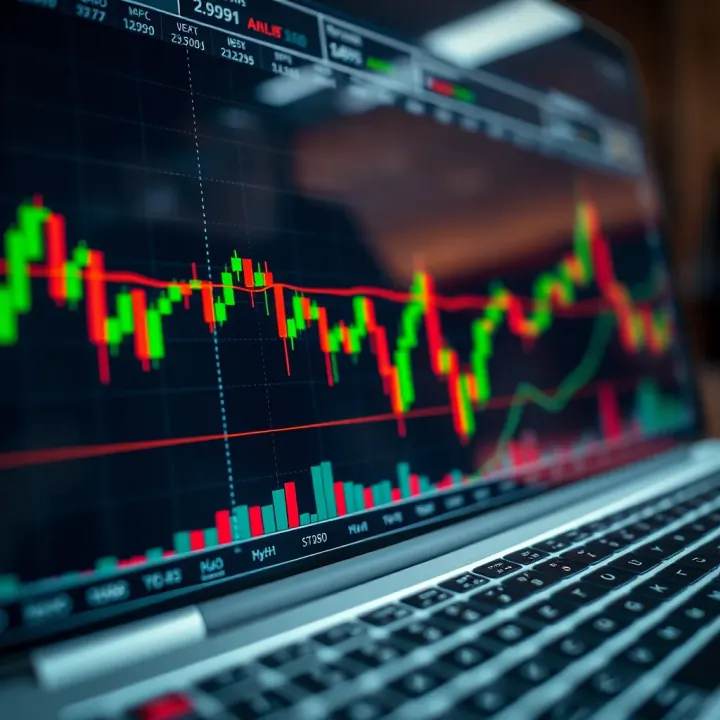
Explore proven forex trading strategies for Nigerians 🇳🇬, covering technical skills, risk management, and market psychology to boost your success 📈💡
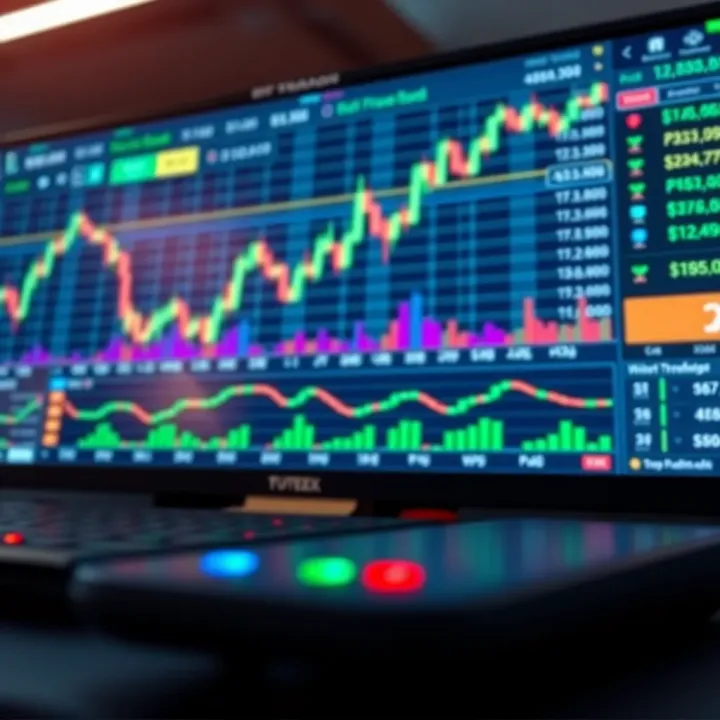
Looking for the best forex trading site in Nigeria? Discover how to pick secure platforms with low fees, great currency options, and reliable support 📈💰
Based on 12 reviews