
Benefits of Forex Trading Explained
Discover the benefits of forex trading for investors in Nigeria 🌍. Explore market access, liquidity, flexibility, profit chances, risk control, & tech impact 📈⚖️.
Edited By
Megan Phillips
Forex trading in Nigeria has stirred a lot of debate, with many wondering if it's genuinely profitable or just another scam. This confusion isn’t surprising because the forex market operates outside traditional financial systems, often making it seem complex and risky for the average trader.
At its core, forex trading involves buying and selling currencies like the US dollar, euro, or naira to make profits from price changes. Unlike owning shares or properties, traders don't hold physical assets but speculate on currency price movements. This dynamic opens doors for quick gains but also puts traders at risk if they don’t fully understand the market.
Several practices have fuelled mistrust among Nigerians:
Fake Brokers: Some operators promise guaranteed returns but pocket investments instead.
Unregulated Platforms: Trading on unlicensed platforms increases the risk of fraud and fund losses.
Too-good-to-be-true Offers: Claims like doubling your money in days sound tempting but often lead to scams.
Lack of Financial Literacy: Many jump into forex trading without grasping fundamental concepts, making them vulnerable.
Remember, genuine forex trading involves risk; no one can promise sure profits.
Understanding the market and exercising caution are essential:
Choose Licensed Brokers: Ensure your broker is registered with bodies like the Securities and Exchange Commission (SEC) Nigeria or other reputable international regulators.
Educate Yourself: Learn about forex basics, risk management, and the mechanics of trade execution.
Start Small: Avoid investing large amounts at once; use demo accounts first.
Beware of Red Flags: Watch out for unsolicited offers, pressure to invest quickly, or promises of guaranteed returns.
Use Trusted Payment Methods: Stick to secure channels such as bank transfers or recognised fintech platforms.
Forex trading is neither a guaranteed get-rich-quick scheme nor a scam by definition. Like any investment, success requires skill, patience, and due diligence. For Nigerians, with the right knowledge and careful steps, forex trading can offer additional income opportunities, especially when traditional avenues are limited. However, staying alert and informed remains the best defence against scams and losses.
Understanding how forex trading operates is key to separating fact from fiction. It gives you the tools to spot opportunities and avoid scams. Forex trading isn't just some magic money-spinner; it involves exchanging currencies based on real economic indicators, international events, and market sentiment.
Forex trading means buying and selling currencies to make a profit from their changing values. For example, if you buy the US dollar (USD) when it's low against the Nigerian naira (₦), then sell when the dollar strengthens, you earn a profit. Trades happen in pairs like USD/NGN or EUR/USD, reflecting the value of one currency relative to another. The global forex market operates 24 hours daily, making it very liquid and volatile.
In Nigeria, forex trading largely happens through online platforms or brokers who act as middlemen. Traders open accounts with brokers like FXTM, HotForex, or even local services that comply with Securities and Exchange Commission (SEC) rules. The internet allows Nigerians anywhere—from Lagos to Aba—to participate with just a smartphone and internet connection. Trades are usually done using leverage, meaning you can control a larger amount than your investment, which can boost profits but also increase risk significantly.
Forex trading in Nigeria involves real money and real risk. Unlike betting in a casino, it is influenced by factors like interest rates, geopolitical tensions, and economic reports, which makes knowledge essential.
Forex trading is open to many Nigerians, from students to retirees, as long as they have access to a reliable broker and the necessary funds. However, it suits those who can handle risk and are willing to invest time in learning market dynamics. Unlike fixed incomes like employment salaries, forex earnings fluctuate and can be unpredictable. Beginners should start small and educate themselves, possibly using demo accounts to practice without risking real money.
By grasping these basics, you gain clarity on how forex trading functions beyond the hearsay. This knowledge also arms you against fraudsters who claim guaranteed profits or push you towards shady schemes. In the next sections, we will look deeper into common misconceptions and red flags within the Nigerian forex space.
Understanding common misconceptions about forex trading is vital for anyone looking to enter the market, especially in Nigeria where misinformation often clouds judgment. These misconceptions can lead people to unrealistic expectations or outright avoidance of forex as an income opportunity. By addressing these myths, traders and investors can approach forex trading with practical knowledge and avoid falling into traps set by fraudulent schemes or hype.
Many believe forex trading is a shortcut to wealth, thanks to flashy adverts promising huge returns within days. The reality is quite different. Forex trading is not a lottery; it requires strategy, patience, and discipline. A typical example is how some newcomers deposit ₦50,000, expecting to double it weekly without any prior knowledge. Often, they end up losing the entire amount.
In Nigeria, where the cost of living and economic pressures push many to seek quick money, the temptation to treat forex trading like a get-rich-quick scheme is high. However, consistent profits in forex usually come after months or years of learning market dynamics and risk management. Professionals use analysis tools, follow global economic events, and develop tactics to limit losses. Treat forex trading as a business, not a gamble.
Forex trading demands commitment and continuous learning. Anyone expecting overnight riches is courting disaster.
Forex trading involves inherent risks, and no trader is immune to losses. The key difference between successful traders and those who fail lies in how they handle risk and develop skill.
Risk management includes setting stop-loss orders, limiting how much capital is exposed per trade, and avoiding emotional decisions during market volatility. For instance, a good trader might risk only 1% or 2% of their trading capital on a single position to prevent catastrophic loss.
Skill comes from studying price charts, understanding economic indicators like central bank policies or crude oil prices (which heavily influence the naira), and practising with demo accounts before using real money. Proper education and mentorship make a significant difference. Some Nigerian fintech platforms provide educational resources tailored to locals, which can help build essential skills.
Ultimately, success in forex boils down to combining skill and discipline with respect for risk. Ignoring any one of these elements increases the chance of significant losses.
By debunking the myth of quick riches and stressing the importance of skill and risk management, Nigerians can approach forex trading with a realistic mindset. This awareness is a key step toward responsible trading and avoiding the pitfalls that make forex appear like a scam to many.
Forex trading offers real opportunities, but the Nigerian market has seen many scams posing as legitimate brokers or investment schemes. Spotting these scams is crucial for protecting your funds and avoiding heartache. Knowing the typical tricks scammers use helps you steer clear and saves you from falling victim to what often looks like a quick road to easy money.
Scammers in Nigeria often create fake brokerages that promise ridiculous returns, sometimes claiming to double or triple your investment in a short time. For example, an online platform might offer a 300% return in a week, which is unrealistic and a red flag. They often use flashy websites and bogus testimonials to appear credible.
Another tactic is cold calling or social media direct messages targeting Nigerians, offering exclusive trading secrets or guaranteed profits. Scammers might pressure you to deposit large sums quickly, playing on greed and impatience.
Some scams use pyramid schemes disguised as forex investments, where early recruiters earn from new victims’ deposits rather than actual trading profits. This creates a bubble that eventually bursts, leaving most participants at a loss.
They may also manipulate demo accounts—showing you promising profits that disappear when you trade with real money. This bait-and-switch makes people believe the platform works until they lose their initial deposit.
Watch out for brokers or platforms that lack proper regulation or licence from Nigeria’s Securities and Exchange Commission (SEC). Operating without a licence is illegal and often a sign of fraud.
Promises of guaranteed profits with little or no risk are a major warning. Forex trading involves real risks, and anyone claiming otherwise is likely deceiving you.
Beware of platforms that prevent you from withdrawing your money easily or impose hidden fees after deposit. Legitimate brokers allow withdrawals with clear terms.
Lack of transparency about where the company is registered, no verifiable physical address, and poor customer service are also signs something is wrong.
Lastly, verify the identities of those marketing forex opportunities on social media. Impersonation of well-known traders by scammers is common.
Always take time to research a broker, check for SEC registration, read independent reviews, and don’t rush into deposits despite tempting offers.
Spotting scams early protects you from losing hard-earned naira. Keep these tactics and red flags in mind while navigating Nigerian forex markets to trade safely and securely.
Trading forex without caution can quickly lead to losses, especially when scams and unregulated brokers are rife in Nigeria’s market. To protect your investment and pursue real profits, it's vital to trade forex safely and responsibly. This approach helps build sustainable income over time while avoiding pitfalls that trap many newcomers.
Your choice of broker plays a critical role in your forex trading success. Nigeria’s financial sector has many brokers offering varied services, but not all operate transparently or with proper regulation. Always opt for brokers registered with the Securities and Exchange Commission (SEC) Nigeria or other recognised financial authorities. These brokers are more likely to adhere to responsible business standards.
For example, a broker registered with SEC must maintain client fund segregation—meaning your deposits are held separately from the company’s operating funds, reducing the risk of losing your money if the broker fails. Check for reviews and ask fellow traders about their experiences. Avoid brokers making unrealistic promises of high returns with little or no risk.
Managing risk is the backbone of responsible forex trading. Many traders, especially beginners, dive in with large sums expecting quick gains, only to lose major portions soon after. Use stop-loss orders—a tool that automatically closes your position if the market moves against you by a set amount—to limit losses.
Additionally, avoid putting more than 1-2% of your trading capital on a single trade. This way, a few bad trades won't wipe out your account. Diversify your trades and don’t over-leverage, since borrowing too much can amplify losses enormously. Remember, forex trading is not a sprint but a marathon.
Education remains the best defence against scams and poor trading decisions. Many Nigerian traders gain knowledge from free resources like educational videos from reputable platforms, webinars by experienced traders, and articles from trusted financial websites.
Also, joining local trader communities can provide valuable insights, mentorship, and support. For instance, online forums and social media groups where Nigerian traders share real-time market information help sharpen trading skills and avoid common mistakes.
Trading forex responsibly means staying informed, practising patience, and choosing trustworthy partners. While the market offers opportunities, approaching it with discipline protects you from the risks and scam artists prevalent in the Nigerian forex scene.
Taking these steps can transform your trading experience from a risky gamble to a calculated investment activity with better chances of achieving steady returns.
Regulation plays a key role in separating legitimate forex trading from scams. Nigerian traders must understand how regulators oversee forex activities to protect their investments and ensure fair play. The Securities and Exchange Commission (SEC) and the Central Bank of Nigeria (CBN) are the two main authorities shaping forex regulations today.
The SEC is Nigeria’s primary regulator for capital market activities, including forex trading platforms that operate within the country. Its main task is to licence and supervise firms offering forex trading services to ensure they meet legal and ethical standards. For example, a forex broker must register with the SEC and comply with disclosure and capital requirements to operate legally.
By working through the SEC, traders can identify brokers that follow the rules, reducing exposure to fraud. The SEC also issues public warnings against unlicensed entities and regularly updates investors about known scam operations. This vigilance helps curb unauthorised brokers who often promise unrealistic returns with little transparency.
The CBN oversees the overall financial system stability, including foreign exchange management. It sets policies governing access to foreign currency, which directly impacts forex trading liquidity. For instance, CBN directives on forex allocations affect how brokers and traders access US dollars or other major currencies for trading purposes.
Additionally, the CBN monitors payment channels used in forex transactions, such as bank transfers and mobile money, ensuring compliance with anti-money laundering (AML) laws. This reduces the chances of illicit activities hiding within forex operations. The CBN also regularly warns the public about forex schemes that violate banking rules or promise impossible profits, urging Nigerians to verify the status of brokers before investing.
Understanding and following regulatory guidance from both SEC and CBN is essential for anyone serious about trading forex in Nigeria. This awareness alone can prevent many from falling prey to scams.
To trade forex safely in Nigeria, always check if your broker is registered with the SEC and complies with CBN policies on currency handling. Brokers endorsed by these bodies typically offer safer, more reliable trading experiences. Avoid platforms that operate outside this framework, regardless of their flashy promotions. This practical approach not only protects your funds but also aligns your trading activities with Nigeria’s legal safeguards.
Discover the benefits of forex trading for investors in Nigeria 🌍. Explore market access, liquidity, flexibility, profit chances, risk control, & tech impact 📈⚖️.
📈 Explore practical forex strategies tailored for Nigerian traders. Master market analysis, manage risks, and boost trading success with proven tips!
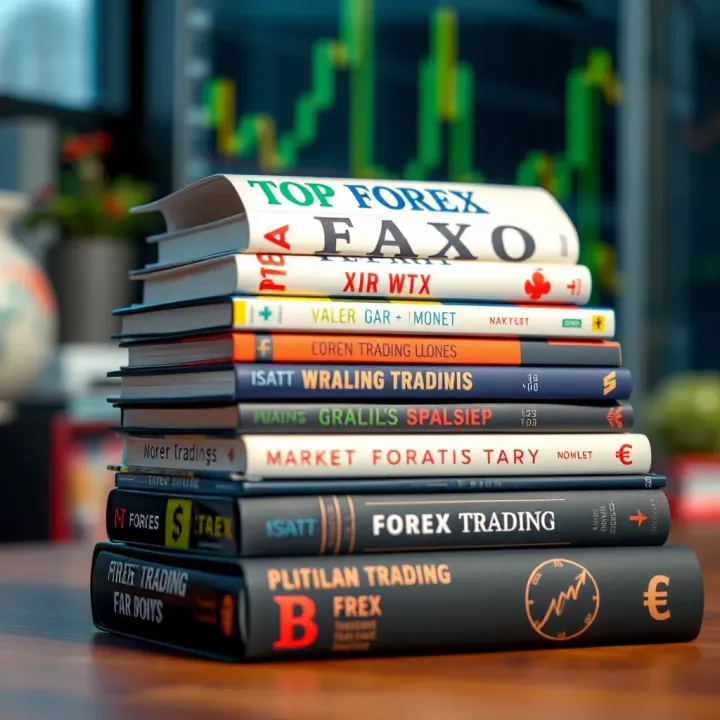
📚 Dive into the best forex trading books tailored for Nigerian traders. Explore strategies, market basics, and top picks for every skill level. 💹

Discover how to pick the best forex trading robot with clear tips on evaluating performance, managing risks, and fitting them into your strategy 🤖💹
Based on 9 reviews