
Best Time to Trade Forex in Nigeria
📈 Discover the best time for forex trading in Nigeria. Learn how global market hours and local timezone affect your trading strategy and profits.
Edited By
Laura Mitchell
Cryptocurrency trading in Nigeria has gained serious momentum in recent years, driven by a mix of youthful tech enthusiasm, economic volatility, and a growing distrust of traditional financial systems. Yet, trading crypto isn't just about jumping on the latest trend; it demands a thorough understanding of how the markets work, a clear grasp of risks, and an awareness of Nigeria’s unique regulatory environment.
For Nigerians eager to trade Bitcoin, Ethereum, or lesser-known altcoins, it's vital to start with the basics. That means knowing what cryptocurrency really is—digital money powered by blockchain technology—and how price movements happen through supply and demand, global news, and market sentiment.
Selecting the right platform is equally important. Not every exchange operates smoothly in Nigeria or supports the Naira directly. Platforms such as Binance, Quidax, or Luno are popular here because they allow seamless deposits and withdrawals in Naira and provide basic security measures like two-factor authentication.
You won't trade successfully by guesswork alone. Learning to analyse market trends using charts, volumes, and price patterns helps you spot good opportunities and avoid losses. Tools like Moving Average Convergence Divergence (MACD) or Relative Strength Index (RSI) indicators are commonly used by Nigerian traders to gauge momentum.
Risk management must never be overlooked. The crypto market is famous for its wild swings; thus, setting stop-loss orders and never investing beyond what you can afford to lose are practical steps every trader must take. Diversifying your portfolio helps cushion shocks too.
Lastly, understanding the regulatory framework in Nigeria is crucial. The Central Bank of Nigeria (CBN) has taken a cautious stance on cryptocurrencies, restricting banks from directly dealing with crypto exchanges. Still, freelance traders find ways around this, often using peer-to-peer platforms or crypto wallets.
For Nigerian traders, awareness and education are the first steps to trade cryptocurrency safely and profitably in a market that’s full of both promise and pitfalls.
This guide will take you through the essential steps and considerations, equipping you with practical knowledge to navigate the dynamic Nigerian crypto trading scene.
Grasping the basics of cryptocurrency and how trading works is essential for anyone looking to navigate Nigeria’s fast-growing crypto scene. Knowing these fundamentals helps you spot good opportunities and avoid costly mistakes.
At its core, cryptocurrency is digital money secured by cryptography. Bitcoin and Ethereum are two frontrunners — Bitcoin aims to be a digital alternative to cash, while Ethereum supports decentralised apps and smart contracts. For Nigerian traders, understanding these differences can guide your choice depending on your trading goals.
Cryptocurrencies run on blockchain technology, a decentralised ledger that records all transactions openly and securely. Unlike a bank, the blockchain doesn’t rely on a central authority, which reduces chances of fraud or manipulation. This transparency and security matter especially in a market where trust is key.
Coins and tokens are two main kinds of crypto assets. Coins like Bitcoin operate on their own blockchain and act as currency. Tokens, on the other hand, usually run on existing blockchains (like Ethereum) and can represent assets, rights, or even utility in specific projects. Knowing this helps you understand what you are actually trading and the potential use or value behind it.
Trading cryptocurrency differs from simply investing. When you invest, you buy with a long-term horizon, expecting value to grow steadily — say holding Bitcoin for years, hoping for price appreciation as adoption grows. Trading, however, is more hands-on and short-term, aiming to profit from price swings.
Among traders, styles vary. Day trading involves quick trades within the same day, trying to catch small market moves. Swing trading holds assets for days or weeks to profit from broader trends. Then there’s HODLing — holding on regardless of short-term volatility, hoping for big gains later. Nigerian traders should choose a style that matches their risk appetite and time commitment.
Spot trading means buying or selling actual cryptocurrencies immediately at current market prices. Derivatives trading, like futures or options, involves contracts based on crypto value without owning the coins directly. While derivatives can offer high leverage and potential profits, they carry greater risks and might not suit beginners. Most Nigerian traders start with spot trading for its simplicity and clear ownership.
Understanding these basics sets you up to trade smartly and safely. The crypto market can be volatile, but good knowledge gives you an edge.
Choosing the right crypto trading platform is vital for Nigerians stepping into this market. The platform you use impacts security, ease of trading, and even your potential returns. Picking a trustworthy exchange that suits your needs can save you from costly mistakes or exposure to scams. It also determines how easily you can buy or sell cryptocurrencies with your Naira.
Security is the non-negotiable foundation for any crypto trader in Nigeria. Look for exchanges with two-factor authentication (2FA), withdrawal whitelist options, and cold storage solutions for user funds. For example, platforms that store the majority of assets offline reduce risks of hacking. Also, clear policies on account recovery and support accessibility matter in case of account compromise. These features protect you from losing your investments to fraudsters or technical vulnerabilities.
Having Naira (₦) trading pairs on your platform makes it straightforward to deposit, trade, and withdraw without constant currency conversion hassles. This saves you from exchange rate losses and extra fees when converting from dollars or other currencies. Platforms like Bundle and Quidax provide smooth Naira-to-Bitcoin or Naira-to-Ethereum trading, which is a practical advantage for Nigerian traders who rely primarily on their local currency.
Trading fees can eat deep into your profits if you are not careful. Nigerian traders should prioritise platforms with transparent fee structures and low withdrawal charges. For example, some global exchanges may offer low trading fees but charge high fees or delays when withdrawing to Nigerian banks. Always compare transaction costs across platforms. Even small savings on fees add up significantly over time, especially if you trade frequently.
Local exchanges such as Bundle and Quidax cater specifically to Nigerian users by supporting Naira wallets and easy bank deposits or transfers. These platforms understand local payment systems, like Quickteller or Interswitch, enabling smooth onboarding. Their interfaces are usually user-friendly and tailored to local expectations, which lowers the learning curve for newcomers. Plus, customer support in Nigerian contexts tends to be more responsive, easing common user concerns.
Big global players like Binance and Luno also serve Nigerian traders with wide cryptocurrency selections, advanced tools, and multiple payment options. Binance, for instance, offers USSD P2P trading with Nigerian banks, allowing instant Naira deposits and withdrawals. Luno provides a simpler setup for beginners with Naira wallet support and instant trading. These platforms come with established security protocols and a global reputation, offering reliable options alongside local platforms.
P2P trading lets you buy or sell crypto directly with other Nigerians, often avoiding exchange restrictions or high fees. However, P2P carries risks like fraud or delayed payments. To reduce this, always use escrow services offered by platforms like Binance and Quidax, which hold funds until both parties confirm the trade. Verify counterparty ratings and never trade outside the secured platform channels. P2P can be handy for price negotiation or accessing rare coins, but caution is key.
Picking the right exchange isn't just about fees or popularity—it's about balance: security, ease of use with your currency, and reliable support to back you when needed. Nigerian traders who examine these details upfront position themselves better for success in crypto trading.
Trading cryptocurrency in Nigeria demands more than luck; it needs sound strategies and reliable tools. Without these, even keen traders risk losing money in such a volatile market. By applying basic strategies and employing the right tools, you can make smarter decisions, protect your capital, and navigate price swings more confidently.
Technical analysis helps traders identify price trends and possible reversals by looking at charts and patterns. Key indicators like the Relative Strength Index (RSI), Moving Averages (MA), and Bollinger Bands are popular among Nigerian traders. For instance, an MA crossover might suggest a good time to buy or sell a coin like Bitcoin. Chart patterns such as head and shoulders or double tops give visual clues on market direction, vital for timing trades.
Fundamental analysis, on the other hand, involves assessing external factors that affect a coin’s value. News events like regulatory announcements from the Central Bank of Nigeria (CBN), technological upgrades, or partnership deals directly influence investor sentiment. On-chain data—transaction volume, wallet activity, and miner behaviour—also reveal the token’s health. Nigerian traders benefit by combining these approaches: using charts to pick entries and news to confirm market momentum.
For accurate market info, Nigerian traders rely on sources like CoinGecko, CoinMarketCap, and local crypto news outlets. Mobile apps and WhatsApp groups dedicated to crypto trading provide fresh insights and grassroots sentiment. Staying updated here can make the difference between capitalising on a pump or falling victim to a sudden drop.
Deciding entry and exit points before trading prevents emotional decisions when prices move fast. For example, if you plan to buy Ethereum at ₦1,200,000, setting a target exit price at ₦1,350,000 helps lock profits. Similarly, identifying downside exit points reduces the risk of huge losses if the market turns.
Stop-loss and take-profit orders automate these exit points. If you purchase Bitcoin at ₦28,000,000, setting a stop-loss order at ₦26,000,000 protects you if the price dips too far. Meanwhile, a take-profit order at ₦30,000,000 ensures you secure gains without waiting indefinitely. These orders are especially useful in Nigeria’s volatile market, saving you from staring anxiously at screens.
Position sizing and capital allocation define how much to risk on each trade. A common rule for Nigerian traders is risking no more than 2-5% of your total portfolio on a single trade. For instance, if you have ₦500,000 set aside for trading, don’t put more than ₦25,000 on one coin. This approach spreads risk, allowing recovery from losses without wiping out funds.
Consistency and discipline in applying these strategies separate successful crypto traders from gamblers. A well-thought-out plan with disciplined execution helps handle Nigeria's unpredictable crypto market and preserves your capital over time.
In short, combining technical and fundamental analysis with clear trading plans gives Nigerian crypto traders the edge in this fast-moving market. By setting defined limits and sizing positions smartly, you build resilience against sudden shocks and improve chances for steady profits.
Managing risks is key in crypto trading, especially in Nigeria where the market can be wild and unpredictable. Without solid risk management, traders stand to lose significant sums quickly. This section helps you grasp market volatility, protect your investments, and stay clear of common scams that plague Nigerian crypto traders.
Crypto prices often swing dramatically — like Bitcoin rising or dropping by double-digit percentages within a day. Such volatility affects your trading decisions because small price moves can wipe out gains or deepen losses fast. For instance, a trader who buys Bitcoin at ₦20 million and drops 20% within hours faces a loss of ₦4 million unless they act quickly.
This high volatility demands careful planning. You cannot treat crypto like a stable stock where slow gradual changes occur. Traders must be ready for sudden drops and spikes, and adjust their strategies accordingly.
Protecting your funds during market dips means setting up stop-loss orders or regularly taking profits rather than holding on blindly. For example, a swing trader might decide to sell a portion after a 10% gain instead of waiting for an uncertain surge. Also, diversifying your portfolio across different coins can cushion you when one crashes unexpectedly.
Nigerian crypto traders frequently face scams, including fake investment platforms promising outrageous returns or phishing attempts masquerading as legitimate exchanges. One common pitfall is sharing private keys or OTPs, which scammers use to empty wallets.
Verifying platform legitimacy is essential before depositing funds. Confirm that the exchange is licensed by the Nigerian Securities and Exchange Commission (SEC) or recognised internationally. Check user reviews and ensure two-factor authentication is enabled. Scammers often create sites that closely mimic real ones — so always double-check URLs and app downloads.
Securing your crypto wallet should be a top priority. Use hardware wallets or highly trusted software wallets with strong passwords. Never share your seed phrase or private keys with anyone, no matter how convincing they sound. Maintaining offline backups of wallet information protects you in case your device fails or is hacked.
Staying alert to risks and following security best practices lets you trade confidently in Nigeria's fast-moving crypto scene, protecting your hard-earned naira from unnecessary loss.
By understanding volatility’s impact, guarding funds during downturns, recognising scams, and safeguarding your wallet, you position yourself well to avoid common pitfalls and trade more safely.
Understanding Nigeria's crypto regulatory landscape is essential for anyone trading digital currencies here. The laws and regulations directly affect how you buy, sell, and hold cryptocurrencies, especially given the Central Bank of Nigeria (CBN) and Securities and Exchange Commission (SEC) policies. Staying informed helps you avoid legal trouble, protect your funds, and plan your trading activities wisely.
In early 2021, the CBN directed banks to stop facilitating transactions involving cryptocurrencies. This moved crypto trading mostly to peer-to-peer (P2P) platforms and informal channels since direct deposits or withdrawals to a Nigerian bank account for crypto dealings became restricted. As a result, traders now use P2P platforms like Binance and Quidax to convert naira to crypto and back. While this limits easy bank access, it also pushes traders to be extra careful due to risks around delayed payments or scams.
The SEC Nigeria has taken steps to regulate the crypto market more formally, especially initial coin offerings (ICOs) and crypto assets that resemble securities. They require crypto businesses to register and comply with investor protection rules. For traders, this means some exchanges and projects operate under regulatory oversight, which could reduce the risk of fraud. However, not all platforms comply, so checking for SEC registration is a good way to pick safer trading venues.
Although Nigeria has not issued detailed crypto-specific tax regulations, profits from cryptocurrency trading are subject to income tax under the Personal Income Tax Act. If you make gains trading crypto regularly or as a business, you must declare these earnings to the Federal Inland Revenue Service (FIRS). Many traders overlook this, but failure to report earnings can lead to penalties. Keeping careful records of your transactions is critical for tax purposes.
Know Your Customer (KYC) and Anti-Money Laundering (AML) rules apply to Nigerian crypto exchanges and platforms that handle fiat currency. This means providing valid identification like your National Identification Number (NIN) and proof of address. These checks help reduce fraud and illegal activities but can be inconvenient for users expecting full privacy. Using regulated platforms that follow these procedures also makes it easier to withdrawal funds to your bank.
To report your crypto gains, include them as part of your taxable income when filing your annual tax returns. This requires calculating the net profit from your trades, deducting losses where applicable. Since detailed guidance is sparse, consulting a tax expert familiar with digital assets in Nigeria is wise. Filing properly ensures you stay on the right side of the law and prevents future troubles with FIRS.
Regulatory clarity in Nigeria’s crypto space is evolving. The CBN and SEC seem to be moving towards clearer frameworks that balance innovation with consumer protection. Policies are expected to become friendlier, potentially allowing more banking integration for crypto transactions. Meanwhile, proposals for a central bank digital currency (CBDC) might also impact the market. Traders should keep watch on updates from both agencies to adjust strategies accordingly.
Navigating Nigeria’s crypto laws isn’t just about legal compliance—it protects your investments and builds trust in the fast-changing crypto market here.
In sum, understanding and working within Nigeria's crypto regulations helps you trade smarter and safer. It reduces risks of sudden restrictions, scam losses, or tax issues, positioning you better to benefit from the growing digital economy.
📈 Discover the best time for forex trading in Nigeria. Learn how global market hours and local timezone affect your trading strategy and profits.
Looking for the best trading app in Nigeria? 📱 Discover essential tips, safety advice, and app features to boost your earnings and trade smartly today! 💰
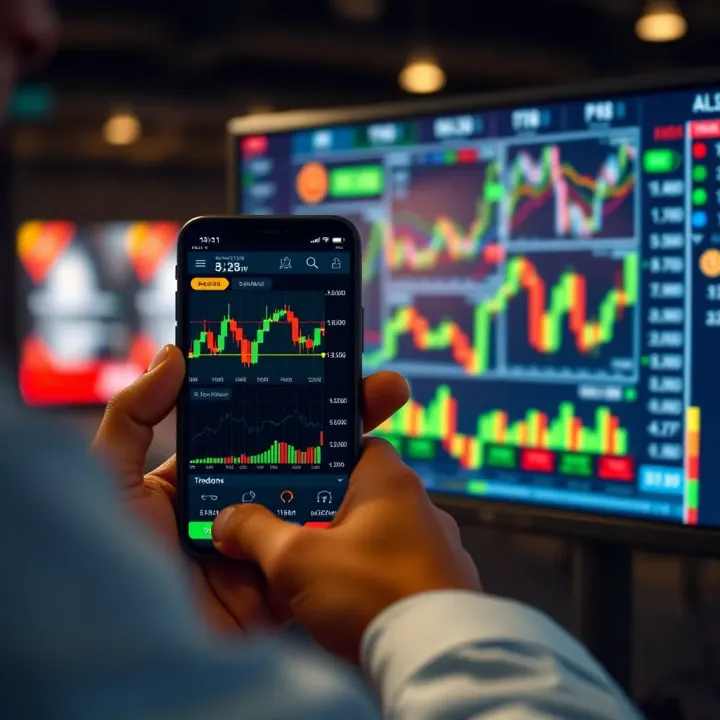
📱 Discover the best trading apps in Nigeria! Learn features, safety tips, and how to trade smartly with mobile platforms made for Nigerian investors. 🇳🇬
📊 Discover how binary options work, their risks & rewards, and smart trading tips for Nigerian traders. Stay informed & trade responsibly in today's market!
Based on 10 reviews