
Best Forex Trading in Nigeria: Your Practical Guide
Discover the best forex trading tips in Nigeria! Learn how to pick top brokers, understand local trends, and navigate regulations like a pro 📈🇳🇬
Edited By
Megan Phillips
Forex trading in Nigeria has grown steadily, drawing in individuals eager to profit from the currency market. Unlike the stock market where local companies are involved, forex trading focuses on exchanging one currency for another. Traders speculate on currency pairs such as the Nigerian Naira (NGN) against major foreign currencies, including the US Dollar (USD) and the Euro (EUR). Understanding how this market works locally is essential before jumping in.
The Nigerian forex scene is shaped by both global currency trends and local economic factors like inflation, interest rates, and government policies. The Central Bank of Nigeria (CBN) plays a significant role in regulating forex activities, aiming to stabilise the Naira and control speculative behaviours. That means any trader or investor should be aware of the strict rules and licensing requirements affecting brokers and financial service providers.
Central Bank of Nigeria (CBN): Sets policies and monitors the forex market to protect monetary stability.
Regulated Brokers: Licensed companies offering trading platforms connecting traders to international currency markets.
Retail Traders: Individuals or small businesses looking to capitalise on currency fluctuations.
Institutional Traders: Banks, hedge funds, and corporations conducting forex transactions for various purposes.
The market operates 24/5 globally but Nigerian traders mostly engage via desktop or mobile platforms provided by brokers with local regulation compliance. This mix ensures accessibility but demands caution.
While forex trading offers chances for profit, it involves substantial risk, especially amid Nigeria’s currency volatility and policy shifts.
Start by familiarising yourself with trading basics: currency pairs, pips (price movements), leverage, and margin. Nigerian traders must also understand how local regulations, such as the Investors and Exporters (IE) forex window, impact available market access.
Setting up a trading account with a reputable, CBN-licensed broker is non-negotiable. Watch out for scams promising quick riches; realistic expectations and steady learning are your best allies.
To sum up, forex trading in Nigeria is a vibrant but complex field. Preparing with knowledge of regulatory frameworks, market dynamics, and the right tools increases your chances of navigating it safely and effectively.
Forex trading is increasingly popular in Nigeria, and understanding what it involves is essential before taking the plunge. Unlike traditional investments such as property or stocks, forex focuses on trading currencies, often across global pairs like the US Dollar versus the Nigerian Naira (USD/NGN). This currency exchange plays a big role in global trade and finance, making forex markets highly liquid and fast-moving.
Forex trading is about buying one currency while simultaneously selling another. For example, if you think the US Dollar will strengthen against the Naira, you might buy the USD/NGN pair. If the dollar indeed gains value, you earn a profit by selling it back at a higher rate. This back-and-forth currency swapping happens worldwide 24 hours a day, which means traders can act on shifts whenever they occur.
Unlike investing in shares or property, forex doesn’t involve owning a physical asset or company stake. It’s purely about speculating on price movements between currency pairs. This makes it more accessible for traders with smaller starting capital because many brokers offer leverage — a tool that allows you to control a bigger position than your actual funds. However, leverage also increases risk, so it demands careful money management.
Economic uncertainty and inflation in Nigeria often push people to look for alternative income sources. Forex trading offers a chance to profit from currency fluctuations influenced by local economic conditions, global trade, and geopolitical events. For instance, when the Naira weakens due to local inflation or changes in oil prices, traders can potentially benefit by shorting the Naira against stronger currencies.
One big reason forex trading is catching on in Nigeria is how easy it has become to start. With widespread mobile internet and smartphones, many Nigerians now trade using apps like MetaTrader 4 or proprietary broker platforms on their mobile devices. This means you can trade from your stoep or even while commuting, offering flexibility impossible with traditional investments. Many brokers also support local payment methods, making deposits and withdrawals smoother for everyday traders.
The appeal of forex trading in Nigeria lies in its round-the-clock access, potential for fast returns, and the ability to trade on a relatively small budget, all supported by increasing digital connectivity.
Understanding these basics sets the stage for anyone serious about entering Nigeria’s forex market with eyes wide open, aware of both the possibilities and risks.
Understanding the regulatory framework is essential for anyone considering forex trading in Nigeria. It not only helps protect your funds but also ensures you operate within the legal boundaries set by local authorities. The forex market can be tempting with its potential for quick returns, but without clear regulations, you risk falling prey to scams and unlicensed operators.
The Central Bank of Nigeria (CBN) oversees financial institutions and monetary policy, while the Securities & Exchange Commission (SEC) is responsible for regulating capital markets, including forex brokers. For a forex broker to operate legally in Nigeria, they must obtain licensing and approval from the SEC. This licensing includes adherence to specific capital requirements, transparent reporting, and compliance with anti-money laundering laws.
This formal regulation shields traders from fraudulent activities and ensures brokers meet certain operational standards. For instance, brokers regulated by the SEC are required to keep client funds in segregated accounts, minimising the risk of misappropriation.
On the official stance regarding retail forex trading, the CBN has repeatedly emphasised caution. While forex trading as an investment is not banned, the CBN does not currently authorise Nigerian banks to facilitate forex trading directly, leading traders to use authorised brokers instead. The regulatory bodies actively warn Nigerians against dealing with unlicensed forex platforms or introducing agents promising large returns, which are often disguises for pyramid schemes or scams.
Many Nigerian traders are tempted by offshore brokers offering lower spreads or high leverage. Yet, these brokers often operate outside Nigerian regulation, exposing traders to significant risks. Unregulated brokers might vanish overnight, refuse withdrawals, or manipulate trading platforms to the trader’s disadvantage.
Scammers often exploit a lack of forex knowledge and the hope for quick profits. Examples include fake brokers with unverified credentials or platforms demanding upfront deposits with promises of guaranteed high returns. Falling for these schemes can result in severe financial loss.
To identify legitimate brokers, traders should:
Check if the broker is licensed by SEC or recognised global regulators like the FCA (UK) or ASIC (Australia).
Review broker transparency, such as clear terms for spreads, commissions, and withdrawal processes.
Test platform reliability with demo accounts before investing real money.
Seek reviews from credible sources and local trading communities.
While it might seem easier to pick offshore options with flashy marketing, staying within the SEC-regulated environment adds a layer of safety and legal recourse. Nigerian traders are best served by prioritising brokers that comply fully with local laws and financial regulations.
Staying informed about regulatory frameworks is your first defence against scams and rogue brokers. It ensures trading stays as safe and fair as possible in Nigeria’s evolving forex scene.
Getting started with forex trading in Nigeria demands clear, practical steps. This section breaks down the essentials, helping you avoid costly mistakes and navigate local realities effectively. Whether you’re a keen trader or an interested investor, knowing how to pick the right broker, manage your funds, and use tools well can make all the difference.
Nigerian traders often face the choice between local brokers and international ones. Local brokers may offer easier payment options like direct bank transfers or Paystack, and they usually understand the local regulatory environment better. But sometimes, their product range or platform technology might not be as extensive or updated as international brokers, such as IG or XM.
International brokers provide broader access to global markets and often support diverse trading tools and currency pairs. However, funding accounts and withdrawing profits can be slower and more complex due to currency conversion and cross-border restrictions.
When choosing a broker, watch closely for the spread and commission costs—they eat into your profits. Some local brokers entail variable spreads that widen during volatile periods, affecting day traders especially. Commission fees on trades differ widely; the key is to balance low costs with the reliability of the platform.
Beyond costs, evaluate platform features such as charting tools, ease of order execution, and customisability. An intuitive platform like MetaTrader enhances your ability to react quickly, which matters when the naira-dollar pair moves sharply.
Funding your trading account is often a sticking point. Local options include direct bank transfers from banks like FNB or Standard Bank, and mobile payment services such as Paystack or Flutterwave. Some brokers also accept funding via USSD codes, which is handy during power outages.
Beware of hefty conversion fees if funding in foreign currencies. Choosing brokers that allow deposits in naira helps avoid unnecessary costs and eases fast withdrawals.
Forex pairs tell you which currencies you’re trading, e.g., USD/NGN. Grasping how pairs move and the role of the margin—which is a security deposit allowing you to hold larger positions—is vital. Using too much leverage can quickly wipe your capital.
For example, if you trade with a 1:100 margin, R1,000 controls R100,000 in currency. Getting your head around margin requirements helps in managing risks effectively.
MetaTrader 4 (MT4) remains the favourite for many Nigerian traders because of its straightforward interface, reliability, and broad broker support. MetaTrader 5 (MT5) builds on this with additional features like more timeframes and order types, which seasoned traders appreciate.
Both platforms offer demo accounts, letting you practise without risking real funds—a crucial step for beginners.
The rise of mobile apps means many Nigerians trade on the go. Platforms like MT4 and MT5 have mobile versions designed for smartphones, letting you monitor positions, execute trades, and receive market alerts.
Given frequent power outages, mobile trading apps offer resilience. A stable mobile data connection often outlasts home power supply, so learning to use these apps confidently can keep you in the game no matter your location.
Choose your broker and tools wisely, understanding both costs and local constraints, to build a solid foundation for forex trading in Nigeria.
Trading forex in Nigeria demands more than just picking currency pairs and hoping for the best. Successful trading combines effective strategies with strong risk management to keep your capital safe. Without a clear plan, it’s easy to lose track and blow out your account. This section breaks down common approaches Nigerian traders use and practical ways to manage risks.
Day trading and scalping are popular with traders who want quick results. Day trading involves opening and closing positions within the same trading day to catch small price movements. Scalping is an even faster method, targeting very short-term trades that last just minutes or seconds. Traders in Nigeria often use these techniques because they fit well with volatile markets and the availability of mobile trading platforms.
These styles require fast decision-making, access to reliable data, and low spreads. For example, a trader might scalp the USD/ZAR pair during London or New York sessions where volatility peaks, aiming for small profits repeatedly. However, these strategies need full attention and discipline, or you may fall prey to sudden forex swings.
On the other hand, swing trading aims to capture price moves over several days or weeks. This suits traders who cannot monitor the markets constantly but still want to participate in medium-term trends. Swing traders in Nigeria often combine technical analysis with economic news to time their entry and exit points. They might hold a position on the EUR/USD while watching for key support or resistance levels, then sell once the trend reverses.
Swing trading tends to involve fewer trades and lower stress compared to day trading. It also allows users to avoid the noise caused by intraday fluctuations, making it a practical choice for many busy traders.
Stop-loss orders and position sizing are essential for limiting losses. A stop-loss sets a price where your trade automatically closes if the market moves against you. Nigerian traders should place stop-loss levels based on their risk tolerance rather than arbitrary values. For instance, risking 1-2% of your trading capital per trade is a common rule to protect your account from big setbacks.
Position sizing complements this by determining how many lots or units to trade based on your risk limit. For example, if your account is R50,000 and you only want to risk R1,000 on a trade with a 50-pip stop loss, your position size will adjust accordingly. Thoughtful sizing keeps losses manageable, even in volatile conditions.
Keeping emotions in check can’t be overstated. Fear and greed lead many traders astray, causing rash entries or holding losing positions too long. In Nigeria’s sometimes unpredictable forex landscape, emotions might run even higher. Traders should stick to their plan, avoid revenge trading, and remember that losses are part of the game.
Developing patience and a routine, like reviewing trades and journaling, helps control emotions. A disciplined mind prevents impulsive moves that drain capital.
Effective risk management is the backbone of lasting success in forex trading. Pair smart strategies with discipline, and your trading journey will be more sustainable in Nigeria’s dynamic markets.
By understanding these strategies and managing risks properly, Nigerian traders improve their chances of making consistent profits while avoiding devastating losses. This section provides a solid foundation to plan your trades with confidence.
Technology plays a big role in forex trading today, especially in Nigeria where access to the internet and mobile devices has expanded trading opportunities. Having the right tools and resources can help you make quicker, smarter decisions and improve your chances of success. From tracking market news to analysing charts, technology provides the backbone that supports active forex trading.
Economic calendars and newsfeeds are essential for staying updated on events that can sway currency markets. For Nigerian traders, keeping an eye on global economic releases like US non-farm payrolls or interest rate decisions helps anticipate volatility. Local events, such as Nigerian Central Bank announcements or inflation data, also influence currency pairs involving the naira. Using apps or websites that provide real-time alerts and explanations lets you time trades more effectively and avoid surprises.
Charting and technical analysis software assists in reading market trends and making entry or exit decisions. Popular platforms like MetaTrader offer tools for drawing support lines, identifying candlestick patterns, or applying moving averages. These visual aids simplify complex data, helping you spot momentum shifts early. For instance, recognising a head and shoulders formation can signal a reversal, giving traders a chance to adjust their positions promptly.
Local training providers and online courses play a vital role in building a strong foundation for new Nigerian traders. Programs offered by reputable organisations or experienced traders cover basics like forex terminology, risk management, and strategy development. Many courses include live sessions or simulations tailored to South African time zones, making learning relevant and accessible. This practical approach ensures traders understand not just how to trade but how to navigate specific local challenges.
Social trading groups and forums add value by connecting traders across Nigeria and beyond. Platforms such as WhatsApp groups or Telegram channels allow members to share tips, discuss strategies, and debate market moves in real time. Engaging in these communities sharpens your understanding and keeps you informed about scams or unreliable brokers specific to the Nigerian market. Plus, it’s a good way to build confidence and stay motivated knowing others face similar ups and downs.
Having the right technology and supportive resources is no longer optional but a necessity for anyone serious about forex trading in Nigeria. Use them wisely to stay ahead of market trends, learn continuously, and protect your investments.
The forex market in Nigeria offers genuine opportunities, but many traders stumble on avoidable pitfalls that cost time and money. Recognising these common traps early helps protect your capital and set a sustainable path. This section shines a light on the risks peculiar to Nigerian traders and provides practical ways to steer clear, so you don’t get caught up in avoidable mistakes.
One of the most troubling issues in Nigerian forex trading is falling victim to scams. A typical red flag includes brokers promising guaranteed returns with little to no risk—an unrealistic claim in any investment. Be wary of aggressive marketing on social media platforms or unsolicited calls urging you to invest urgently. Such tactics are common schemes designed to lure inexperienced traders.
Local scammers often use names similar to reputable firms or showcase fake testimonies and flashy offices to gain trust. For instance, some operators might mimic popular names but lack legitimate licence from the Central Bank of Nigeria (CBN) or Securities and Exchange Commission (SEC). It’s essential to remain sceptical of any offer that seems too good to be true.
Verifying broker credentials is vital to avoid falling prey to fraud. Always check whether the broker is registered with the SEC or approved by the CBN. Access official registries or consult credible industry sources for up-to-date information on licensed entities. For example, a genuine broker operating in Nigeria should provide verifiable contact details and transparent trade terms.
Before funding your account, conduct due diligence: look for reviews from trusted trading communities, ask questions about withdrawal procedures, and confirm the presence of risk management tools on the platform. A legitimate broker will not shy from transparency, while a scammer will often dodge straightforward queries.
Discipline and patience form the backbone of successful forex trading. Many Nigerian traders jump straight in, driven by excitement or a desire for quick profits, which leads to overtrading—making too many trades in quick succession without proper analysis. This behaviour usually results in losses rather than gains.
Overtrading not only drains your funds through transaction costs but also clouds your judgment. Experienced traders advise sticking to a well-defined strategy and giving each trade sufficient time to play out. Remember, forex is not a get-rich-quick scheme. Approaching it with patience lets you learn from the market’s natural ups and downs.
Setting achievable goals helps keep trading grounded and manageable. Instead of chasing enormous profits fast, aim for consistent, modest returns. For example, targeting a steady 2% gain per month is a more reliable plan than hoping for 50% from one trade. Consistent progress builds confidence and reduces emotional stress.
Moreover, realistic goals encourage better risk management. When you set achievable benchmarks, you’re less likely to risk all your capital in one game-changing move. This balance between ambition and caution is what separates lasting traders from those who burn out quickly.
Maintaining awareness of these common pitfalls and acting cautiously can dramatically improve your chances of success in the Nigerian forex market. Avoid scams, trade responsibly, and set clear goals to keep your trading journey on track.
Discover the best forex trading tips in Nigeria! Learn how to pick top brokers, understand local trends, and navigate regulations like a pro 📈🇳🇬
📈 Explore a practical guide to forex trading in Nigeria. Learn market basics, regulations, startup steps, risks, and tips for smart, safe trading.
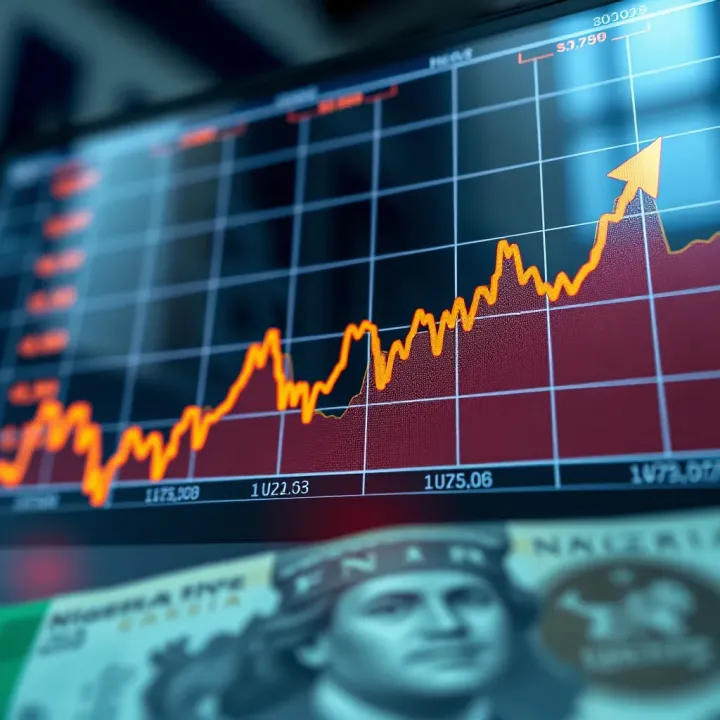
Explore forex trading essentials for Nigerian investors 🇳🇬. Learn market basics, strategies, risk management, broker choices, and regulations. Start smart!
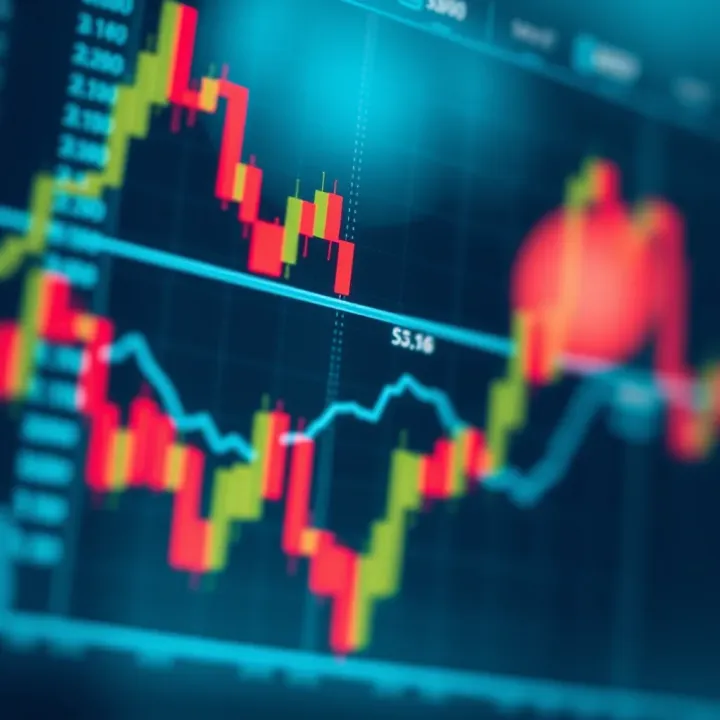
📈 New to forex trading in Nigeria? Get practical tips on choosing brokers, managing risks, and avoiding traps while building confidence to grow your ₦ portfolio safely.
Based on 12 reviews