
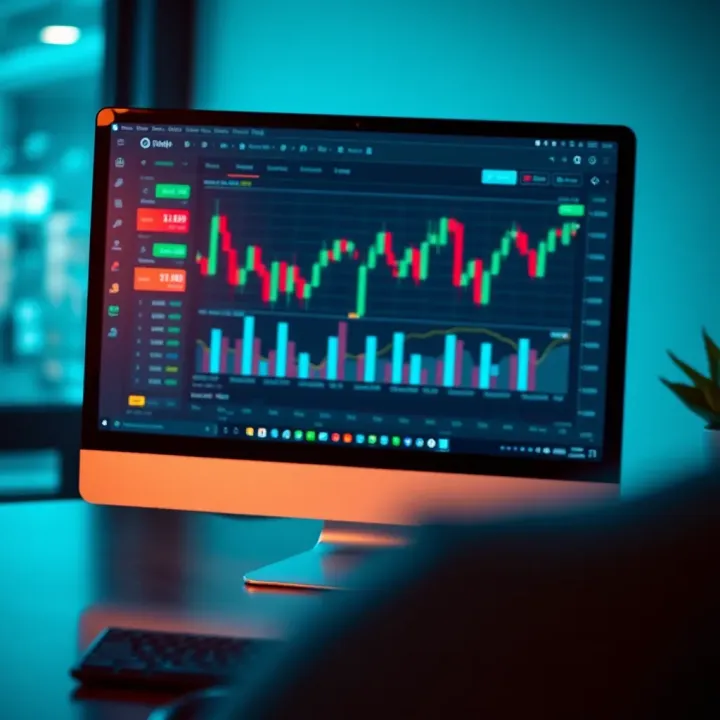
Understanding Forex Demo Accounts in South Africa
📈 Discover how forex demo accounts help South African traders practise risk-free, build confidence, and pick the right broker before investing real Rs. 💡
Edited By
Charlotte Williams
Starting out in forex trading without a demo account is a bit like setting off on a road trip without a map or GPS. You might fancy yourself a good driver, but without practising the route, the odds are high you’ll get lost or stalled before you reach your destination.
A demo account is a simulated trading platform that works just like its real-money counterpart, but without risking any of your cash. It lets you buy and sell currencies using fictional funds, so you can see how trades unfold in real-time market conditions. This hands-on experience is invaluable, especially for traders in South Africa who want to understand the forex market’s quirks before putting their hard-earned rand on the line.
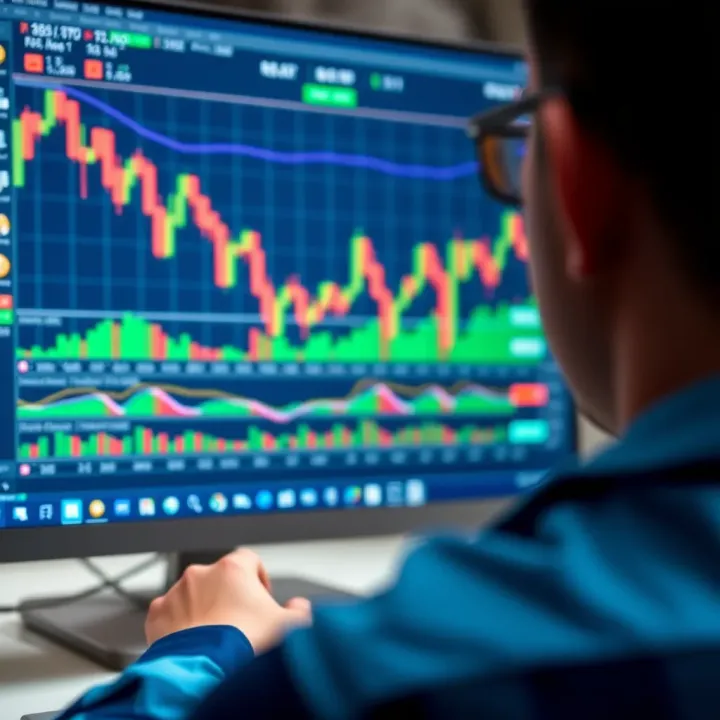
Many South African brokers, including well-known names like IG, Plus500, and HotForex, offer demo accounts with access to their full trading environments. This means you can test everything from basic order placements to more complex strategies with leverage, stop losses, and various currency pairs.
Using a demo account allows you to get comfortable with the platforms, sharpen your strategy, and iron out mistakes—all without financial risk.
For example, if you want to try trading the USD/ZAR pair, a demo account provides live quotes and lets you monitor how global events affect the exchange rate. You might discover how certain economic data releases—like SARB's interest rate decisions or US job reports—cause sudden swings, giving you a chance to pre-empt these moves in real trading.
Overall, demo accounts serve three main purposes:
Understand the mechanics of forex trading, including order types and market behaviour.
Experiment with various trading strategies to see which suits your style.
Familiarise yourself with the trading platform’s interface and tools.
By treating your time on a demo account as seriously as live trading, you build the confidence and skills needed to navigate South Africa’s forex market successfully. After all, the best way to sharpen your trading edge is by practising without pressure until you feel ready to take the plunge.
A demo account is a crucial first step for anyone keen on forex trading. It allows you to practise trading without risking any real cash. Think of it as a flight simulator for pilots: you get to understand the controls, react to different scenarios, and build your skills before taking off in the real world. For traders in South Africa, where the forex market can be quite volatile and influenced by both local and global factors, starting with a demo account helps avoid costly mistakes.
A demo account provides a simulated trading environment, meaning you trade with virtual money rather than your own. This environment mimics the forex market but without the financial risk. For example, you can place trades in pairs like USD/ZAR or EUR/USD using real-time market prices. This setup lets you experiment with different trade sizes, entry points, and exits without the fear of losing actual funds.
One of the biggest benefits is learning how the forex market operates. Forex markets run 24 hours on weekdays, reacting instantly to news, economic data, and geopolitical events. Using a demo account, you can observe how currency pairs move in response to these triggers. This hands-on experience gives you practical insight beyond what you’d get from reading articles alone.
Risk-free practice is precisely what the demo account delivers. You can try out strategies, like scalping or swing trading, without the sting of losing money. This lets you understand how stop-loss orders or take-profit levels play out in actual market conditions. For instance, if a trading strategy calls for risking just 2% of your capital per trade, you can practise sticking to that rule properly.
Most demo accounts use live market data, so price movements closely follow real-world trading sessions. For instance, if the South African rand suddenly weakens due to SARB announcements, your demo account will reflect those price changes. This keeps your learning experience current and practical. However, some smaller brokers might delay these prices slightly, so always check the broker’s reputation.
Demo accounts let you place different types of orders—market, limit, stop—and test features like charting tools and indicators that traders rely on daily. Platforms such as MetaTrader 4 or 5 often provide demo versions identical to their live counterparts. This setup means you can practise placing trades, setting stop losses, and using technical tools exactly as you would when trading with real money.
That said, demo accounts have their limitations. Emotional pressures don’t translate well—you won’t feel the tension of losing real cash. Also, liquidity can vary; live orders might suffer slippage during volatile news events, but demo accounts usually execute trades instantly at quoted prices, missing these real-life hiccups. Furthermore, spreads in a demo account might be tighter than those in live accounts, which can paint an overly optimistic picture.
Using a demo account is an essential way to build your forex trading foundation. Still, recognising the differences between demo and live trading conditions can better prepare you for the jump into South Africa’s real forex market.
Using a demo account before jumping into live forex trading offers a practical way to build essential trading skills with no financial risk. This hands-on approach lets you familiarise yourself with market tools and conditions before risking actual money, which can save you from costly beginner mistakes.
Understanding trading tools is fundamental when starting out with forex trading. Demo accounts provide access to the same tools used in live trading—such as candlestick charts, technical indicators, and order types—allowing you to get comfortable with these features in a pressure-free setting. For instance, you might practise using the Relative Strength Index (RSI) to spot overbought or oversold currencies without losing money, so you’re better prepared when the stakes are real.
Familiarisation with risk management is just as vital. Most beginners overlook how crucial it is to control risk before making trades. With a demo account, you can experiment with setting stop losses, take profits, and position sizes to manage your exposure. For example, testing a 1% risk per trade rule on virtual capital helps you grasp how to protect your investment in live conditions.
Practising trade execution underpins consistent results. It’s one thing to understand how to trade; it’s another to actually place orders efficiently using a platform. A demo account lets you practise entering market, limit, and stop orders, as well as managing open positions, so these actions become second nature. This way, when you move to live trading, you won’t fumble on basic tasks or miss timely trades due to hesitation.
Evaluating different approaches is a practical benefit of demo trading. You can trial various strategies—such as trend-following, breakout, or scalping—to see how they perform on South African rand pairs like USD/ZAR or EUR/ZAR without risking capital. This practical testing reveals what suits your style and market conditions, helping you narrow down choices before committing real funds.
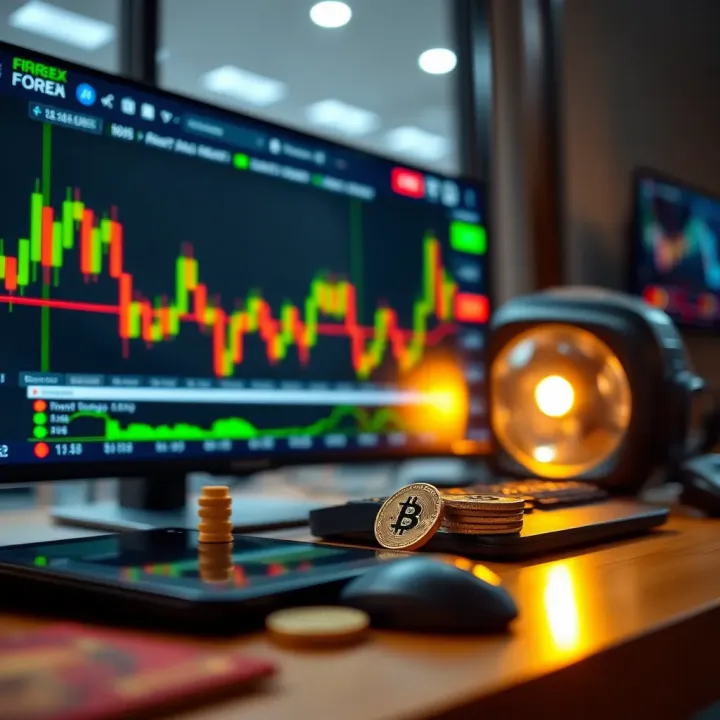
Adjusting methods without financial loss means you have the freedom to refine your tactics. Maybe a strategy works well in theory but fails under volatile market swings. Demo accounts let you tweak stop losses, entry signals, or position sizes and immediately see the impact under real-time conditions, all without worrying about wiping out your wallet.
Assessing user interface and features of various forex brokers is critical before opening a live account. Demo accounts give you a feel for the platform’s ease of use, charting capabilities, and available instruments. For example, you might find that one broker’s mobile app suits your style with faster order executions, while another’s desktop platform offers better research tools.
Comparing brokers in a no-risk environment helps South African traders make smarter choices. The local market has many options regulated by the Financial Sector Conduct Authority (FSCA), and each offers different spreads, leverage, and customer service levels. Using demos side by side aids in picking a broker that matches your trading goals, without risking any krugerands.
Starting out with a demo account trains your eye, your fingers, and your discipline. It’s a crucial step that turns raw interest in forex into informed readiness for the live markets.
South Africa's forex market has grown steadily, making it vital for traders to first get comfortable with demo accounts before risking real money. Opening and using a demo account correctlly not only builds familiarity with trading platforms but also helps you grasp local regulatory requirements, ensuring safer and more confident trading.
A key point when choosing a broker is checking whether they are registered with the Financial Sector Conduct Authority (FSCA). Regulation by the FSCA guarantees the broker meets minimum rules on capital adequacy, fair trading practices, and consumer protection. For instance, brokers operating without FSCA approval may be less transparent or fail to safeguard your data properly.
Look for brokers offering fully functional demo accounts with realistic trade simulations. Some provide limited time or capital balances, while others offer unlimited access. A good demo account mimics real market conditions as closely as possible, including spreads, order execution, and access to charts. Brokers like IG, EasyEquities, and Plus500 offer such demo services tailored to South African traders.
Checking feedback from local traders reveals insights brokers might not advertise. Reviews often highlight how quickly withdrawals are processed, the responsiveness of customer service, and how reliable the trading platform is. Platforms like MyBroadband forums or Trustpilot can show you real user sentiments, helping you avoid brokers that are slow or problematic.
Most South African brokers ask for basic details: your full name, contact info, and sometimes your trading experience. This helps them customise the platform settings and comply with legal standards. For example, some brokers might ask if you hold a Financial Services Provider (FSP) licence if you trade professionally.
The Financial Intelligence Centre Act (FICA) requires brokers to verify your identity to prevent money laundering. You'll typically upload a copy of your ID book or passport and a recent proof of address like a municipal bill. This process can take a few hours to a couple of days depending on the broker but is a necessary step before demo or live accounts can operate fully.
Most brokers provide their trading platform as a downloadable app or web-based solution. Popular platforms are MetaTrader 4 or 5, cTrader, or proprietary software. Installing the platform is straightforward but ensure your device meets technical specs and your internet connection is stable. Using demo accounts on mobile also offers convenience for practising on the go.
Once logged in, practice placing different types of orders: market, limit, stop-loss, and take-profit. Managing active trades through the platform lets you experience how to close positions and adjust orders. This prepares you to respond quickly in live sessions, especially during volatile periods when seconds count.
Demo accounts often come packed with charting tools like candlestick patterns, moving averages, RSI, and Fibonacci retracements. Getting comfortable reading these charts helps you develop strategies based on historical price action. For example, practicing trendline drawing or spotting support and resistance levels with real-time data strengthens your analysis skills.
Most platforms display your demo account balance clearly, allowing you to track profits and losses without stress. Treating your demo balance as if it was real money sharpens discipline. Some brokers even provide performance reports to analyse which strategies worked and where mistakes happened.
Remember, maxing out your demo account doesn’t carry real consequences, but it’s the perfect chance to learn how to manage your risk before live trades.
Getting these steps right sets a solid base and makes your first live forex trades in South Africa much more manageable and less intimidating.
Understanding the limits of demo accounts compared to live forex trading is key for anyone preparing to trade for real. Demo accounts provide a great starting point, but certain differences can impact how you perform once you move to actual trading with real money.
Demo accounts let you trade risk-free, but that safety net can be misleading. When real cash is at stake, the pressure mounts, often causing even experienced traders to hesitate or make rash choices. For example, during a sudden price drop, a demo user might stay calm and wait, while a live trader might panic and close positions prematurely to avoid losses.
You don’t feel the pinch of losing R500 or the rush of gaining R1,000 in a demo account – everything is virtual. This lack of emotional involvement means trading habits you build on demo may not hold when the stakes are actual rand.
Without the stress of losing funds, decision-making tends to be more relaxed and, sometimes, less disciplined. Real-trade conditions often lead to second-guessing trades or deviating from set strategies due to fear or greed. For instance, a trader might abandon stop losses during live trading if the market moves unfavourably, something rarely seen on demo accounts.
Demo environments can encourage over-trading or experimenting without consequence, but real trading demands adherence to a strategy, which includes managing emotions for better outcomes.
Liquidity – the ease of buying or selling – varies noticeably between demo and live accounts. In demo setups, orders execute instantly and perfectly, while live markets can have delays or partial fills, especially in volatile times or with small brokers.
For example, during South Africa's peak trading hours, a live trade might experience delays or differential pricing due to lower liquidity, unlike the flawless execution in demos. Such differences can affect your strategy’s real-world reliability.
Demo accounts often feature fixed spreads and no slippage, meaning the difference between expected and actual trade prices is zero. But in real forex trading, spreads fluctuate with market activity, and slippage can occur during rapid price changes or low liquidity.
A live trade might open at a few pips worse than intended, affecting profits or losses. Realising these conditions helps you design strategies with realistic profit targets and risk controls tailored for live market behaviour.
Many brokers limit demo accounts to a fixed period, such as 30 or 90 days. After expiry, either access is blocked or a new demo must be opened, which can disrupt continuity if you rely solely on the demo for practicing.
This time limit pushes traders to transition to live accounts sooner, but sometimes too early if they haven't grasped the market nuances. Planning your learning phases helps avoid rushing into real trading prematurely.
In a demo, the lack of tangible loss removes the motivation to manage risk prudently. You might take large positions or ignore stop-loss orders since losing is not real. This behaviour is dangerous if carried over to live accounts, where poor risk management means actual financial loss.
Demos lack the real account’s cost structure too, like swap fees or commissions, giving an incomplete picture of trading expenses. Recognising these gaps prepares you to adjust your approach once you start trading live.
Demo accounts are excellent practice grounds but don’t fully replicate the emotional and operational realities of live forex trading. Knowing their limitations lets you make smarter decisions about when and how to transition to real markets.
By keeping these differences in mind, South African traders can use demo accounts more effectively, preparing for the real challenges of forex trading beyond simulated screens.
Using a demo account well is about more than just clicking buttons. It’s where you build the groundwork for real trading, so you need a clear plan to get the most out of it. Setting goals, tracking your success, simulating actual conditions, and knowing when to take the leap to live trading are all key steps.
Defining skill and strategy goals helps focus your practice. Instead of randomly trading, decide what you want to learn — maybe understanding technical indicators like moving averages, or mastering how to use a stop-loss order. You could set a goal to consistently identify entry and exit points over a week or to try a specific strategy like breakout trading. This way, you avoid wasting time on unfocused trial and error.
Tracking progress and results means keeping a trading journal or using tools on your platform to monitor how trades perform. Review your demo account data weekly: what worked, what didn’t, which setups led to gains, and which caused losses. For example, if you see you’re overtrading on high-risk pairs and losing virtual capital fast, it signals a need to adjust risk management. Consistent tracking keeps your learning honest and measurable.
Using realistic position sizes in your demo account mimics the risk you’d take with real money. Jumping straight to massive positions can give a false sense of success, but it’s not how a beginner should trade. Start with small position sizes maybe 1-2% of your intended live account. For instance, if you plan to have R10,000 on live, practice trading with R100 to R200 per position. This builds accurate discipline for risk and reward.
Incorporating risk limits and stop losses is vital to protect your capital. Even in a demo, set stop losses just as you would in live trading. It helps you get used to accepting losses and sticking to your plan instead of chasing the market. Say you’re trading the USD/ZAR pair — decide upfront that you won’t risk more than R50 per trade, and place your stop loss accordingly. This practice trains your mindset to manage losses rather than avoid them.
Recognising readiness means knowing when you’ve outgrown the demo environment. This usually happens when your demo trading results become consistent over several weeks or months, and you’ve preserved your virtual capital without ‘blowing’ your account. It’s also when you can handle manual order execution and analysis without confusion. If you still find yourself panicking or ignoring your rules, you probably need more demo time.
Starting with small capital helps ease into live trading while limiting losses that can hit your confidence. Open a live account but trade with a fraction of what you’d normally use — maybe R1,000 to R5,000 depending on your budget. Treat this as an extension of the learning phase rather than a money-maker right away. This approach protects you from the emotional shocks of real losses.
Continuing education and adjustment is essential even after moving live. Markets evolve, and personal habits can slip. Stay updated on market news through local sources like MyBroadband or BusinessTech, and regularly review your trades. Attend webinars, and keep practising strategy tweaks in your demo. Combating complacency early can save a lot of frustration.
Don’t treat your demo account like a game — use it as a stepping stone towards real, disciplined trading. Setting goals, tracking progress, and practising like the money’s on the line will prepare you for the real forex arena in South Africa and beyond.
📈 Discover how forex demo accounts help South African traders practise risk-free, build confidence, and pick the right broker before investing real Rs. 💡

📚 Dive into the best forex trading books tailored for Nigerian traders. Explore strategies, market basics, and top picks for every skill level. 💹

Discover how to pick the best forex trading robot with clear tips on evaluating performance, managing risks, and fitting them into your strategy 🤖💹

Explore top forex trading indicators 📈! Learn how to pick and combine them effectively for various styles and markets, tailored for Nigerian traders 🇳🇬.
Based on 9 reviews