
Effective Forex Trading Tips for Nigerian Traders
📈 Explore practical forex strategies tailored for Nigerian traders. Master market analysis, manage risks, and boost trading success with proven tips!
Edited By
Isabella Morgan
Trading in cryptocurrencies and foreign exchange (forex) markets both offer exciting opportunities, but they operate quite differently. Nigerian traders need a clear grasp of these differences before committing their naira to either market. This introduction provides an overview of key distinctions to help you understand what trading crypto versus forex entails.
Firstly, forex trading involves buying and selling government-issued currencies like the US dollar, euro, or naira. It’s a well-established market, supported by global banks and regulators. On the other hand, cryptocurrency trading deals with digital currencies such as Bitcoin, Ethereum, or Binance Coin, which run on blockchain technology without central authority.
The markets themselves operate on different structures. Forex trading centres around currency pairs—for example, USD/NGN, EUR/USD—where traders speculate on the price movements between two fiat currencies. In contrast, crypto trading includes a larger set of pairs such as BTC/USDT or ETH/NGN, mixing digital coins with stablecoins or fiat currencies.
Market hours differ too. Forex markets typically open Sunday evening and close Friday evening (WAT), with a break over the weekend. Crypto trading never sleeps. Its exchanges run 24/7, allowing Nigerians to trade any time, even during public holidays or ember months when forex markets rest.
Volatility is a big factor. Cryptocurrency prices are notoriously erratic, often moving double-digit percentages within hours. For instance, Bitcoin can surge by 10% one day and drop 8% the next. Forex prices tend to move more slowly and predictably, though events like Central Bank of Nigeria (CBN) policy announcements can cause sharp swings.
Regulation is another major difference. Forex trading in Nigeria is regulated by the Securities and Exchange Commission (SEC) and supervised closely, providing some investor protection. Crypto markets remain largely unregulated, leaving more room for scams and fraud, so Nigerian traders must exercise caution and use trusted platforms.
Understanding these foundational differences will help you decide which trading avenue suits your risk appetite, trading style, and goals.
In the next sections, we will look deeper into aspects like risk factors, trading strategies, and accessibility for Nigerian traders aiming to build their portfolios in these two popular, yet fundamentally different, markets.
Understanding the basics of cryptocurrency and forex trading is essential for any Nigerian trader looking to navigate these popular financial markets. Both markets offer opportunities to make profits, but they differ significantly in structure, operation, and regulation, which can impact your trading experience and outcomes. Grasping these differences early on helps you decide which market aligns best with your goals, risk tolerance, and resources.
For instance, a trader interested in fast-paced, high-volatility assets might lean toward cryptocurrency trading, while someone seeking relatively stable trades might prefer forex. This section provides a solid foundation by explaining what each trading type involves and how they function in the Nigerian context.
Cryptocurrency trading involves buying and selling digital currencies that operate on blockchain technology. In Nigeria, popular cryptocurrencies include Bitcoin (BTC), Ethereum (ETH), Binance Coin (BNB), and recently, stablecoins like Tether (USDT). These cryptocurrencies have gained traction partly because of their ability to bypass traditional banking hurdles and provide cross-border transaction ease.
For many Nigerians, crypto trading also serves as an alternative to holding naira during periods of local currency volatility. As a trader, understanding which coins are widely accepted and liquid in Nigerian exchanges adds practical value, since it affects how easily you can buy, sell, or convert your assets.
Trading cryptocurrencies typically happens on dedicated crypto exchanges such as Binance, Luno, or Quidax, many of which have local integration for NGN deposits and withdrawals. These platforms allow you to place market orders (buy/sell instantly at current prices) or limit orders (buy/sell at specific prices).
Crypto exchanges operate largely 24/7, which means trades can be executed any time of the day unlike traditional markets. Knowing how to navigate these platforms and understanding their fee structures and security features is crucial, especially given the risks of hacks and scams. Moreover, features like leverage trading are available but should be approached with caution because of the increased risk.
Forex, short for foreign exchange, is the global market where currencies are traded. It involves buying one currency while selling another simultaneously. The most traded pairs include USD/NGN (U.S. Dollar to Nigerian Naira), EUR/USD (Euro to U.S. Dollar), GBP/USD (British Pound to U.S. Dollar), and USD/JPY (U.S. Dollar to Japanese Yen).
For Nigerian traders, forex trading offers the chance to capitalise on fluctuations in exchange rates influenced by factors like monetary policy, international trade, and geopolitical events. Understanding which currency pairs are liquid and commonly traded impacts your choice of strategies.
The forex market operates through a network of banks, brokers, and financial institutions rather than a centralised exchange. Trading happens OTC (over-the-counter), primarily via forex brokers that facilitate access using platforms like MetaTrader 4 or 5.
Markets are generally open 24 hours during weekdays, segmented into major sessions—London, New York, and Tokyo—with particular relevance for Nigerian traders due to time zone overlaps. The ability to trade on margin enables traders to control larger positions with smaller capital, but this also means risk is amplified. Therefore, understanding market hours, leverage, and broker reliability is key before entering forex trading.
Both cryptocurrency and forex trading present distinct opportunities and challenges. Knowing how each operates equips Nigerian traders to make more informed decisions, avoid common pitfalls, and build effective trading strategies.
Market structure and trading environment shape how traders interact with the markets, affecting everything from price formation to trading strategies. These elements determine the accessibility, liquidity, and transparency of trading venues. Nigerian traders should grasp these distinctions to navigate crypto and forex markets effectively and decide which suits their trading style and objectives.
Cryptocurrency trading typically takes place on decentralised platforms where no single authority controls transactions. For example, decentralised exchanges (DEXs) like Uniswap operate on blockchain technology, connecting buyers and sellers directly. This setup means no middleman sets the prices or controls the flow, giving traders more autonomy but also exposing them to market risks without support.
Conversely, forex trading mostly happens on centralised platforms managed by brokers or financial institutions. Markets like the Nigerian Interbank Foreign Exchange Market rely on these central authorities to facilitate trading, which provides structure, clear rules, and customer support. However, it may also limit flexibility since trading hours and regulations must be followed.
Liquidity varies notably between decentralised crypto exchanges and centralised forex markets. Forex markets, dominated by global banks and governments, transact trillions of dollars daily, offering deep liquidity. This situation ensures tighter spreads, meaning traders can buy and sell currencies with minimal price gaps, reducing trading costs.
On the other hand, some crypto exchanges may face liquidity challenges, especially for lesser-known tokens or during volatile periods. Price discovery can be more fragmented in crypto because of multiple platforms with different order books. Nigerian traders might see wider spreads and higher slippage when trading obscure cryptocurrencies, impacting profitability.
Crypto markets operate round the clock, seven days a week. This continuous availability means Nigerian traders can react immediately to global events at any hour without waiting for markets to open. For example, sudden news affecting Bitcoin or Ethereum can influence prices in the middle of the night, allowing prompt trading decisions.
This nonstop access is especially useful for those balancing trading with other responsibilities. Unlike traditional markets, crypto’s continuous cycle caters well to traders in Nigeria who may need flexible trading times due to work or family commitments.
Forex markets close differently, running in major sessions aligned with financial centres like London, New York, and Tokyo. Nigeria mainly overlaps with the London session (8 am to 4 pm WAT), which tends to see higher volatility and liquidity.
Knowing these sessions helps Nigerian traders plan activities. For instance, the calm period between New York’s close and Tokyo’s open might offer less price movement, reducing trading opportunities. Traders can time their entry and exit carefully to maximise chances of profit during high-activity hours.
Understanding the market structure and trading environment gives Nigerian traders an edge. It clarifies when to trade, where liquidity thrives, and how decentralised or centralised systems influence risk and control in their trading strategies.
Understanding volatility, risk, and profit potential is key for anyone looking to trade cryptocurrency or forex. These factors shape how traders approach markets, size their positions, and decide which instruments fit their risk appetite. Nigerian traders, in particular, should weigh these aspects carefully given local market peculiarities like naira fluctuations and internet access.
Cryptocurrency markets are known for their sharp price swings. It's not unusual for digital coins like Bitcoin or Ethereum to fluctuate by 5–10% within a single day. This high volatility can provide exciting profit opportunities but also demands quick decisions and good risk control. In contrast, forex pairs like USD/NGN or EUR/USD tend to have lower daily volatility—often less than 1%. This creates a steadier trading environment but requires larger position sizes or more leverage to achieve comparable gains.
The practical impact of volatility means that crypto trading can suit those comfortable with rapid market moves and sudden changes in value. Forex traders, meanwhile, can adopt slower strategies like swing or position trading, relying on economic news rather than sudden market hype. For example, a naira trader eyeing the USD/NGN pair might expect milder swings compared to playing altcoins, but must monitor central bank announcements closely.
Volatility influences how much capital a trader risks on each trade. For cryptocurrencies, the larger price swings require smaller position sizes relative to capital to avoid blowing up accounts quickly. If a trader ignores this, a sudden 10% drop can wipe out the entire investment. Forex's relatively tame volatility allows bigger trades, but leverage still demands proper stop-loss orders to guard against unexpected moves.
Effective risk management means setting loss limits tied to market volatility. For instance, a beginner trading Bitcoin with ₦50,000 might risk only ₦2,000 per trade, given the market's unpredictability. In forex, a ₦10,000 risk per trade could be manageable with appropriate stop-loss set to market conditions. Without adapting position size to the specific market's volatility, traders expose themselves unnecessarily.
Cybersecurity risks in crypto stand out sharply. Because cryptocurrencies exist solely as digital assets, traders face threats such as exchange hacks, phishing scams, or wallet thefts. Several Nigerian crypto users have suffered losses when platforms lacked robust security or when private keys were compromised. Protecting crypto assets requires using authorised exchanges, strong passwords, hardware wallets, and enabling two-factor authentication.
On the other hand, geopolitical and economic factors heavily affect forex markets. Currency pairs fluctuate based on political stability, inflation rates, and central bank policies. For Nigerians trading forex, events like shifts in CBN’s monetary policy, fuel subsidy debates, or election cycles can cause notable naira volatility. For example, uncertainties around 2023 guber elections led to swings in naira value that impacted forex traders’ gains and losses. Keeping track of such factors is essential to anticipate forex price movements.
Volatility and risk define how traders prepare and adapt to markets. Nigerian traders must understand these to safeguard capital and maximise profit potential whether in crypto or forex.
In summary, crypto trading offers higher price volatility but demands tighter risk management and security awareness. Forex trading provides a relatively stable but sensitive environment affected by macroeconomic events. Knowing these differences lets traders choose strategies fitting their goals and tolerance.
Regulation and security form the backbone of safe trading practices, especially in markets as dynamic as cryptocurrency and forex. Nigerian traders must understand not only the legal framework but also how these regulations directly influence trading behaviour and asset protection. This section sheds light on Nigeria’s specific stance on these markets and practical security measures to help traders avoid common pitfalls.
The Central Bank of Nigeria (CBN) has taken a cautious approach towards cryptocurrency trading. While it has not completely banned cryptocurrencies, the CBN issued a directive in 2021 restricting banks and other financial institutions from facilitating crypto transactions. This means that accessing crypto via naira through formal banks is quite limited, pushing many traders to peer-to-peer platforms or foreign exchanges. On the other hand, forex trading enjoys a more established regulatory environment under the CBN and Securities and Exchange Commission (SEC). Forex brokers are usually licensed, and transactions are monitored to prevent money laundering and fraud.
These regulatory differences affect how traders operate day-to-day. For instance, forex trading platforms in Nigeria are generally obliged to adhere to Know Your Customer (KYC) guidelines and provide transparent pricing. Crypto traders, however, must be extra vigilant finding trustworthy platforms as the absence of formal banking support increases risks of scams or liquidity problems. Understanding these rules helps traders stay compliant and reduces chances of running into legal troubles.
Forex trading platforms in Nigeria tend to have robust security protocols. Licensed brokers deploy encryption, two-factor authentication, and segregated client accounts to protect funds and personal data. For example, many reputable brokers like FXTM and InstaForex offer demo accounts and customer support to help new traders identify genuine services. These safeguards build trust, allowing traders to focus on strategy rather than worrying about platform safety.
Securing crypto assets demands even greater care given their digital nature. Traders should use hardware wallets or cold storage solutions to keep private keys offline, reducing vulnerability to hacking. Additionally, using well-known exchanges like Binance or Luno that follow international security standards can limit exposure to fraud. Regularly updating software, enabling multi-factor authentication, and being sceptical of unsolicited offers are practical steps every crypto trader in Nigeria can take to protect investments.
In markets with fluctuating regulations and security risks, staying informed and cautious isn’t just advisable—it’s essential for preserving your ₦ and peace of mind.
To sum up, understanding Nigeria’s regulatory environment and employing proper security measures are fundamental for both crypto and forex traders. This knowledge shields against legal issues and theft, enabling you to trade with confidence in either market.
Nigerian traders face a critical choice between crypto and forex trading, each coming with distinct demands and opportunities. Selecting the right option matters because it affects how you manage capital, time, and risks on your trading journey. Making the wrong choice could mean unnecessary losses or missed gains, especially considering Nigeria’s unique financial and regulatory environment.
Starting capital can vary significantly between crypto and forex trading. For cryptocurrency, platforms like Binance or Luno allow opening accounts with as little as ₦5,000, making it accessible even to small-scale traders. Forex, on the other hand, often requires higher minimum deposits—₦50,000 or more on many brokers—due to leverage rules and spread costs. Plus, forex trading involves spreads and commissions that can erode profits, while crypto usually charges network or withdrawal fees that fluctuate with blockchain congestion.
Understanding these costs upfront is essential. For example, a trader with ₦20,000 might struggle to meet forex margin requirements, but could still actively trade bitcoin or ethereum fractions. Also, consider the potential volatility—crypto’s price swings can be larger, requiring more flexible capital management.
Your trading success depends heavily on your approach and skill level. Forex trading tends to reward patience and analysis based on economic fundamentals and global events. If you prefer slower, data-driven trades, forex might suit you better. Crypto, with its 24/7 markets and high volatility, caters to active, risk-tolerant traders who like quick moves and technical indicators.
Beginners often find forex platforms more structured, with built-in educational tools and regulated brokers to guide them. Meanwhile, crypto markets can be chaotic, with sudden price jumps triggered by social media or global announcements. So, understanding your comfort with risk, market pace, and decision-making style helps determine which makes sense.
Effective trading requires reliable internet and suitable devices. Forex traders often use desktop-based platforms like MetaTrader 4 or 5, which demand steady connectivity and basic software knowledge. Meanwhile, many crypto traders rely on mobile apps from OPay, Paxful, or other Nigerian-friendly wallets, allowing trading on smartphones even in less stable internet conditions.
That said, crypto’s 24/7 operation also means being prepared to monitor markets any time, which might be a challenge without dependable power or data. Forex’s defined session hours, though, allow a more predictable schedule for those balancing trading with other commitments.
Not all trading platforms are created equal, especially in Nigeria’s evolving financial scene. Choose brokers or crypto exchanges with proven track records, proper licenses where applicable, and positive user reviews. For forex, brokers registered with Nigeria’s Securities and Exchange Commission (SEC) or international regulators like FCA tend to offer safer environments. On the crypto side, look for platforms that clearly detail security measures and have local customer support.
Avoid platforms promising unrealistic returns or those with unclear fee structures. For instance, a broker requiring upfront large deposits without transparent regulation poses a serious risk.
Learning before risking real money helps prevent costly errors. Both forex and crypto platforms usually offer demo accounts, allowing you to practise trades with virtual funds. Use these to understand market behaviour, test trading strategies, and get familiar with order types and platform features.
Additionally, leverage educational resources like webinars, articles from trusted Nigerian finance sites, and tutorials tailored to local traders. This foundation can make a big difference by reducing mistakes and building confidence, especially when facing volatile markets or unfamiliar trading terms.
Remember: Starting small, practising regularly, and staying informed are keys to trading success, whether in crypto or forex. Choose the path that suits your funds, lifestyle, and learning curve—then commit to continuous improvement.
📈 Explore practical forex strategies tailored for Nigerian traders. Master market analysis, manage risks, and boost trading success with proven tips!
🇳🇬 Discover smart forex trading tips & strategies tailored for Nigerian traders! Learn to pick brokers, manage risks, and trade confidently with ease. 📈
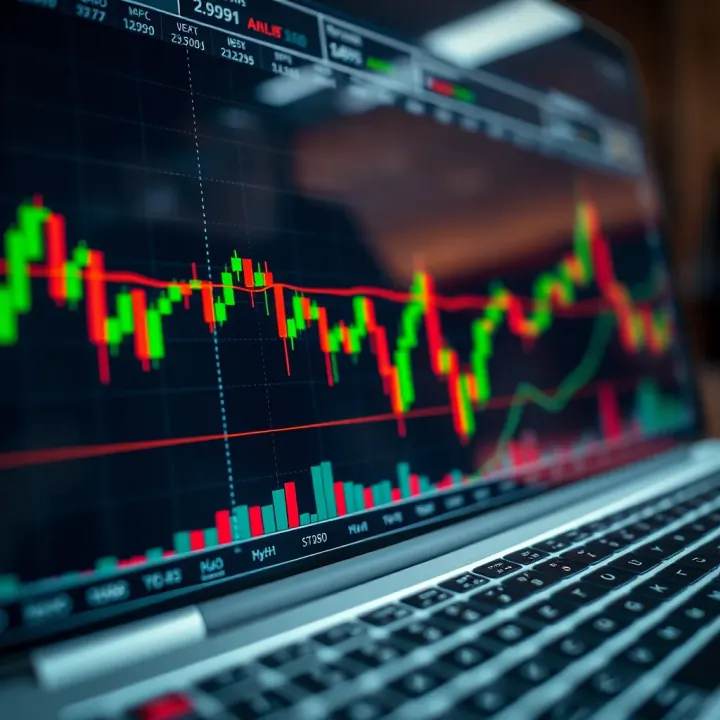
Explore proven forex trading strategies for Nigerians 🇳🇬, covering technical skills, risk management, and market psychology to boost your success 📈💡
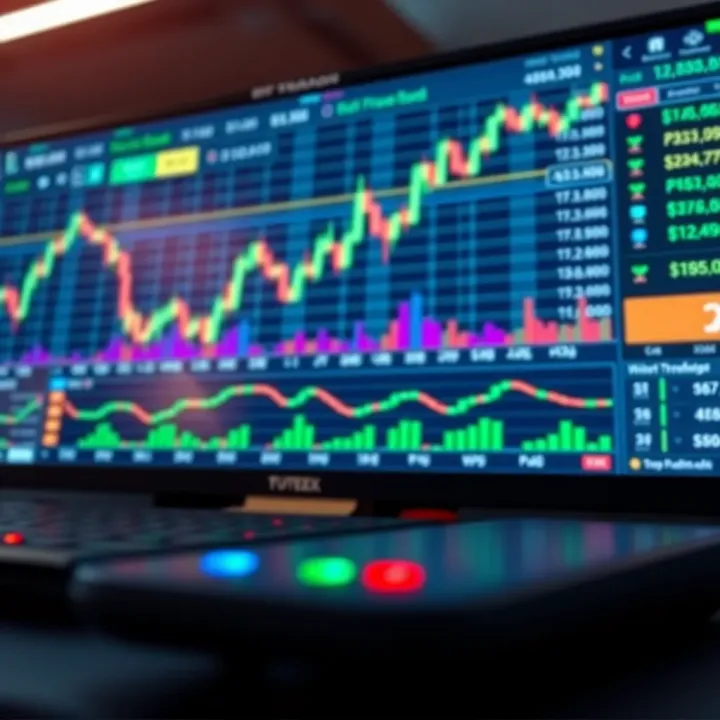
Looking for the best forex trading site in Nigeria? Discover how to pick secure platforms with low fees, great currency options, and reliable support 📈💰
Based on 6 reviews